How to Apply Blush for a Natural, Fresh Makeup Look
Blush can instantly add warmth and a fresh touch to your makeup. However, knowing how to apply blush correctly can make a big difference in how natural and balanced your final look appears.
Whether you are new to makeup or simply want to improve your everyday routine, learning the basics of blush application can help you create a soft, polished look without making your cheeks look too heavy.
In this guide, we will cover where to apply blush, how much blush to use, and simple techniques for achieving a natural finish.
Why Is Blush Important in Makeup?
Blush adds color and dimension to the face. After applying foundation or concealer, your complexion can sometimes look more even but less dimensional.
A small amount of blush can bring warmth back to the cheeks and help connect your complexion makeup with your eye and lip makeup.
For an everyday makeup look, you usually do not need a large amount of product. A light, well-blended layer can be enough.
Where Should You Apply Blush?
One of the most common questions beginners ask is where blush should be applied.
For a natural look, start around the cheeks and gradually blend the color upward.
The exact placement can depend on your face shape and the type of makeup look you want to create.
For a Fresh Everyday Look
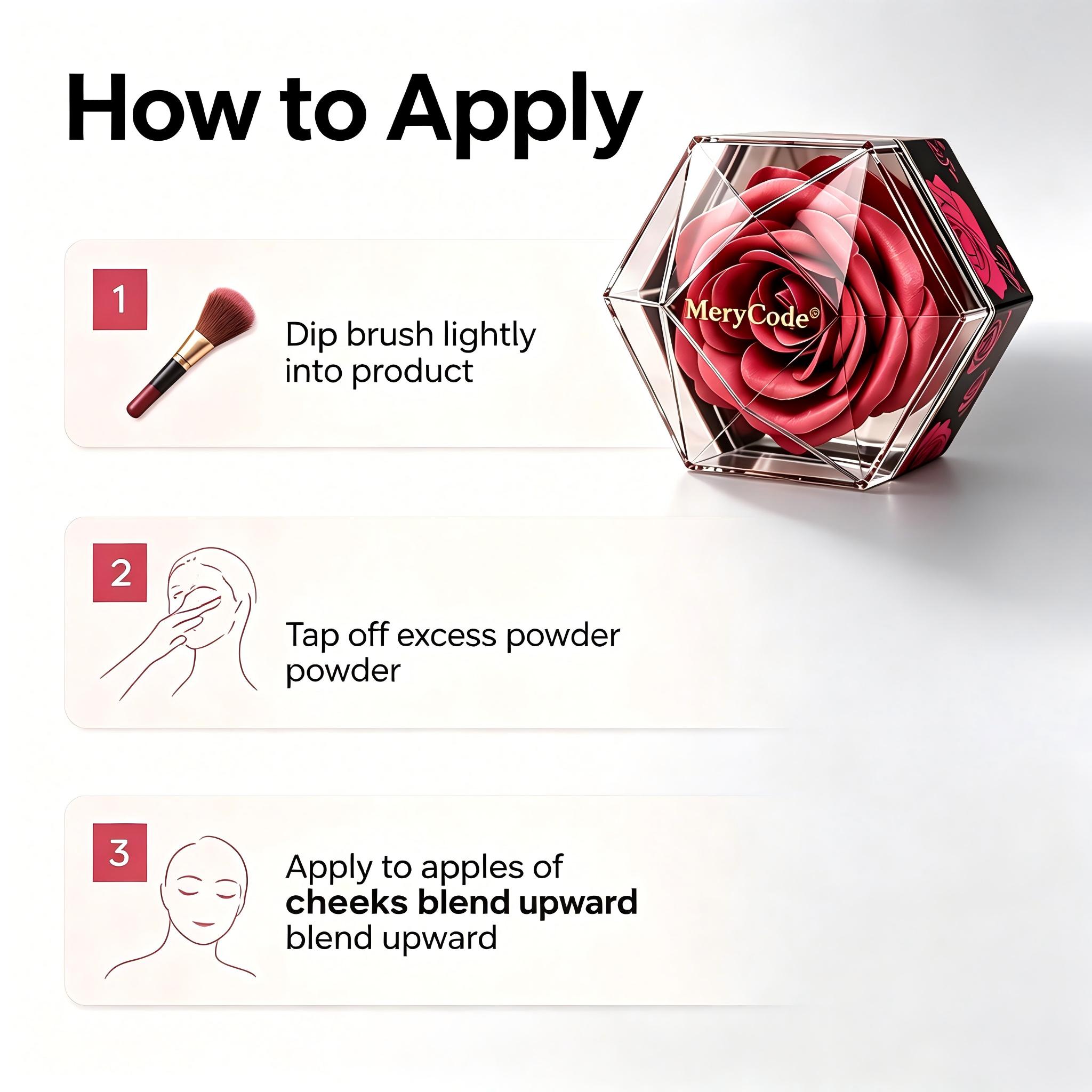
Apply a small amount around the apples of your cheeks and blend gently upward.
This can create a soft, fresh-looking appearance that works well with simple everyday makeup.
For a More Defined Look
If you want more definition, place the blush slightly higher on the cheek area and blend toward the cheekbones.
This technique can create a more lifted-looking effect.
For a Soft, Romantic Look
A softer blush placement with gentle blending can create a youthful and romantic makeup style.
The most important thing is to avoid applying too much product at once.
How to Apply Blush Step by Step
Step 1: Finish Your Base Makeup
Start with your foundation, concealer, and other complexion products.
If you are using powder blush, make sure your base is set appropriately so the powder can blend smoothly.
Step 2: Choose the Right Blush Brush
A soft blush brush can help distribute the product evenly.
A larger, fluffy brush generally creates a softer application, while a smaller brush can provide more concentrated color.
Step 3: Pick Up a Small Amount
Lightly touch your brush to the blush.
If you pick up too much product, gently tap the brush before applying it to your face.
Starting with less product makes it easier to build your desired color.
Step 4: Apply the Blush
Place the brush on the cheek area and use light, controlled movements.
Avoid pressing too hard.
Instead, use gentle circular or upward motions to gradually distribute the color.
Step 5: Blend the Edges
Blending is one of the most important steps.
Use a clean or lightly loaded brush to soften the edges of the blush so there are no obvious lines.
The color should gradually fade into your complexion.
Step 6: Build the Color
If you want a stronger blush look, add another thin layer.
Building the color slowly gives you much more control over the final result.
How Much Blush Should You Use?
There is no single amount of blush that works for everyone.
The amount depends on:
- The pigmentation of the blush
- Your desired makeup style
- Your complexion
- The rest of your makeup
- Whether you are creating a daytime or evening look
For everyday makeup, start with a small amount.
You can always add more, but removing excessive blush can be more difficult.
How to Make Blush Look Natural
If you want a natural blush look, focus on gradual application and good blending.
Here are a few simple tips:
Start Small
Apply a small amount first and build the color slowly.
Blend Beyond the Initial Application
Do not stop blending exactly where you first applied the product. Softening the edges helps the blush look more natural.
Match Your Overall Makeup
Your blush should work with your eye and lip makeup.
A softer blush can complement a minimal makeup look, while a stronger blush can work well with a more defined makeup style.
Check Your Makeup in Natural Light
If possible, check your blush in natural light before adding more product.
Indoor lighting can sometimes make colors appear different.
Common Blush Mistakes to Avoid
Applying Too Much Product
One of the most common beginner mistakes is using too much blush immediately.
Start with less and build gradually.
Placing Blush Too Low
Applying blush too low on the face can sometimes make the overall makeup look heavier.
Try experimenting with slightly higher placement.
Not Blending the Edges
Visible edges can make blush look less natural.
Take a few extra seconds to blend the transition between the blush and your complexion.
Using the Wrong Brush
A brush that is too dense or too small can sometimes deposit more color than expected.
A soft, fluffy blush brush can make it easier to create a diffused finish.
Powder Blush or Cream Blush?
Both powder and cream blush can work beautifully, but they offer different application experiences.
Powder Blush
Powder blush is easy to layer and can be a convenient option for everyday makeup.
It is especially useful if you prefer a soft, buildable finish.
Cream Blush
Cream blush can create a fresh and slightly dewy appearance.
It can be applied with fingers, a makeup sponge, or a brush depending on the formula and your preference.
The best choice depends on your skin, preferred finish, and makeup routine.
How to Apply Blush for Different Makeup Styles
Natural Makeup
Use a small amount of blush and blend it softly toward the edges.
Korean-Inspired Makeup
A soft flush concentrated around the cheeks can complement a fresh and youthful makeup style.
Glam Makeup
You can gradually build stronger blush color while keeping the edges well blended.
Minimal Makeup
A subtle touch of blush can add warmth without making the makeup look heavy.
Final Thoughts
Learning how to apply blush does not have to be complicated.
Start with a small amount, apply the color gradually, and spend a little extra time blending the edges.
Whether you prefer powder blush, cream blush, a natural everyday look, or a more defined makeup style, the right application technique can make your blush look softer and more balanced.
The goal is not simply to add more color. It is to find the amount and placement that work naturally with your entire makeup look.
Frequently Asked Questions
Where should beginners apply blush?
Beginners can start around the apples of the cheeks and gently blend the color upward. You can adjust the placement based on your preferred makeup style.
How much blush should I use?
Start with a small amount and gradually build the color. This gives you better control and helps prevent an overly strong application.
How do I make blush look natural?
Use a small amount, blend the edges carefully, and build the color gradually. Checking your makeup in natural light can also help.
Is powder blush good for beginners?
Yes. Powder blush can be easy to control and build gradually, making it a convenient choice for people who are learning blush application.