Makeup Starter Kit for Beginners: Where to Start
Starting your makeup collection can be exciting, but choosing your first products can also feel overwhelming.
There are countless foundations, blushes, lip products, eyeshadows, brushes, and makeup tools to choose from. The good news is that you don't need all of them to create a beautiful everyday look.
A simple makeup starter kit should focus on versatile products that are easy to use and fit naturally into your routine.
What Is a Makeup Starter Kit?
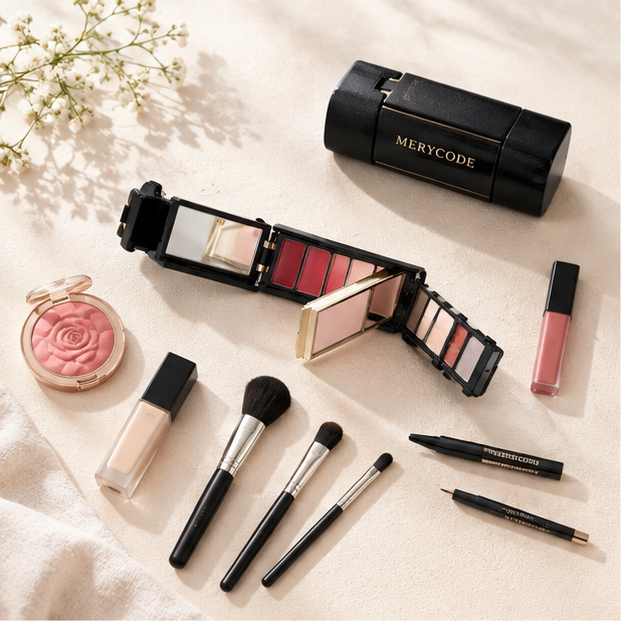
A makeup starter kit is a collection of basic products that can help you create simple everyday makeup looks.
For beginners, a starter kit can include:
- Face makeup
- Concealer
- Blush
- Eye makeup
- Lip products
- Basic makeup tools
The exact products you choose will depend on your preferred makeup style, skin needs, and the amount of coverage you like.
1. Start With Your Base
The first step in many makeup routines is creating an even-looking base.
Beginners can choose between products such as foundation, skin tint, or concealer.
If you prefer a lightweight and natural appearance, you don't necessarily need a full-coverage foundation. A small amount of complexion makeup can be enough for an everyday routine.
Choose a base product that feels comfortable and is easy to blend.
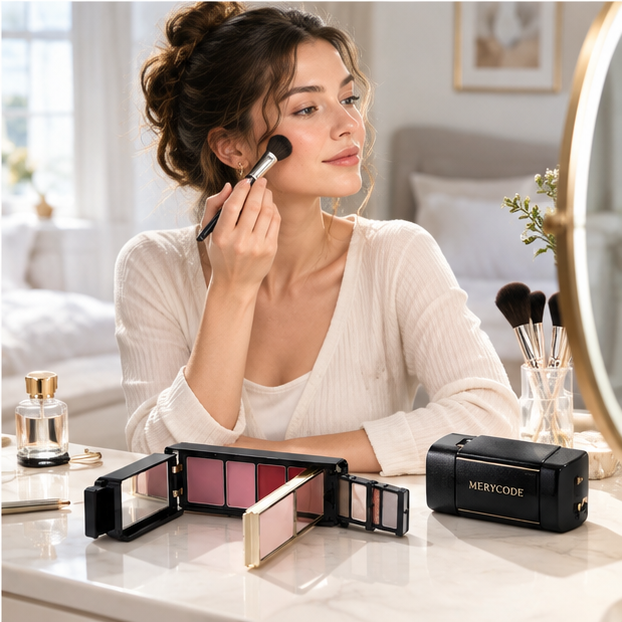
2. Add Blush
Blush can make a simple makeup look appear fresher and more lively.
For a starter makeup kit, choose a blush shade that works with the looks you normally wear.
Soft pink, rose, peach, and coral shades can all create different effects.
If you're new to blush, start with a small amount and gradually build the color. This makes it easier to control the intensity.
You can also learn more about how to apply blush with our beginner-friendly guide.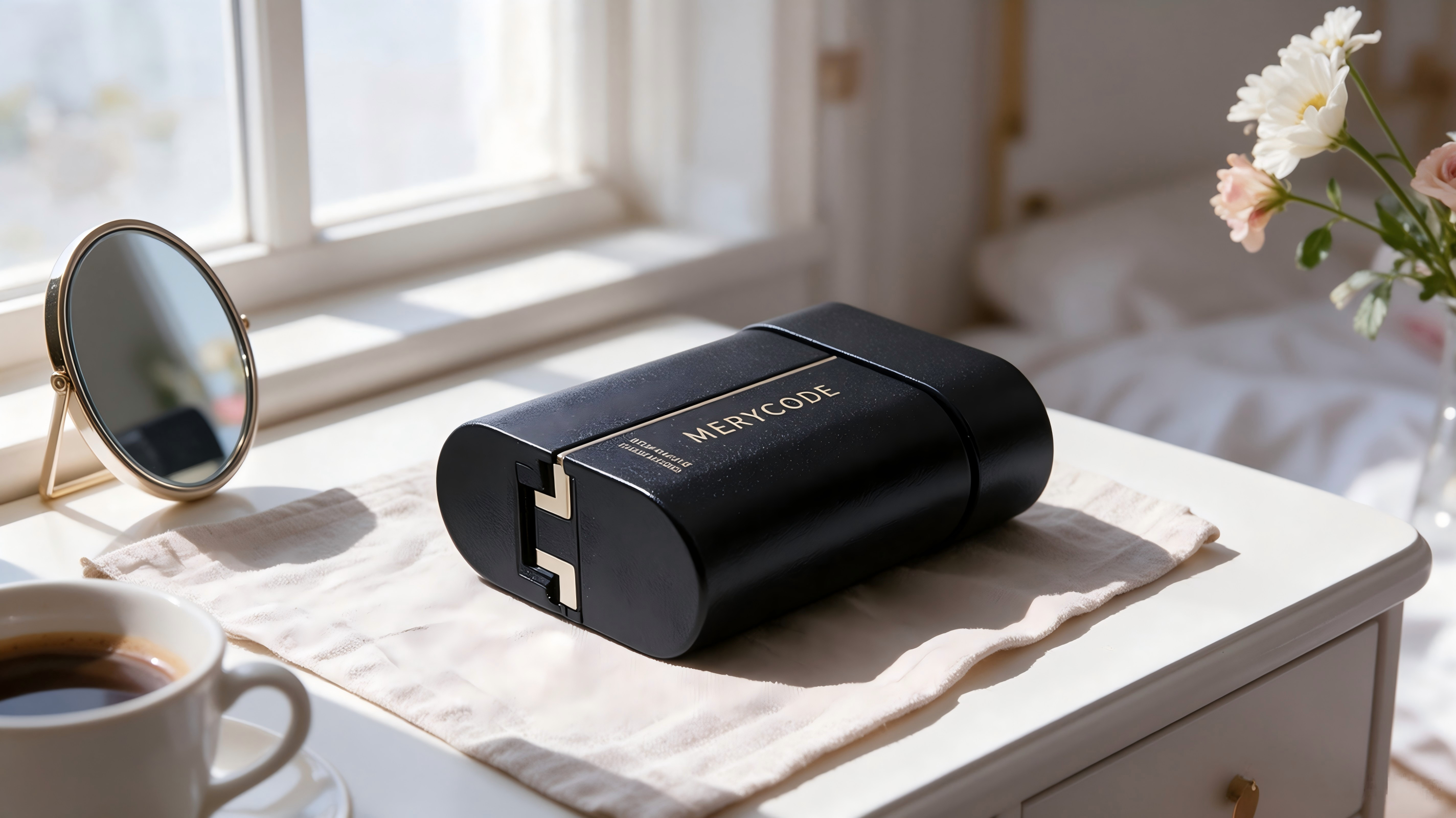
3. Keep Eye Makeup Simple
You don't need a large collection of eye makeup products when you're starting out.
A beginner-friendly eye makeup routine can begin with:
- Neutral eyeshadow
- Mascara
- Eyeliner
Neutral shades are especially versatile because they can work for both casual and more polished looks.
As you gain experience, you can experiment with different colors and techniques.
4. Choose an Everyday Lip Product
Lip makeup is another easy way to change your overall look.
A starter kit doesn't need to contain many lip products.
You can begin with one versatile product, such as:
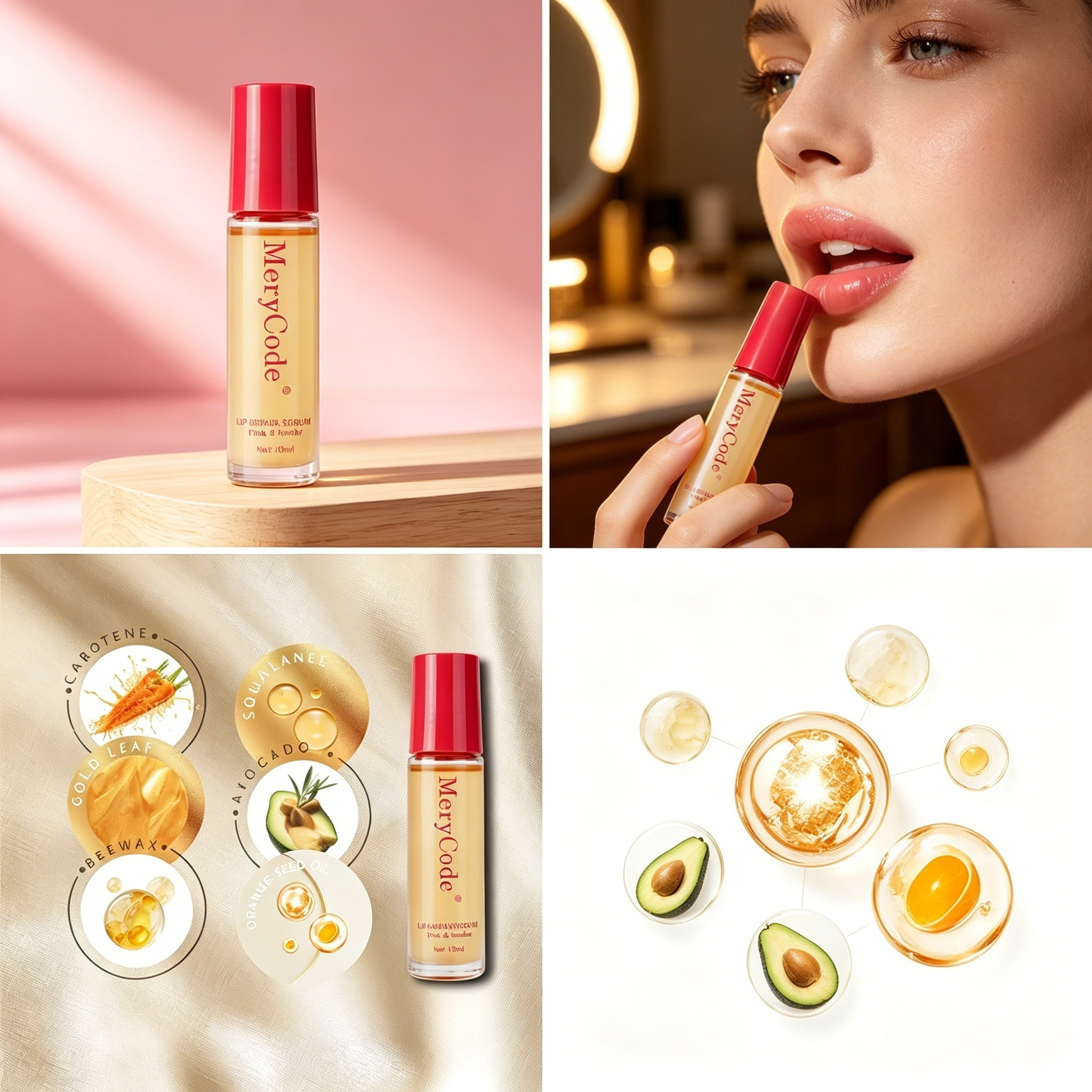
- Lip oil
- Lip liner
- Lip gloss
- Everyday lip color
For a natural makeup look, a comfortable lip oil can add shine without making your routine complicated.
If you prefer more definition, lip liner can help shape the appearance of your lips.
5. Don't Forget Makeup Tools
Good makeup tools can make your routine easier.
You don't need a professional collection of dozens of brushes.
A beginner can start with a few basic tools, including:
- Powder brush
- Blush brush
- Eyeshadow blending brush
- Small detail brush
Keeping your tools organized can also make your everyday routine faster.
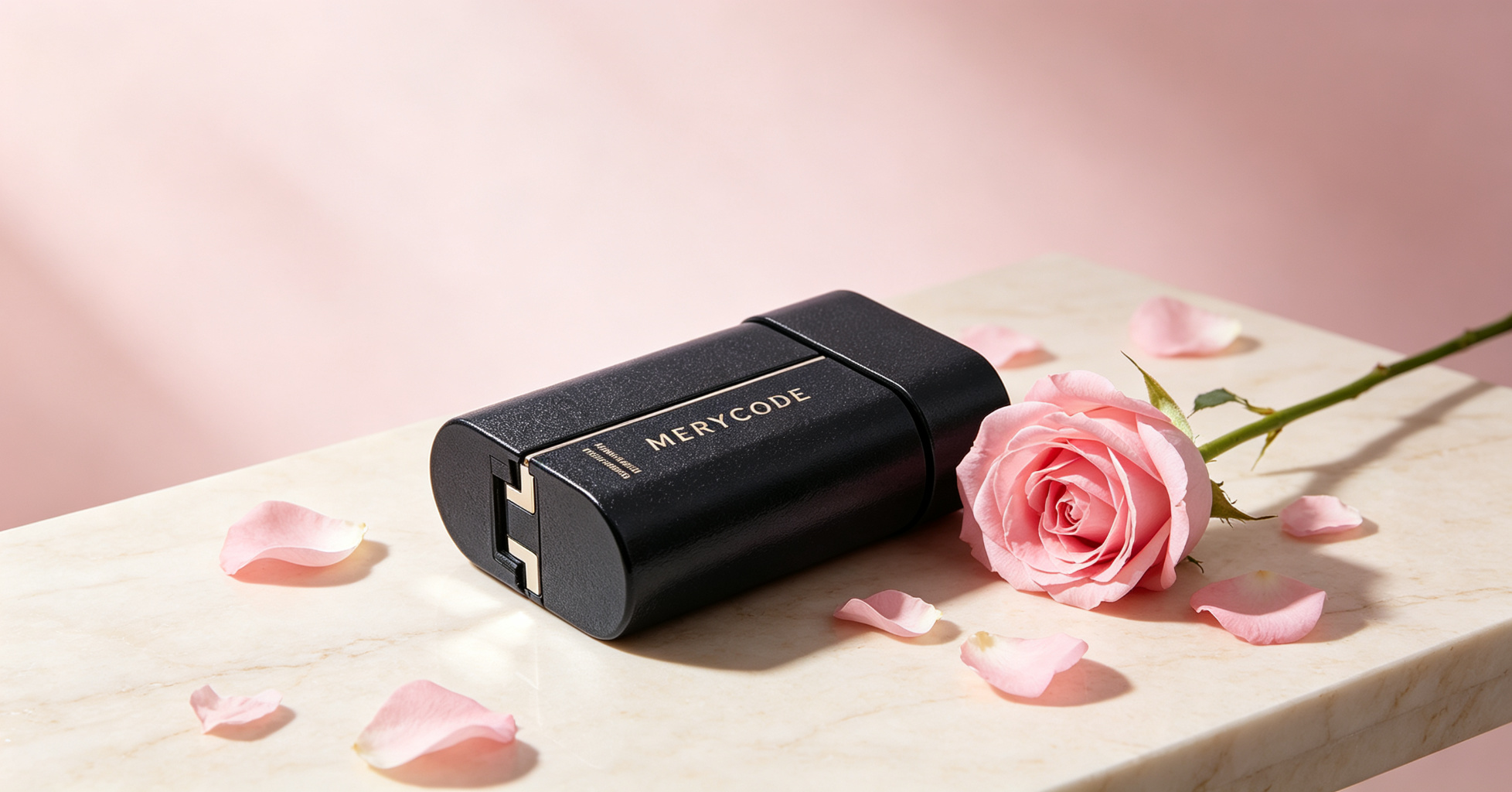
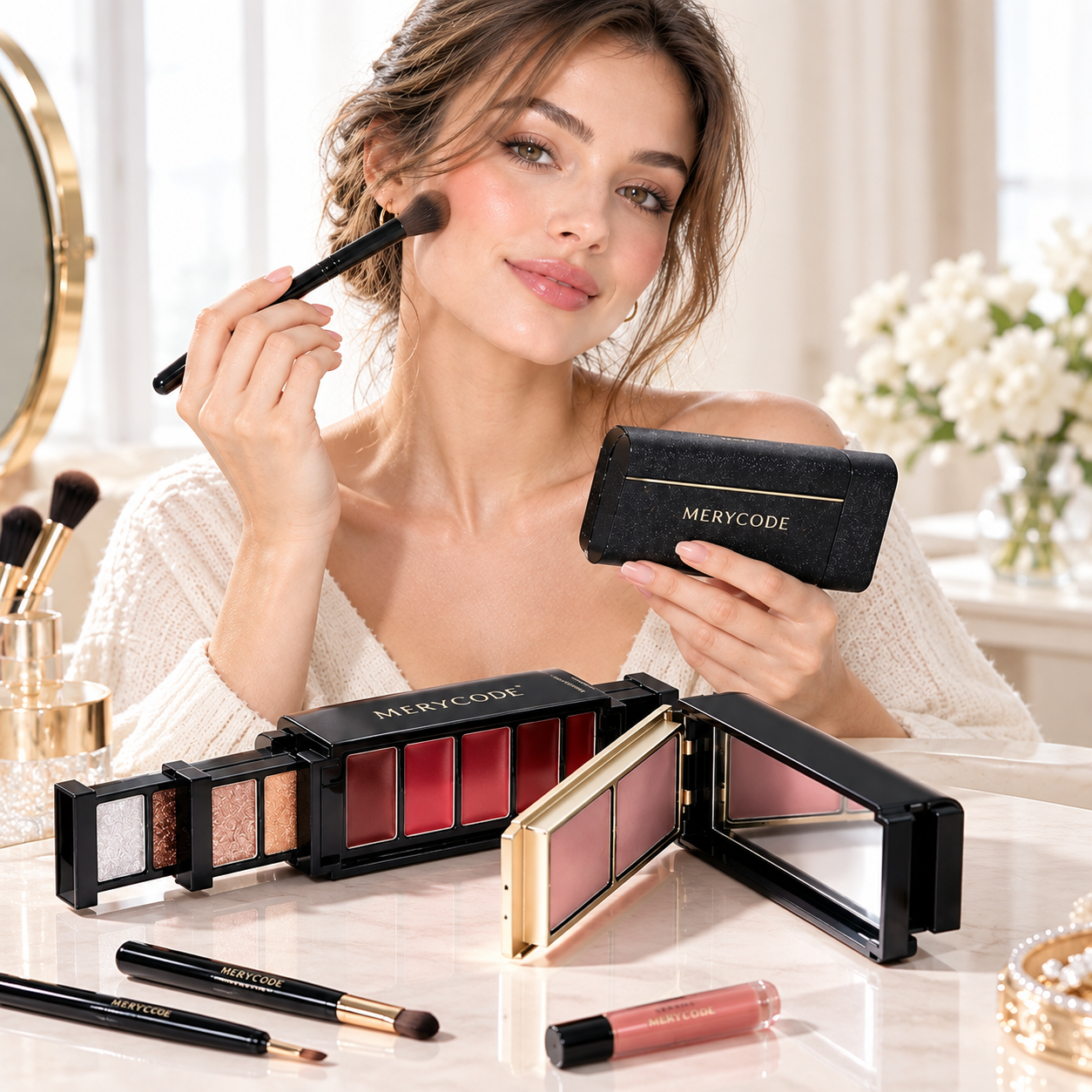
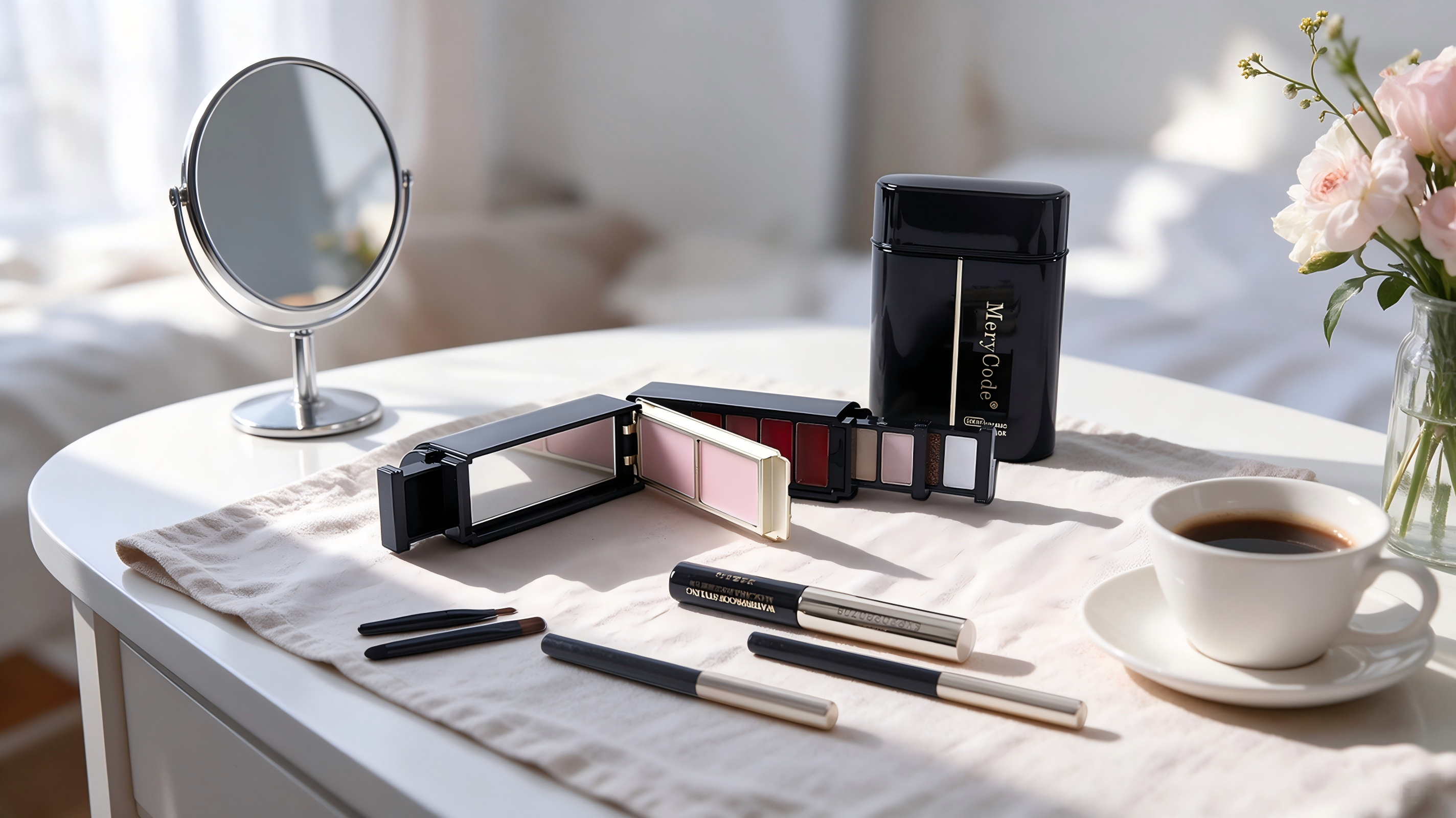
A multifunction makeup case can be useful for keeping makeup products and tools together, especially when you travel or move between different locations.
How to Build Your Makeup Starter Kit Step by Step
You don't have to purchase everything at once.
A simple approach is to build your collection in stages.
Step 1: Choose Your Base
Start with a complexion product that matches the coverage and finish you prefer.
Step 2: Add Blush
Choose one versatile blush shade for everyday use.
Step 3: Add Basic Eye Makeup
A neutral eyeshadow, mascara, and eyeliner can give you several simple options.
Step 4: Choose One or Two Lip Products
Select products that match your everyday style.
Step 5: Add Essential Tools
Finish your starter kit with a few useful brushes and tools.
This approach keeps your makeup collection simple while giving you enough products to create different looks.
How Many Makeup Products Does a Beginner Need?
There is no fixed number of products that every beginner needs.
A small collection can be enough to create a complete everyday makeup look.
For example:
Face: foundation or concealer
Cheeks: blush
Eyes: eyeshadow and mascara
Lips: lip oil or lip color
Tools: basic makeup brushes
As you become more familiar with makeup, you can decide which additional products are actually useful for you.
How to Avoid Overbuying Makeup
One common mistake when building a makeup starter kit is buying too many products too quickly.
Instead of purchasing every product you see, consider:
- How often will you use it?
- Does it work with your current makeup?
- Is it easy to use?
- Can it be used for more than one type of look?
- Does it fit your everyday routine?
A smaller collection of products that you actually use can be more useful than a large collection that stays in your makeup drawer.
Final Thoughts
Creating your first makeup starter kit doesn't need to be complicated.
Start with a few versatile essentials for your face, cheeks, eyes, and lips, then add tools that make your routine easier.
As your makeup skills and preferences develop, you can gradually expand your collection.
The goal isn't to own the most makeup products. It's to build a collection that works for your everyday routine.