Why a mini makeup organizer solves a very ordinary problem
A mini makeup organizer sounds like a small thing until you watch how much time gets lost digging through loose compacts, half-open palettes, and sample packets at a hotel sink or in the corner of a trade-show restroom. For buyers in beauty, packaging, and promotional goods, the appeal is not just neatness. It is product density: how many usable shades or tools can be put into a compact format without turning the case into a clumsy brick. That is the real decision behind a mini makeup organizer, whether it is destined for retail shelves, travel kits, or a makeup artist’s carry-on.
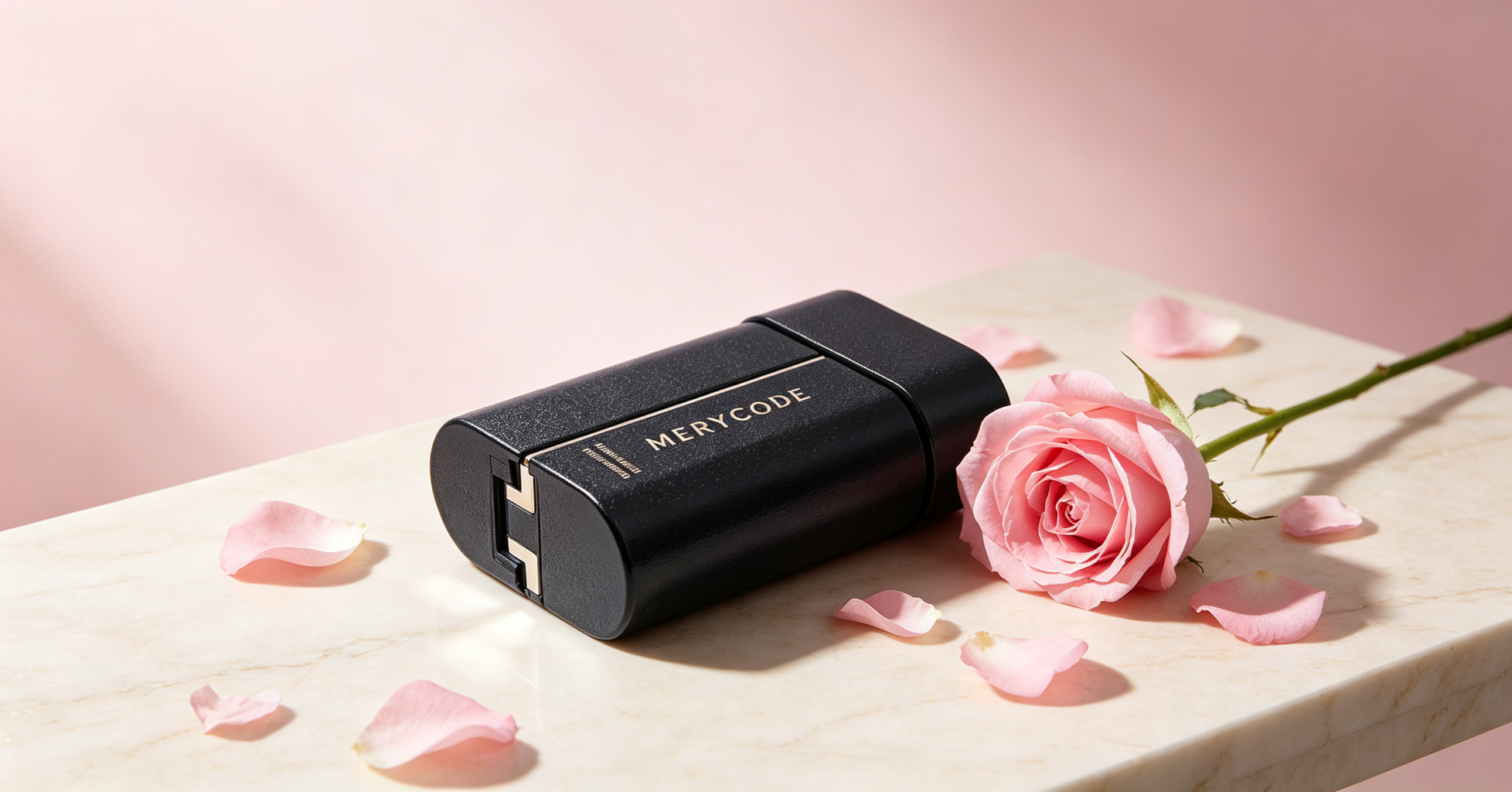
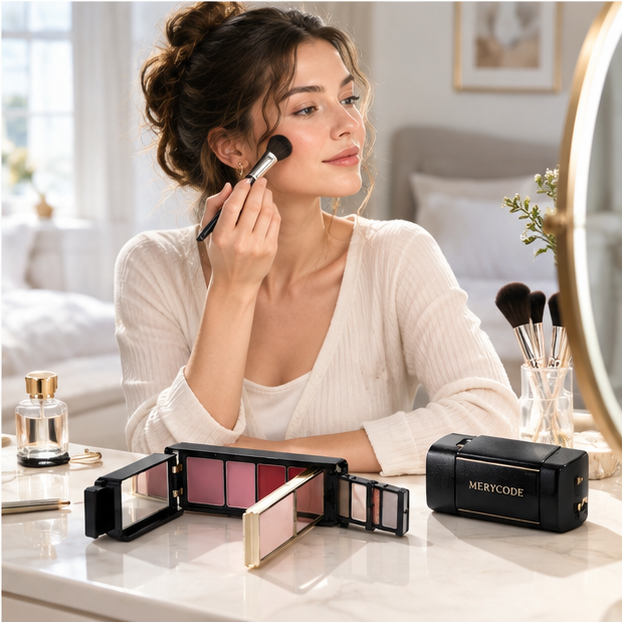
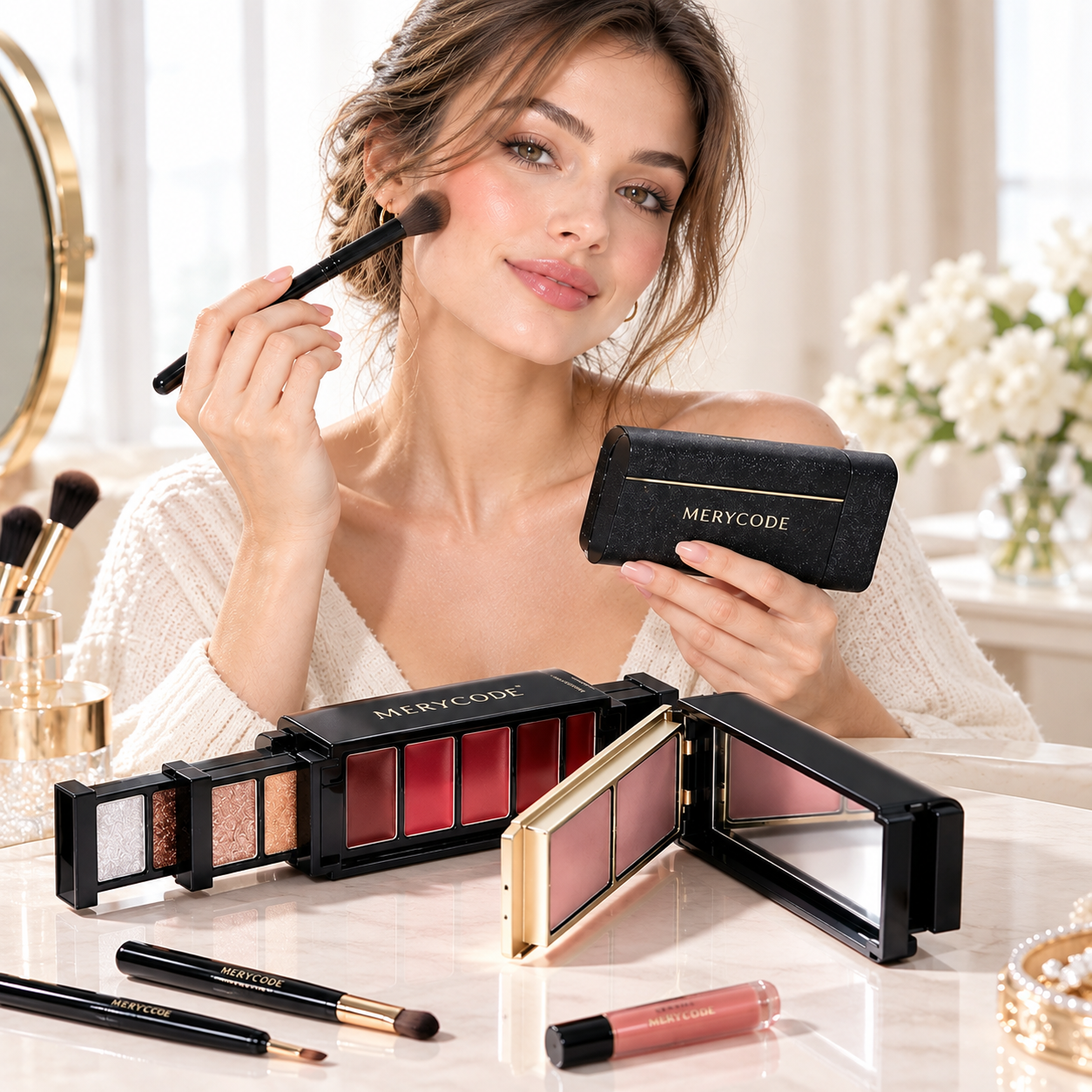
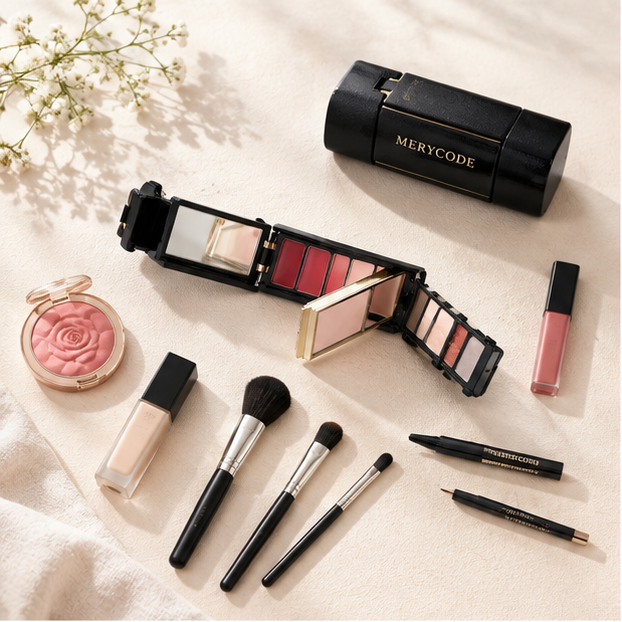
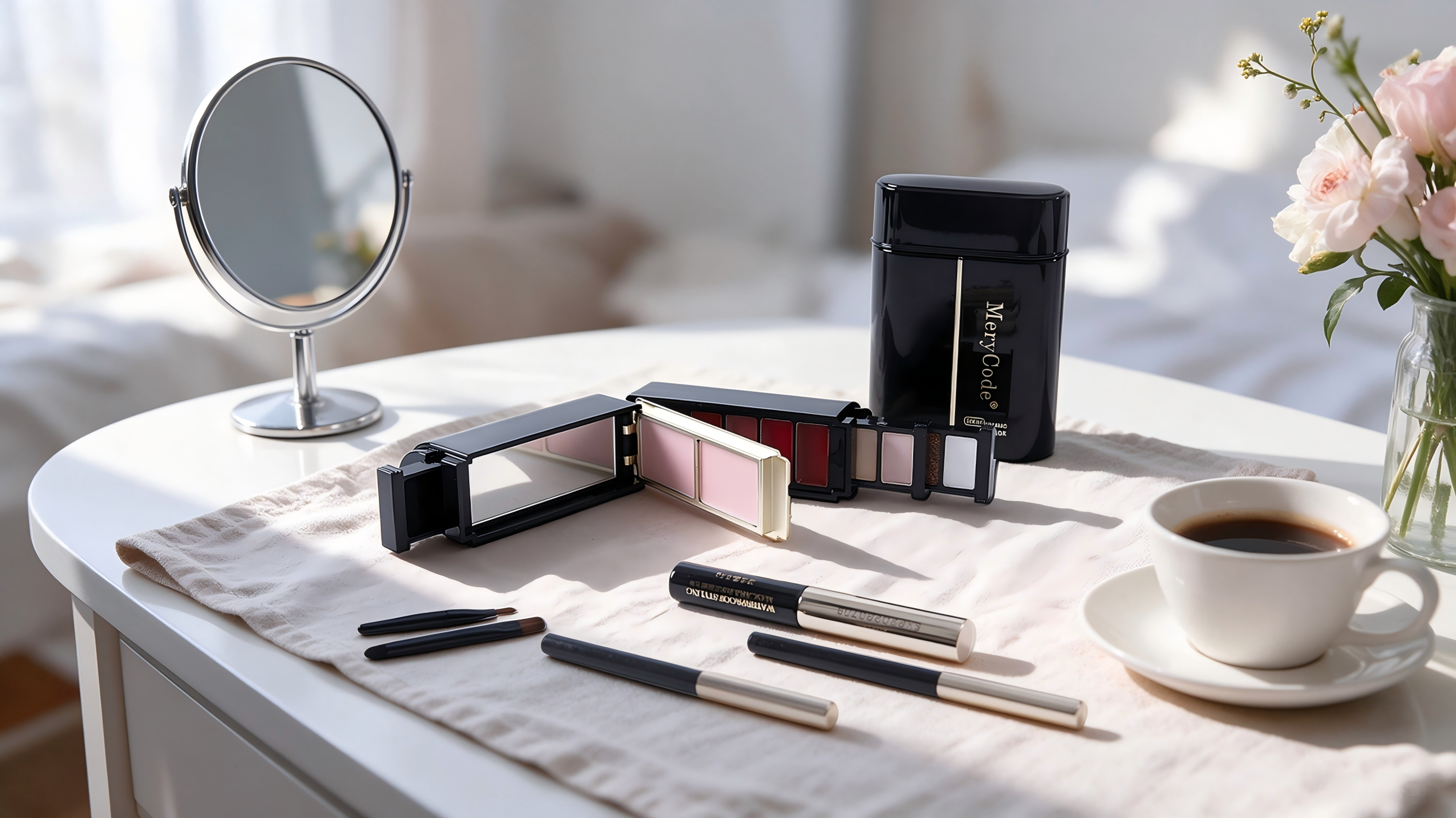
The product described here looks like a compact cosmetics palette with a mirror, a black rectangular outer shell, and a stepped internal layout that slides or folds outward to reveal multiple pans. In practical terms, that means the user can see several shades at once, rather than opening one tray, then another, then another. For touch-up work, that matters. A rushed buyer will usually focus on appearance first, but the working user cares about access, protection, and whether the case stays tidy in a bag.
What the format tells us about use
This kind of case sits somewhere between a simple compact and a small kit. The visible mirror turns it into a self-contained application tool, not just a storage box. The stepped trays suggest layered presentation, which is useful when different colors or finishes need to be separated but still kept in one unit. That makes sense for eye makeup palettes, sample sets, and gift packaging where the presentation needs to feel fuller than the footprint suggests.
The black exterior, with a glossy or satin finish, gives the product a more premium retail look than plain utility packaging. That is common in cosmetic packaging because surface finish does a lot of the selling before the consumer ever swatches a shade. Still, a buyer should be careful not to confuse visual polish with structural quality. A shiny case can look elegant and still be fragile if the hinge, tray alignment, or closure design is weak.
Likely manufacturing route and what to check
Based on the visible structure, this appears to fall into the category of injection-molded cosmetic case assembly with an inserted mirror and pressed pigment pans. That is an informed inference, not a confirmed specification, but it is a useful starting point for sourcing conversations.
For engineers and product teams, the main questions are not aesthetic. They are practical:
- Does the sliding or stacked mechanism travel smoothly without binding?
- Does the mirror sit securely and resist vibration during shipping?
- Are the tray edges aligned enough to avoid powder dusting into the hinge area?
- Will the exterior coating hold up against scuffing in transit and retail handling?
These details sound minor until a retailer receives cartons of products with scratched lids or misaligned trays. Then the packaging stops being a branding asset and starts becoming a claims issue.
Buyer criteria that matter more than the brochure copy
If you are sourcing a mini makeup organizer for retail packaging or a travel set, the first decision is capacity versus portability. A compact that holds many pans is useful only if it still closes cleanly and fits into an actual bag. The second is access. A fold-out or sliding layout is valuable when users need several shades at once, but it also adds moving parts. More moving parts usually mean more chance of wear.
The third criterion is presentation. Cosmetic packaging often has to look giftable even when it is being sold as a functional item. That means the case, the internal tray color, and the mirror placement all influence perceived value. A cream-colored insert against a black shell, for example, can make the contents read more clearly and look more organized.
Common sourcing mistake
The mistake I see most often is buying to the rendered image rather than to the actual handling experience. A palette can look compact on paper and still feel awkward if the trays do not extend far enough, if the pans are too exposed, or if the product needs both hands to operate. For travel use, one-handed convenience is not a luxury.
Where this format fits best
This style of mini makeup organizer works well for limited-edition cosmetics, sample presentations, gifting programs, and makeup artist kits where several shades need to ride together in one case. It is less suited to users who want the simplest possible container, or to products that need rugged, high-impact protection. In other words, it is a presentation-first format with real utility, not a pure utility box.
For brands, that balance can be useful. A product like this lets you show breadth of shade selection while keeping the package small enough for retail display. For sourcing managers, it offers a compact format with enough visual structure to justify a higher-positioned cosmetic line, provided the mechanism is reliable.
Practical next step for buyers
Before placing an order, ask for a physical sample and test the opening sequence, mirror stability, and tray alignment under ordinary handling. If the case is intended for retail or gifting, also check how it looks after being opened and closed several times. Cosmetic packaging has a habit of revealing its weaknesses only after the first few uses, which is usually too late for a launch schedule.
If you are evaluating a mini makeup organizer for a new beauty kit, start with how it will be used, not how it photographs. That one shift usually separates a pretty sample from a product that actually earns repeat business.