Why a moisturizing fruit lip oil for dry chapped lips has become a practical buy, not just a beauty extra
Anyone sourcing lip care for retail shelves, private label programs, or gift sets already knows the pattern: consumers want something that looks like makeup, feels like skincare, and works fast enough to justify carrying in a bag. A moisturizing fruit lip oil for dry chapped lips sits right in that overlap. It is not trying to replace a heavy overnight balm, but it can be the daily-use product that improves how dry lips look and feel between applications.
That distinction matters. Dry lips are one of those problems buyers underestimate until they see return behavior, repeat-purchase rates, and complaints about sticky, waxy textures. A lip oil with a glossy finish and a soft tint can solve a different problem than a classic balm: it gives a smoother, healthier-looking surface while also adding a more cosmetic payoff. For brands, that makes the category easier to position. For consumers, it makes the product easier to remember.
What this type of lip product is really doing
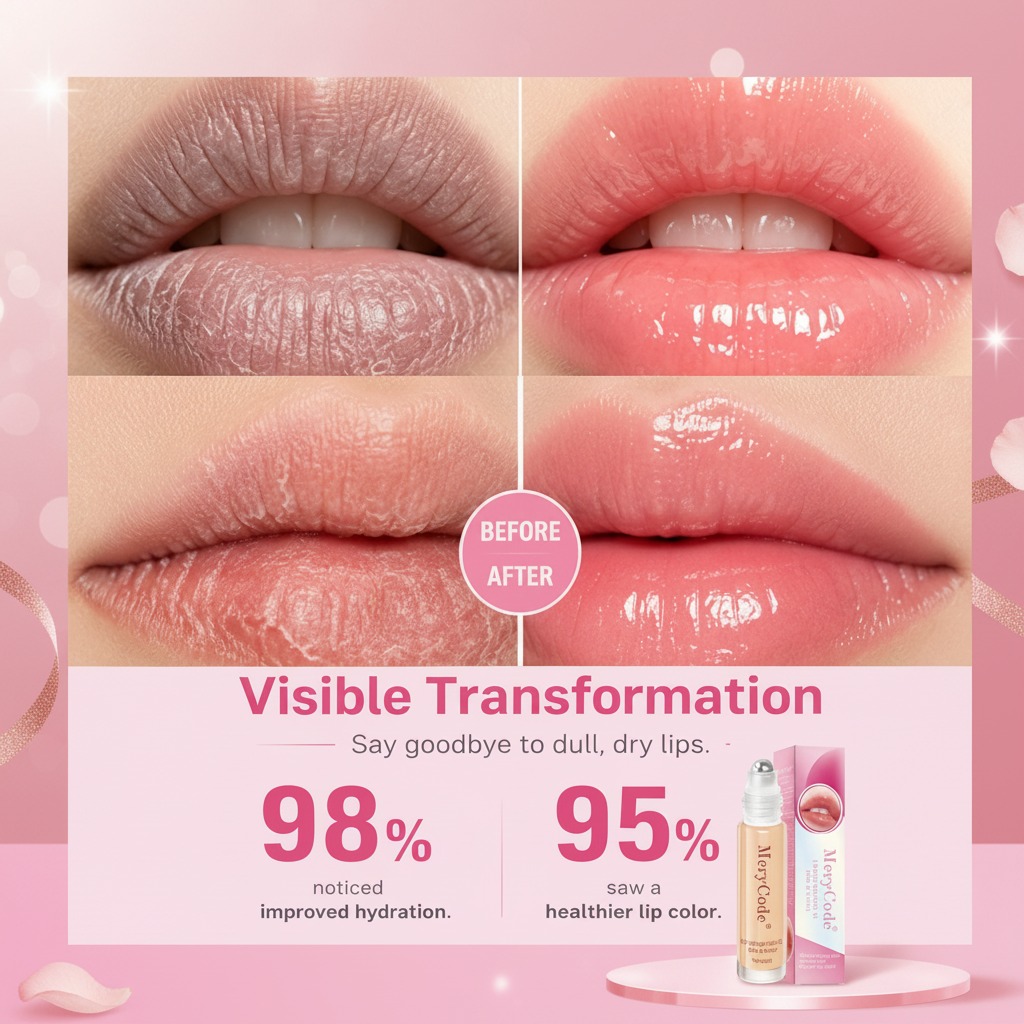
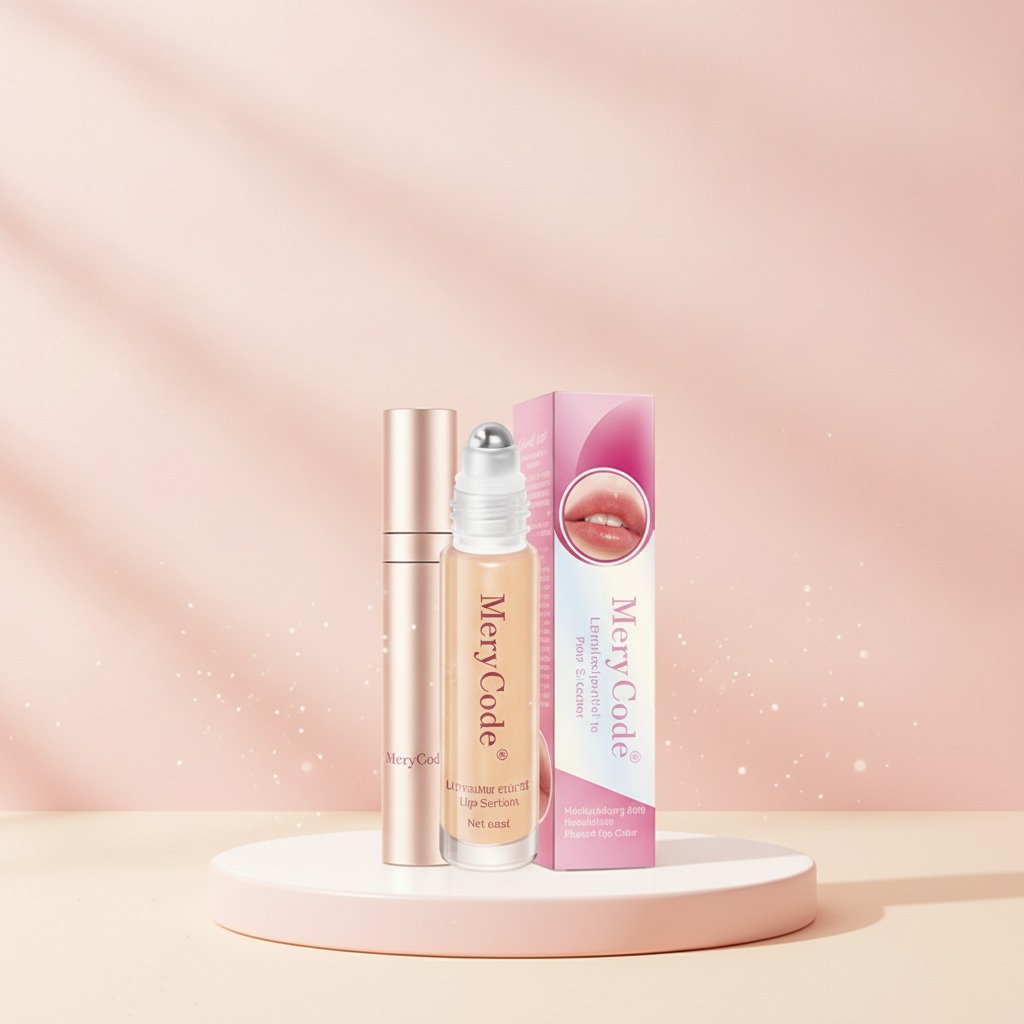
Based on the product details provided, the format is a small cylindrical roll-on style tube with a metal rollerball applicator and a clear or lightly tinted liquid. That packaging signals portability and simple, direct application. The graphic also points to moisturizing, repairing, and nourishing claims, along with a glossy, translucent finish that leaves lips looking pinker and smoother.
That kind of finish is part of the appeal. Dry lips often look dull before they feel painful, and a glossy lip oil can improve appearance immediately while the wearer waits for longer-term comfort. The after-image described in the source suggests a softer visual effect rather than a dramatic color change, which is usually more believable in this category. Buyers should be cautious with before-and-after marketing, though. Those images may be useful for merchandising, but they are not a substitute for ingredient review or user testing.
Quick buyer takeaway: where lip oil fits better than balm or gloss
If you are deciding whether to source this kind of product, the easiest way to think about it is function. Balm leans protective. Gloss leans decorative. Lip oil tries to do both, though usually with a lighter feel than a heavy ointment.
That makes it a strong option when the user wants daily moisture without the thick residue some balms leave behind. It can also work well as a bridge product in cosmetic lines: enough shine to feel fashionable, enough care positioning to feel practical. For retailers, that combination often sells better than a single-purpose item, especially in impulse-friendly packaging.
What the available selling points do and do not tell you
The image claims “98% noticed improved hydration” and “95% saw a healthier lip color.” Those are the sort of numbers that catch attention, but they should be treated as marketing claims unless the testing method is clearly documented. Without details on sample size, duration, or clinical conditions, those percentages should not be used as hard performance evidence.
Still, the claims hint at the user promise the product is built around: visible comfort and visible polish. That is often enough to sell the concept, provided the texture, scent, and applicator feel are aligned with the target audience. In lip care, small sensory issues can sink a product faster than weak claims can save it.
Selection criteria that matter in real merchandising
Texture and finish
For dry chapped lips, texture is not a minor detail. A product that feels overly slippery or tacky may discourage repeat use. A clean, glossy finish with a light hand is usually easier to wear throughout the day.
Packaging and application
The rollerball format suggests controlled application and a more premium, skincare-like presentation. That can be a plus for travel kits, beauty displays, and self-care assortments. The only practical caution is hygiene perception; some buyers prefer doe-foot or squeeze tubes, depending on channel and consumer habits.
Positioning
Because the product appears to combine moisture and visible shine, it can be positioned as a lip oil, a lip serum, or a lip gloss with care benefits. Which label works best depends on your audience. Beauty-first shoppers may respond to gloss language. Care-first shoppers may prefer oil or serum wording.
Common mistakes when evaluating lip care products
One mistake is overreading the before-and-after visuals. Another is assuming that any shiny lip product automatically performs like a treatment. Those are not the same thing. A buyer should ask what the formula is designed to do and what it is only making appear improved.
Another common issue is ignoring the daypart. A product that works well for daytime shine may not satisfy consumers looking for an overnight repair feel. If your assortment already includes balms, this type of lip oil should be judged as a complementary item, not a duplicate.
Practical buying advice for teams building a lip care assortment
If your objective is to expand lip care sales with a product that feels fresh and easy to understand, a moisturizing fruit lip oil for dry chapped lips is worth serious consideration. It offers a straightforward consumer benefit, a giftable presentation, and a strong visual story for retail pages or shelf displays.
Before committing, request the full ingredient list, safety documentation, and any substantiation behind the hydration claims. Confirm the intended use, whether it is strictly cosmetic or marketed with more treatment-like language. And if you are comparing formats, test how the rollerball feels in hand; that little detail affects user satisfaction more than many teams expect.
What buyers should ask before placing an order
Does the formula emphasize shine, comfort, or both? Is the tint barely there, or visibly colored? Is the package meant for mass retail, boutique beauty, or promotional sets? These questions sound basic, but they separate products that merely look attractive from products that can actually earn a place in a catalog.
For brands and sourcing managers, the right move is usually to evaluate this category on usability first, then on claims, then on aesthetics. In lip care, that order tends to save time.
Next step
If you are considering adding this type of product to your line, use the supplied visuals and claims as a starting point, not the final word. Ask for complete specifications, test data, and packaging details, then decide whether the product fits your audience as a daily moisturizer, a cosmetic gloss-oil hybrid, or a retail-ready self-care item.