Where Should You Apply Blush?
Choosing the right blush shade is only part of creating a beautiful makeup look. Where you apply blush can also change the overall appearance of your makeup.
Whether you prefer a soft everyday look or a more lifted makeup style, understanding basic blush placement can help you apply your blush more naturally.
For beginners, the key is simple: start with a small amount of product, place it in the right area, and blend the color gently.
Where Is the Best Place to Apply Blush?
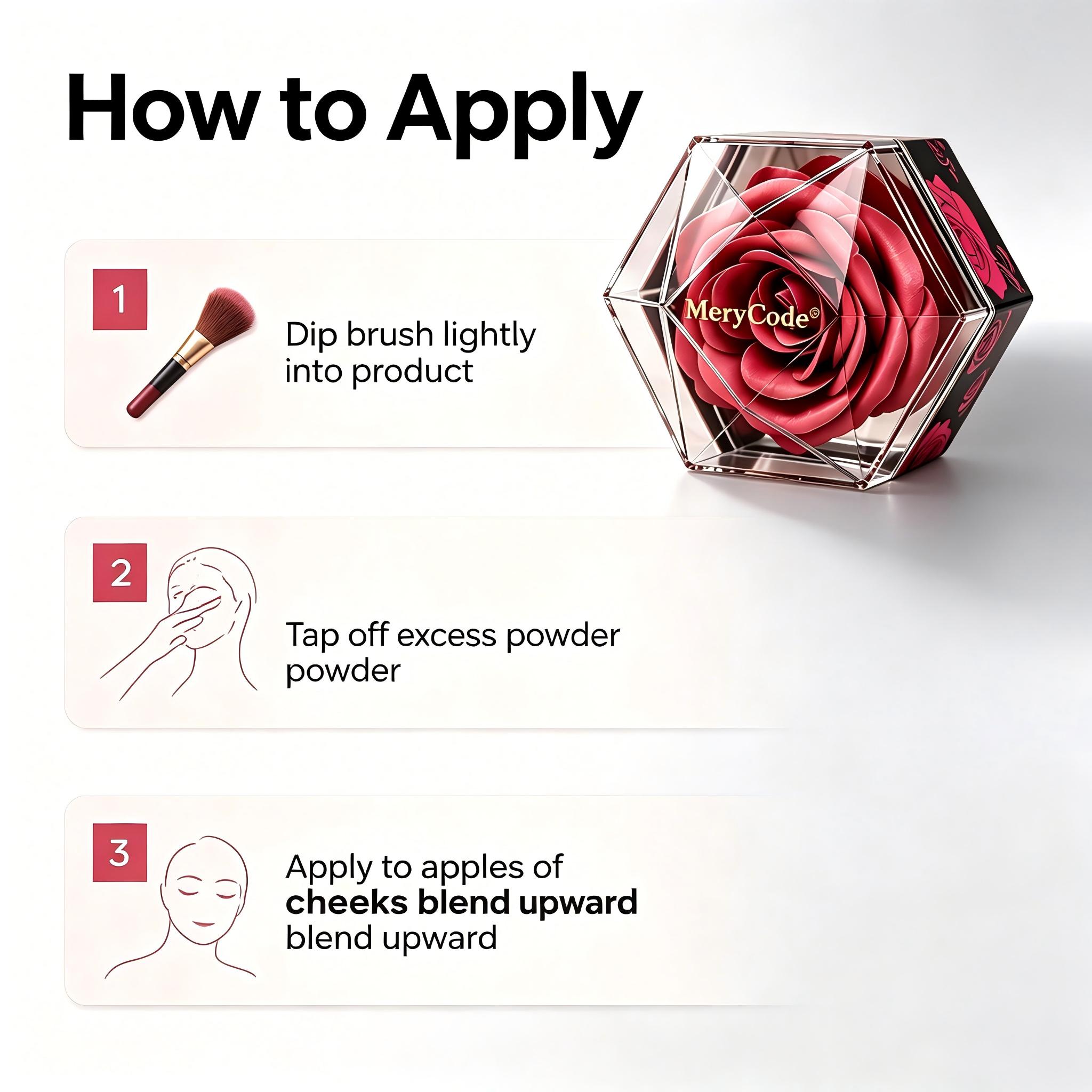
For a natural everyday makeup look, start by applying blush to the upper area of your cheeks.
You can find the cheeks by smiling naturally and locating the fullest part of your cheek. From there, apply a small amount of blush and blend it outward toward the temples.
This creates a soft transition and helps the blush look more natural.
If you prefer a fresh and youthful-looking style, you can keep the color slightly closer to the center of the cheeks.
For a more lifted-looking makeup style, place the blush a little higher and blend outward.
How to Apply Blush for a Natural Look
If you are new to blush, try these simple steps:
- Start with a small amount of blush.
- Apply it to the upper cheek area.
- Blend gently outward.
- Keep the edges soft.
- Add more color gradually if needed.
Using a small amount first makes it easier to control the intensity and create a natural finish.
This technique works especially well for everyday makeup when you want your blush to complement rather than overpower the rest of your look.
Blush Placement for Different Face Shapes
Your face shape can also help you decide where to place your blush.
Round Face
For a rounder face shape, try applying blush slightly higher on the cheeks and blending outward.
This can create a more lifted-looking effect while keeping the makeup soft.
Oval Face
Oval face shapes can work with many different blush placements.
Try applying blush to the upper cheeks and blending toward the temples for a balanced everyday look.
Square Face
For a more angular face shape, softer and rounded blush placement can help create a balanced appearance.
Apply the color to the cheeks and blend the edges gently.
Heart-Shaped Face
For a heart-shaped face, try focusing the blush around the upper cheeks and blending outward.
Keeping the color soft can help create a balanced overall makeup look.
Long Face
If your face appears longer, applying blush slightly more horizontally across the cheeks can help create a balanced appearance.
The goal is to keep the blush soft and naturally blended.
How Much Blush Should You Apply?
When it comes to blush, less is often easier to work with.
Start with a small amount and build the color gradually. This gives you more control and helps prevent the blush from looking too strong.
If you are using powder blush, tap off any excess product from your brush before applying it to your cheeks.
You can always add another layer, but removing too much blush can be more difficult.
Blush Placement and Blush Shade Work Together
The right placement is only one part of your makeup routine.
Your blush shade also affects the final result.
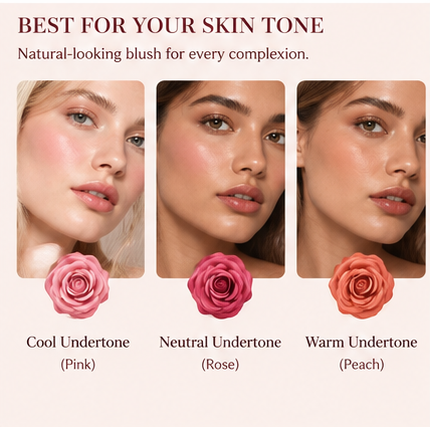
Soft pink and rose shades can create a fresh everyday appearance, while peach, coral, and berry tones can create different moods depending on your skin tone and overall makeup.
If you are still deciding which color to choose, check our guide on how to choose the right blush shade for your skin tone.
Final Thoughts
There is no single correct way to apply blush.
The best placement depends on your face shape, makeup style, and the look you want to create.
For beginners, a simple starting point is to apply a small amount of blush to the upper cheeks and blend it outward. Once you become more comfortable, you can experiment with different placements and intensities.
And remember, choosing the right blush shade and knowing where to apply it work together to create a natural, fresh makeup look.