Why a mini cosmetic box still matters in modern beauty packaging
A mini cosmetic box may look like a simple retail item at first glance, but for beauty brands, contract packers, and sourcing teams it solves a surprisingly practical problem: how to package several useful shades, tools, and a mirror into one compact unit that people will actually carry and use. In a market crowded with oversized palettes and disposable-looking pouches, compact formats continue to matter because they reduce clutter, travel well, and give the buyer an easier decision at shelf level.
For engineers and product teams, the real question is not whether a compact palette is attractive. It is whether the structure, filling method, hinge behavior, mirror placement, and internal layout support consistent assembly and a good user experience. That is where the mini cosmetic box earns its keep.
What the visible product format suggests
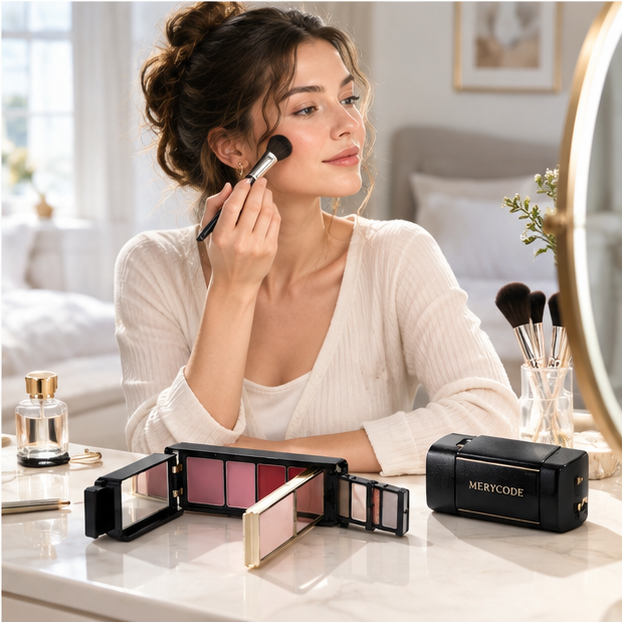
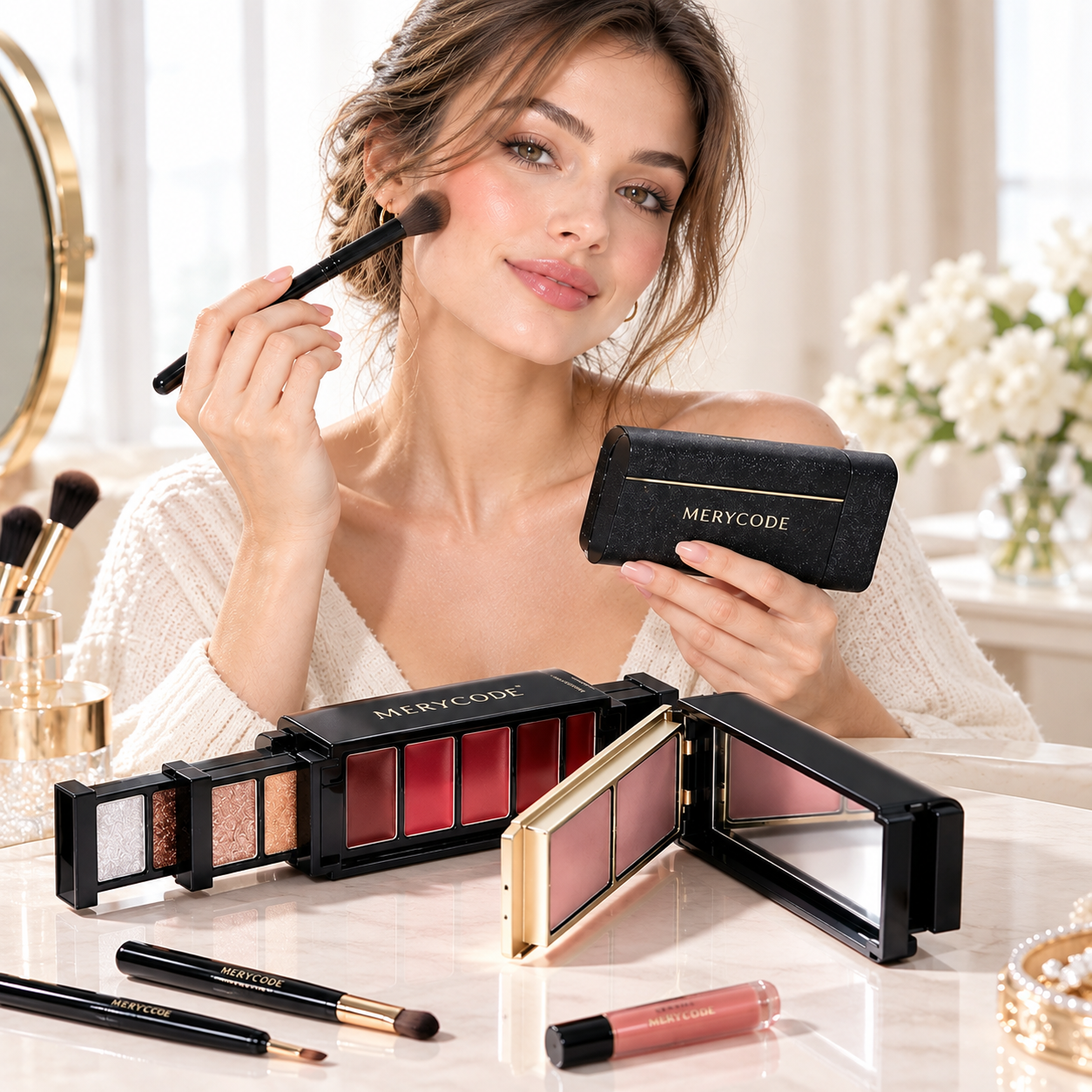
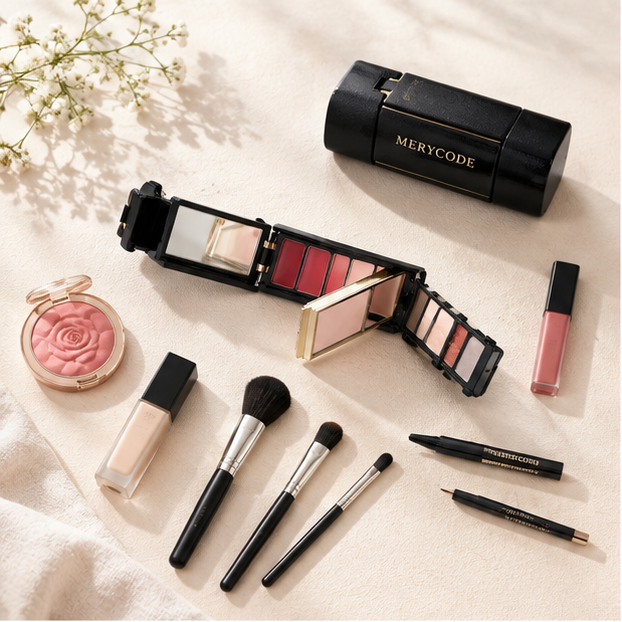
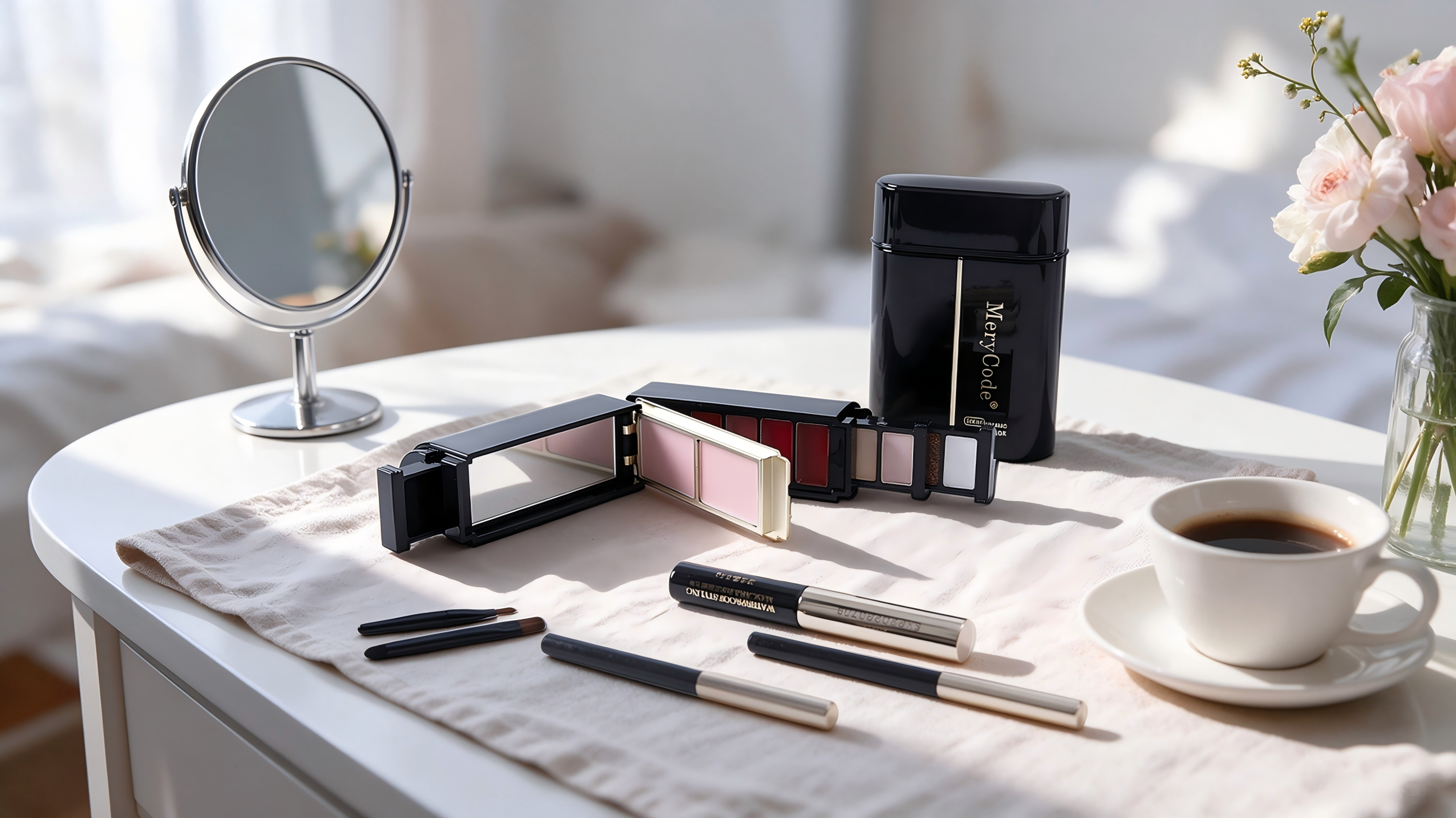
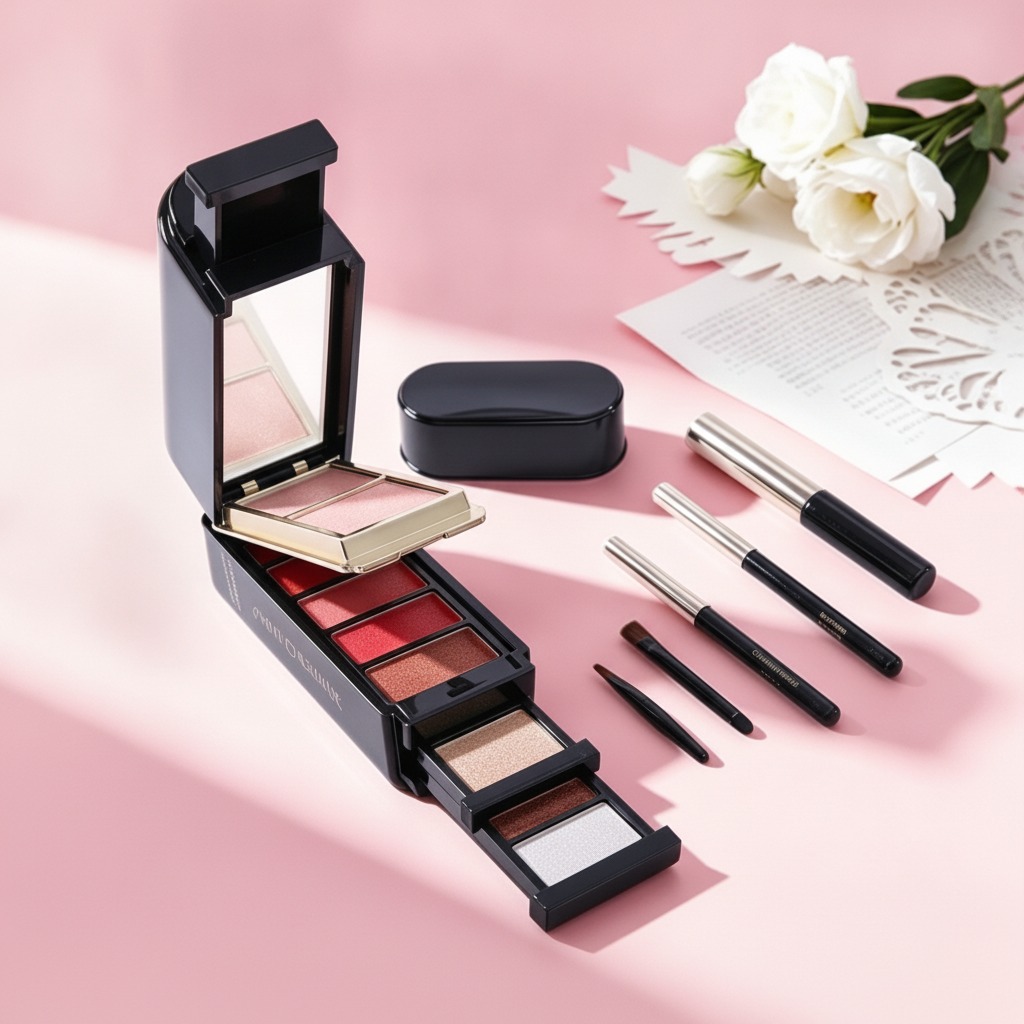
Based on the supplied product information, the item appears to be a fold-out makeup palette with a glossy black outer case, hinged sections, and a mirror set into the lid. Inside are several small rectangular pans in different colors, including pink, red, copper, gold, beige, and white tones. The set also appears to include small brushes or applicators with black handles and silver-toned ferrules, plus slim wand-like applicators.
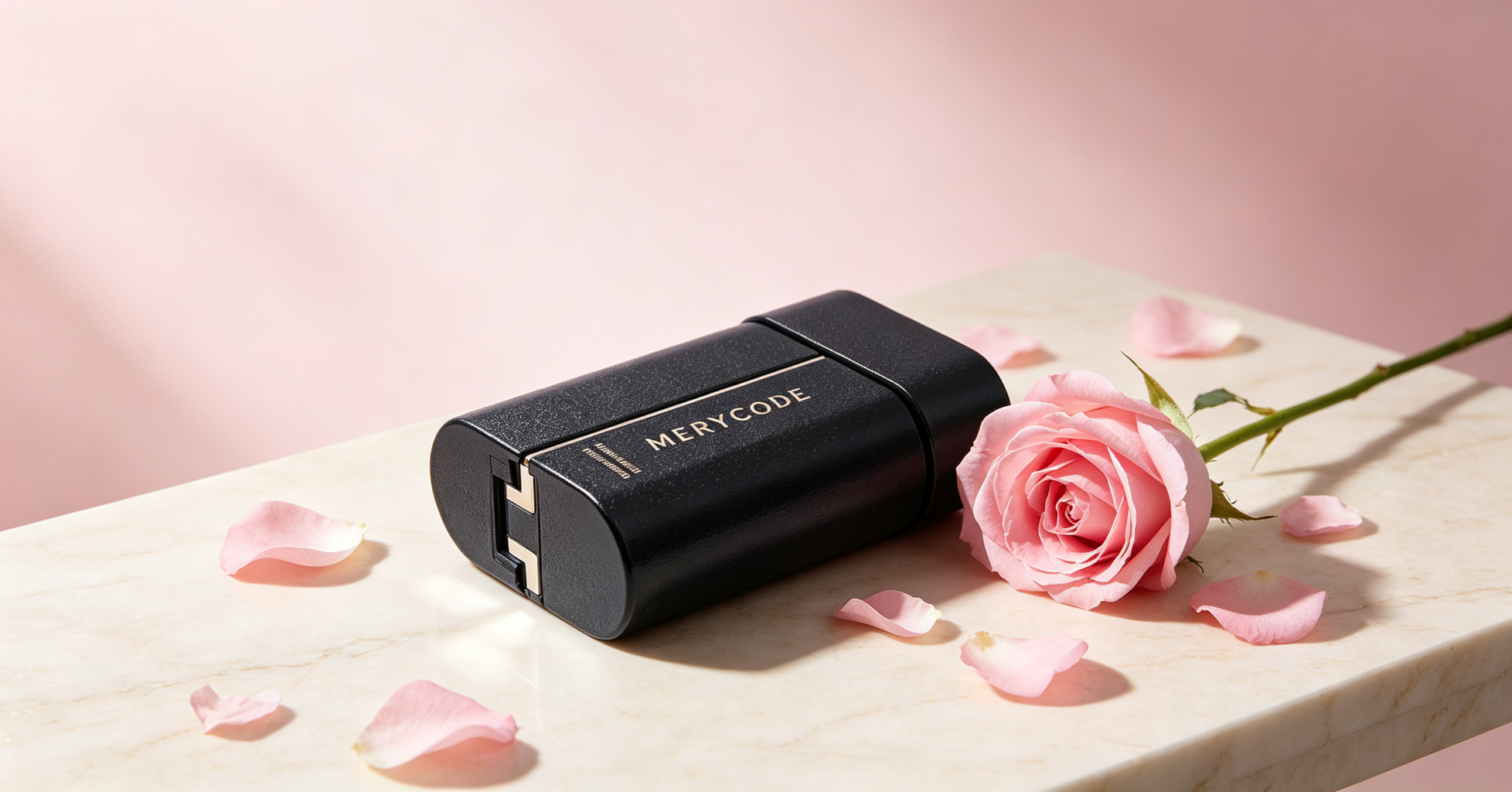
That combination points to a retail beauty product designed for more than one use case. It could support eye looks, highlight, lip color, or general multi-shade makeup application. In practical terms, it is the kind of package that can sit on a vanity at home and still fit into a bag. The separate rounded black compact shown in the supplied data may be a matching accessory case or another item in the same product family, though that cannot be confirmed from the information provided.
Why compact vanity storage keeps winning shelf space
The market logic behind compact vanity storage is straightforward. Consumers like products that feel organized and complete. Brands like formats that present well in photos, open neatly in hand, and carry enough visual variety to justify the purchase. Retailers like SKUs that look giftable without extra packaging work.
A compact format also creates a stronger perceived value per unit of space. Multiple color pans, a mirror, and applicators can be presented in one closed volume instead of several separate items. For travel, that matters even more. Buyers are often looking for a product that reduces the number of things they need to pack, not adds to them.
Assembly and packaging considerations buyers should not overlook
The visible design suggests a molded plastic outer case with inserted pans and a reflective mirror. If a manufacturer is assembling this type of product, a few details deserve attention early in the project.
Pan retention and opening force
Small pans need to stay seated through handling, shipping, and repeated opening. If the fit is too loose, powders can shift or crack. If the lid opens too stiffly, the product becomes annoying in use. Neither issue is exotic, but both can cause returns or complaints.
Brush storage and arrangement
Included applicators can make the package feel complete, but they also add complexity. They need a place to sit that does not crush bristles or rub pigment onto the mirror. Even a neat-looking layout can become awkward if the tools rattle around inside the case.
Mirror quality and placement
A mirror is one of those features that buyers notice immediately when they open the box. If it is badly positioned, it interrupts the layout. If it is too small, users may still rely on their phone camera, which defeats part of the convenience story.
What sourcing teams should compare across suppliers
When evaluating a mini cosmetic box or similar palette format, sourcing managers should compare more than shade count. The useful comparison points tend to be the case structure, hinge feel, surface finish, interior tray design, and the way the applicators are retained.
For beauty packaging programs, it is also worth clarifying whether the supplier is providing only the outer package or a fuller assembly service that includes pan filling and final pack-out. Those are very different scopes. A supplier can make a tidy case and still not be the best fit for color filling, while another may handle cosmetic assembly well but offer a less refined exterior finish.
A cautious buyer will also ask for sample units under real handling conditions. That may sound obvious, but compact cosmetic products often look fine in a still photo and reveal their weaknesses only after repeated opening, transport, or a few days in a handbag.
Common mistakes in compact cosmetic packaging
One common mistake is trying to pack too much into too little space. If the pans are crowded, the product can feel busy rather than premium. Another is choosing a glossy black shell that shows fingerprints immediately; it may look sharp in a studio image, but it also picks up wear quickly.
A second mistake is treating the included tools as an afterthought. Applicators are part of the user experience. If they are awkwardly placed or flimsy, the whole set feels less credible.
Buyer-facing questions worth asking before you commit
Before you place an order, ask a few practical questions: How will the pans be secured? Is the mirror fixed to resist movement? Are the applicators part of the assembly plan or sourced separately? Can the outer case survive ordinary travel use without the hinge loosening early?
Those are not glamorous questions, but they are the ones that save time later.
FAQ on mini cosmetic box formats
Is a mini cosmetic box only for personal use?
No. It can work for personal use, makeup artists, gift sets, and travel-oriented retail products.
Does this format suit multiple product types?
Yes, as long as the internal structure matches the product. Multi-pan color cosmetics, for example, are a natural fit for this kind of compact case.
What makes the format commercially useful?
It combines portability, presentation, and convenience in one unit, which is exactly what many beauty buyers want.
What to do next
If you are developing or sourcing a mini cosmetic box, start by defining the job it must do: show multiple shades clearly, protect the contents, store the tools neatly, and open reliably for repeated use. Once those basics are locked down, the cosmetic details become much easier to judge. That is usually where a good compact turns into a product people keep using, not just buying once.