What buyers really mean by TSA approved skincare
TSA approved skincare is less a product category than a packing problem. Buyers, brand teams, and frequent travelers usually mean creams, serums, cleansers, and similar personal care items that fit the carry-on liquid rules and survive airport security without a mess or a delay. The issue matters because a good travel-size format can decide whether a set gets used, repurchased, or left in a drawer after one trip.
For manufacturers and sourcing managers, the topic goes beyond compliance. A travel-ready skincare item has to meet size expectations, package cleanly, dispense predictably, and look credible on a retail shelf. That combination sounds simple until you try to build it into a pouch, a gift set, or a promotional kit that will be handled in real life. The wrong cap, the wrong hinge, or an overfilled container can turn a neat package into a leak risk.
The practical rule behind carry-on packaging
Airport screening rules are usually the starting point. In the United States, the familiar benchmark is the 3.4-ounce, or 100-milliliter, limit for liquids, gels, aerosols, creams, and pastes in carry-on bags. That means the container size and the visible fill level both matter. A jar that looks small but exceeds the volume limit is still a problem. A properly sized bottle that leaks in a pouch is also a problem, even if it technically clears security.
That is why so many brands now design travel collections with compact jars, small tubes, flip-top bottles, and nested kits. For buyers, the question is not only “Will it pass?” but “Will it stay sealed, and will the consumer actually use it?” A travel item that is awkward to open or hard to dispense can lose its value very quickly.
Packaging lessons from other compact consumer products
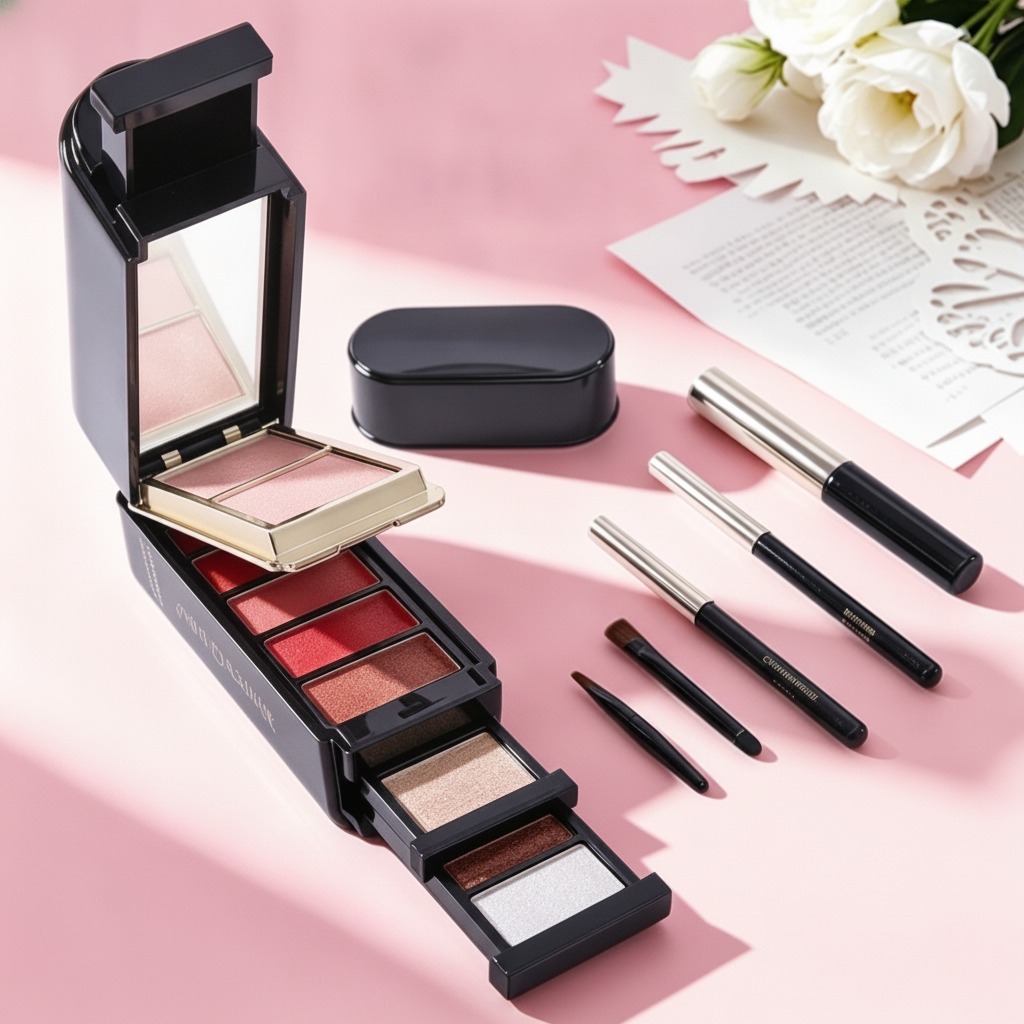
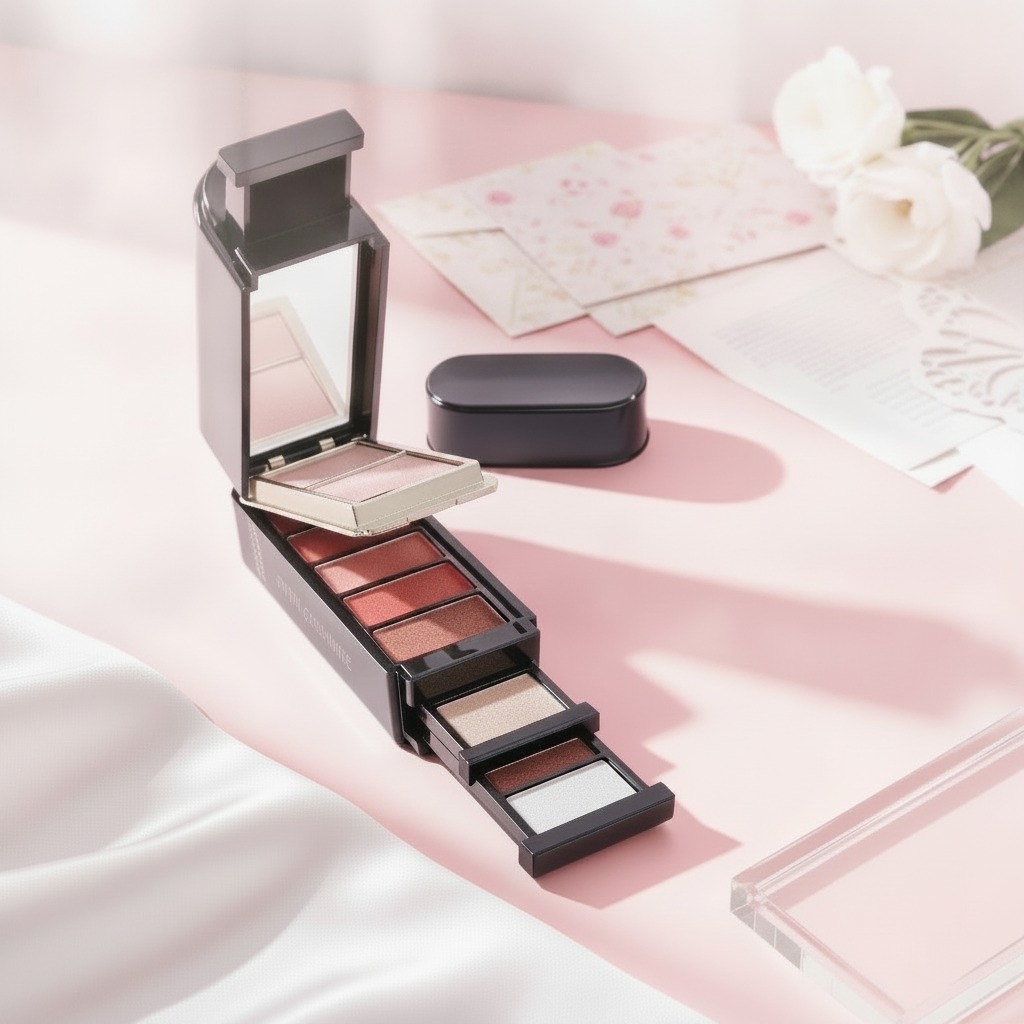
There is a useful parallel in cosmetic packaging, especially the palette-style sets shown in many merchandising displays. Compact hinged cases, mirror panels, hard plastic shells, and neatly arranged pans are all about controlling product, protecting surfaces, and making the item easy to carry. The same packaging logic applies to travel skincare, even though the formulas are different.
For example, a facial cream sold in a rigid mini jar needs a secure closure and enough structural strength to resist crushing in a suitcase. A cleanser or serum often benefits from a bottle design that meters product cleanly and keeps the neck from clogging. In both skincare and makeup, the package is not an afterthought; it is part of the product experience.
Choosing the right travel format
Jars and creams
Small jars work well for balms, sleeping masks, and richer moisturizers. They are easy to fill and easy to merchandise in sets. The tradeoff is contamination risk, since consumers dip fingers into the product. A wider opening may be convenient but can also make leakage more likely if the seal is weak.
Tubes and gels
Tubes are often a safer choice for cleansers and lighter creams. They control dosage and tend to travel well. If a product is viscous or has suspended particles, though, buyers should check how it behaves in cold cabins and warm luggage. Formulas can shift more than people expect.
Mini bottles and droppers
These suit serums and thin lotions. They look tidy, which helps retail appeal, but the dispensing system needs careful attention. Droppers can be elegant; they can also be slow and messy if the closure is not tuned properly.
Common mistakes buyers keep making
The most common mistake is treating size compliance as the only criterion. It is not. Packaging finish, closure quality, and fill consistency matter just as much. Another frequent issue is overpacking promotional sets with too many small items. That can make the kit look generous on paper but fragile in the field.
There is also a habit of choosing the most attractive container instead of the most practical one. Glossy surfaces, custom caps, and decorative components can add shelf appeal, but they should not interfere with sealing or labeling. In travel products, the consumer forgives plainness more easily than leakage.
Buyer questions worth asking before sampling
Before approving a TSA approved skincare concept, sourcing teams should ask how the package closes, how it is filled, and how it will be labeled. If the product is sold in a set, confirm whether each piece is meant to travel alone or stay bundled together. That detail affects carton design, retail presentation, and end-user behavior.
It also helps to think about use case. A hotel amenity kit has different needs from a premium travel regimen. A makeup artist’s bag, for instance, may prioritize quick identification and durable closure, while a consumer gift set may lean harder on appearance. The best format depends on where the product lives after purchase.
FAQ for sourcing and product teams
Does every travel-size skincare item qualify automatically?
No. The container volume, product type, and closure performance all matter. A poorly sealed mini can still fail the basic practical test, even if it is small enough.
Are solid products easier to travel with?
Usually, yes. Solid balms, sticks, and powders avoid many liquid restrictions. But they still need packaging that protects the surface and resists cracking or contamination.
What should be tested first?
Start with closure integrity, leak resistance, and fill consistency. After that, look at labeling clarity and how easily the consumer can use the item on the go.
A sensible next step
If you are building or sourcing TSA approved skincare, treat the package as part of the formula strategy, not just the outer shell. Ask for samples, check the closure under real handling conditions, and compare formats before locking in a set. That small bit of discipline usually saves far more than it costs.