How to Choose the Right Blush Shade for Your Skin Tone
Choosing the right blush shade can make your makeup look more natural, balanced, and polished.
With so many blush colors available, it can be difficult to know which one will work best for you. Soft pink, peach, rose, coral, and deeper shades can all create different effects.
The good news is that choosing blush does not have to be complicated.
In this guide, we will explain how to choose a blush shade based on your skin tone, undertone, and preferred makeup style.
Why Does Blush Shade Matter?
Blush adds warmth and color to your complexion.
The right shade can complement your natural coloring and help bring your entire makeup look together.
On the other hand, a shade that is too intense or does not complement your complexion may look less natural.
This does not mean you need to follow strict makeup rules.
Your personal style matters too.
The best blush shade is ultimately the one that makes you feel comfortable and confident.
How to Understand Your Skin Tone
Before choosing a blush, it can help to understand your general skin tone.
Skin tone is usually described as:
- Fair
- Light
- Medium
- Tan
- Deep
Your skin tone describes the overall depth of your complexion.
However, your undertone can also influence how certain blush shades look on your skin.
What Is a Skin Undertone?
Your undertone is the subtle color underneath the surface of your skin.
The most common undertones are:
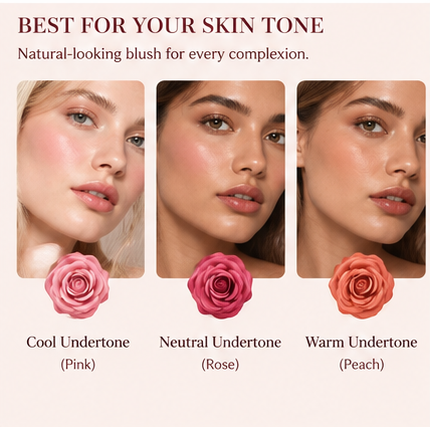
Cool Undertones
Cool undertones often have pink, red, or bluish qualities.
Soft pink, rosy, berry, and cool mauve blush shades can complement these undertones beautifully.
Warm Undertones
Warm undertones often have golden, yellow, or peachy qualities.
Peach, coral, warm rose, and apricot blush shades can work especially well with warm undertones.
Neutral Undertones
Neutral undertones have a balance of warm and cool characteristics.
This gives you more flexibility when choosing blush.
You can experiment with pink, peach, rose, and neutral shades to find what works best for your makeup style.
Best Blush Shades for Fair Skin
If you have fair skin, softer blush shades can create a natural-looking flush.
Consider shades such as:
- Soft pink
- Light rose
- Peach
- Pale coral
- Soft mauve
When using a highly pigmented blush, start with a small amount and build gradually.
This helps you maintain better control over the intensity.
Best Blush Shades for Light to Medium Skin
Light to medium skin tones can work well with a wide range of blush shades.
Some options include:
- Rose
- Peach
- Coral
- Warm pink
- Mauve
For an everyday makeup look, medium-intensity shades can add warmth without overpowering the rest of your makeup.
Best Blush Shades for Medium to Tan Skin
Medium and tan skin tones can often carry richer blush shades beautifully.
You may want to experiment with:
- Warm rose
- Terracotta
- Coral
- Peach
- Berry
- Rich pink
A slightly deeper blush shade can help create more visible color while still looking balanced.
Best Blush Shades for Deep Skin
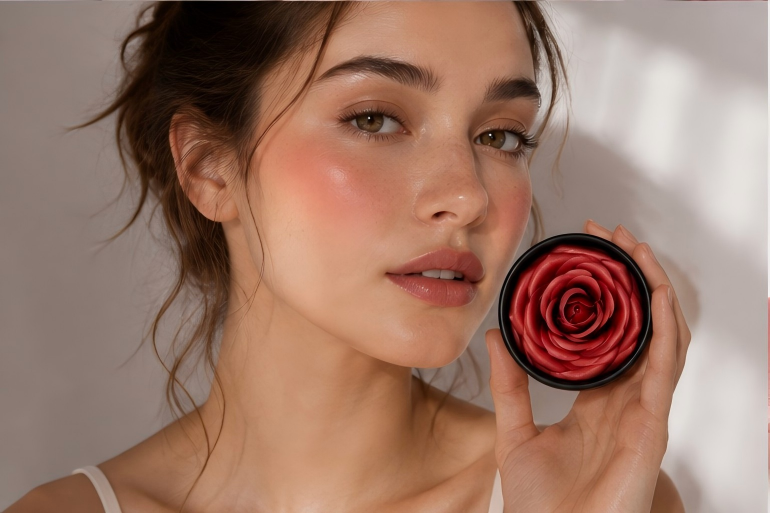
Deeper skin tones can work beautifully with richer and more saturated blush shades.
Consider:
- Berry
- Deep rose
- Plum
- Brick
- Rich coral
- Warm red
The key is choosing a shade with enough depth and intensity to complement your complexion.
How to Choose Blush Based on Your Undertone
Your undertone can be a useful starting point when selecting blush.
Cool Undertone
Try:
Pink → Rose → Berry → Mauve
These shades can complement cooler undertones and create a soft, harmonious appearance.
Warm Undertone
Try:
Peach → Coral → Apricot → Warm Rose
These shades can enhance warmth and create a fresh-looking complexion.
Neutral Undertone
Try:
Pink → Peach → Rose → Mauve
Neutral undertones give you more freedom to experiment with different colors.
What Is the Best Blush Shade for Everyday Makeup?
For everyday makeup, many people prefer shades that are easy to blend and coordinate with their other makeup products.
Soft rose, natural pink, peach, and muted coral can all work well for an everyday look.
However, there is no single "best" blush shade for everyone.
Consider your:
- Skin tone
- Undertone
- Lip color
- Eye makeup
- Clothing
- Personal style
Your blush should complement the overall look rather than compete with it.
How to Choose a Natural Blush
If you want a natural-looking blush, try choosing a shade that looks similar to the natural flush you get after light exercise or spending time outdoors.
You can also start with a small amount and gradually build the color.
A well-blended blush usually looks softer than a heavy application.
Should Your Blush Match Your Lip Color?
Your blush does not need to exactly match your lipstick or lip liner.
However, coordinating the general color family can help create a more cohesive makeup look.
For example:
Pink lips + soft pink blush
Peach lips + peach blush
Rose lips + rose blush
You can also intentionally mix different tones for a more creative makeup style.
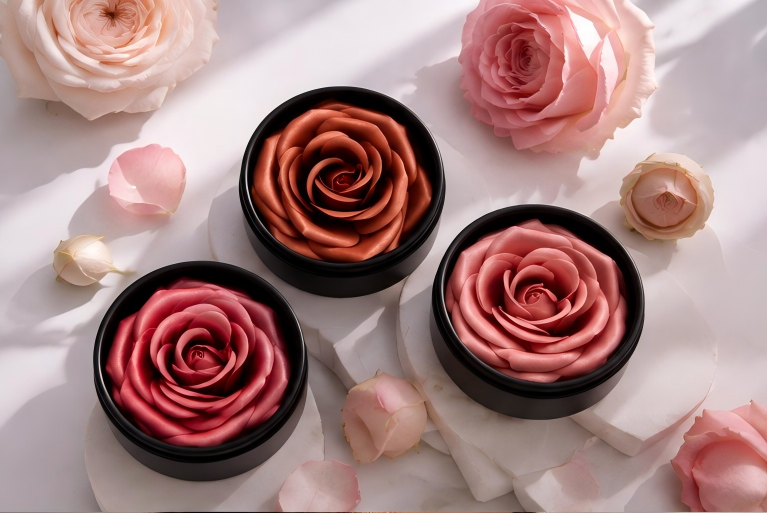
How to Apply Blush After Choosing Your Shade
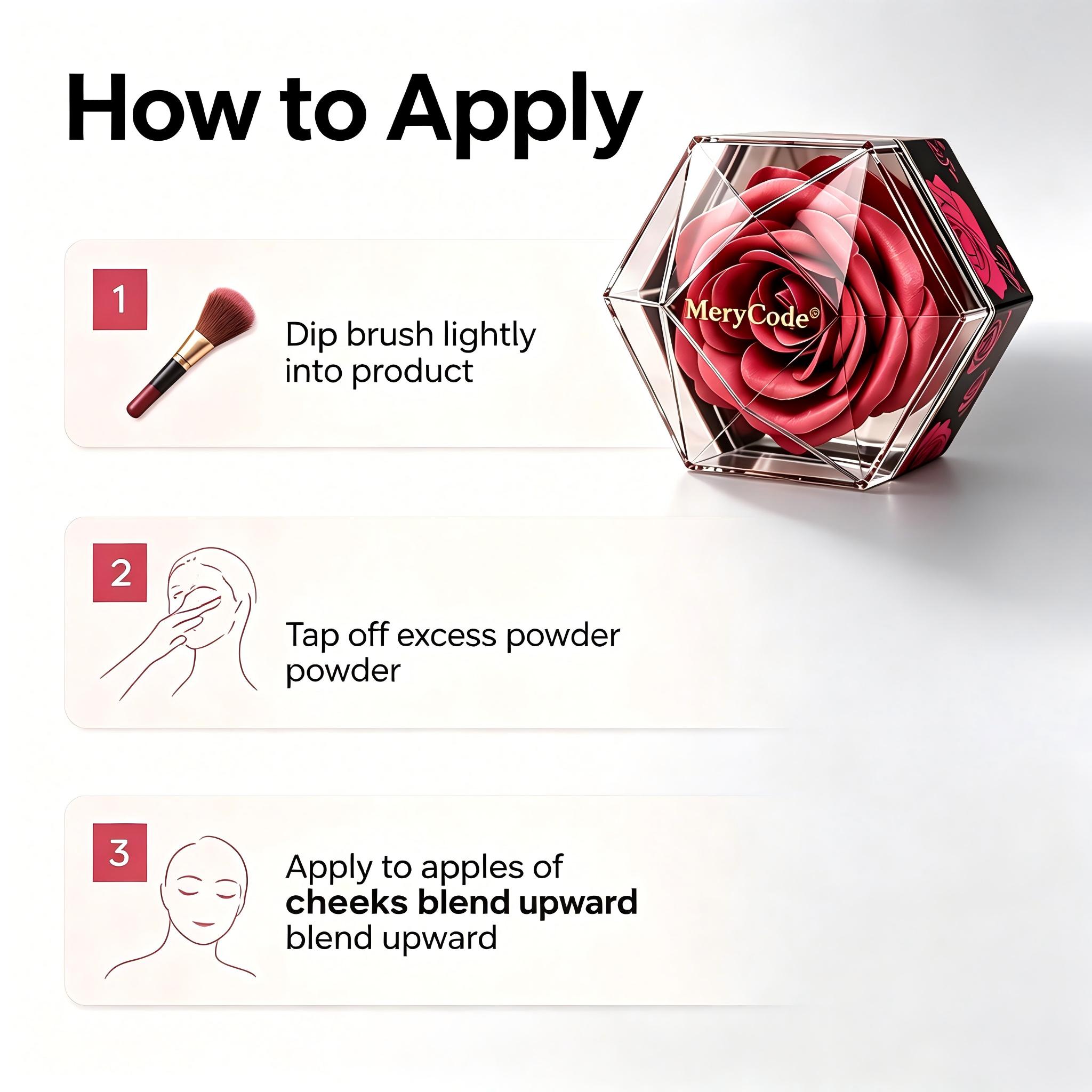
Once you have selected your blush shade, application is the next step.
Start with a small amount of product and apply it gradually to the cheeks.
Blend the color upward and soften the edges.
If you want more intensity, add another thin layer.
For a detailed guide, see our article on how to apply blush for a natural, fresh makeup look.
Common Blush Shade Mistakes
Choosing a Shade Only Because It Is Trending
Trends can be a great source of inspiration, but a popular color may not be your personal favorite.
Use trends as inspiration rather than a strict rule.
Applying Too Much Color
A shade can look very different when applied heavily.
Start with less product and build gradually.
Ignoring Your Overall Makeup
Your blush should work with your foundation, eye makeup, and lip products.
Think about the complete look before choosing the final shade.
Being Afraid to Experiment
Makeup is personal.
Although skin tone and undertone can provide useful guidance, they should not limit your choices.
Try different shades and see which ones make you feel your best.
Final Thoughts
Choosing the right blush shade is about finding a balance between your skin tone, undertone, makeup style, and personal preference.
Soft pinks and roses can create a delicate everyday look, while peach, coral, berry, and deeper shades can create more warmth and definition.
Start with a small amount, blend carefully, and do not be afraid to experiment.
The right blush is not simply the shade that follows a beauty rule. It is the shade that works beautifully with your overall look.
Frequently Asked Questions
How do I choose the right blush shade?
Start by considering your skin tone and undertone. Then think about your preferred makeup style and the colors you normally wear.
What blush color looks most natural?
Soft pink, rose, peach, and muted coral can create natural-looking results, but the best shade depends on your complexion and undertone.
What blush is best for cool undertones?
Pink, rose, berry, and mauve shades can complement cool undertones.
What blush is best for warm undertones?
Peach, coral, apricot, and warm rose shades can complement warm undertones.
Can any skin tone wear pink blush?
Yes. Pink blush can work across different skin tones. The key is choosing an appropriate depth and intensity of pink.