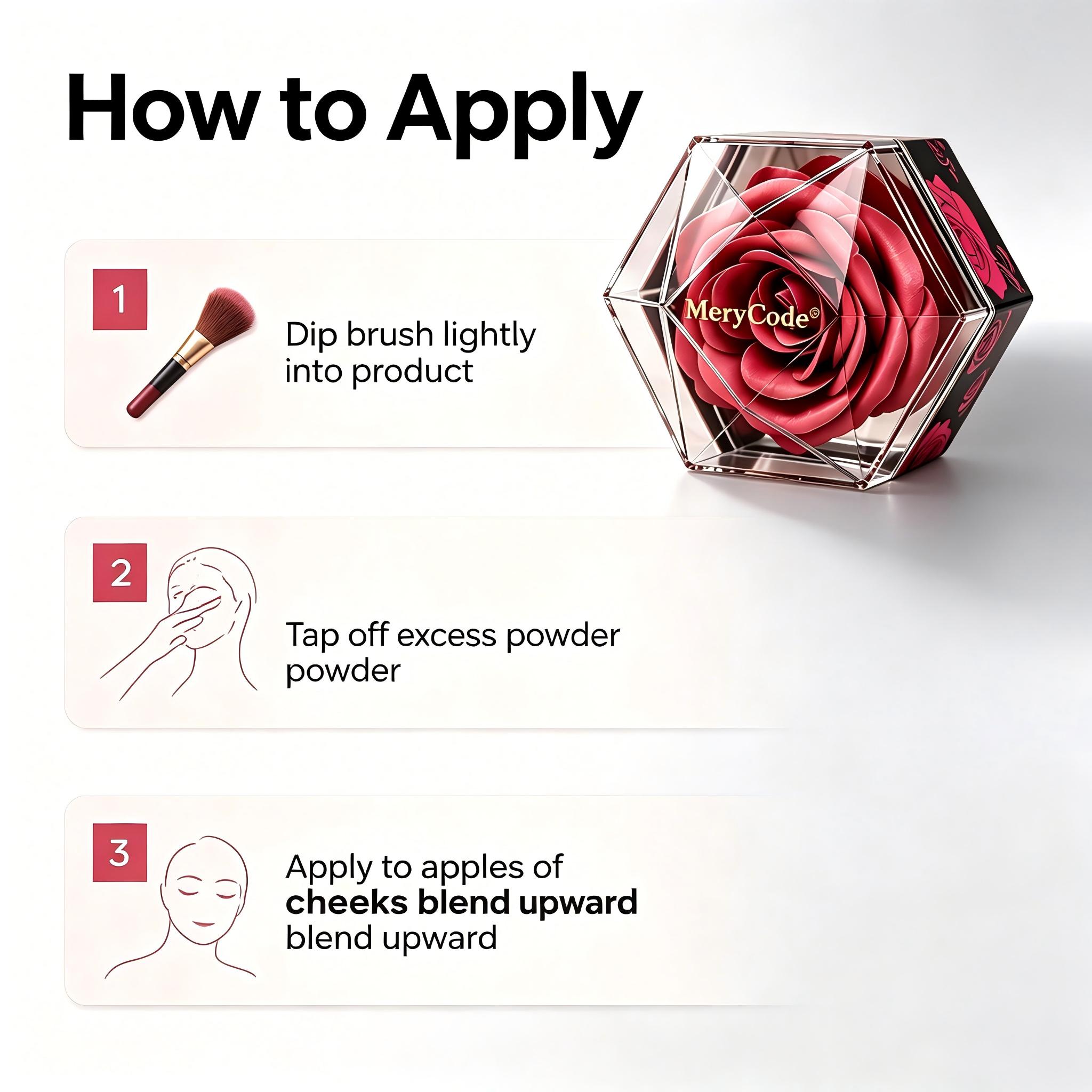
How to Choose Blush for Your Skin Undertone
Choosing a blush shade is not only about how light or deep your skin tone is.
Your skin undertone can also affect how different blush colors appear on your face.
A shade that looks soft and natural on one person may look brighter, warmer, or deeper on another person.
Understanding your undertone can make it easier to choose blush colors that work naturally with your complexion.
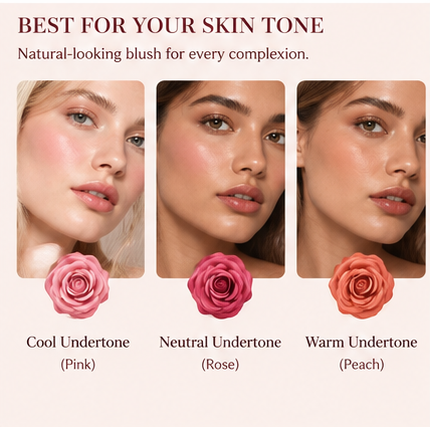
What Is a Skin Undertone?
Your skin tone describes how light or deep your skin appears.
Your undertone is the subtle color underneath your skin.
The three common undertones are:
- Cool
- Warm
- Neutral
Your skin tone can change slightly with the seasons, but your natural undertone generally stays relatively consistent.
This is why undertone can be useful when choosing makeup shades.
How to Tell Your Skin Undertone
You don't need a complicated test to get a general idea of your undertone.
Look at Your Veins
Look at the veins on the inside of your wrist in natural light.
If they appear more blue or purple, you may have a cool undertone.
If they appear more green, you may have a warm undertone.
If it's difficult to tell and they appear somewhere between blue and green, you may have a neutral undertone.
This method is only a general guide, so don't worry if the result isn't obvious.
Think About Jewelry
You can also consider which jewelry tones tend to look harmonious with your complexion.
Cool undertones may appear especially comfortable with silver-toned jewelry.
Warm undertones may work well with gold-toned jewelry.
If both seem to work well, you may have a neutral undertone.
Best Blush Shades for Cool Undertones
Cool undertones often work well with blush shades that have cooler or rosy qualities.
You can experiment with:
- Soft pink
- Cool pink
- Rose
- Mauve
- Berry
These shades can create a fresh-looking flush without adding too much warmth.
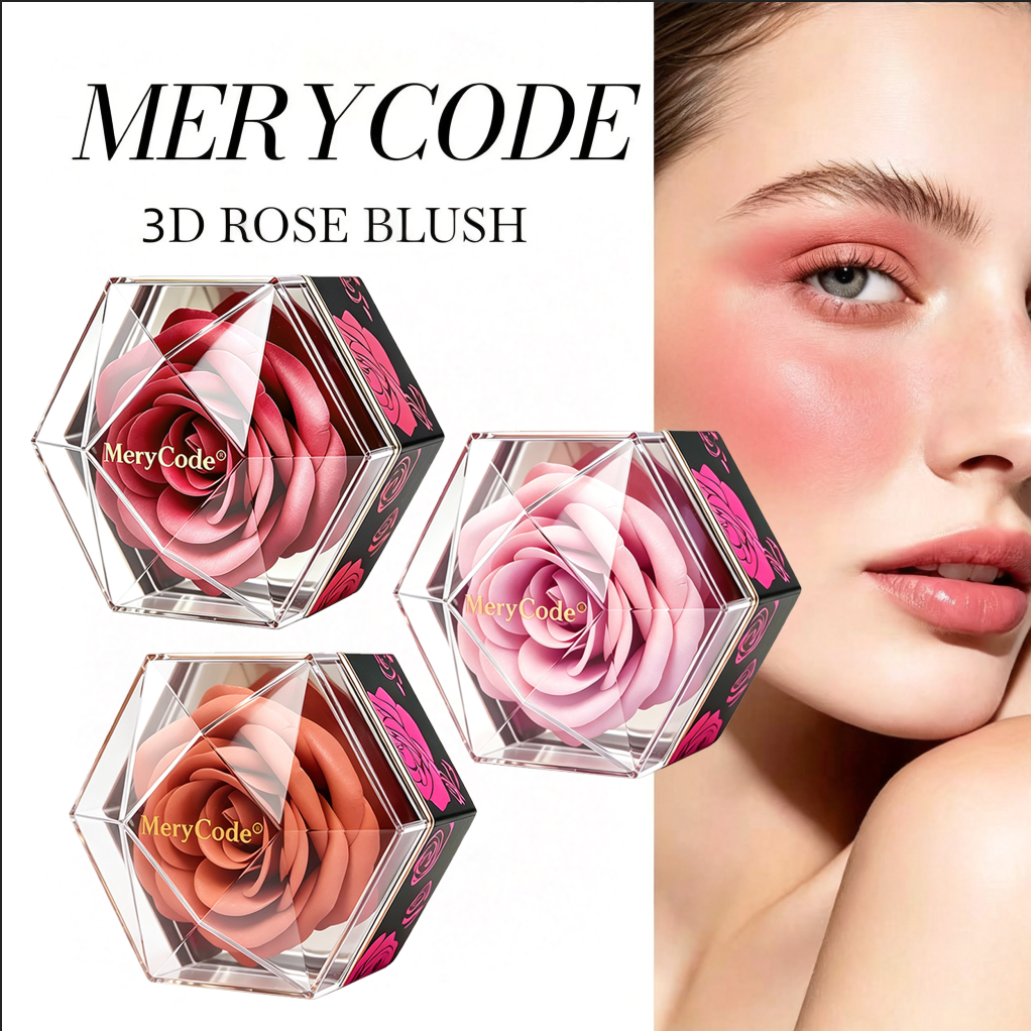
A soft rose blush can be particularly versatile if you prefer a natural-looking makeup style.
Best Blush Shades for Warm Undertones
Warm undertones can often pair well with warmer blush shades.
Consider trying:
- Peach
- Coral
- Warm pink
- Apricot
- Warm rose
These colors can complement the warmth already present in the complexion.
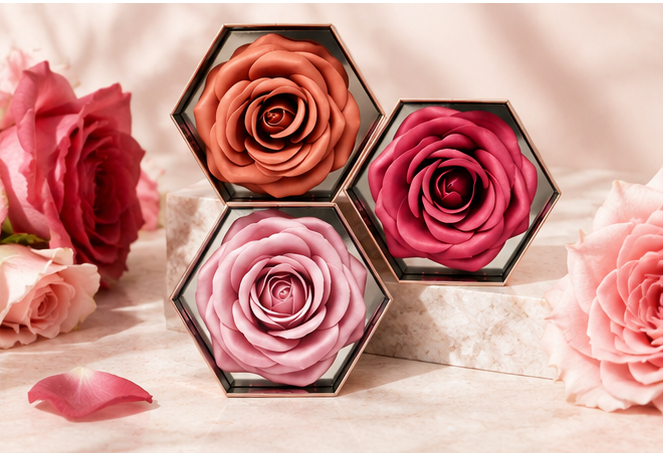
For an everyday makeup look, a soft peach or warm rose can create a natural-looking finish
.
Best Blush Shades for Neutral Undertones
If you have a neutral undertone, you may have more flexibility when choosing blush.
You can experiment with both cooler and warmer shades.
Some options include:
- Natural pink
- Rose
- Peach
- Soft coral
- Neutral berry
The final choice can depend on your skin tone, makeup style, and the overall look you want to create.
Does Skin Tone Still Matter?
Yes.
Undertone is only one part of choosing a blush shade.
You should also consider your overall skin tone.
For example, the same rose blush may look subtle on deeper skin and more noticeable on fair skin.
This is why it can be helpful to consider both:
Skin tone + Skin undertone
rather than relying on undertone alone.
How to Choose a Natural-Looking Blush
If your goal is a natural blush look, start with shades that are close to the natural color your cheeks develop when they become flushed.
For many people, this may be a variation of:
- Pink
- Rose
- Peach
- Coral
- Berry
Start with a small amount and build the color gradually.
This makes it easier to control the intensity.
What About Rose Blush?
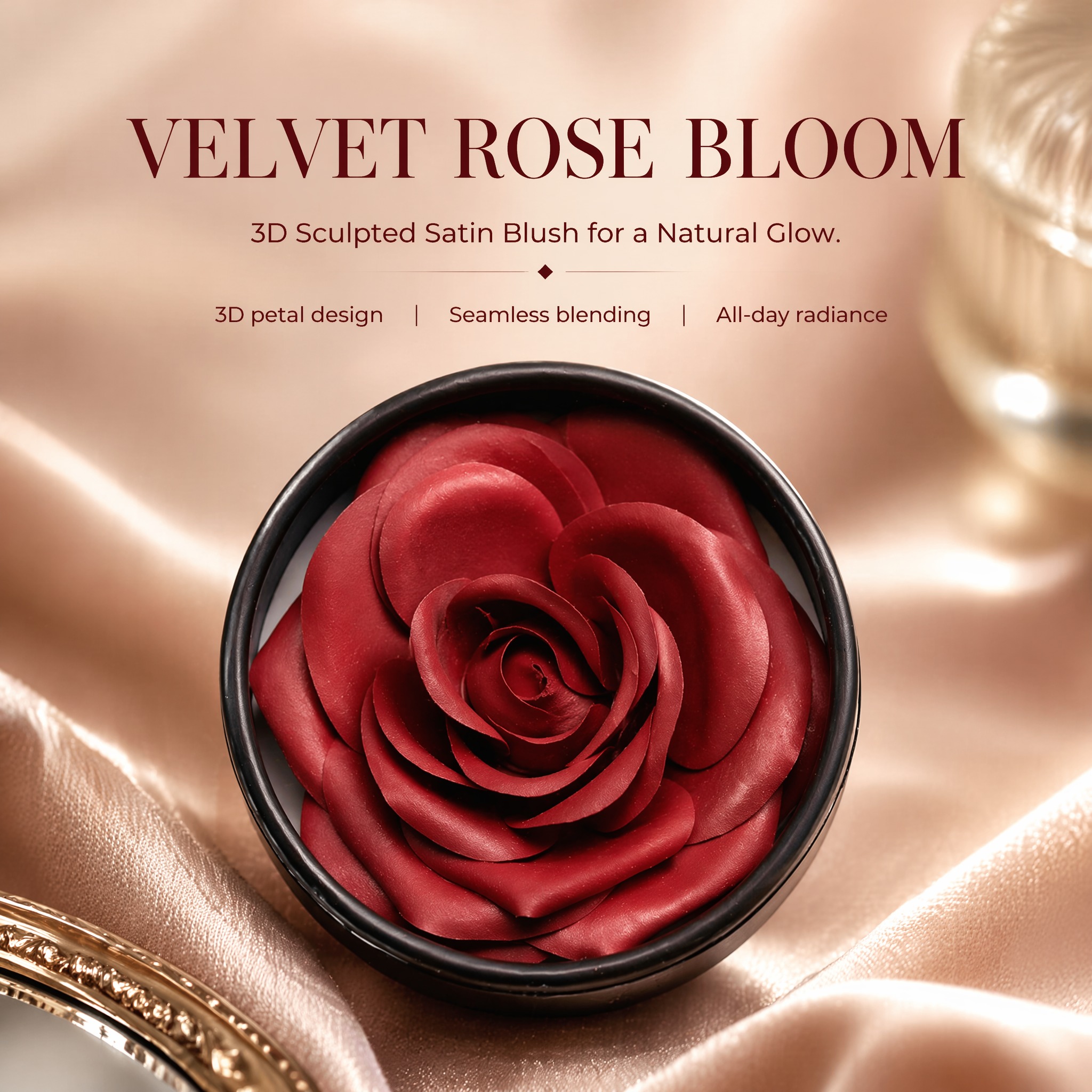
Rose is one of the more versatile blush color families because it can sit between soft pink and deeper rosy tones.
Depending on the exact shade, rose blush can work with different undertones and makeup styles.
If you prefer a soft, romantic, or natural-looking cheek color, rose can be a good shade family to explore.
The key is choosing the right depth and temperature for your complexion.
How to Make Blush Look More Natural
Even the right blush shade can look less natural if too much product is applied.
Try these simple tips:
Start With a Small Amount
Apply a small amount first and build gradually.
Blend the Edges
Make sure there are no obvious harsh edges between the blush and surrounding makeup.
Consider Your Overall Makeup
Your blush should work with your lip and eye makeup rather than competing with them.
Check Your Makeup in Natural Light
Indoor lighting can change the way colors appear.
If possible, check your makeup in natural daylight before deciding whether you need more blush.
Blush Color Ideas by Undertone
Here's a simple starting point:
| Skin Undertone | Blush Colors to Try |
|---|---|
| Cool | Pink, rose, mauve, berry |
| Warm | Peach, coral, warm pink, warm rose |
| Neutral | Pink, rose, peach, soft coral, berry |
These are starting points rather than strict rules.
Makeup is also about personal preference, so don't be afraid to experiment with colors outside these suggestions.
Final Thoughts
Choosing blush based on your skin undertone can make it easier to narrow down your options, but there is no single shade that everyone with the same undertone must wear.
Consider your skin tone, undertone, preferred makeup style, and desired intensity together.
If you're looking for an everyday blush, start with a shade that feels close to your natural cheek color and build the intensity gradually.
A versatile rose shade can also be a useful addition to a simple everyday makeup collection.