Why a daily skincare routine set can fail at the shelf
A daily skincare routine set sounds simple on paper: a cleanser, a treatment step, a moisturizer, maybe one small bonus item. In the market, though, many sets fail for one unglamorous reason — they do not feel easy to use every day. If the routine looks complicated, the pack feels bulky, or the jars do not hold up in transit, shoppers hesitate. For brands and sourcing teams, that turns a product meant to build repeat use into one that is returned, ignored, or rebought only after heavy discounting.
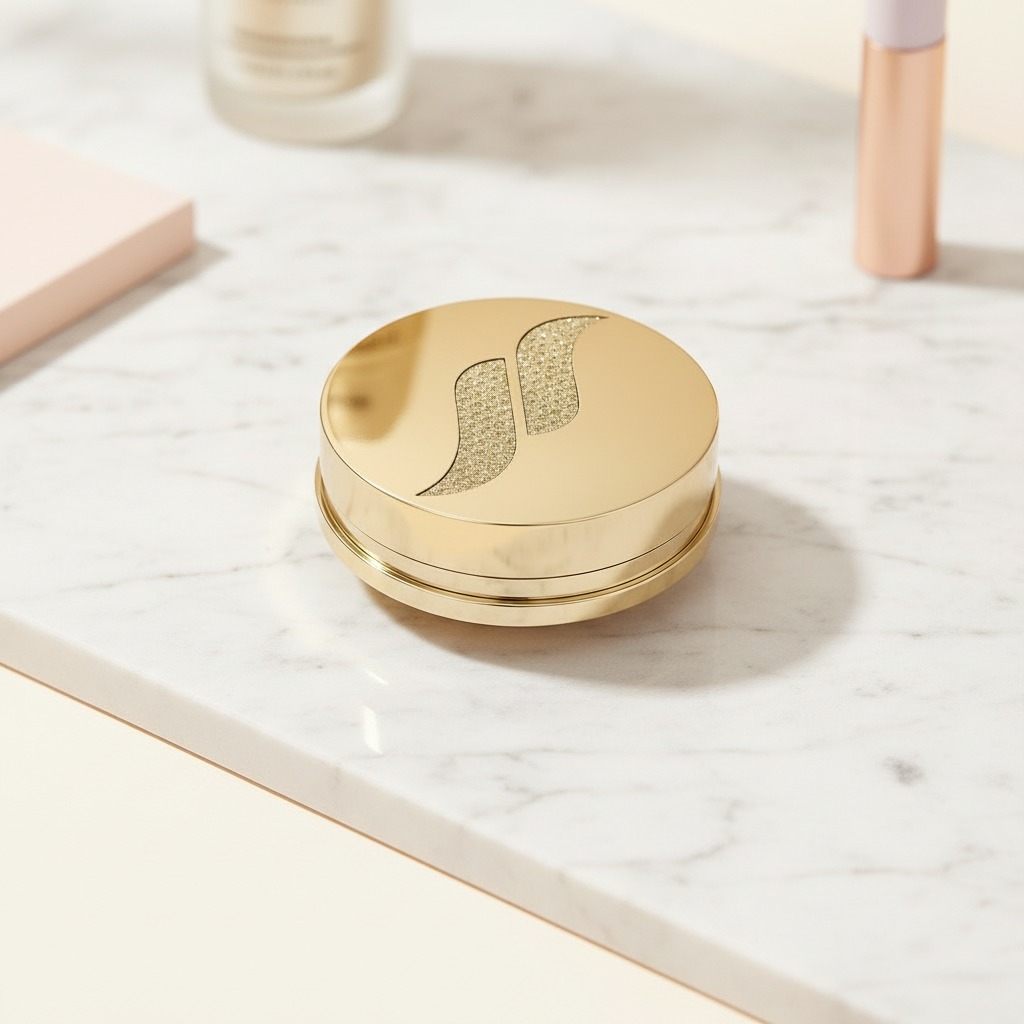
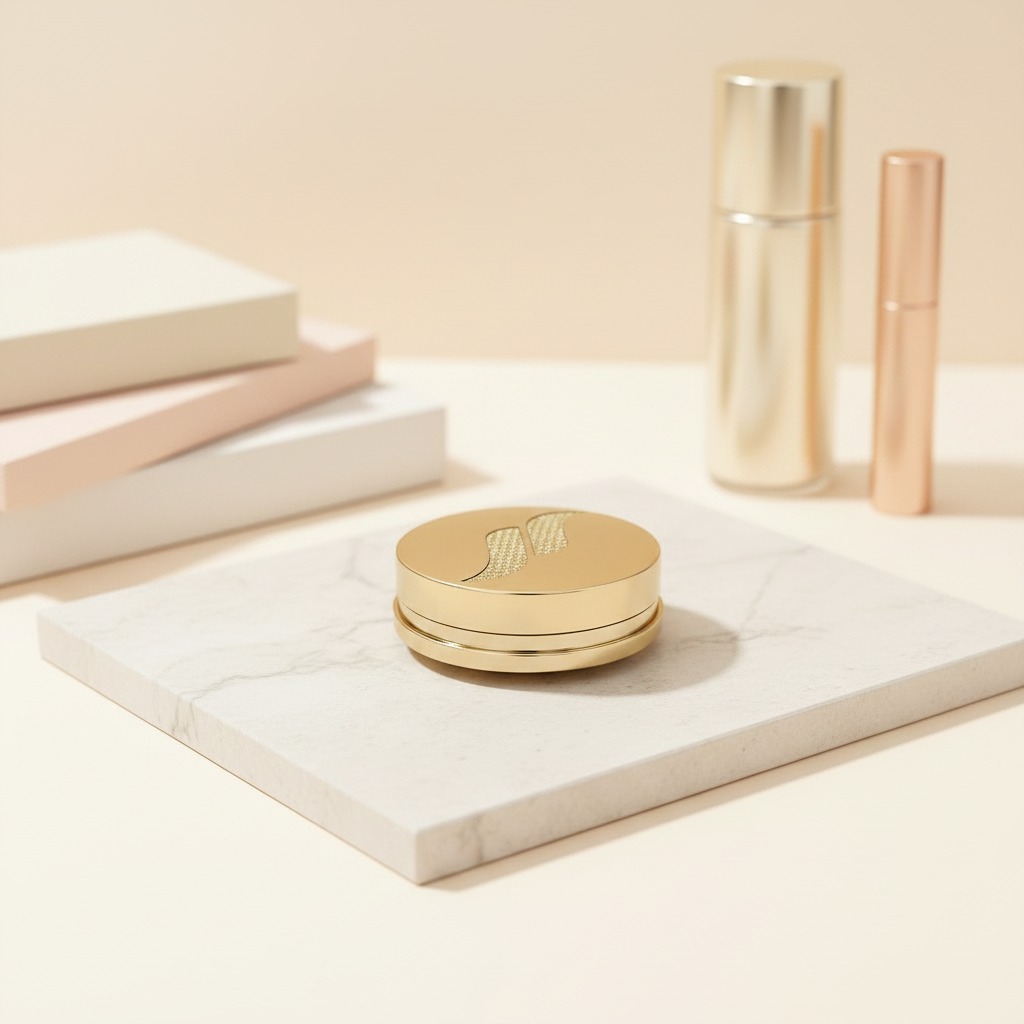
That is why the packaging conversation matters as much as the formula conversation. A compact jar with a polished gold exterior, for example, can support a premium story for balm, cream, or a refillable beauty container, but only if the rest of the set is designed around real daily behavior. The buyer is not just selecting a look; they are deciding whether the routine feels trustworthy, portable, and worth reaching for every morning and night.
What buyers usually want from a routine set
Shoppers do not usually ask for laboratory language. They want a routine that is easy to understand, easy to store, and easy to finish. A good set reduces decision fatigue. It tells the user what goes first, what goes next, and what is worth keeping on the bathroom counter or in a travel bag.
For brands, that means the set should be compact without feeling cheap. It should look complete, but not overcrowded. It should work for retail display and for actual use at home. Those are not always the same thing, and that is where many launches slip.
Packaging choices that support daily use
The container format shapes the user experience more than many teams expect. A round, compact cosmetic-style case or compact jar can be a strong fit for a balm, cream, or refillable product because it is easy to pick up, easy to store, and visually neat on a shelf. The midline seam suggests a two-piece closure style, which is common in cosmetic packaging, although the exact closure and seal performance still need confirmation through samples and testing.
The metallic gold exterior adds another layer. Vacuum metallization or an electroplated finish can create a luxury feel without requiring a fully metal body, but the surface treatment must be evaluated for scuff resistance, print adhesion, and long-term appearance. A decorative lid area, whether it is glittered, embossed, or inlaid, helps the product stand out in a crowded beauty aisle. That said, decoration should never make the jar harder to open, harder to stack, or harder to clean during filling.
For a daily skincare routine set, portability matters as much as presentation. A compact profile works better for commuters, gym bags, and travel kits. Larger vessels may look generous, yet they often stay on the shelf because they are inconvenient. In practice, the smallest usable format is often the smartest one.
How to decide what belongs in the set
Start with the routine itself, not the box count. A credible set usually answers a simple question: what does the customer need every day, and what can be removed without damaging the experience? If the routine is meant for morning and evening use, keep the steps clear. If it is meant for sensitive skin, avoid overbuilding the assortment. People buy order, not clutter.
Next, match each formula to the right container. Watery products, richer creams, and balms do not behave the same way in storage or shipping. A compact jar may be ideal for a thicker skincare product, while a pump or tube may be better elsewhere in the set. The goal is not to force every item into the same format; it is to choose the format that protects texture and supports repeat use.
There is also the question of visual hierarchy. A premium daily skincare routine set does not need ten design elements. It needs one clear family look, a legible brand mark, and enough contrast for the user to identify the steps quickly. Too much decoration can make the set feel like giftware instead of a routine system.
Common mistakes that make a routine feel harder than it is
One common mistake is overstuffing the set with extras that look good in photography but do not help the customer. Another is choosing packaging that seems luxurious in a sample but scratches, smudges, or loosens after normal handling. A third is failing to check how the set looks after shipping, when corners are worn and closures have been opened and closed several times.
There is also a subtle but costly mistake: assuming the decorative finish carries the sale by itself. A gold jar can signal premium positioning, but if the user cannot tell whether it is a cream, balm, or refill component, the promise breaks down. Luxury packaging should clarify the offer, not obscure it.
Buyer advice before you place a tooling or packaging order
Ask for samples early, and handle them the way a customer would. Open them with slightly wet hands. Put them into a travel pouch. Check whether the finish marks easily. Verify that the closure feels consistent across repeated use. These are small checks, but they expose big problems before production starts.
Also, confirm what is known and what is still unknown. From a sourcing standpoint, you should not assume internal capacity, material composition, sealing performance, or decorative method unless the supplier has documented it. For a compact jar with a metallic gold appearance, the visual result may be strong while the underlying construction still needs proof. That is normal. It just means the buying decision should be based on samples and specs, not on the photo alone.
FAQ for brands building a daily set
Does premium packaging always improve sell-through?
Not by itself. Premium packaging helps when it supports ease of use and clear positioning. If it only adds cost, the market usually notices.
Is a compact jar better than a tube?
It depends on the formula and the routine step. Jars suit thicker products and premium balms well, while tubes can be better for hygiene and portability in other cases.
What should a sourcing team watch first?
Start with closure behavior, surface durability, and how the set looks after handling. Those three points often decide whether a routine feels polished or fragile.
A practical next step
If you are developing a daily skincare routine set, begin with the user journey and work backward into the pack. Build for ease of use, clear product roles, and a visual system that stays intact from warehouse to bathroom shelf. A compact gold cosmetic jar can be a strong piece of that system, especially for balm or cream formats, but it should be chosen as part of the routine architecture rather than as a standalone decorative item.
The best sets make the customer feel that daily care is simple. That is the real selling point, and it is usually won or lost in the details most people do not notice until something goes wrong.