Why compact beauty devices matter to a beauty brand
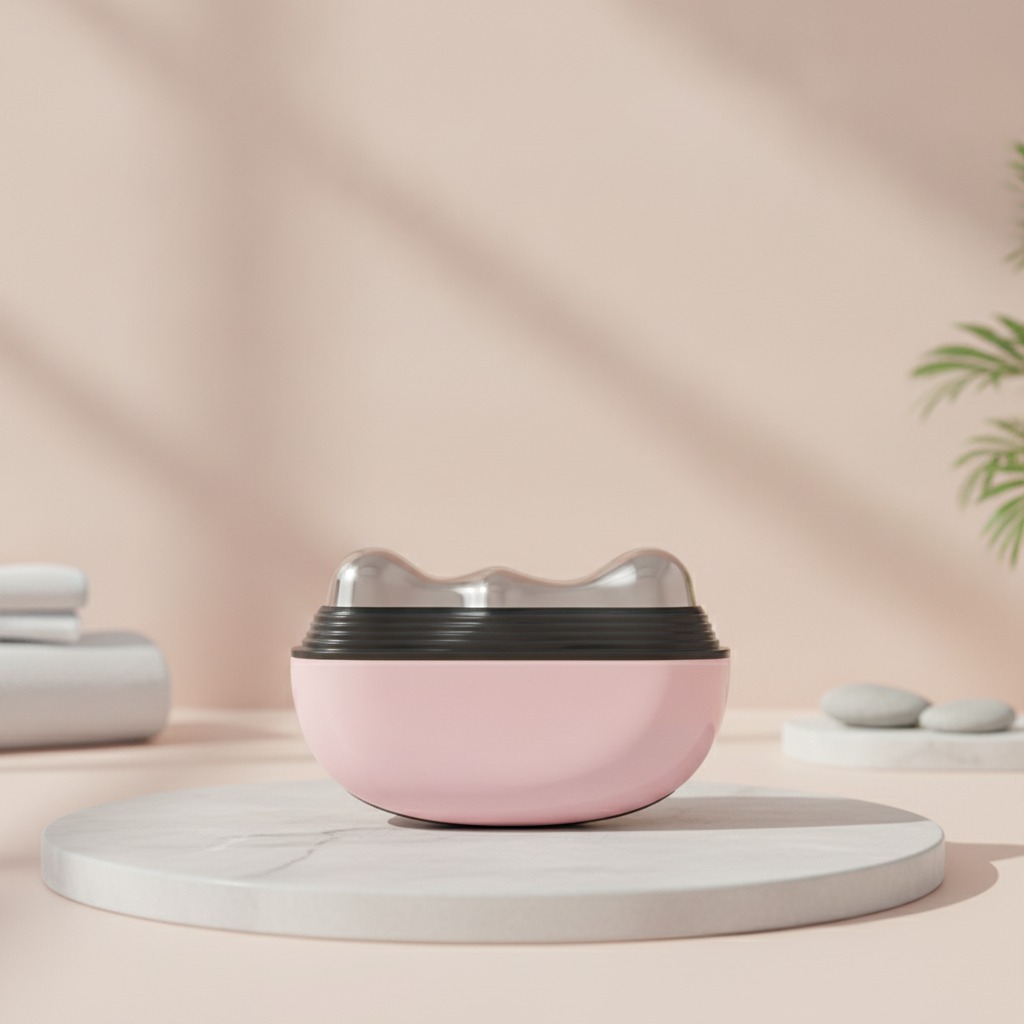
For any beauty brand weighing its next product move, small personal-care devices are no longer a side category. They sit at the point where skincare, electronics, and daily ritual meet. A compact tabletop device with a smooth pink shell and a contoured metal-like contact head may look simple at first glance, but that kind of format can tell you a lot about where consumer demand is headed: toward tools that feel approachable, easy to store, and visually tied to a grooming routine rather than a medical cabinet.
That matters because buyers do not just compare features. They judge whether a product feels premium enough for retail shelves, simple enough to explain, and durable enough to survive repeated handling in a bathroom or on a vanity. For a beauty brand, the decision is rarely “should we launch a device?” It is closer to “what kind of device can we credibly design, source, and support without overpromising what it does?”
What the product form suggests
The device described here appears to be a small consumer beauty tool with a rounded capsule or bowl-like body, a glossy pink housing, and a dark top section with ribbed rings and a silver-gray contact head. The head has two raised curved lobes, which suggests it is meant to sit against the contours of the face or another curved area of the body. That is a practical design choice. Curved contact surfaces usually help a device feel more controlled in use, especially when the user is guiding it along cheeks, jawline, neck, or similar areas.
Because the exact function is not stated, it is safest to treat it as a general beauty treatment device rather than labeling it as a massager, firming tool, or therapy device. Still, the form gives away some likely priorities: compactness, hand-friendly proportions, and a surface that looks easy to wipe down after use. For many beauty brand buyers, those are not small details. They affect packaging, returns, and how the product photographs in ecommerce.
Quick buyer takeaways
If you are assessing a device in this category, focus on a few basics before getting distracted by styling.
The first is user clarity. A small device should be self-explanatory or close to it. If a customer cannot tell where the treatment head touches, how it rests in the hand, or where it belongs in the routine, support requests rise quickly.
The second is finish quality. Glossy shells and visible seam lines are unforgiving. A beauty brand product must look intentional from every angle, because consumers often inspect these tools more closely than mass-market cosmetics.
The third is cleaning behavior. Even without a waterproof rating being stated, a smooth, sealed-looking exterior is a positive sign from a maintenance standpoint. Consumers want something they can keep hygienic with minimal fuss. That is a quiet expectation, but a real one.
Materials and assembly: what is likely, and what is not confirmed
From the visible construction, the outer body appears likely to be molded plastic with a painted or coated finish, while the contact head may be metal or metal-coated. The device also appears to be an assembled consumer electronic product with separate housing, internal electronics, and a formed treatment head.
That sounds obvious, but for sourcing teams it matters because the visible finish can hide complexity. A clean exterior does not guarantee simple manufacturing. Assembly alignment, coating consistency, and the feel of the contact head all influence perceived quality. A brand may get away with a plain plastic shell in a commodity product. In a beauty device, however, the hand feel has to earn its place.
One practical caution: if your product positioning depends on skincare or cosmetic claims, confirm early what the device can and cannot substantiate. It is easy for teams to drift from “beauty accessory” into territory that implies results they have not validated.
How beauty brands should evaluate this kind of device
Start with the customer occasion. Is this an impulse buy near checkout, a giftable vanity item, or a routine-use device that needs strong post-purchase support? The answer changes the entire sourcing brief.
Then look at the interface, even if the controls are not visible in the image. Simpler devices usually succeed when the control logic is obvious and the product has a clear role in the routine. More features are not always better. In fact, many buyers prefer a device that seems calm, not complicated.
Also consider how the product will sit alongside a brand’s existing line. A device with a soft pink shell and polished contours may pair naturally with gentle skincare positioning, spa-inspired branding, or a gift set. It may feel out of place in a clinical or sharply technical range unless the visual language is carefully managed.
Common mistakes when sourcing beauty devices
A frequent mistake is treating appearance as proof of manufacturability. A smooth, attractive prototype can hide hard questions about assembly tolerance, component sourcing, or long-term reliability. Another is underestimating packaging. Small devices often ship in boxes that need inserts, protection for the contact head, and enough visual explanation to reduce confusion at first use.
Brands also sometimes overlook aftersales support. If the device uses a power source, charging method, or replaceable parts that are not immediately clear, customer service load can jump. Even a simple beauty tool needs a manual that reads like something a consumer would actually keep.
FAQ for sourcing teams
Is this device a facial massager?
It may be, but that cannot be confirmed from the available information. It is safer to describe it as a small personal-care or beauty treatment device.
Is the pink housing probably plastic?
Likely, yes, based on the visible shell appearance. But the exact material is not confirmed.
What should a beauty brand ask a supplier first?
Ask for function details, material specification, assembly structure, cleaning guidance, power and control information, and any claim support the supplier can legitimately provide.
What to do next
If you are building a beauty brand assortment, treat this kind of product as more than a pretty countertop object. Ask whether it fits your positioning, whether it can be explained in one sentence, and whether the manufacturing details support the finish your customers will expect. A compact device with a polished shell can sell well, but only if the story around it is honest, usable, and easy to repeat across product pages, packaging, and customer service.
Before you move forward, request a full specification sheet and a sample you can handle in person. With beauty devices, the difference between “looks refined” and “feels credible” is often the difference between a nice concept and a product line that actually holds up.