Understanding oil gloss in lip care packaging and product design
In cosmetic packaging, oil gloss usually signals more than a shiny finish. For a lip repair serum or roll-on lip treatment, it points to a product that is meant to condition, protect, and leave the lips looking visibly smoother and wetter-looking without the heavy feel of a traditional balm. That distinction matters for sourcing managers, product teams, and brand owners because the package, applicator, and formula all have to work together. If one element is off, the user notices it immediately: the roller drags, the serum leaks, or the gloss reads as greasy instead of polished.
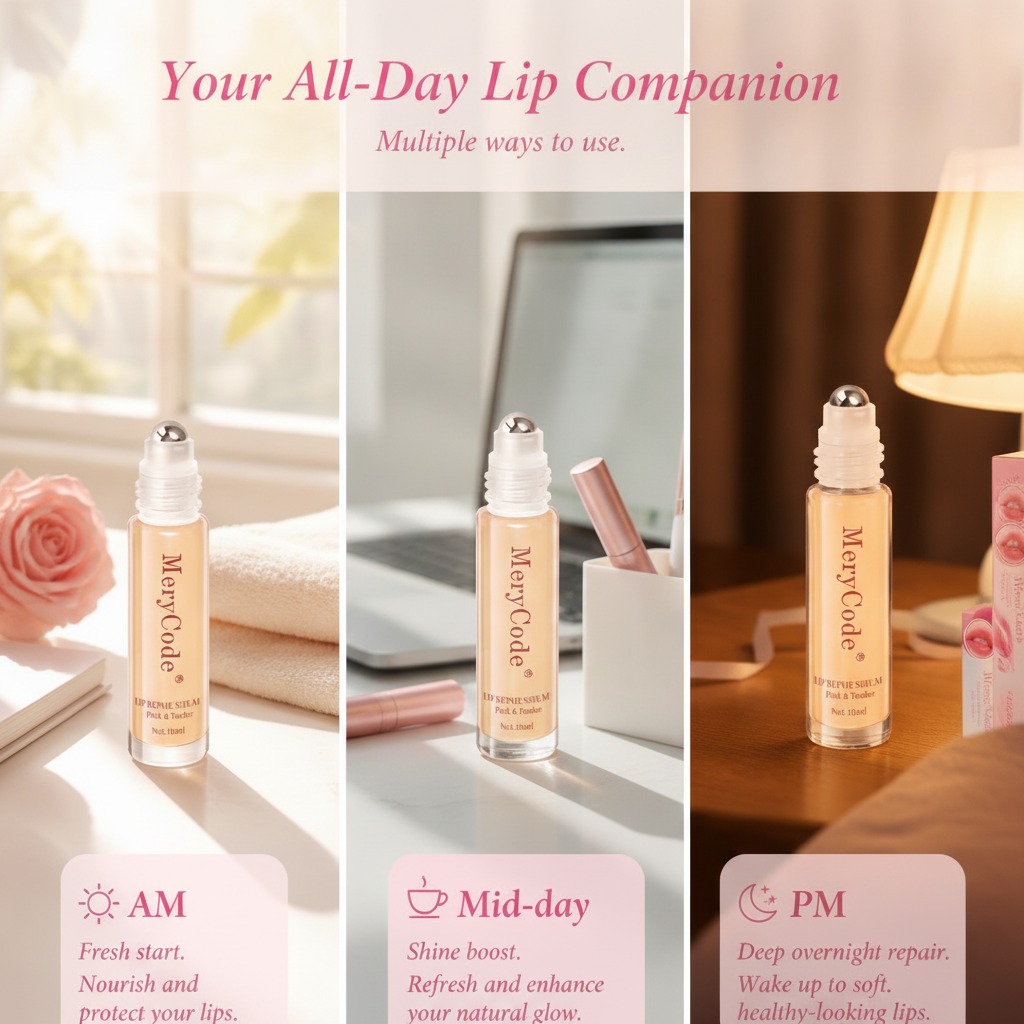
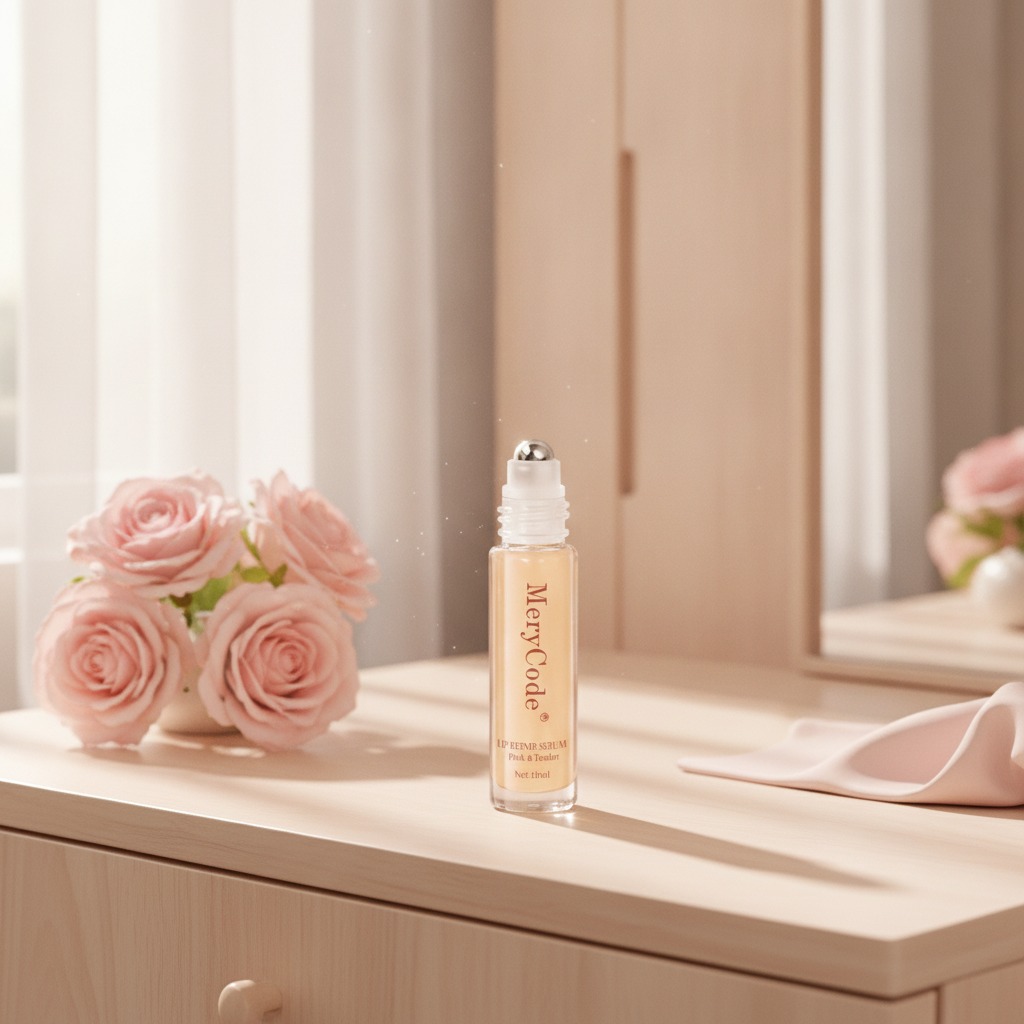
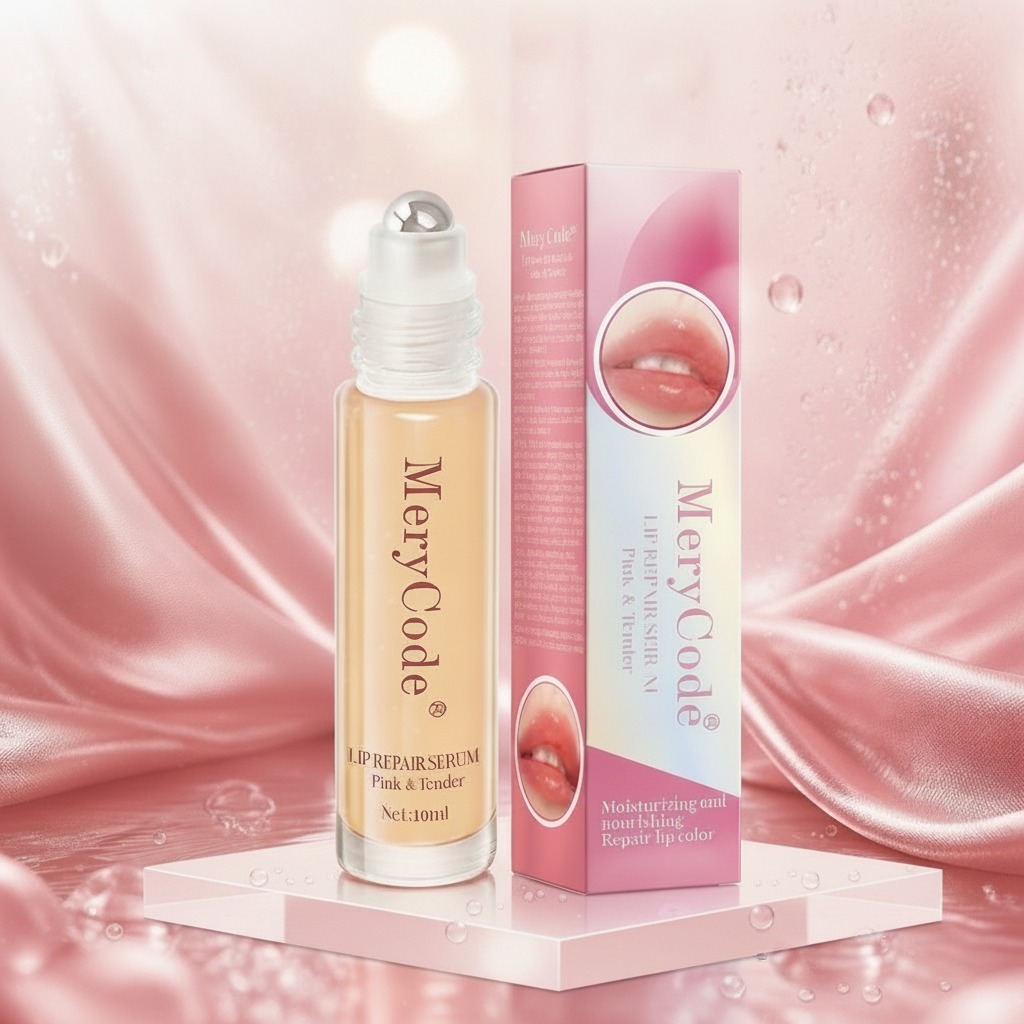
The product described here is a 10 ml lip repair serum in a small roll-on vial, labeled “Lip Repair Serum” and “Pink & Tender.” It appears designed for daytime touchups and overnight lip conditioning, with the usual cosmetic promise set: nourish, moisturize, protect, add shine, and support lip repair. The visible format is simple, but that simplicity hides a lot of manufacturing decisions.
What the format tells you before you even test the formula
A roller-ball lip serum is a different buying decision from a stick balm or pot treatment. The applicator controls dosage, the bottle protects the formula, and the shine level contributes to the perceived value. In a product like this, the user experience begins the moment the ball meets the lip. If the ball turns too slowly, the experience feels sticky. If it moves too freely and floods the lips, the product can seem messy. Buyers often focus on the formula first, but in this category packaging is part of the performance.
The visible structure here includes a clear cylindrical bottle, a white screw-neck cap/nozzle assembly, and a polished metal roller-ball applicator. That combination suggests a cosmetic item intended for clean, direct application and retail shelf appeal. A transparent body also helps users see the fill level and gives brands a chance to showcase the serum color, which in this case appears light pink or beige. Small detail, but it matters: on shelf, a clear bottle and glossy finish often do the selling before any claim copy is read.
Step-by-step guide to evaluating a lip repair serum with oil gloss appeal
1. Check how the shine is supposed to function
Not all gloss is created equal. Some formulas aim for a wet-look shine that fades quickly; others leave a softer coating that sits longer and feels more protective. For a lip repair serum, the useful question is whether the shine is part of the care story or just a cosmetic side effect. In buyer terms, this affects both positioning and repeat purchase. If the gloss feels too oily, it may be read as cosmetic only. If it is too thin, consumers may not feel enough lip comfort.
2. Match the applicator to the use case
A roller-ball applicator suits on-the-go use and reduces direct finger contact, which many consumers prefer for a lip product they may use throughout the day. It also works well for light, even dosing. But there is a caveat: roller mechanisms can be fussy with viscosity. A formula that is too thick may not release cleanly; one that is too runny can migrate or pool at the edges of the mouth. This is where product development and packaging selection have to be aligned early.
3. Consider day, midday, and overnight behavior separately
The packaging text implies three usage periods: morning, midday, and night. That is a useful commercial clue. A morning use case demands comfort and a fresh finish. Midday use asks for quick shine and easy reapplication. Overnight use needs longer contact and a more conditioning feel, though the exact overnight performance depends entirely on the unknown formula. If you are sourcing a similar product, ask for sample testing across those time windows rather than accepting one generic “lip care” claim.
Key selection criteria for sourcing teams
For a cosmetic item in this format, the main selection criteria are not complicated, but they are easy to overlook. First, the fill size: 10 ml is relatively generous for a lip treatment and may support premium positioning or longer retail use. Second, the packaging integrity: a roller-ball vial needs a secure seal and a cap that travels well. Third, the visual identity: the “Pink & Tender” naming suggests a soft, gentle brand story, so the finish, label clarity, and bottle transparency should support that tone.
Also ask how the product will be sold. Retail shelf presentation, gift set inclusion, and ecommerce photography all place different demands on this format. A small cosmetic bottle can look elegant in a close-up image but feel fragile in a warehouse if the neck design is weak. That is the sort of issue that shows up late unless the buyer asks early.
Common mistakes when developing or buying oil gloss lip treatments
One common mistake is over-promising repair. Without confirmed ingredient data or testing results, claims should stay within what can be supported. Another is treating the packaging as purely decorative. In this category, the applicator and bottle are part of the function. A third mistake is ignoring consumer expectations around cleanliness. People want a lip serum that feels hygienic, easy to carry, and not overly fussy to apply in public.
There is also the matter of finish. Some teams chase a very high shine because the term oil gloss sounds luxurious. But too much shine can make the product feel slippery or unstable, especially in warm conditions. A balanced look often sells better than an extreme one.
What buyers should ask before placing an order
Request confirmation on bottle material, roller-ball behavior, filling method, and compatibility between the serum and the package components. If the formula is an oil-based blend, it may interact differently with seals, plastics, or decorative finishes than a water-based product would. Ask for samples, then test them for leakage, clogging, and user comfort. If the product will be marketed for overnight use, check whether the texture remains acceptable after hours on the lips rather than separating or drying out.
Practical next step
If you are evaluating a lip repair serum like this one, start with the end user experience rather than the label copy. Decide what kind of shine you want, what kind of applicator your customer will tolerate, and how the product should behave at different times of day. Then work backward into formula, packaging, and presentation. That approach saves time, and it usually avoids the awkward situation where a pretty bottle performs less smoothly than expected.
For brands and sourcing teams, the useful next move is a side-by-side sample review: gloss level, roller action, seal quality, and shelf appearance. The product may be small, but the decision is not.