Why a glow up gift set still sells
A good glow up gift set works because it solves a simple retail problem: people want something that looks generous, feels easy to give, and does not require much decision-making at checkout. That matters whether the buyer is shopping for a birthday, a seasonal promotion, or a small self-purchase that feels like a treat. In beauty, the best giftable products do two jobs at once. They look attractive on a shelf or product page, and they offer an everyday use case after the ribbon comes off.
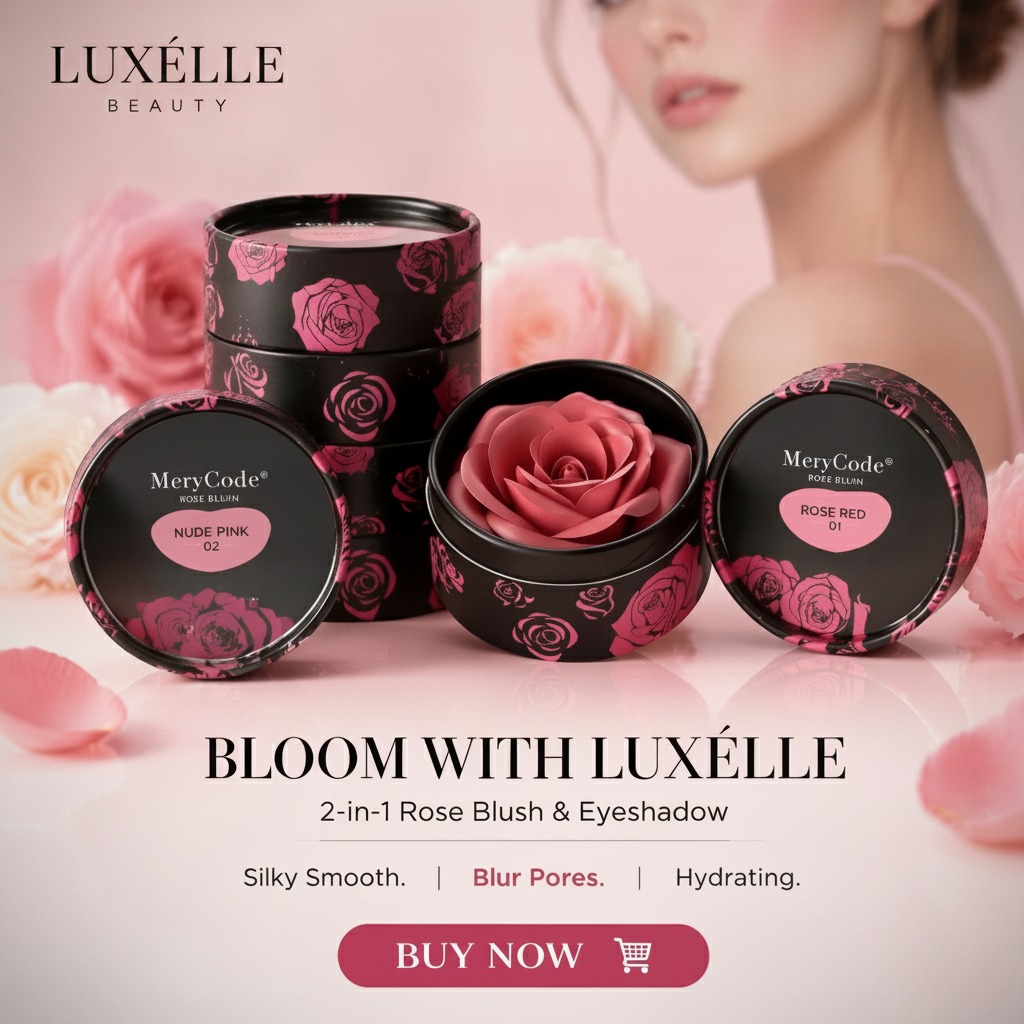
That is where a compact, dual-use color product such as MeryCode / LUXÉLLE Beauty 2-in-1 rose blush and eyeshadow makes sense. It combines cheek color and eye color in one display-friendly format, which gives sourcing teams and product teams a more efficient story to tell. Instead of pushing a large, multi-piece box that may feel overbuilt, the buyer gets a neat cosmetic compact that reads as thoughtful without becoming complicated.
What makes the format appealing
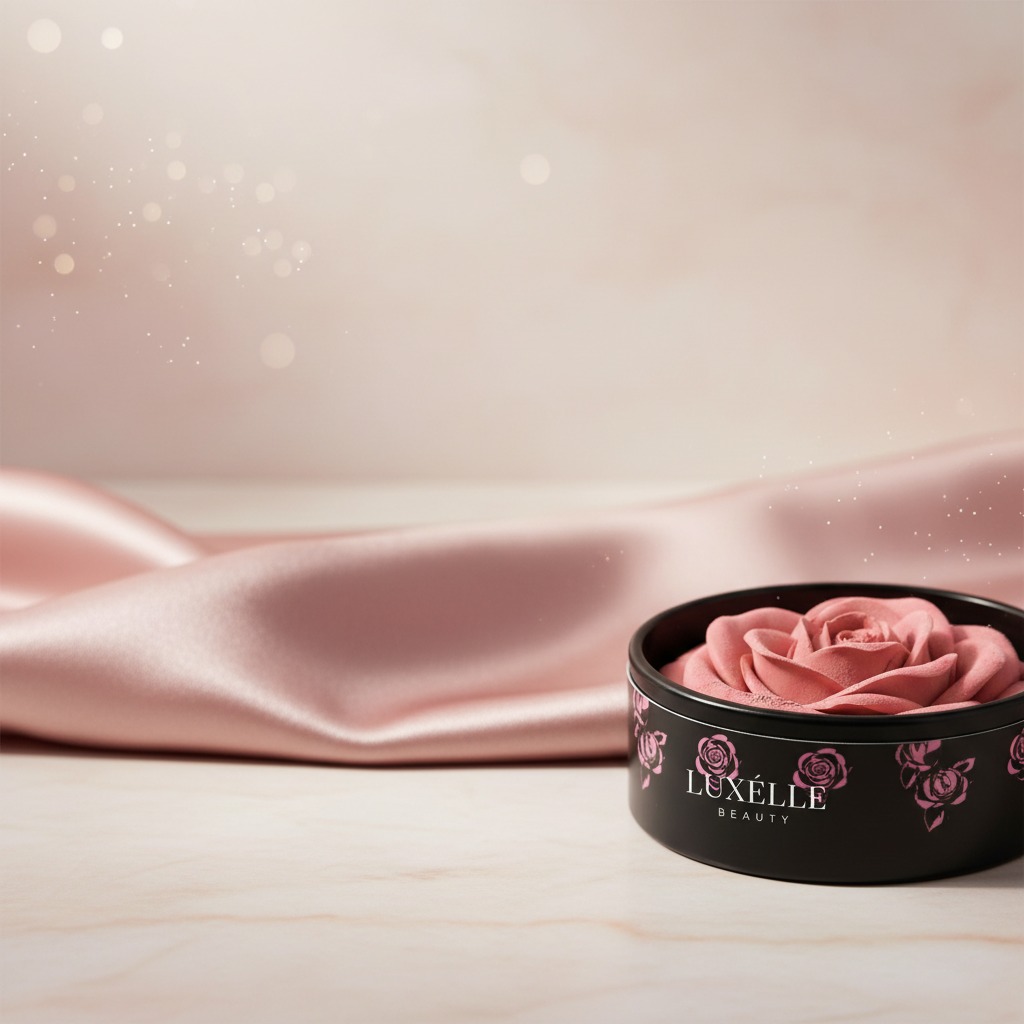
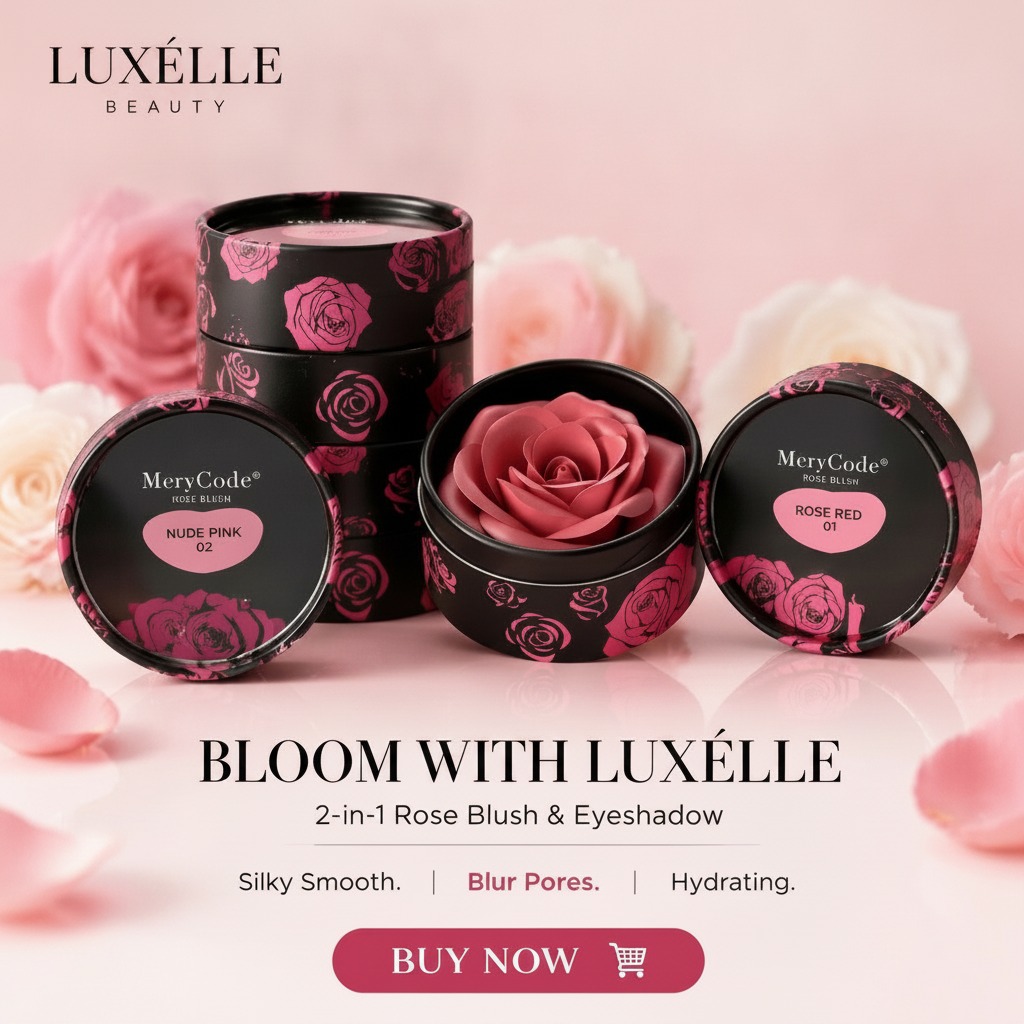
The packaging details matter more than many brands admit. In this case, the product appears in a round compact with a black exterior and a pink rose pattern, with shades such as Nude Pink 02 and Rose Red 01. The open compact shows a molded rose-shaped cosmetic surface, which adds a decorative element that is hard to ignore in ecommerce photography. For a gift item, that visual cue is not fluff. It is part of the product value.
There is also a practical side. A single compact is easier to store, easier to ship than a bulky boxed kit, and easier for the end user to keep in a handbag or makeup drawer. That does not sound dramatic, but convenience is often what turns a one-time gift into a repeat purchase. Buyers in this category should pay attention to how the product looks from three angles: closed on shelf, open in use, and photographed for online retail.
Why dual-use matters
Cheeks and eyes are closely linked in everyday makeup routines. A product that can serve both areas gives consumers a simple way to create a coordinated look without buying separate items. That is especially useful for shoppers who want a polished result with minimal effort. It also creates a stronger value proposition for gifting, because the recipient can understand the product quickly.
From a commercial point of view, dual-use products can reduce assortment clutter. A buyer does not always need more SKUs; sometimes the smarter move is one item that can carry more than one use case. The challenge is to keep the claims believable. Phrases like “Silky Smooth,” “Blur Pores,” and “Hydrating” may help with merchandising, but they should be treated carefully unless the formula has proof behind them. In other words, sell the experience honestly, not the fantasy.
How to evaluate a giftable color cosmetic
When sourcing a glow up gift set or a similar beauty compact, look at the product as both a cosmetic and a retail object. The finish of the container, the strength of the printed graphics, the quality of the molded cosmetic surface, and the clarity of the shade naming all contribute to perceived value. Even small details, like whether the compact closes cleanly and feels sturdy in hand, can affect the buyer’s first impression.
Manufacturing process also matters. A molded solid formula can deliver a decorative presentation that looks more premium than a flat pan, especially when the surface is shaped like a rose. That kind of detailing is attractive, but it does introduce a caution: decorative shaping should not come at the expense of usability. If the product is hard to pick up with a brush or difficult to apply evenly, the design starts working against itself.
Buyer-facing cautions
Do not overread visual claims. The image and product description suggest a blush-and-eyeshadow compact, but they do not confirm exact ingredients, formula type, wear time, waterproof performance, or whether the skincare-style claims are clinically tested. For private label or retail selection, that uncertainty is not a dealbreaker, but it does mean the buyer should verify the specifications before committing to a launch.
Another common mistake is choosing packaging that looks luxurious in a photo but feels generic in person. A gift product needs to hold up in hand. A glossy black compact with a rose motif can work well if the print quality is sharp and the closure feels secure. If not, the item risks looking more promotional than premium.
What this kind of product does well
This category is strongest when the buyer wants an affordable giftable item with broad appeal. It is suitable for everyday blush use, simple eye makeup, and retail displays where the visual story has to do some of the selling. It also fits ecommerce fairly well because the shape is easy to photograph and the rose detail helps the listing stand out without needing a complicated explanation.
For brands, the persuasive angle is straightforward: a compact product with dual-purpose color, decorative molding, and attractive packaging can deliver a cleaner gift story than a box filled with separate tools and extras. Not every customer wants a complicated beauty set. Many want something that looks considered, uses well, and does not feel wasteful after the first unboxing.
Questions buyers should ask before ordering
Is the product truly dual-use, and is that clearly communicated on packaging? Does the molded shape hold up through shipping and shelf handling? Are the shade names consistent with the tone family shoppers expect? Is the compact visually strong enough for both retail display and online thumbnails? Those are the questions that separate a decorative sample from a product that can actually move volume.
If the goal is to build a giftable beauty line, the safest path is to prioritize clarity, presentation, and everyday usefulness. The best glow up gift set is not necessarily the most elaborate one. It is the one a customer can understand in five seconds and still want to use two months later.
Next step for buyers
If you are evaluating a giftable color cosmetic for retail or ecommerce, start by requesting full product specifications, packaging samples, and formula details. Then judge the item the way a shopper would: does it look special, does it seem easy to use, and does it feel worth giving? If the answer is yes, you have something with real shelf potential.