Why beauty products like pressed face powder still matter
In a market crowded with serums, cushions, and long-wear foundations, a compact powder still earns shelf space because it solves a very old problem: shine, uneven tone, and the look of pores that become more noticeable as the day wears on. That is especially true for beauty products built around a pressed face powder compact, where portability and finish matter as much as formula.
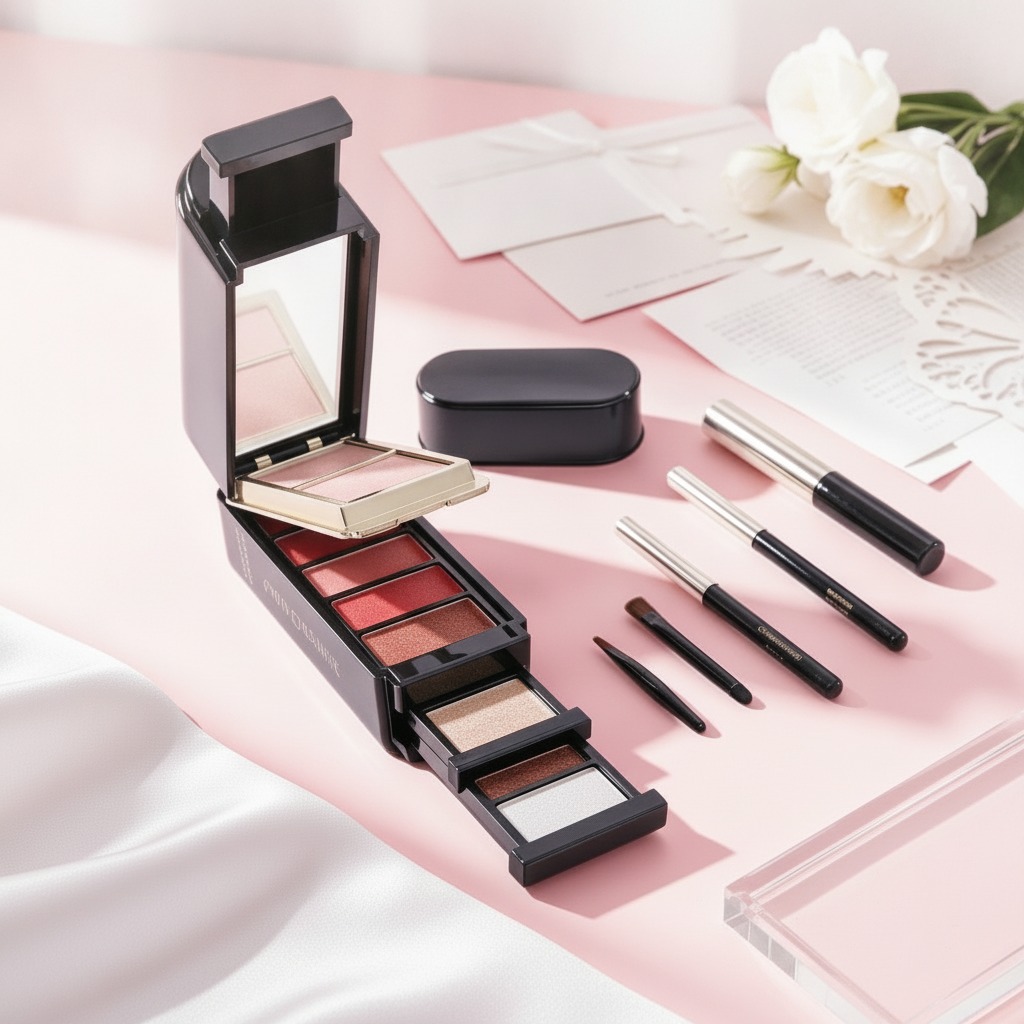
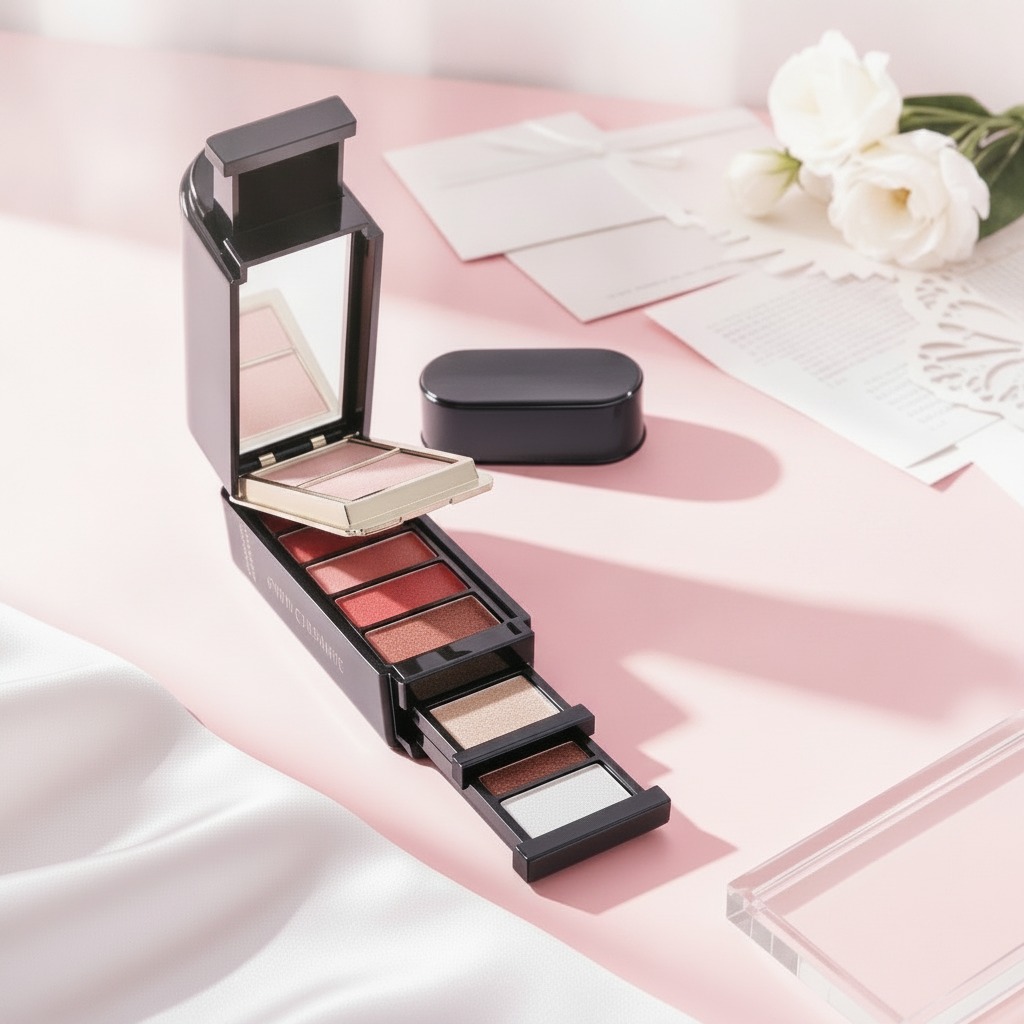
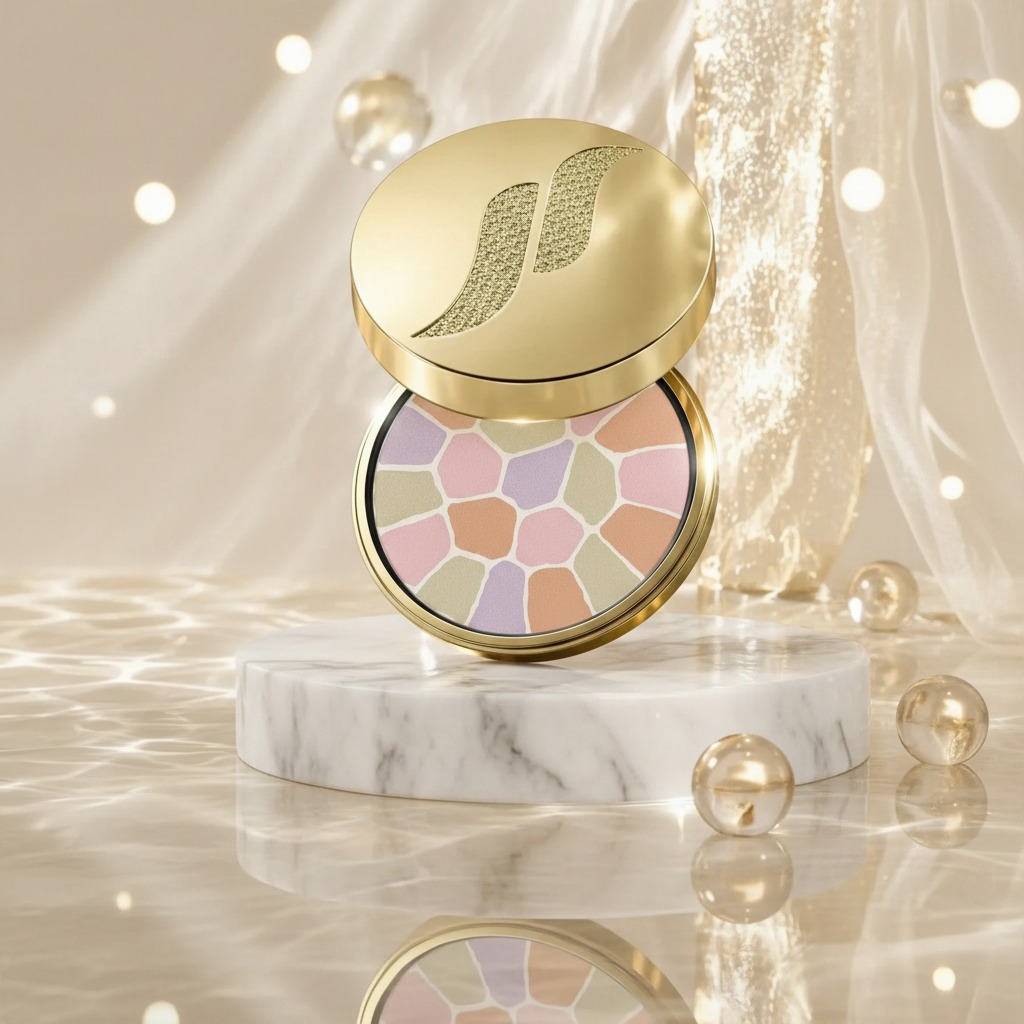
The product described here is a gold-toned compact with a multicolor pressed pan, positioned as a face-correcting setting powder for oil control, pore blurring, and tone correction. That combination tells buyers a lot. It is not trying to be a heavy foundation replacement. It is aiming to be the final step that makes base makeup look more settled, or a quick touch-up option for bare skin when the afternoon mirror is less forgiving than the morning one.
What the 4-color compact is trying to do
The visible claim of four colors in one compact is more than decorative. Multi-shade pressed powders are usually designed to balance several concerns at once: reducing excess shine, softening the appearance of uneven areas, and helping the complexion look less flat. In practical terms, the user expects a more unified finish without needing to carry separate correctors, loose powder, and a brush-heavy routine.
The pastel mosaic pattern suggests a blended color-correction approach rather than a single-tone finishing powder. That can be useful for users who want a lighter hand, especially if they dislike the obvious “powdered” look. It also makes the product feel more versatile for a wider set of skin conditions, although the exact shade behavior is impossible to confirm without formula data and wearer testing.
How pressed powder compacts fit into everyday use
For sourcing managers and product teams, the value proposition is straightforward: a compact must perform quickly, travel well, and communicate its function at a glance. The gold-colored hinged case does some of that work before the consumer even opens it. The presentation suggests a premium or giftable item, while the pressed format supports convenience and cleaner application than loose powder.
From a product-development point of view, this category sits at the intersection of formulation and packaging. The powder needs enough compaction strength to survive transit, enough payoff to deliver visible smoothing, and enough sensory comfort that the user can wear it repeatedly. Packaging matters too. A decorative lid and solid closure are not cosmetic extras; they affect consumer trust and carry-from-home behavior.
Key buying considerations for brands and private-label teams
Formula performance should match the claim
Claims like “controls oil all day,” “blurs the look of pores,” and “corrects dullness” are useful, but they create a high bar. If a brand is developing a similar product, the formula has to support the message in actual wear, not just on a label. That usually means attention to slip, pickup, adhesion, and how the powder behaves over foundation versus bare skin.
Packaging has to do more than look pretty
A compact used in beauty products must resist scuffing, opening in a bag, and showing fingerprints or scratches too quickly. A gold finish and embossed lid can elevate the product visually, but they also need to hold up in handling. Buyers should ask whether the packaging is a real metal component or a metallic coating on a lighter substrate, because that affects cost, durability, and the impression the item makes after a few weeks of use.
Shade logic matters even in a “universal” compact
Multi-color powders can appeal broadly, yet they still need to work on a range of undertones. If the product is positioned as corrective rather than full-coverage, the risk is less about exact match and more about whether the finish becomes chalky, gray, or overly warm on certain skin tones. That is where sample testing beats marketing language every time.
Common mistakes when evaluating this category
One common mistake is treating a pressed setting powder like a foundation. It is usually better to judge it on finish, shine control, and comfort than on coverage. Another mistake is overpromising the “all-day” story without verifying wear behavior in humid conditions, on oily skin, or over different base products. A compact may look polished at launch and still underperform in real use if the formula is too dry or too fragile.
There is also a packaging trap. A beautifully decorated compact can win attention, but if the hinge feels loose or the pan crumbles during shipping, the product loses credibility fast. For this category, the first impression and the post-purchase experience have to align.
What buyers should ask before placing an order
Before committing to a similar product, buyers should ask for the actual formula story: what kind of coverage is intended, what the powder is designed to do on skin, and how the color-correction effect is supposed to appear in use. If the product is being sourced for retail or private label, request details on pan size, case construction, decoration method, and what can be customized. Those are the details that shape margin and brand fit.
It is also worth asking for basic stability and transit checks, even if no exact test results are supplied in the brief. Pressed powders are deceptively simple until a shipment arrives with cracks, loose powder dust, or a finish that does not match the sample. That is the sort of problem that costs time at the shelf, not just in the lab.
FAQ
Is this more of a setting powder or a complexion product?
Based on the visible claims, it reads primarily as a face-correcting setting powder. The goal seems to be finishing, toning, and shine control rather than full-face coverage.
Why use multiple colors in one pressed pan?
Multiple shades can help balance dullness and uneven tone while keeping the finish lighter and less flat. They can also make the product more forgiving for a broader user base.
Is the gold compact just cosmetic?
Not entirely. In this category, packaging is part of the product experience. It affects portability, perceived value, and whether the powder survives daily use.
A practical next step
If you are sourcing or developing beauty products in this format, start with the claims, then work backward to the formula and the compact. The best version of this product is not the prettiest case alone, and not the most aggressive claim sheet either. It is the one where texture, wear, and packaging all support the same promise: easy daily correction in a compact the customer will actually carry.