What a beauty starter set should do for the buyer, not just the shelf
A good beauty starter set is not trying to be everything at once. It should give a new user a simple, low-risk way to test a routine, carry a few essentials, and understand what actually gets used. For sourcing teams and product planners, that makes the set less about novelty and more about behavior: what the customer reaches for first, what survives a commute, and what feels worth buying again.
That matters because first-time beauty buyers tend to be cautious. They want visible payoff without a complicated regimen. They also want formats that are easy to understand at a glance. Small packaging, clear labeling, and a product that performs a single job well will usually beat a cluttered bundle with too many promises.
The role of a lip-focused item in a starter set
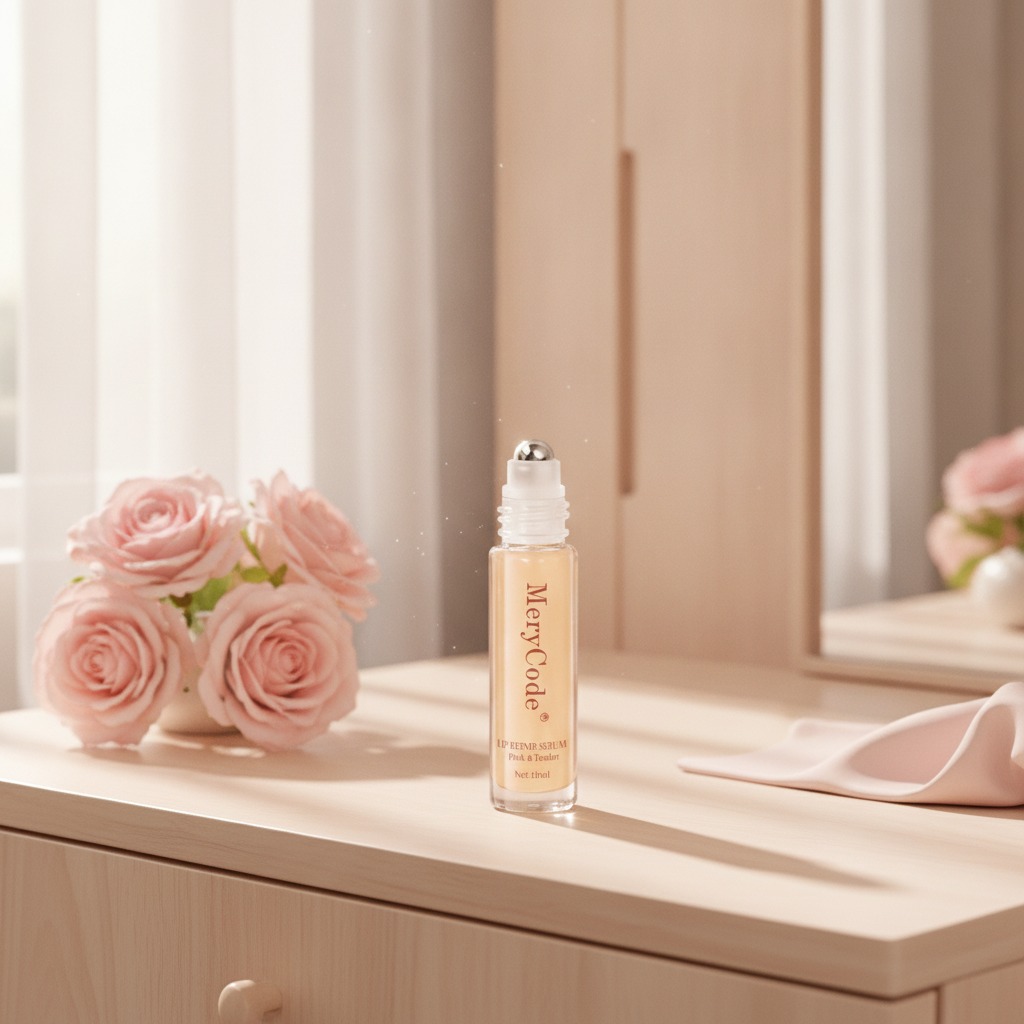
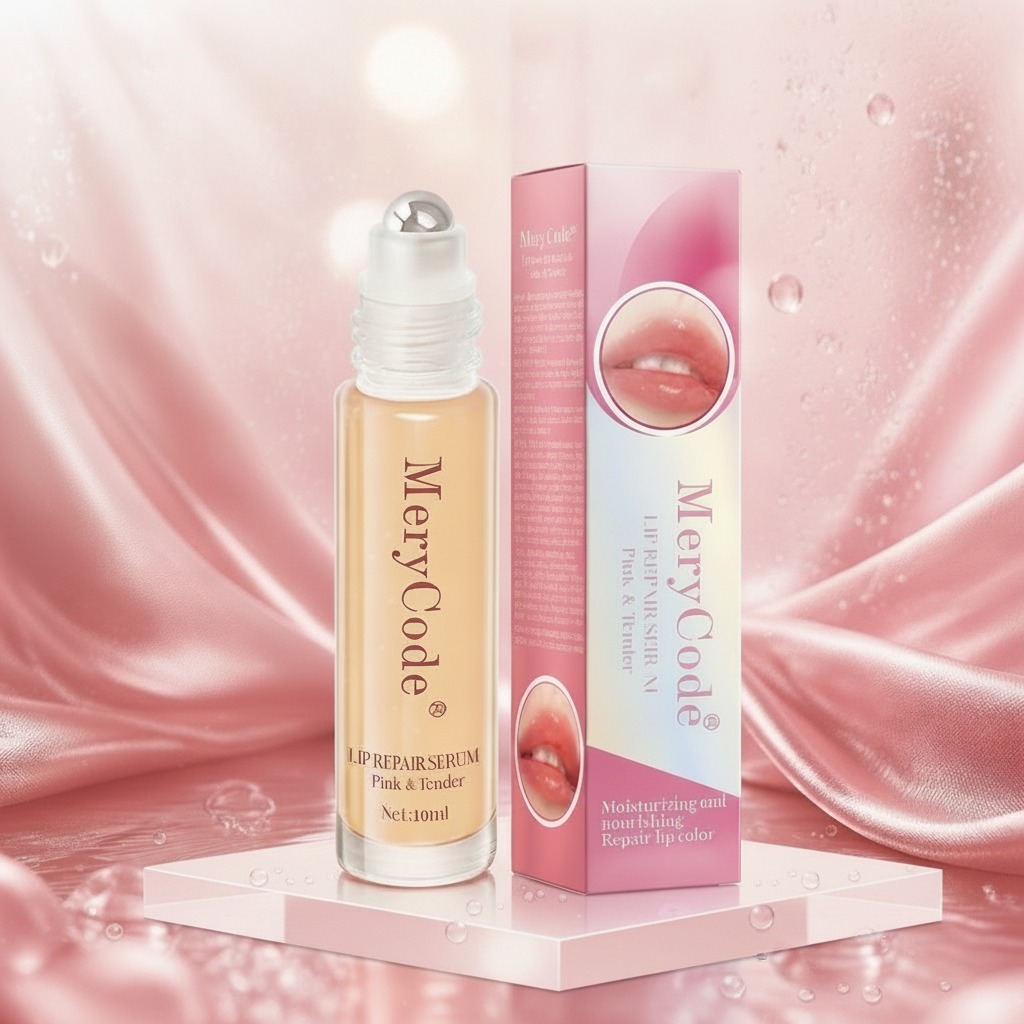
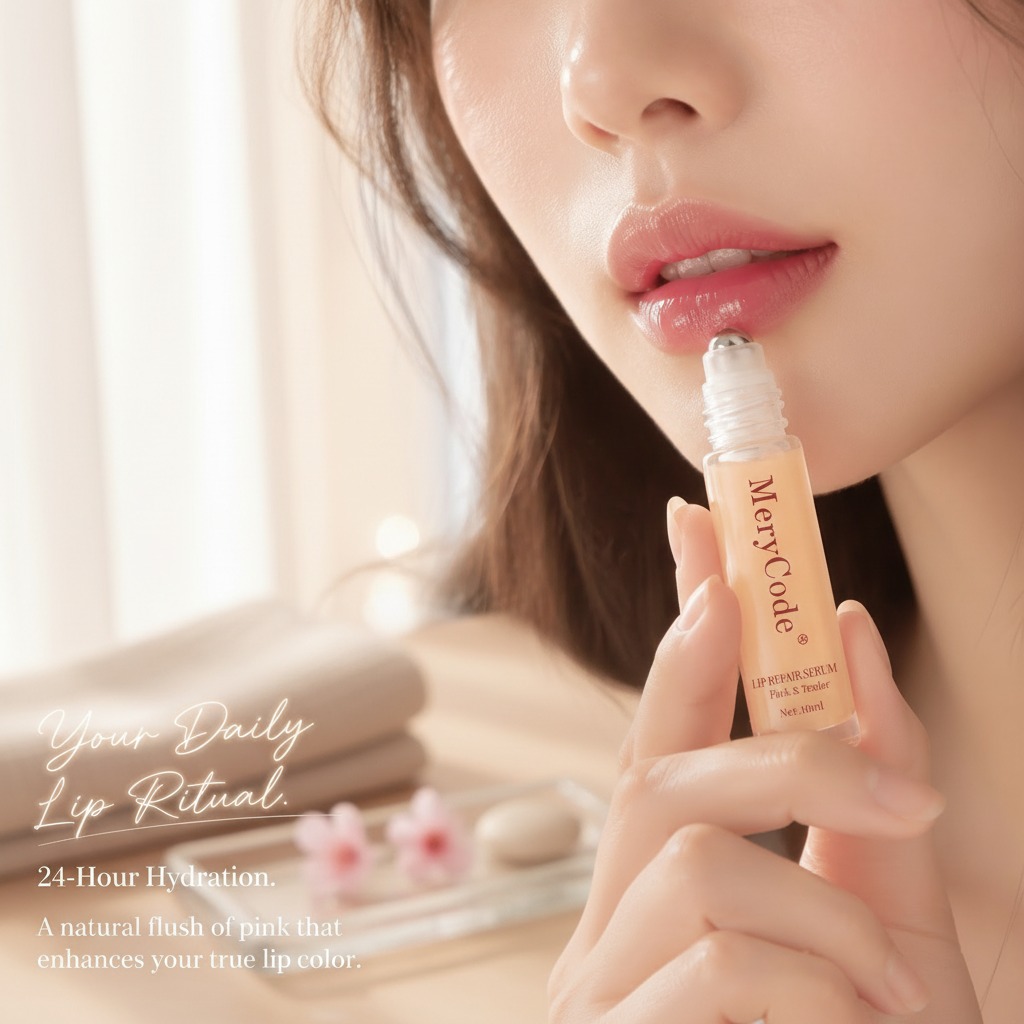
A lip product often earns its place in an entry-level kit because the use case is immediate. There is no learning curve. Twist it, apply it, move on. In the product data here, the item is a lip care serum or lip oil in a rollerball applicator, packaged in a clear or translucent 10 ml bottle with a white plastic neck and metal rollerball tip. The label reads MeryCode, Lip Repair Serum, and Pink & Tender.
That kind of format does a few things well. First, it supports portability. Second, the rollerball creates a controlled application, which can be appealing in lower-commitment starter kits where users may not want to dip fingers into a pot or deal with a wand that picks up too much product. Third, the pale peach-pink liquid and the printed promise of a “natural flush of pink” make the item feel cosmetic rather than medicinal, which is often exactly what a casual buyer expects from a starter set.
Why this format sells in simple routines
A small lip serum or lip oil fits into morning bags, desk drawers, and travel kits. It can be used for hydration, basic lip-care routines, and quick touch-ups. The packaging also signals convenience: compact, visible, and easy to inspect before use. For many buyers, that is enough to justify trying it.
The important caveat is that packaging claims should be read carefully. Here, the bottle shows “24-Hour Hydration,” but unless a supplier provides supporting test data, a buyer should treat that as a marketing claim rather than a verified performance result. That is a practical point, not a cynical one. In beauty purchasing, the difference between promise and proof matters.
What to look for when selecting products for a beauty starter set
A starter set should help the user make a decision quickly. That means every component needs to answer a simple question: will this product be used again after the first week?
For a lip care item like this one, the main selection criteria are straightforward:
- Easy application without tools or mess
- Visible product level and compact size
- Clear naming that explains the function
- A light cosmetic effect, such as a soft tint
- Packaging that feels suitable for daily carry
In a broader kit, this kind of item works best alongside other uncomplicated products rather than highly technical formulations. A starter set is not the place for a crowded ingredient story or a complicated application sequence. It should feel reassuringly simple.
Common buyer mistakes with starter sets
One of the most common mistakes is overpacking the bundle. Buyers may think more items means more value, but in practice it can become a drawer full of unopened minis. Another mistake is choosing products that are too niche. If a product only serves a narrow audience, it may not belong in a starter set aimed at general use.
With lip products, another trap is ignoring the difference between aesthetic appeal and day-to-day usability. A pretty tube is helpful, but if the format is awkward or the cap feels flimsy, users notice quickly. The same is true of claims. Buyers should be wary of leaning on unverified phrases like repair, hydration, or enhancement without asking how those claims are supported.
Practical advice for sourcing and merchandising
If you are building a beauty starter set, think in terms of routine friction. What makes a customer stop using a product? Too many steps, unclear purpose, messy packaging, or a result that is hard to notice. The lip serum described here avoids several of those problems by offering a clear application method and a visible tint cue.
That does not make it a complete solution on its own. It makes it a useful component. For sourcing managers, the decision is less about finding the “best” cosmetic item in isolation and more about finding one that performs predictably inside a set. The format should be compact, legible, and easy to standardize across retail or promotional channels.
FAQ for buyers
Is a lip serum a good starter-set item?
Yes, if the goal is to offer a simple, low-barrier product with immediate daily use.
Does the 10 ml size matter?
It does. Small sizes are often more appropriate for starter sets because they reduce risk and fit better into trial-driven purchasing.
Should I rely on hydration claims alone?
No. Treat marketing claims as starting points and ask suppliers for substantiation where needed.
A sensible next step
For teams assembling a beauty starter set, start with products that are easy to understand, easy to use, and easy to reorder. A rollerball lip care serum like this one can play that role well, especially when the set needs a touch of color, a compact footprint, and a straightforward daily-use story.
If you are shortlisting starter-set components, compare packaging, application method, and claim support before you compare copy on the label. That usually leads to cleaner decisions and fewer disappointments later.