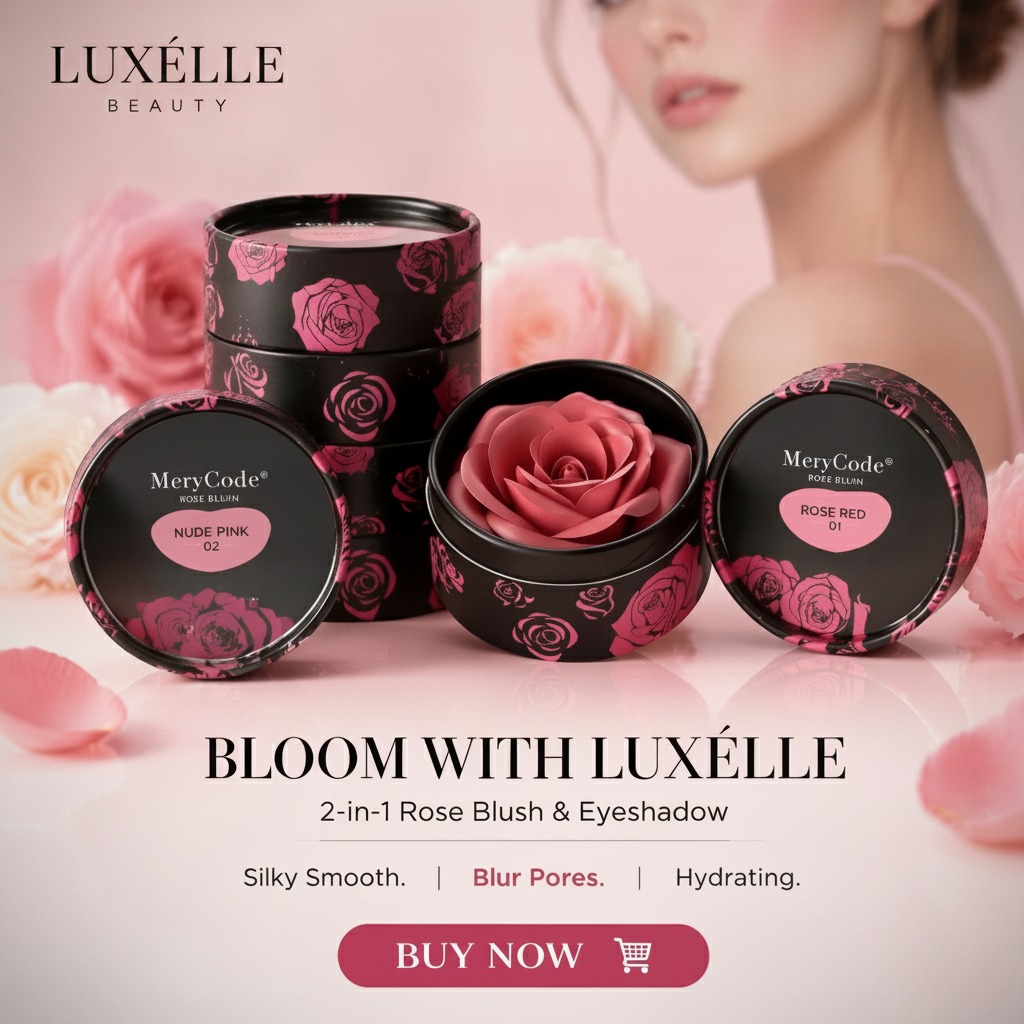
Why a compact with classic elegance still sells in modern beauty aisles

A round cosmetic compact may look simple at first glance, but the best ones do more than hold powder. They shape the customer’s first tactile impression, travel well in a handbag, and quietly signal whether a beauty brand is aiming for luxury, practicality, or both. In this case, the product format combines classic elegance with a gold-finish exterior, a low-profile round body, and a separate puff applicator. That is not just styling; it is packaging strategy.
For sourcing managers and product teams, the real question is not whether a compact looks attractive. It is whether the structure, finish, and fill format make sense for the intended market. A cosmetic compact has to protect the formula, support consistent application, and survive repeated opening, closing, and transport. If it fails on any one of those points, the nicest design in the catalogue will still become a returns problem.
What this compact format is designed to do
The visible structure suggests a portable makeup container intended for pressed face powder, loose powder, or a similar complexion product. The round profile is familiar to consumers because it is easy to hold and easy to slip into a pouch or handbag. The gold exterior gives the piece a decorative, premium look, while the interior shows a circular powder pan and a separate white puff with a central ribbon band.
That combination matters. Some powder products rely on a built-in applicator, while others expect a sponge or puff to be stored separately. A separate puff can make the pack feel more complete at retail, but it also adds a small amount of assembly complexity. Buyers should not treat it as a cosmetic afterthought. A puff that fits awkwardly, sheds fibers, or takes up too much internal space can undermine the whole package.
Design details buyers should evaluate
A packaging buyer looking at this type of product will usually want to check three things first: exterior finish, closure quality, and internal layout.
The glossy gold outer body can help a product stand out on shelf and at counter display, but decorative finishes tend to reveal handling marks more quickly than matte surfaces. That is not necessarily a flaw; it is a tradeoff. A high-shine cosmetic compact often needs better care in transit and stronger carton protection.
The two-part round structure also needs a reliable opening and closing feel. Whether the lid is hinged or lift-off is not verifiable here, so that detail should be confirmed during sampling. Either way, the user experience should feel secure without becoming difficult for older customers or anyone doing quick touch-ups on the move.
The visible powder surface, with its multicolor mosaic or petal-like appearance, suggests a decorative fill style rather than a plain pressed disc. That may support a more premium shelf story, but buyers should confirm how the final filled product behaves after shipment. Decorative surfaces can be attractive on day one and less convincing after vibration, heat exposure, or repeated use.
Manufacturing and packaging considerations
From a production standpoint, this type of compact usually sits at the intersection of cosmetic packaging assembly and powder filling. The shell may be injection-molded or stamped, then coated or plated for the gold effect. The powder itself would be compacted or filled according to the formula and presentation goal. Exact methods depend on the supplier and cannot be assumed from appearance alone.
That is where practical sourcing discipline pays off. Ask for samples that reflect the intended retail condition, not only a display mock-up. Confirm whether the decorative top is printed, engraved, or inlaid. If the compact includes a mirror, verify it on the sample rather than relying on a rendering or photo. Small omissions like that have a habit of becoming expensive once packaging is in mass production.
Where this style fits in the market
This compact style fits beauty brands that want a blend of portability and presentation. It can work for private-label cosmetic lines, gift sets, seasonal launches, or counter products aimed at everyday touch-ups. The classic round shape is familiar enough to reduce consumer hesitation, while the gold finish pushes the pack away from basic drugstore packaging.
For brands, the appeal is straightforward: it looks giftable, travels well, and supports a premium story without needing a complicated geometry. For manufacturers, the challenge is equally clear: surface quality, assembly repeatability, and consistent fill appearance must all hold up.
Common mistakes when sourcing compact powder packaging
One common mistake is overvaluing appearance and underestimating handling. A compact that photographs well can still feel flimsy in hand. Another is neglecting the puff. The included applicator should match the product’s intended use, otherwise the customer ends up substituting their own tools.
A third mistake is assuming every “luxury” finish is equally durable. Gold effects vary widely in resistance to abrasion, fingerprints, and edge wear. If the product will be handled frequently in stores or shipped long distances, that needs to be part of the supplier conversation.
Buyer guidance before you place an order
Before committing to a cosmetic compact like this, request confirmation on the shell material, closure mechanism, inner pan dimensions, and whether the accessory puff is included as standard or optional. If the design is meant for a retail collection, ask how the exterior finish holds up under ordinary handling rather than laboratory language alone.
A good buying decision here is not just about style. It is about making sure the packaging supports the formula, the channel, and the customer’s daily routine. When those pieces align, classic elegance stops being a phrase and becomes a selling point.
What to do next
If you are comparing round compact options for a private-label or branded powder line, start with a sample review that covers finish quality, user feel, puff fit, and fill presentation. That short test often reveals more than a long spec sheet. From there, you can decide whether this format is a strong fit for travel retail, counter display, or a more everyday mass-market launch.