1. Why a fruity flavored lip oil still matters in a crowded lip-care aisle
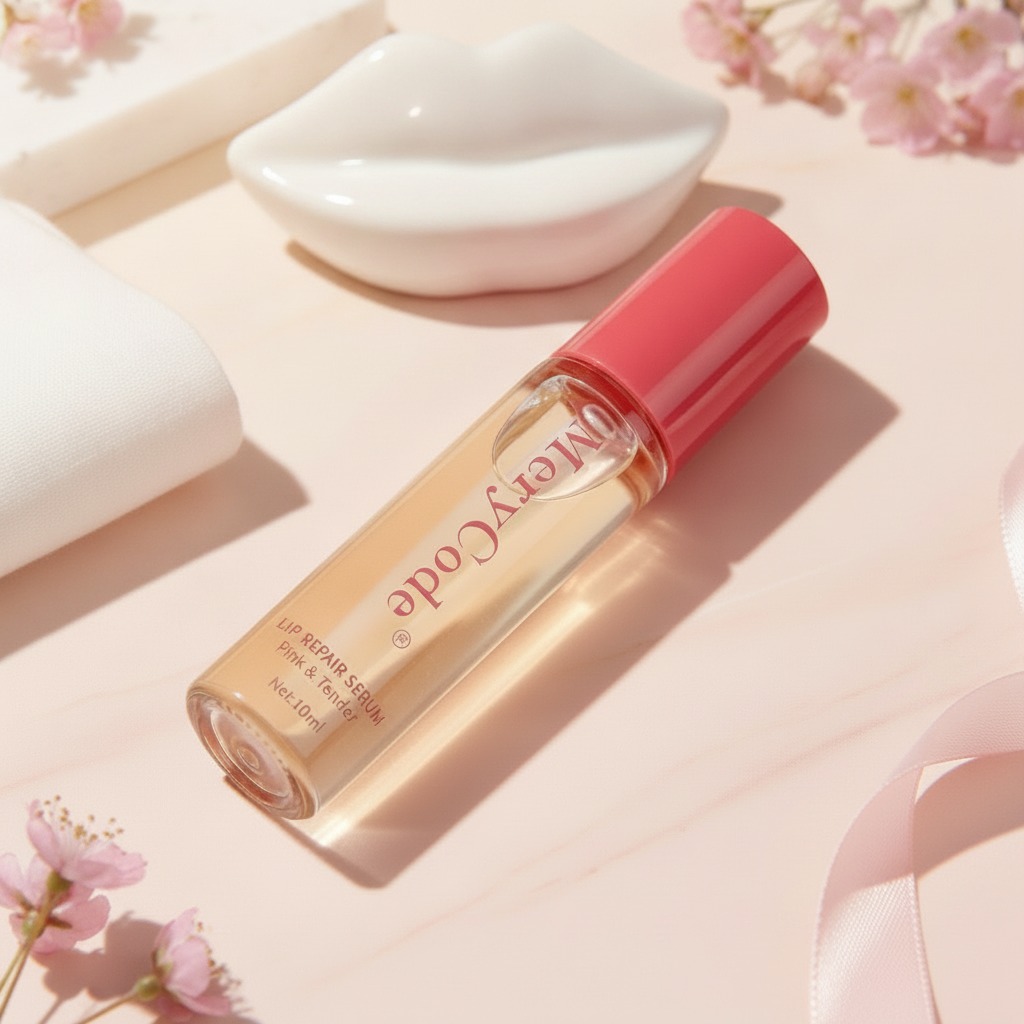
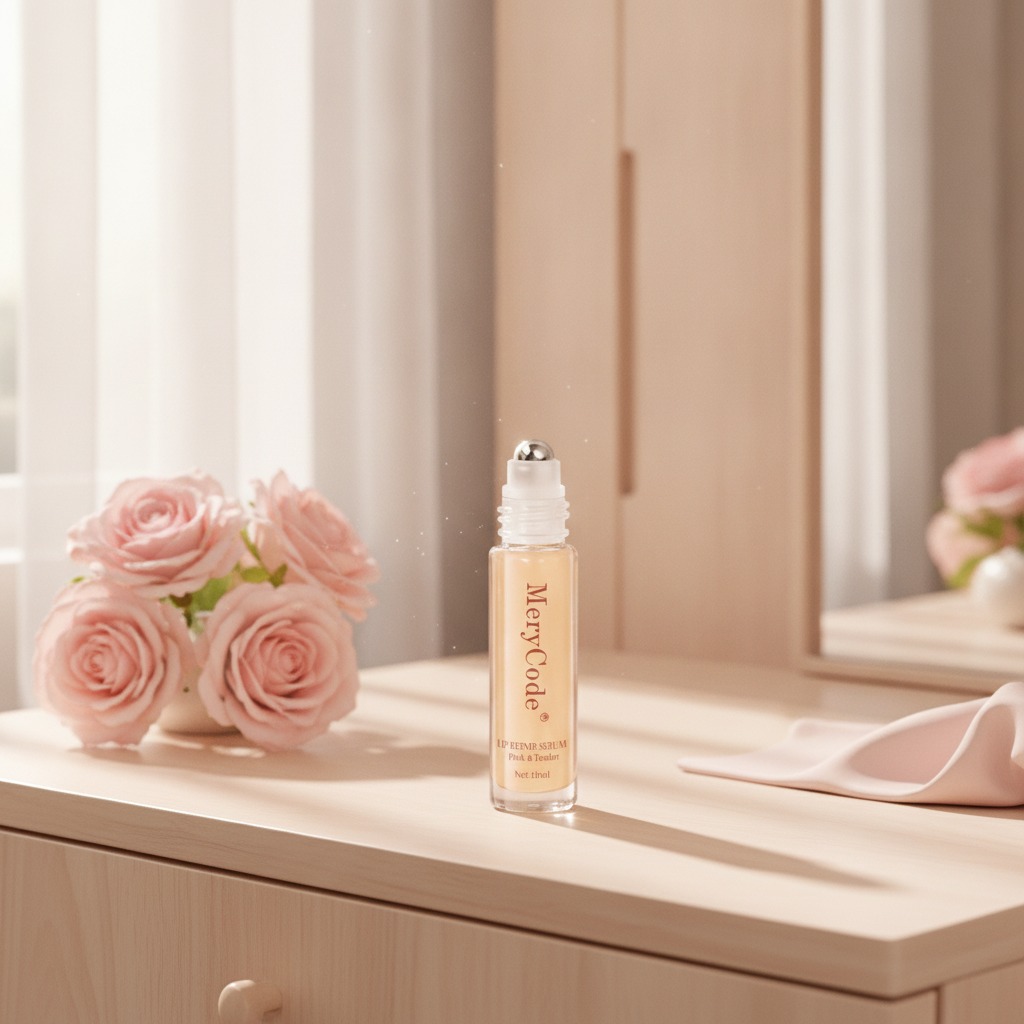
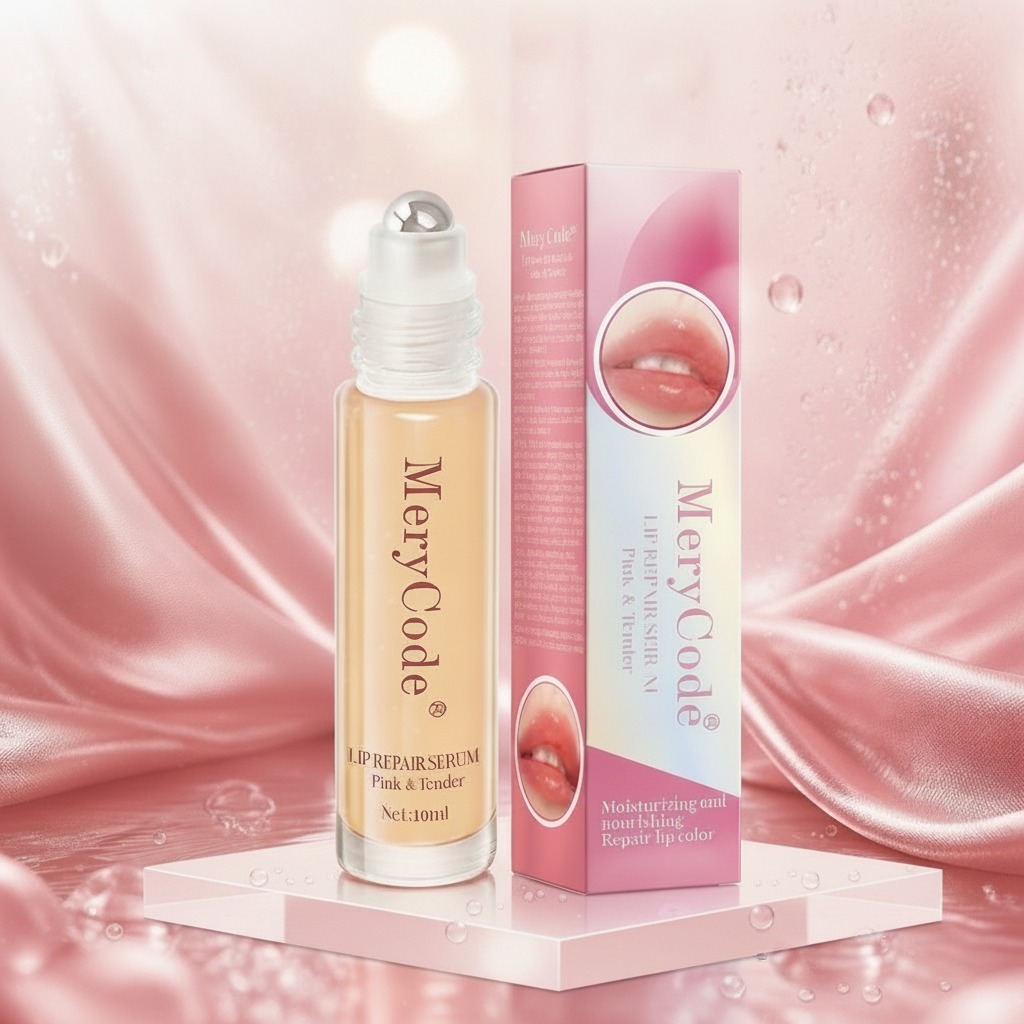
A fruity flavored lip oil sits in an awkward but commercially useful space between treatment and cosmetics. Buyers want something that feels like care, looks attractive on shelf, and gives the customer a reason to reapply during the day. That is especially true for products positioned around lip repair, moisture, and a soft cosmetic finish. The item described here, labeled “Lip Repair Serum / Pink & Tender,” is a good example of that middle ground: a small 10 mL glass bottle with a bright pink cap and a clear, tinted liquid inside.
For sourcing teams and product managers, the real question is not whether the format is pretty. It is whether the format is easy to retail, easy to carry, and credible enough that shoppers believe it belongs in their routine. In lip care, packaging often does half the selling. Sometimes more.
2. What this product format tells a buyer at a glance
Here are the visible signals that matter before anyone even opens the bottle:
- Category: cosmetic lip treatment rather than a conventional color cosmetic
- Pack size: 10 mL, which is small enough for travel or checkout displays
- Container: clear glass, which lets the liquid and fill level show through
- Cap: bright pink/red plastic, giving strong visual contrast on shelf
- Liquid appearance: light amber or tinted, suggesting a serum or oil-like texture
That combination is useful in e-commerce too. Customers shopping online cannot test texture, so they lean on visual cues. A clear bottle, a colored cap, and a name that signals lip repair can do a lot of the work. The downside is obvious: if the product overpromises and underdelivers on feel, the packaging cannot save it for long.
3. Key takeaways for sourcing and product planning
If you are comparing lip-care formats, this style has a few practical strengths:
- Retail-friendly size: 10 mL is small, inexpensive to ship, and easy to place near checkout or in gift sets.
- Broad use case: it can be positioned for daily moisturizing, conditioning, and “lip repair” routines.
- Giftability: bright colors and compact glass packaging usually photograph well.
- Low-friction trial: consumers are more likely to test a small cosmetic lip treatment than commit to a larger jar or tube.
The practical caution is glass. It improves perceived quality, but it also adds weight and breakage risk. For a brand selling through e-commerce or travel-oriented channels, that matters. A good retail concept can still fail in transit if the pack is not built for handling.
4. Where fruity flavored lip oil fits among common lip-care types
Not every lip product solves the same problem.
Oil-style lip treatments
These are usually chosen for gloss, slip, and a lightweight moisture feel. They tend to appeal to shoppers who dislike heavy balms.
Serums and repair-focused treatments
A “lip repair serum” label points toward a more treatment-led message. Buyers usually expect comfort, conditioning, and daily use rather than strong color payoff.
Balms and thicker occlusives
These are more protective and often better for dry climates or overnight use. They may feel less elegant in a prestige or beauty-counter setting.
This is why the terminology on-pack matters. A fruity flavored lip oil and a repair serum can overlap in consumer perception, but they do not always communicate the same promise. One leans sensorial; the other leans functional. Brands should decide which message leads.
5. What to ask before you place an order
A buyer should not stop at appearance. The visible product gives only part of the story.
- Is the liquid actually an oil, a serum, or another lip-care base?
- What applicator is used, and is it suitable for controlled dispensing?
- How does the closure perform in normal retail handling?
- Does the formula stay visually stable in the bottle over time?
- Is the pack suitable for counter display, online shipping, or both?
Those questions sound basic, but they prevent a lot of post-launch noise. A pretty bottle with a vague formulation story can generate initial interest and then stall when buyers ask for details.
6. Common mistakes brands make with this kind of lip product
The first mistake is overclaiming. If the visible product is a cosmetic lip treatment, treat it like one. Do not drift into medical-style language unless the substantiation is there.
The second mistake is ignoring shelf behavior. A clear bottle shows fill level, which is useful, but it also shows any separation, discoloration, or cosmetic inconsistency. That is fine if the formula is stable; less fine if it is not.
The third mistake is assuming fruity styling automatically equals broader appeal. In reality, fragrance or flavor cues can be polarizing. Some customers want a playful, fruit-forward experience. Others want neutral, almost invisible lip care. Product strategy should reflect that split instead of pretending it does not exist.
7. A practical buyer’s view of the product opportunity
For retailers and brands, this format works best when the job is clear: quick moisturization, visible shelf appeal, and easy daily use. It suits gift sets, beauty impulse buys, and lightweight personal-care assortments. It may also work well for travel or entry-price lip-care lines, where shoppers want a compact item that looks a little nicer than a plain tube.
The main decision is whether the product is being sold as a treatment, a beauty accessory, or a bit of both. That answer should guide everything from label copy to channel selection.
8. Next step for sourcing teams
Before moving ahead, request the full formulation details, packaging specification, and dispensing method, then check whether the retail story matches the physical pack. If the goal is to launch or private-label a fruity flavored lip oil, the winning version will usually be the one that balances presentation, usability, and honest product positioning. A nice bottle helps. A clear message helps more.