Why fruity flavored lip oil has become more than a beauty impulse buy
A fruity flavored lip oil sits in an interesting spot in the lip care market. It is not just a shine product, and it is not quite a heavy balm either. For many buyers, that middle ground is exactly the point: a glossy finish, a moisturizing feel, and a flavor or scent profile that makes daily use easier to sell on the shelf. For sourcing teams and product developers, the real question is less about trendiness and more about whether the formula can deliver hydration without the tacky afterfeel that turns shoppers away.
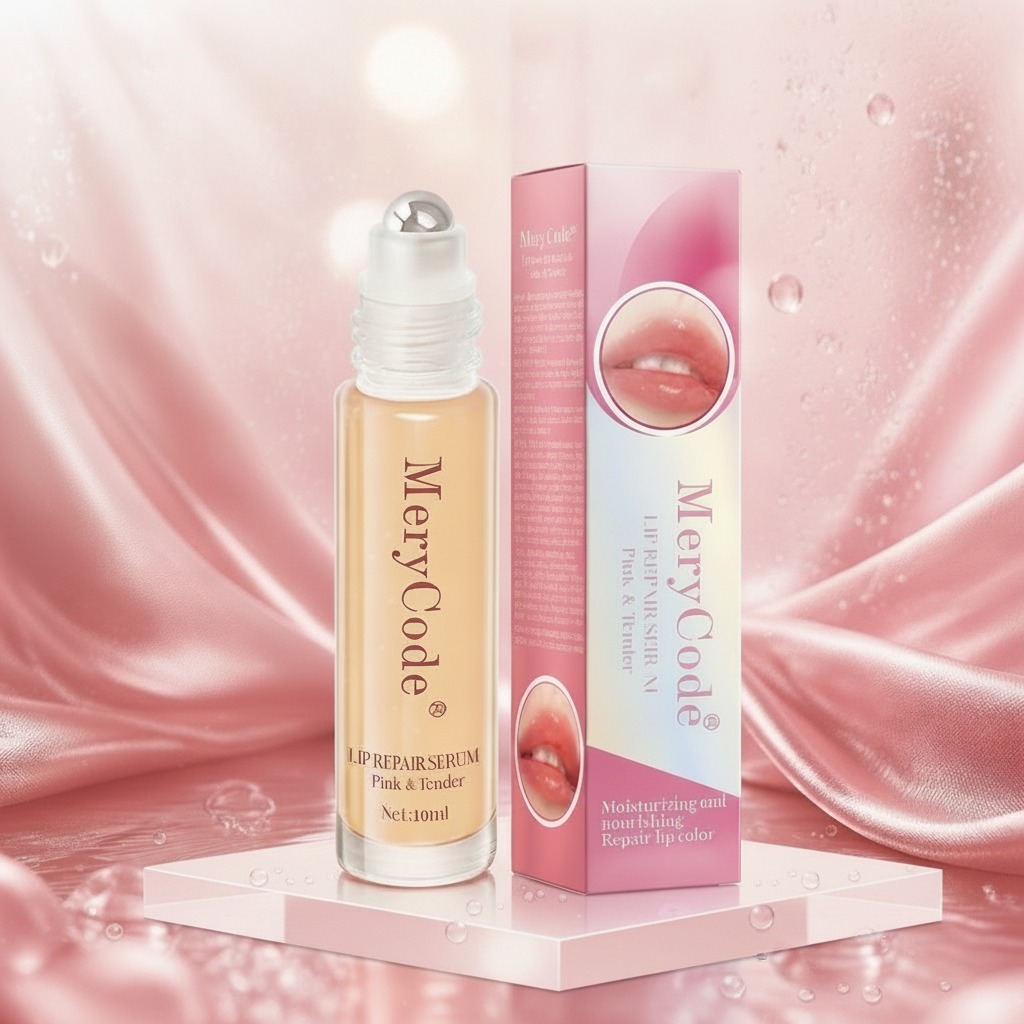
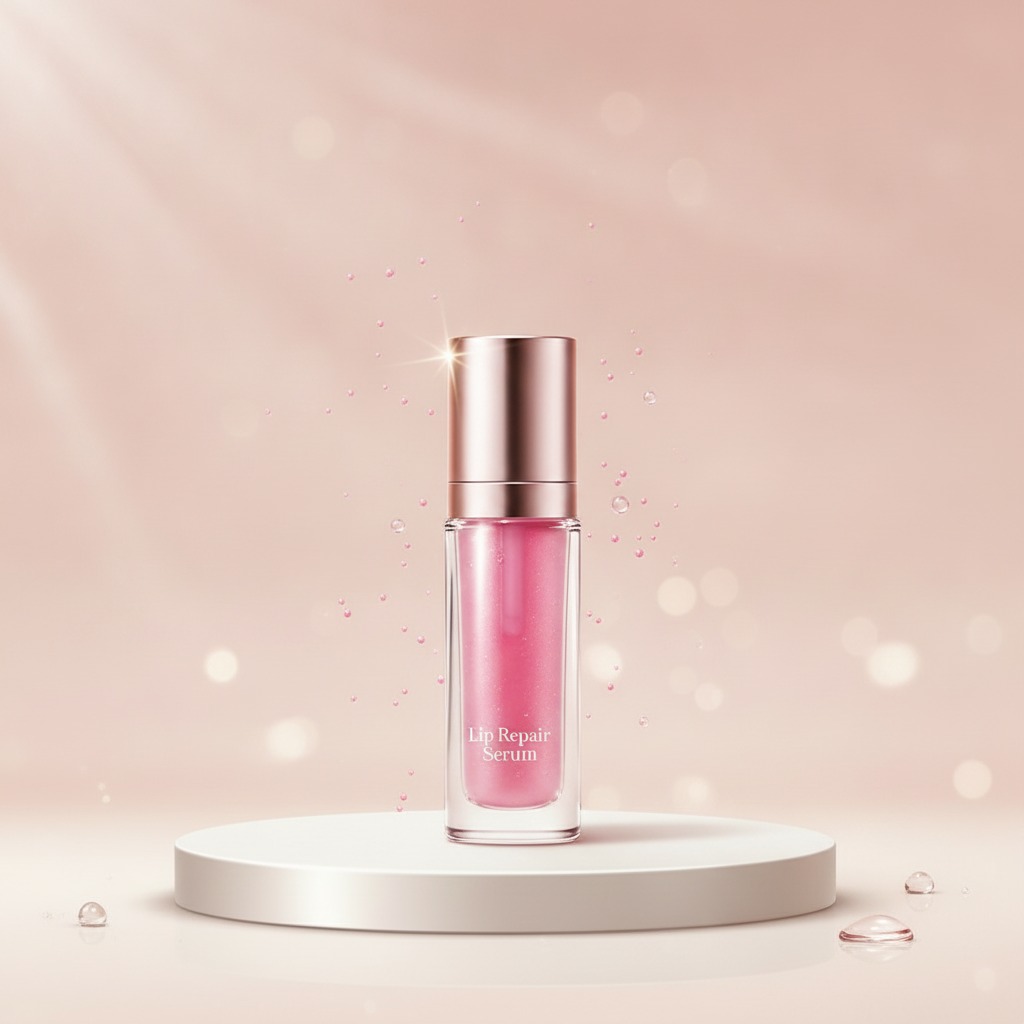
The product profile here points to a pink translucent gel or serum with a wet, high-shine finish. That matters. In lip care, visual payoff is part of the function. Consumers often judge lip treatment products by the way they look on application, not only by claims on the carton. A “melting glow” texture suggests a formula that spreads smoothly and leaves a thin coating instead of sitting heavily on the lips.
What buyers are actually looking for
The practical use cases are straightforward: daily hydration, relief for dry or chapped lips, shine, and a treatment-like product that can be worn alone or layered over other lip color. That combination is commercially useful because it broadens the customer base. A shopper who wants a cosmetic sheen may buy it for appearance. Another shopper may buy it because the lips feel tight, flaky, or rough and they want something more pleasant than a plain balm.
The stated selling points are also familiar: non-sticky and ultra-hydrating. Those two claims are common in lip care, but they are not interchangeable. Non-sticky addresses comfort and wearability. Ultra-hydrating addresses the sensory perception of moisture and softness. If a formula leans too far toward gloss, it can feel greasy. If it leans too far toward treatment, it can lose the shine that drives impulse purchase. Balancing those two goals is where the formulation work really begins.
Formula behavior matters as much as the claim
A lip oil can be marketed as a treatment, a gloss alternative, or a hybrid. The visible product description here suggests a liquid or semi-gel system with moisturizing ingredients. That usually means the base needs to spread evenly, hold shine, and avoid separation over shelf life. It also needs to perform under ordinary consumer conditions: different room temperatures, repeated opening and closing, and application over bare lips or lipstick.
For manufacturers, this is where caution is useful. A formula that looks rich in the tube may still disappoint if it migrates, feels tacky after a few minutes, or breaks down when layered over another product. A glossy product is easy to admire in a photo. It is harder to keep stable, comfortable, and consistently filled at scale.
Key product questions for sourcing and development
Before committing to a fruity flavored lip oil, buyers usually need a clear answer to a few basic points:
1. What is the intended position?
Is it a lip gloss with care benefits, or a lip treatment with cosmetic shine? That distinction affects claims, packaging, and consumer expectations.
2. How strong should the sensory profile be?
“Fruity” can mean many things in practice. It may be a light flavor impression, a stronger scent, or simply an uplifting sensory cue. Since the exact scent or flavor is not provided, it should be defined during development rather than assumed.
3. What is the packaging logic?
The product category likely requires a filling-and-packaging process suited to liquid or semi-gel cosmetics. Compatibility between formula and package is not a side issue. Glossy lip products can be unforgiving if the applicator picks up too much product or if the closure does not protect against leakage.
4. What claims can be supported?
Visible marketing language such as “non-sticky” and “ultra-hydrating” can help sell the product, but they still need to align with the actual user experience. Claims about deep penetration or repair should be handled carefully unless they are properly supported and fit the product’s cosmetic scope.
Common mistakes in this category
One mistake is overloading the formula with shine at the expense of comfort. Another is making the product look like a treatment while pricing it like a mass gloss, then discovering that the sensory performance does not justify the margin. A third mistake is underestimating how quickly lip products are judged. Customers notice the first swipe. They notice drag, slipperiness, and whether the finish looks healthy or just wet.
There is also a packaging warning worth noting: lip oil products can appear simple, but formula stability and clean dispensing are not trivial. A small amount of leakage can ruin the retail presentation of an otherwise good product.
What a sensible buyer should ask for
If you are sourcing or developing this kind of item, ask for samples that let you judge spreadability, gloss level, afterfeel, and packaging compatibility under normal storage conditions. Ask how the product is intended to be used: alone, over lipstick, or as part of a lip care routine. And ask how the brand wants to speak about hydration and repair, because those words can move the product from beauty accessory into higher-expectation territory very quickly.
FAQ: quick answers for product teams
Is a fruity flavored lip oil the same as a lip balm?
No. A lip balm usually emphasizes barrier and occlusion, while a lip oil often focuses more on shine, glide, and a lighter treatment feel.
Can it be used every day?
That is the intended use in many cases. Daily lip hydration is one of the main reasons shoppers pick this type of product.
Should the formula be sticky?
Not if the product is positioned the way this one is. A non-sticky finish is a major comfort advantage.
A practical next step
For brands and sourcing managers, the right decision is not whether fruity flavored lip oil is trendy. It is whether the formula, finish, packaging, and claims line up cleanly enough to satisfy the customer after the first application. If you are evaluating a supplier or private-label partner, start with sensory samples and packaging tests, then work backward to the claims. That saves time, and in lip care, it usually saves a few headaches too.