Why lip oil has become a serious product category, not just a glossier afterthought
Lip oil sits in that useful middle ground between skincare and color cosmetics: it gives lips a wet-looking shine, a soft tint, and a more conditioned feel without the heavier slip of some glosses. For brands, buyers, and product teams, that combination has made lip oil a practical item to watch, especially when a product also promises a color-changing effect based on pH, moisture, or body temperature. That kind of visible transformation is easy for shoppers to understand in a retail setting. It also raises a few manufacturing questions that matter just as much: how stable is the formula, how consistent is the color shift, and how does the final texture behave on different lip conditions?
The appeal is straightforward. Consumers want something they can apply quickly, feel immediately, and see right away in the mirror. A product that moisturizes, adds shine, and gives a pink or red flush can do a lot of work in one tube. If it also claims to reduce the look of lip lines or create a fuller-looking finish, it moves even closer to the “daily-use beauty treatment” shelf than to a simple color product. That is why the category keeps showing up in private label discussions and in retail assortments aimed at quick-turn, high-impulse sales.
What a buyer should actually be evaluating
When a lip treatment changes color, the marketing story can take over quickly. The safer approach is to separate the visible effect from the underlying formula performance. Buyers should be asking whether the product feels cushiony or greasy, whether the shine stays clean or migrates, and whether the tint develops evenly across different lip tones. A clear-to-red product can look dramatic in close-up photos, but that does not automatically mean it performs well on every user.
There is also the question of wear experience. Some formulas give immediate gloss and then fade to a thin stain. Others stay glossy but can feel heavy. For a promotional item or mass retail SKU, that difference matters more than many teams expect. If the product is meant for daily lip moisturizing, the user experience should feel comfortable enough to reapply without buildup. If it is positioned as a cosmetic color enhancer, then the tint development and finish carry more weight than long wear.
How color-changing lip oil typically fits into cosmetic manufacturing
From a manufacturing standpoint, this type of product usually falls into cosmetic formulation and filling/packaging for lip care or color cosmetics. The exact process depends on the ingredients, viscosity, and chosen package format, but the product generally needs to maintain a clear, glossy appearance while still dispersing color effectively. That can be trickier than it sounds. An oil-based or liquid formula can separate, cloud, or shift in appearance if the base system is not built carefully.
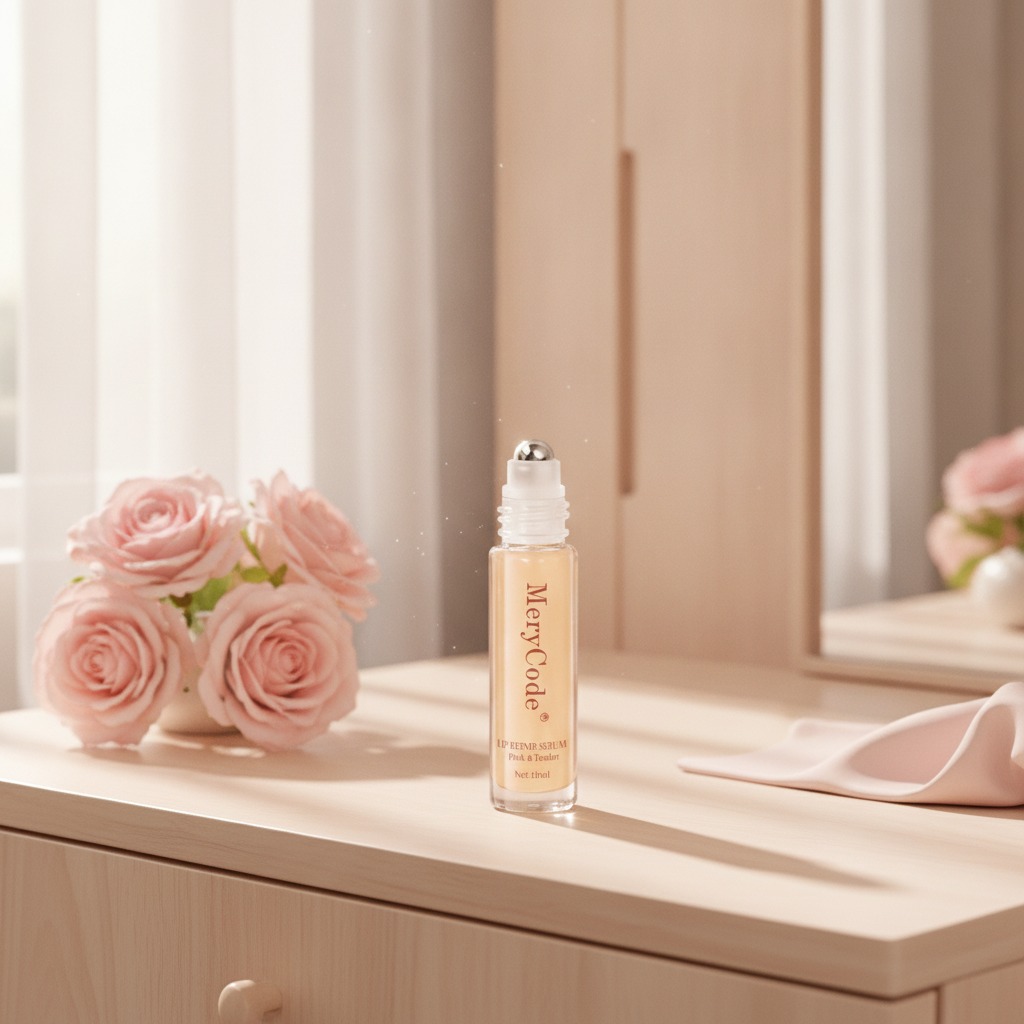
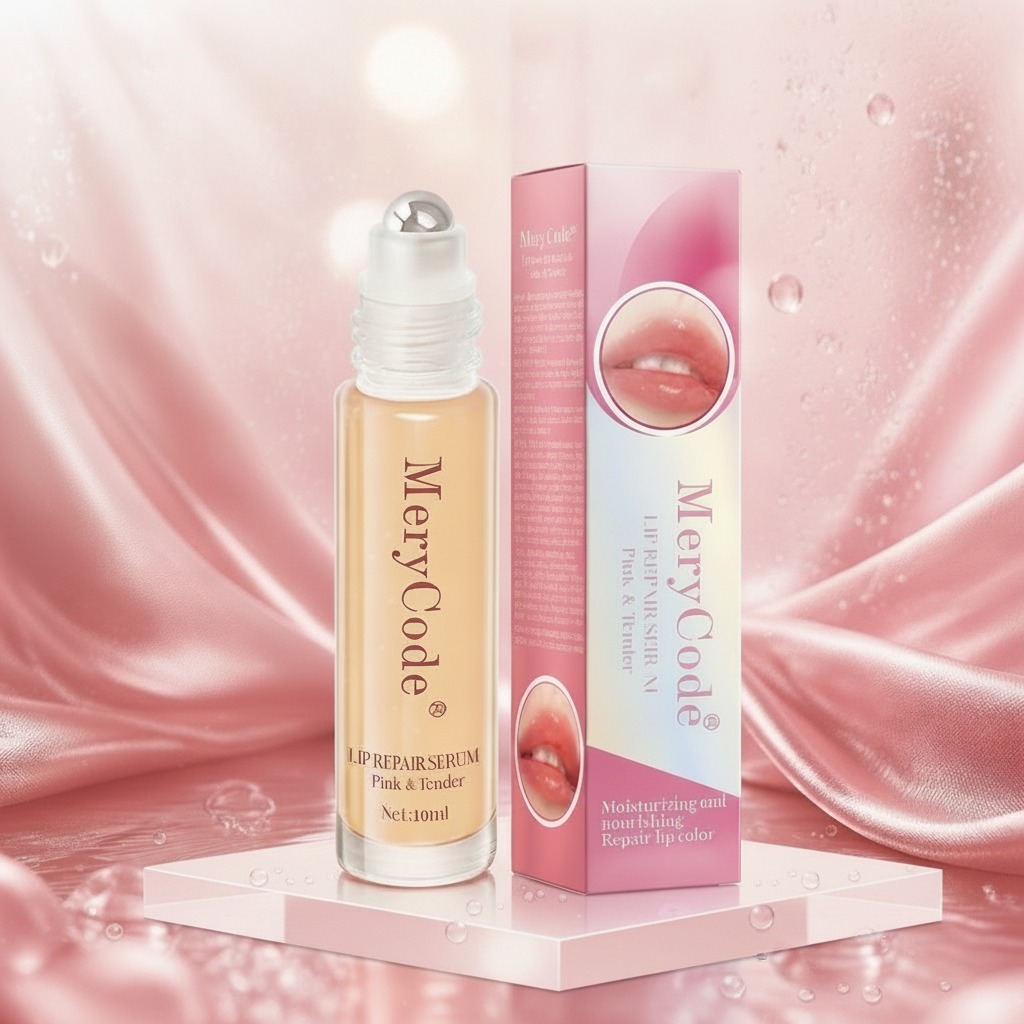
Packaging also affects performance. A wand applicator can deliver a smooth, even coat, while a squeeze tube may suit a simpler lip balm-style format. The image data does not confirm the packaging type, so it is better to treat that as an open specification rather than assume one. For sourcing teams, this is not a minor detail. The package affects filling accuracy, leakage risk, user perception, and even how the product appears on shelf.
Functional claims that need practical scrutiny
The visible claims here are familiar: moisture, shine, plumping effect, and a fuller-looking lip line. Those are common selling points, but they should be handled carefully. “Plumping” can mean anything from a mild warming sensation to a temporary smoothing effect that makes lips look less lined. If the product is being developed for retail, the claim language should match what the formula can reliably deliver. Overstated copy may sell the first unit; consistent performance sells the second.
Selection criteria that matter more than trend language
When evaluating a lip oil product for private label or sourcing, it helps to think in five practical buckets: finish, comfort, tint behavior, packaging compatibility, and shelf presentation. A formula that looks beautiful in a studio photo may still fail if it bleeds into lip lines, feels tacky after a few minutes, or loses its color shift too quickly. Conversely, a simple formula with a clean glossy finish and stable tint can outperform a more ambitious one on the shelf.
For brands building a broader lip care range, a color-changing lip oil can serve several roles. It can be a daily moisturizing item, a low-commitment color product for casual users, or a promotional beauty item that photographs well and communicates novelty fast. That flexibility is valuable, but only if the formula and packaging are reliable enough to support it.
Common mistakes buyers make with this category
The biggest mistake is treating all lip oils as interchangeable. They are not. Some are closer to a treatment balm, others to a gloss, and some lean toward a lightweight stain with an oily finish. Another mistake is assuming the color-changing effect will be identical across all users. Body temperature, moisture, and pH can influence the final result, which means the same product may look brighter on one person and softer on another. That is normal, but the buyer should know it before packaging promises get locked in.
A smaller but still important caution: glossy products are unforgiving in quality control. Tiny variations in fill, viscosity, or pigment dispersion can show up immediately. On the shelf, and especially in transparent or semi-transparent packaging, those inconsistencies are hard to hide.
What to ask before moving a lip oil into production
If you are sourcing this kind of product, ask for the exact ingredient list, the intended packaging format, the expected visual behavior of the color shift, and any substantiation behind plumping or smoothing claims. The image information does not provide those details, so they should be treated as open technical questions. That is not a red flag by itself. It is simply the normal stage where a product idea becomes a real manufacturable specification.
For teams planning retail launch or private label expansion, the next step is usually a sample review with attention to texture, shade development, and packaging compatibility. A good lip oil should look appealing the moment it is swatched and still make sense after the first hour of wear. If it does both, the category becomes much easier to sell.