1. Why a moisturizing lip oil is still a relevant buy
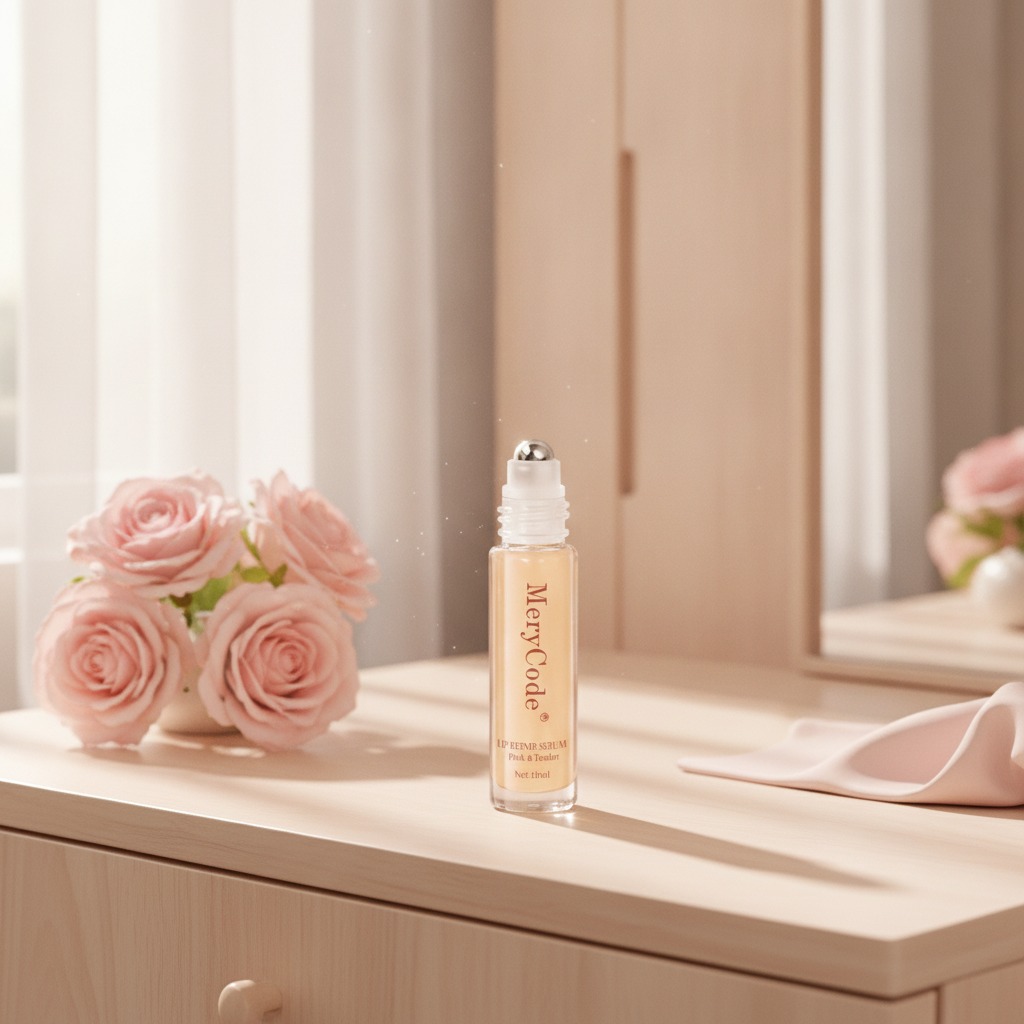
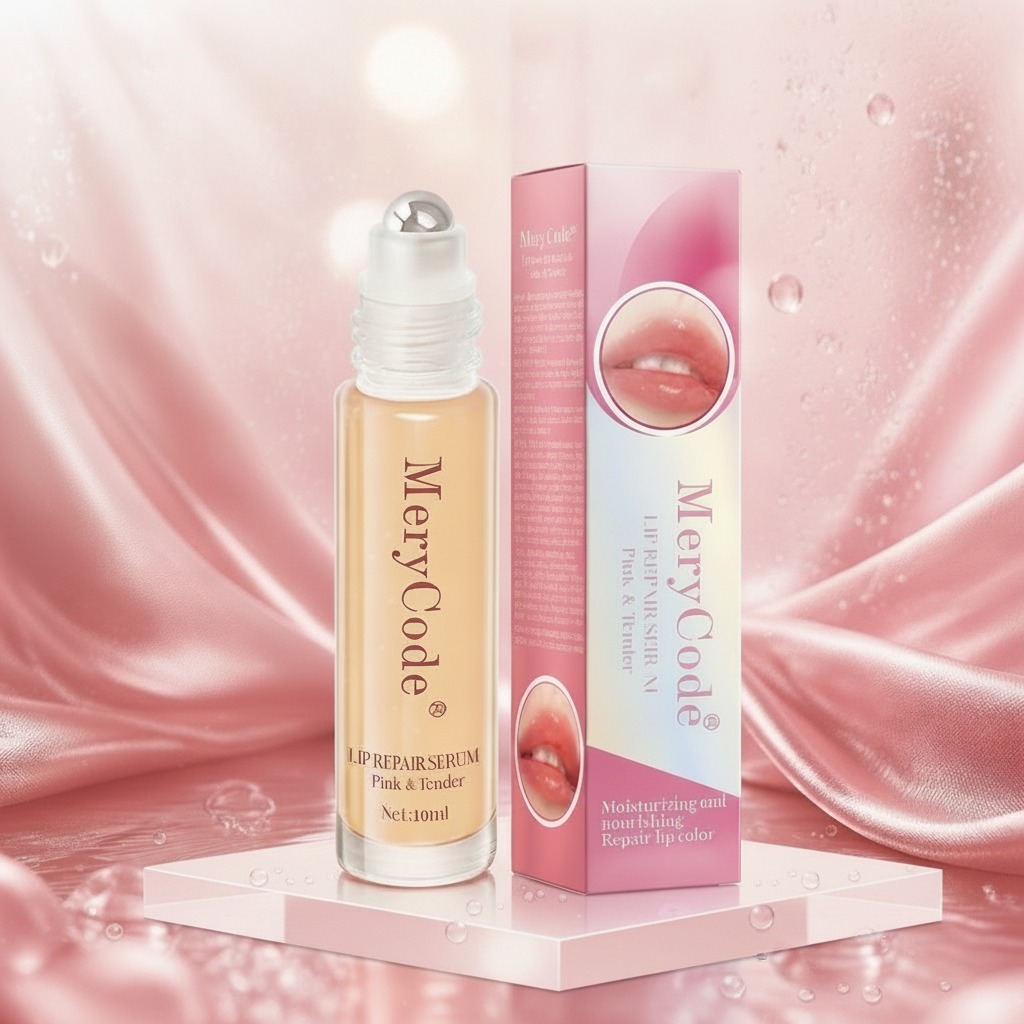
A moisturizing lip oil sits in an interesting middle ground: more treatment than lipstick, more cosmetic than plain balm. For buyers, that matters because the product has to do two jobs at once. It needs to feel comfortable on dry lips, and it also needs to look good enough to leave on through a workday, a commute, or a quick retail shelf test. The product labeled “Lip Repair Serum” and “Pink & Tender Lip Repair Serum” leans right into that hybrid space, with a 10 ml fill, a soft pink-to-white carton, and a light amber liquid in a clear cylindrical bottle.
That combination tells you the real decision is not just “Does it moisturize?” but “Does it sell the lip-care idea clearly, and does the package reinforce that promise?”
2. The basic job of the formula: comfort first, tint second
Most buyers looking at this category want a product that helps lips feel less tight, less flaky, and less visibly dry. A moisturizing lip oil typically tries to create a light conditioning layer while also giving a sheen that reads as healthy rather than sticky. In this case, the marketing language on pack points to “Deep hydration meets color-correction,” which suggests a dual-positioned product: treatment plus subtle cosmetic effect.
That duality is useful, but it comes with a small caution. Once a lip product promises both repair and color, the packaging and claims need to be handled carefully. If the texture is too thin, consumers may question the “repair” angle. If it is too heavy, the “oil” promise starts to feel off. In other words, the formula has to support the story the package is telling.
3. Five packaging details worth noticing before you buy or specify it
1) The 10 ml size
Ten milliliters is a practical retail size for a lip-care serum. It is small enough for travel or impulse purchase, but substantial enough to suggest repeated use. For sourcing teams, that size also helps keep the unit price and shelf footprint manageable.
2) The clear cylindrical bottle
The bottle appears transparent, which is a common cosmetic move when the liquid color is part of the appeal. Here, the light amber tone inside gives the impression of a nourishing serum. Whether the bottle is plastic or glass-like is not clear from the available information, so it is safer to treat the material as visually transparent rather than make a hard call.
3) The cap and applicator area
The white top with a metallic-looking round detail at the opening suggests a standard cosmetic closure, but the exact applicator type cannot be confirmed from the image. That matters more than people think. A lip oil can fail commercially if the applicator deposits too much product, feels scratchy, or leaks in transit.
4) The printed folding carton
The secondary packaging is a paperboard folding box with a pink-to-white gradient and a lip close-up image. That is classic shelf-ready packaging for beauty retail. It helps the product read as soft, feminine, and moisture-focused before the customer ever opens the bottle.
5) The color story
Pink, peach, and white are doing most of the branding work here. In cosmetics, that palette usually signals gentleness, hydration, and a slight brightening or tinting effect. It is not subtle marketing, but it is effective if the formula actually matches the promise.
4. Where this product fits in a lip-care lineup
If you are comparing lip products for a retail assortment or private label range, this type of moisturizing lip oil sits between a basic balm and a more visible color product. That makes it attractive for consumers who want something easy to wear without committing to a full lipstick look.
It is also a sensible addition for buyers targeting everyday self-care, “clean girl” style beauty routines, or convenience-led skincare-cosmetic hybrids. The likely use cases are straightforward: daily moisturization, soft pink tint, and a lip-care step that feels a bit more polished than a standard tube balm.
5. Common buyer mistakes with lip oil products
One mistake is focusing only on the liquid formula and ignoring package behavior. A good lip serum in a leaky or awkward tube becomes a customer service problem fast. Another common issue is overselling the treatment effect. If the product is positioned as a repair serum, buyers should make sure the claim language is consistent with the actual formula and regulatory environment in the target market.
There is also a merchandising trap: too many similar pink-packaged lip products on one shelf can blur together. If the bottle, carton, and shade story are not distinct enough, the item may be technically nice but visually forgettable.
6. Quick selection checklist for sourcing teams
Before approving a moisturizing lip oil for a launch or assortment refresh, check the following:
Does the package clearly communicate hydration and tint? Does the applicator feel suitable for lips and retail handling? Is the 10 ml format appropriate for the target price band and channel? Does the carton protect the product and support shelf appeal? Are the claims written conservatively enough to avoid awkward follow-up questions later?
That last point is worth pausing on. Beauty buyers often get tripped up by language that sounds attractive on mockups but becomes difficult to defend once the product is in-market.
7. Practical questions to ask suppliers
Ask for the exact ingredient list, the applicator style, the bottle material, and the filling/sealing method. If the supplier cannot confirm whether the bottle is glass or plastic, or whether the formula is fragrance-free, vegan, or cruelty-free, do not fill the gap with assumptions. Those details can change both compliance and consumer acceptance.
Also ask for carton print specs and finish options. A glossy gradient carton can look premium, but it must still survive handling, shipping, and shelf abrasion.
8. What this product is really selling
At a glance, this Lip Repair Serum is not trying to be a high-claims clinical treatment. It is selling an accessible promise: lips that look softer, feel more comfortable, and carry a gentle pink tint. For the right buyer, that is enough. The real work is making sure the product’s packaging, fill level, and claim language stay aligned.
9. Next step for buyers
If you are evaluating a moisturizing lip oil for retail, private label, or cosmetic line expansion, request a sample, verify the closure and carton quality, and compare the actual wear feel against the shelf story. The best lip-care products in this category are usually the ones that look simple, feel pleasant, and do not overpromise.