Why a hydrating lip oil is no longer just a vanity SKU
A hydrating lip oil sits in an interesting part of the personal care market: it is simple enough to understand at a glance, but technical enough that buyers still get it wrong. The product has to feel pleasant, look premium, travel well, and avoid the greasy disappointment that makes customers put it back in the drawer after two uses. For sourcing managers and product teams, that means the real decision is not whether lip care sells. It is whether the formula, package, and presentation work together well enough to earn repeat use.
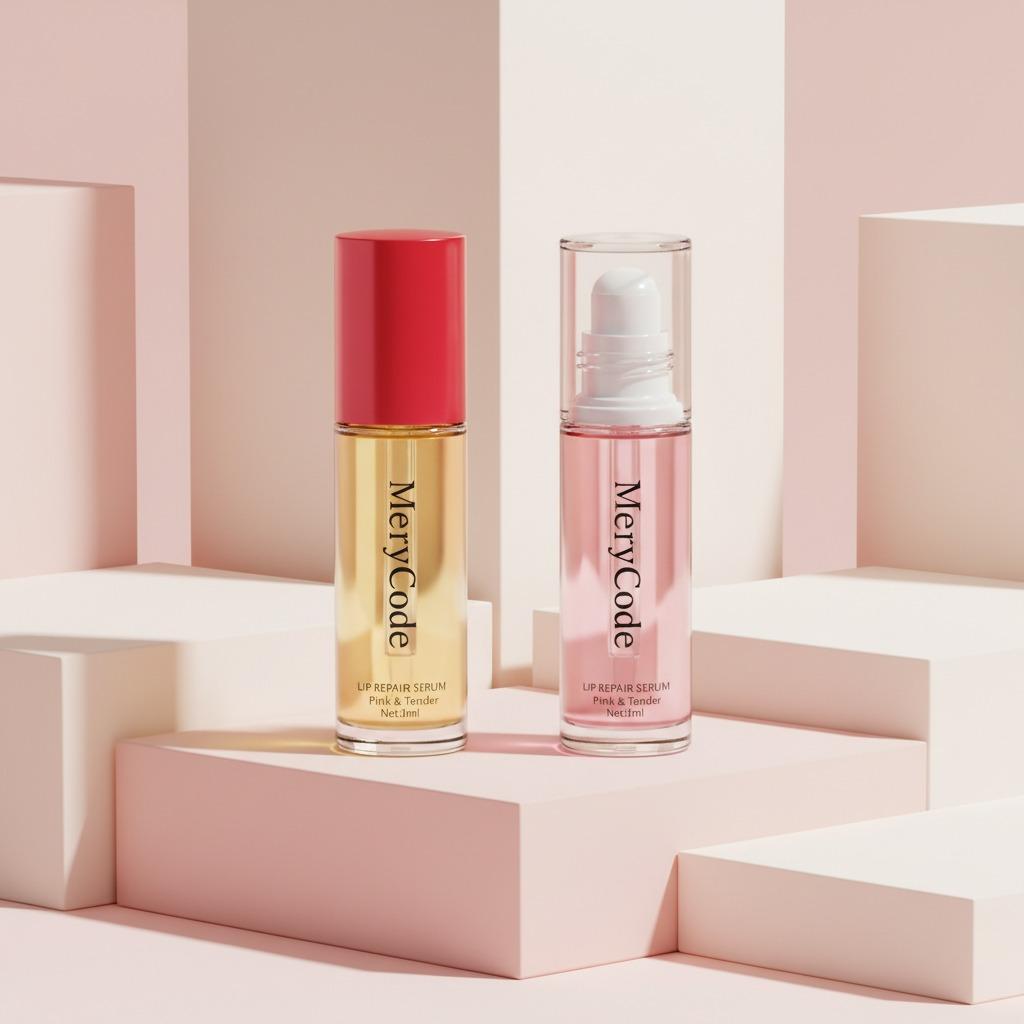
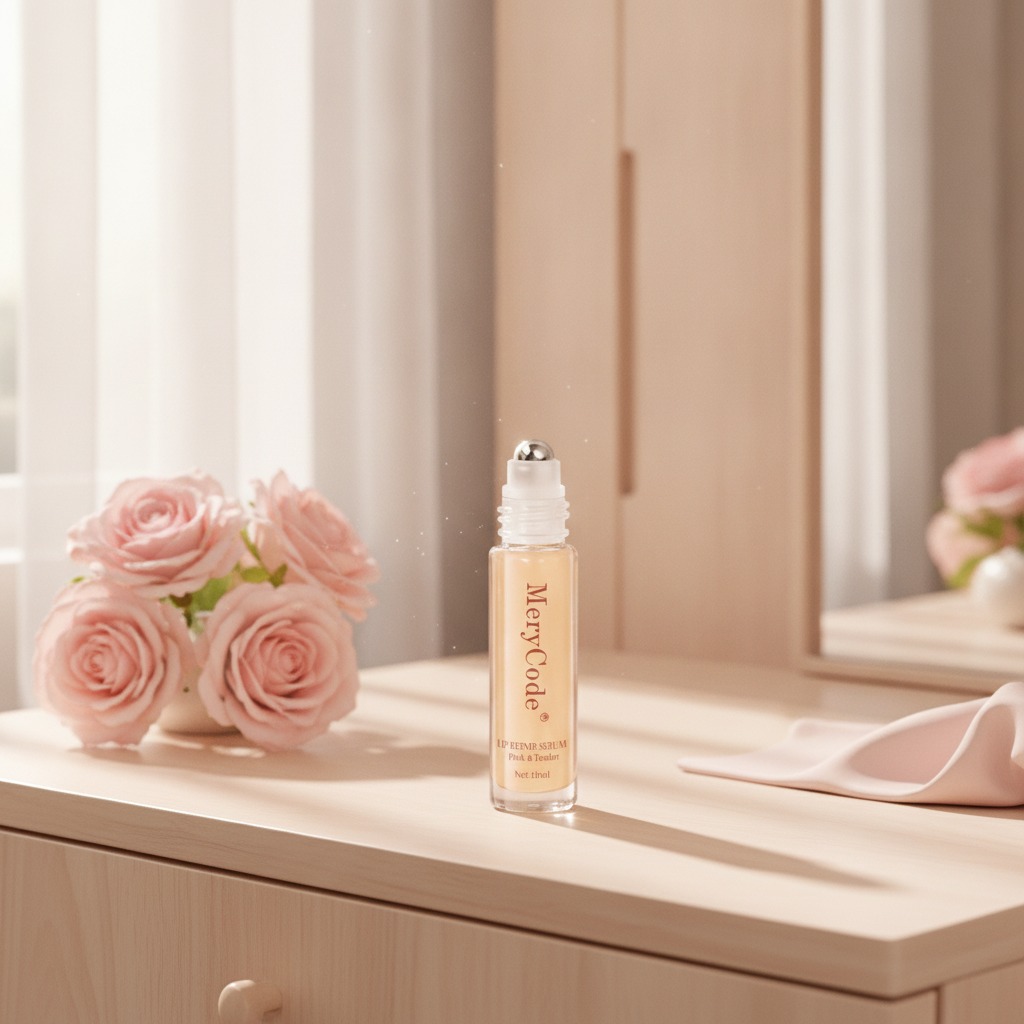
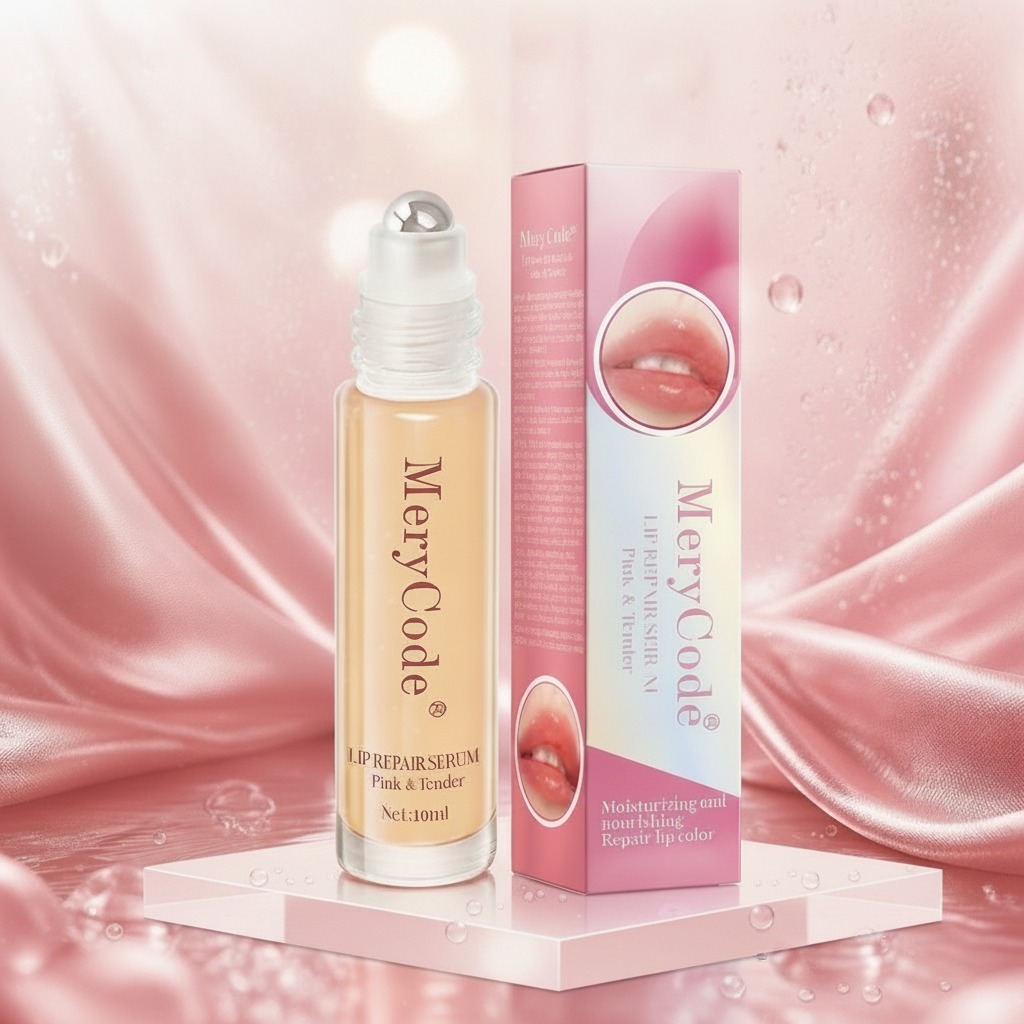
The image-based product here points to a compact lip repair format, branded as MeryCode, in a 10 ml bottle with a clear cylindrical body and a glossy red cap on one version. Another unit appears to use a roller-ball or rounded applicator-style top. Two colorways are visible, including pale yellow and pale pink liquid, with “Pink & Tender” printed on pack. That tells you something important: this is being positioned as a beauty item with visual appeal, not just a basic treatment balm in disguise.
What buyers should notice first
When evaluating lip care serums or lip repair serums, the packaging is part of the product experience. A small bottle signals portability and sampling use, which matters for e-commerce bundles, gift sets, and beauty brand launches. A clear body also lets the buyer see the fill color, which can be useful for merchandising, though it puts more pressure on consistency. Any uneven fill line, clouding, or decoration defect becomes visible immediately.
For brands, this is where OEM/private-label planning becomes practical rather than theoretical. You are not only choosing a formula; you are choosing how the formula will live inside the package. Viscosity, applicator style, and bottle geometry all affect the end-user feel. A product that looks elegant in a catalog may be awkward if the applicator deposits too much liquid, or too little, or drags on the lip surface.
Quick comparison: what this format is trying to do
Travel-size lip treatment
The 10 ml format is small enough for handbags, sampling programs, and counter displays. It also supports repeat-purchase logic if the consumer likes the texture and fragrance profile.
Retail-ready beauty item
Vertical branding, colored fill, and a neat cylindrical bottle help it read as a finished brand product rather than a raw cosmetic base. That matters in crowded channels where first impression carries a lot of weight.
Private-label opportunity
For a brand building its own lip care line, this kind of packaging can be adapted into a broader system: tinted lip oil, lip repair serum, night treatment, or mini set. The same bottle family can often support more than one SKU if the decoration and formula are planned early.
Selection criteria that actually matter
Too many teams focus only on the “hydrating” claim and skip the practical parts. That is usually where problems begin. A buyer should review fill volume, packaging material, applicator behavior, branding method, and compatibility between formula and container. The image suggests a clear rigid bottle, likely glass or transparent plastic, but that should be confirmed before ordering at scale. It is a small detail with real consequences for weight, shipping, and breakage risk.
The applicator is another point worth slowing down on. A roller-ball style top can create a cooling, controlled application. A rounded applicator may offer a different glide and deposit pattern. Neither is universally better. The right choice depends on the product viscosity and how much “treatment” versus “gloss” experience the brand wants to signal.
Common mistakes in lip oil sourcing
The first mistake is assuming all lip oils behave the same. They do not. Some feel cushiony, some feel slick, and some separate if the formula is not well matched to the packaging. The second mistake is overpromising with the copy. If the product is a cosmetic lip care serum, it should be positioned carefully and honestly. Avoid medical language and do not imply benefits that were never tested or documented.
A third mistake is ignoring decoration quality. On a small bottle, the brand mark and any vertical text need to stay crisp and readable. Smudged print on a 10 ml product looks especially careless because the package is already compact; there is nowhere for defects to hide.
How to think about this product for your own line
If you are building a lip care assortment, this format makes sense when you want something that bridges skincare and beauty. It can sit beside balm, gloss, and overnight treatment without looking out of place. It also lends itself to seasonal sets and trial-size programs, which are useful when a brand wants to test demand before committing to larger volumes. That said, buyers should verify formula stability, bottle compatibility, and seal performance before treating the design as shelf-ready.
Practical buyer advice
Ask for a sample with the exact applicator and closure, not just the formula in a generic container. Check how the product dispenses after a few uses, not only on day one. Confirm whether the finished unit is intended for retail, sampling, or promotional use, because those goals change the packaging standard. If the bottle is to be shipped cross-border, weight and breakage risk deserve attention early, not after the first complaint.
What this kind of product helps a brand decide
In plain terms, a hydrating lip oil like this helps a team decide whether its lip care line should lean more functional or more cosmetic. The answer affects pricing, packaging, photography, and retailer pitch. If the goal is a premium daily treatment, the bottle and finish should feel understated and clean. If the goal is a trend-led beauty item, the colorway and applicator matter more. Either way, the package has to support the promise.
Next step for sourcing teams
Before placing an order, request confirmed specifications for the formula, packaging material, decoration method, and closure type. If you are considering private-label lip repair serum production, align the product story with the actual user experience first. That keeps the launch credible, and in this category, credibility is what turns a small bottle into a repeat seller.