Glossy lip oil or lip repair serum: what buyers are really choosing
At first glance, a glossy lip oil and a lip repair serum can look like the same product with slightly different branding. In practice, they often serve different purchase intents. A glossy lip oil is usually chosen for visible shine, a lighter cosmetic feel, and daily wear. A lip repair serum leans harder into comfort, moisture, and the softer, treatment-first side of lip care. If you are sourcing for retail, private label, or a beauty line, that distinction matters more than the bottle shape suggests.
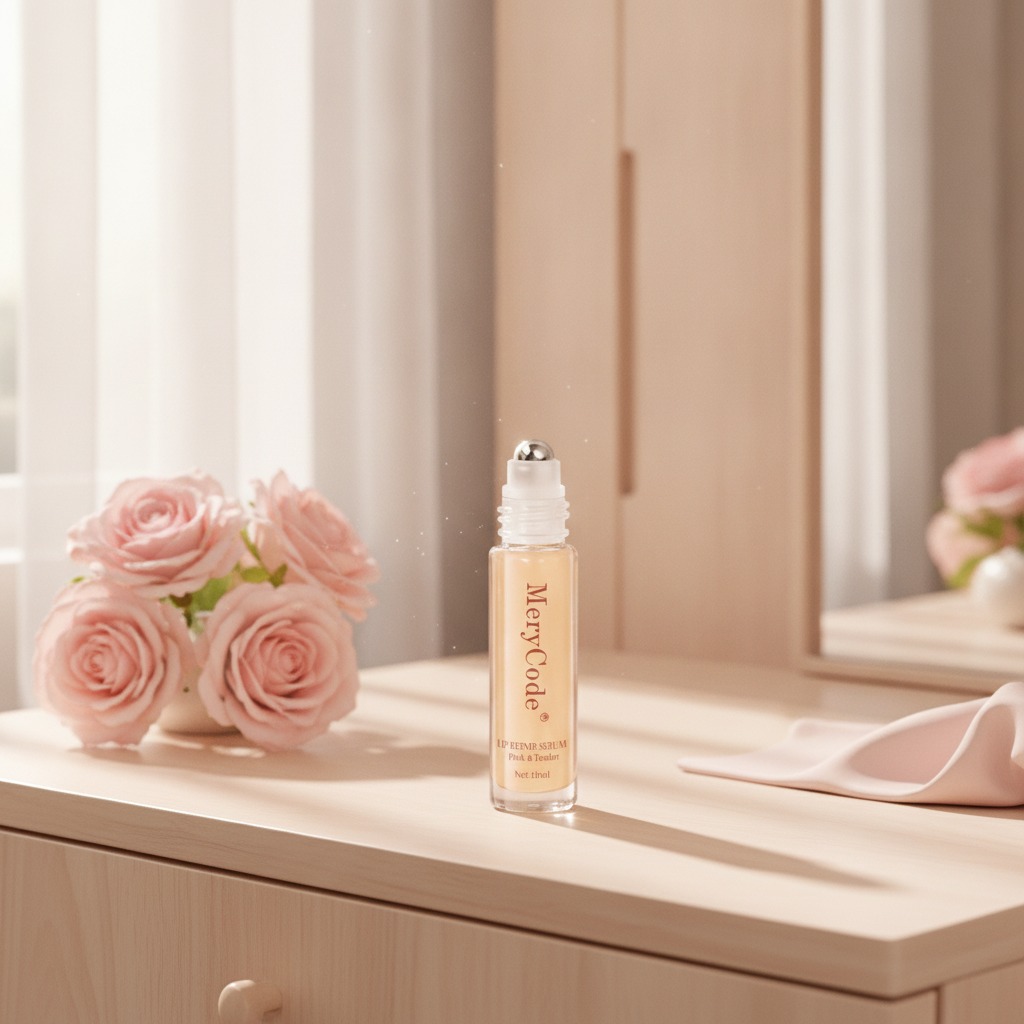
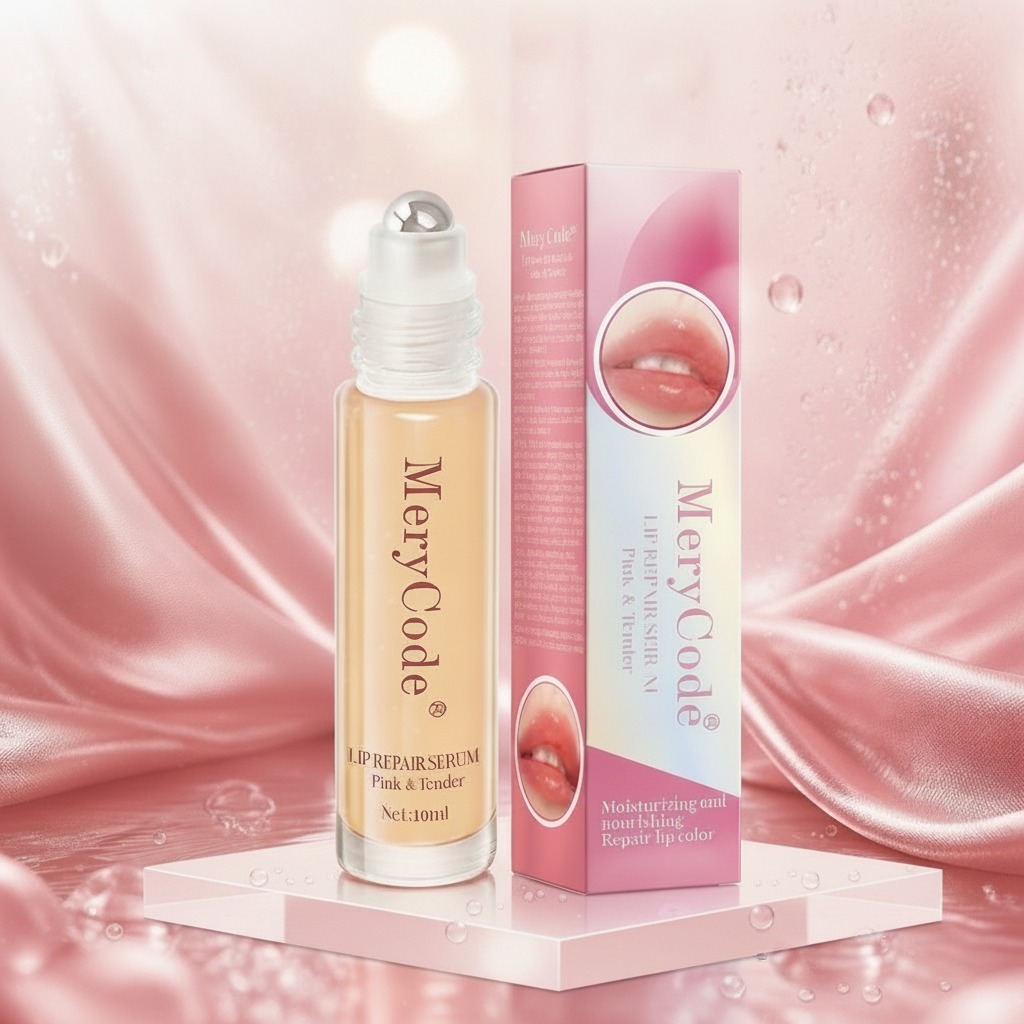
The MeryCode lip repair serum shown here sits right in that overlap. It has the portable, display-friendly look buyers expect from a glossy lip oil, but the product name points toward care and recovery rather than pure makeup finish. That is a useful position in the market, especially for consumers who want something that looks polished but still feels like a treatment.

Why the comparison matters for sourcing and merchandising
For product teams, the question is not only “What does it look like?” but “What job is it doing on shelf?” A glossy lip oil sells a visual effect: shine, smoothness, a fresh finish. A lip repair serum sells a problem-solving promise: dry lips, rough texture, daily comfort. The formulas can overlap, but the story changes the customer you attract.
That is where packaging and naming do a lot of work. A clear cylindrical bottle with a pink-tinted gel inside, like the MeryCode unit, suggests a cosmetic treatment with a visible formula. The transparent cap and rounded applicator tip make it easy for shoppers to read it as convenient and hygienic. Even before anyone reads the back panel, the product is already signaling “lightweight care” rather than heavy balm.
Glossy lip oil versus lip repair serum: a practical comparison
Finish and user perception
Glossy lip oil is usually judged by its shine first. Buyers expect a slick, cushiony finish and an easy glide. Lip repair serum is judged first by comfort and function. It may still have sheen, but the finish is secondary to the feeling on the lips.
Texture and wear experience
Glossy lip oil tends to be associated with a lighter, more cosmetic texture. A lip repair serum can be slightly more treatment-like, though this depends on the formula. For sensitive shoppers, the difference is not academic. They often decide based on whether the product feels like makeup, skincare, or a hybrid of both.
Retail positioning
Glossy lip oil usually sits comfortably beside color cosmetics, especially in trend-driven displays. Lip repair serum fits better in lip care or skincare-adjacent merchandising. A product like MeryCode “Tender” can bridge both aisles if the brand wants that flexibility, but the label wording will influence where it sells best.
What the MeryCode format suggests about the product
The visible structure is compact and practical: a narrow-neck bottle, rounded shoulders, transparent cap, and applicator-ready top. That is a familiar format for lip care because it supports portion control and a neat consumer experience. The clear container also lets the pink-tinted formula show through, which is not trivial. In beauty packaging, formula visibility often helps the product feel fresher and more premium, even when the actual material of the container is not confirmed.
The printed “LIP REPAIR SERUM” wording is doing important commercial work. It tells buyers not to expect a standard lip gloss. Instead, they are being guided toward a treatment-style use case: dry, rough, or visibly chapped lips, plus daily maintenance. That matters in procurement because the same physical package can sell very different ways depending on whether it is described as lip oil, gloss, serum, or balm.
How to choose between the two for your line
If your customer wants shine first and treatment second, glossy lip oil is the easier story. If the core need is comfort, smoothing, and everyday repair positioning, a lip repair serum is the safer choice. The middle ground works when the formula can support both claims and the package looks clean enough for beauty shelving. Not every hybrid lands well, though. Some products end up too cosmetic for skincare buyers and too treatment-like for makeup shoppers.
That is the practical warning: don’t let the visual finish do all the selling. A glossy tube can overpromise if the formula feels thin, and a serum label can underperform if shoppers want a noticeable cosmetic effect. The best-fit choice depends on channel, price tier, and how much education your sales team is willing to provide.
Buyer questions worth asking before launch
What is the intended finish after application? Is the product meant to be a leave-on lip treatment, a gloss-like cosmetic, or both? How will it be shelved online and in-store? Does the packaging support hygiene, portability, and repeat use? These are straightforward questions, but they usually separate a sensible purchase from an awkward one.
For a product like MeryCode Tender, the answers will shape everything from visual merchandising to copywriting. If the formula is positioned as a repair serum, the marketing should stay close to comfort and routine use. If the brand wants the gloss angle, then the sensory and aesthetic cues need to be stronger than the current label alone.
FAQ: glossy lip oil and lip repair serum
Are they the same product?
Not exactly. They can overlap in texture and appearance, but they usually differ in primary purpose.
Which one is easier to merchandise?
That depends on your channel. Glossy lip oil is easy to place in beauty displays. Lip repair serum can be easier to sell through care-focused messaging.
Can one product do both?
Yes, but only if the formula and packaging support that hybrid role. Otherwise, the product can feel confused at shelf level.
Next step for sourcing teams
If you are evaluating a lip care SKU for retail or private label, treat the label as seriously as the formula. The MeryCode lip repair serum shows how packaging can suggest a glossy, portable, consumer-friendly product while still sitting in the repair category. Before you commit, decide which side of the category you want to own: shine, treatment, or a careful blend of both.