Why a plumping clear lip oil is more than a pretty tube
A plumping clear lip oil sits in an interesting space between color cosmetic and treatment. It has to look clean on shelf, feel comfortable on the lips, and still communicate care quickly enough for a shopper to make a decision in a few seconds. For brands, that makes the product deceptively difficult. The pack must protect the formula, the applicator has to deliver a neat dose, and the positioning has to be clear: is this a lip oil, a repair serum, a gloss-like treatment, or some combination of the three?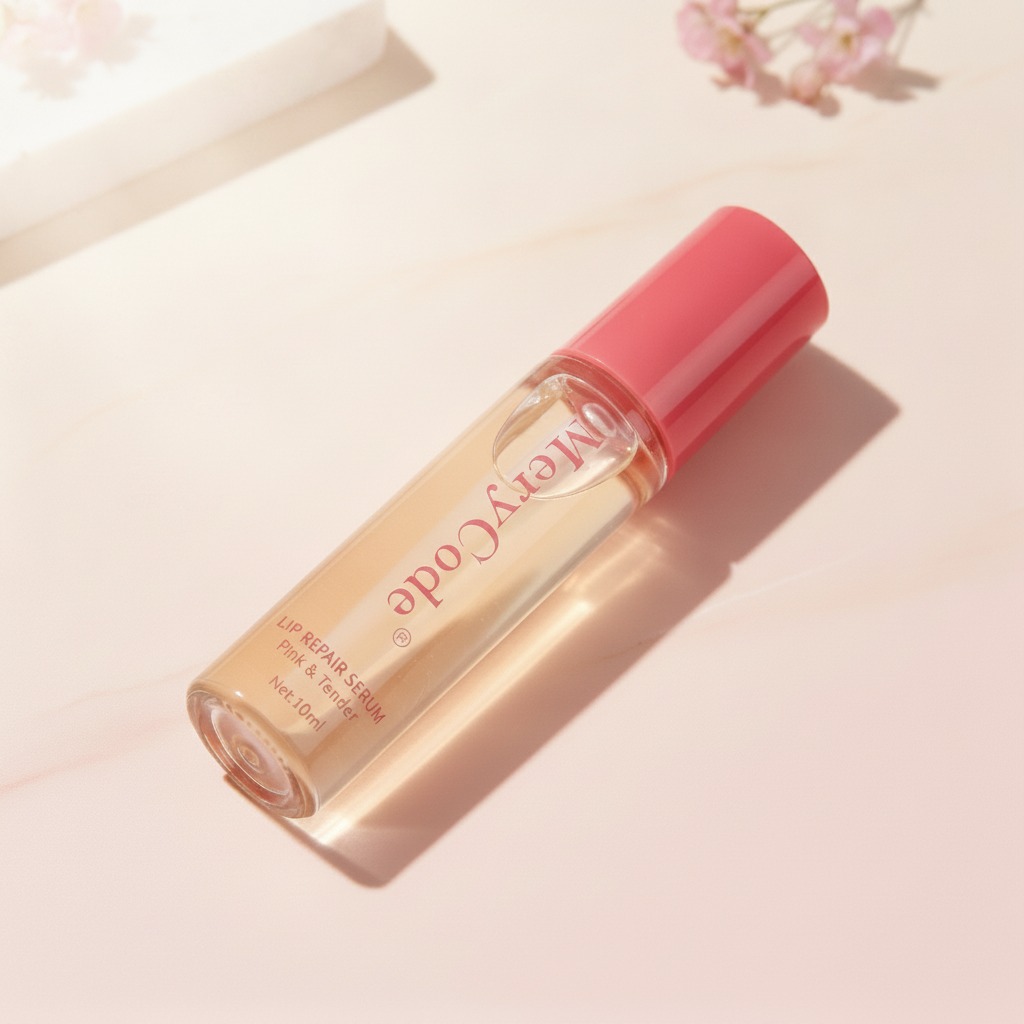
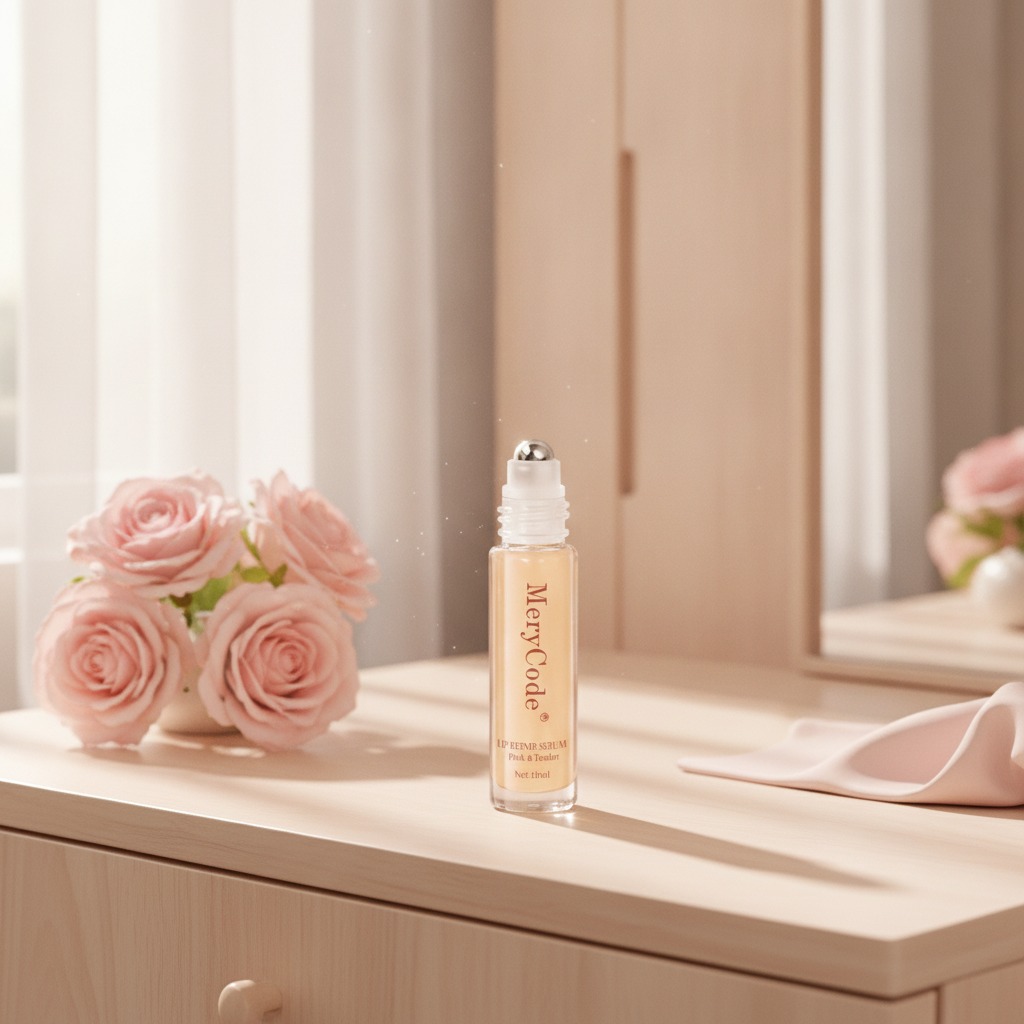
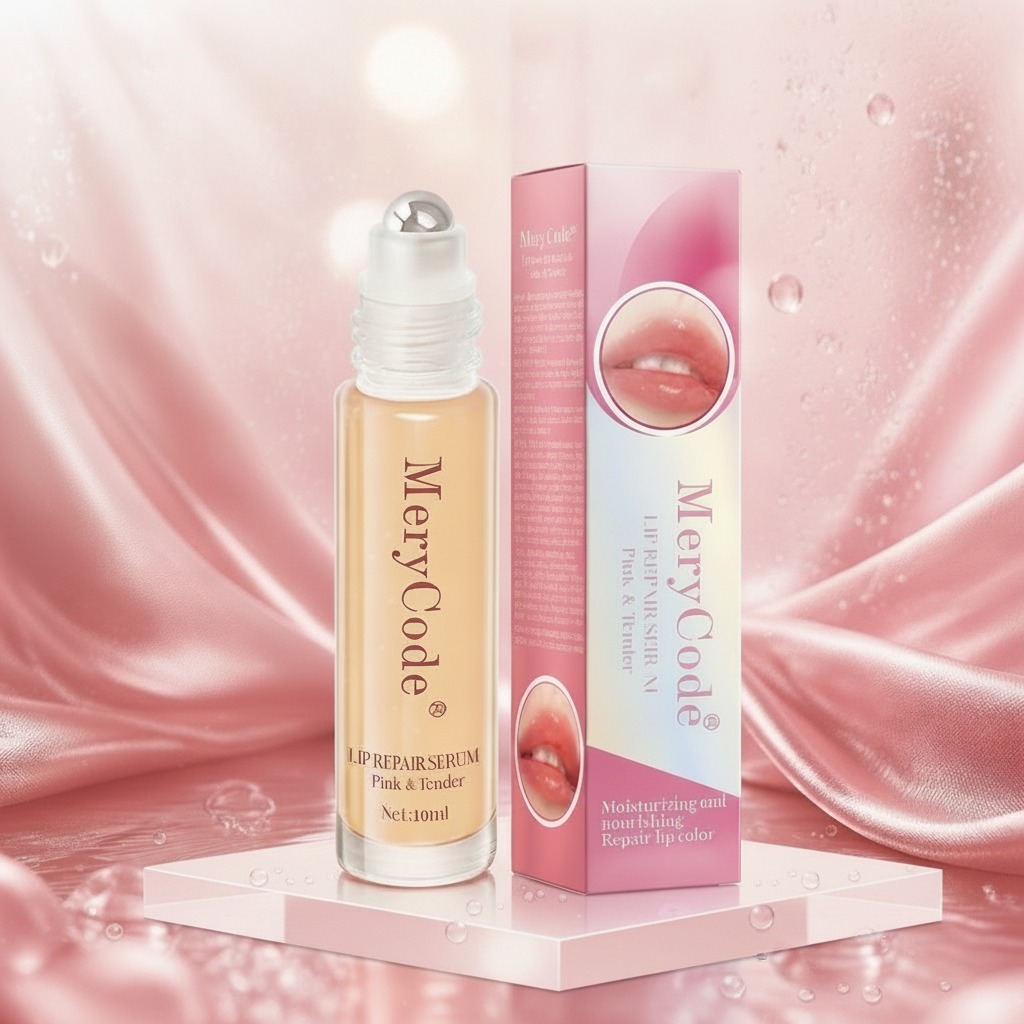
The sample product description points to a small cylindrical tube labeled “LIP REPAIR SERUM” with “Plum & Nectar,” presented in a clear transparent body with a glossy pink cap and a 10 ml fill. That kind of packaging tells a story before the customer ever opens it. It signals hydration, visible shine, and a travel-friendly size. It also raises a practical buyer question: how do you turn a simple clear tube into a product that feels premium and performs reliably in retail?
What buyers should notice first
If you are sourcing this kind of item, the first decision is not the flavor or the marketing line. It is the product architecture.
A clear lip treatment usually needs three things to work well in the market:
- a formula that stays stable and comfortable on the lips,
- packaging that protects the product and dispenses it cleanly,
- and a look that fits the brand’s price tier, whether mass, prestige, or giftable personal care.
The visible 10 ml size is useful because it lands in the sweet spot for counter display and on-the-go use. It is big enough to feel like a real beauty purchase, yet small enough to fit a trial set, a checkout display, or a seasonal bundle. That matters in lip care, where consumers often buy with repetition in mind. A lip treatment that is easy to carry tends to get used more often, and products that get used often are the ones that reorder.
Packaging details that quietly affect performance
The tube format described here suggests a wand-style application, though the exact applicator is not confirmed. In this category, the applicator matters almost as much as the formula. Too much pickup and the product feels messy. Too little and the treatment seems weak or dry. A rigid transparent body, whether glass or clear plastic, can support a clean aesthetic, but it also puts pressure on the finish quality. Scratches, haze, or poor cap alignment become visible quickly.
For buyers, the useful question is not only “Does it look attractive?” but “Will it still look attractive after handling, shipping, and display?” A glossy pink cap can lift the shelf presence, yet cap fit and thread consistency are what keep the product from leaking or feeling cheap. In lip care, a minor packaging flaw often gets blamed on the formula, which is one reason sampling and transit testing deserve attention even for small runs.
Clear lip treatment versus lip gloss: the practical difference
A clear lip oil with plumping intent is often compared with gloss, but the buying logic is different. Gloss is usually judged on shine and finish. A treatment product is judged on comfort, moisture feel, and how long it remains pleasant to wear. If the pack says “repair serum,” shoppers also expect a more care-oriented position, even if the formula is still cosmetic rather than medicinal.
That is where buyer caution matters. Do not overpromise clinical repair unless the formula and claims support it. In this category, vague but credible language often sells better than aggressive claims that are hard to substantiate.
Where “plumping” can be tricky
“Plumping” is one of those beauty terms that can mean a visible glossy effect, a temporarily fuller look, or simply a cushioned feel. Unless the formula data is supplied, it is safer to treat the term as a positioning cue rather than a measurable performance statement. That may sound conservative, but it avoids trouble later when the product team, compliance reviewer, and marketing team all interpret the word differently.
Selection criteria for sourcing teams
For an engineer, sourcing manager, or product team member evaluating a lip oil or lip serum project, the buying checklist should stay simple:
- Does the package suit a 10 ml cosmetic fill without excess headspace?
- Is the label space large enough for required product information?
- Will the cap and neck design survive repeated opening and closing?
- Does the visual language match the intended customer: gift, daily use, or entry-level beauty?
- Can the format support a clear distinction between repair serum, lip oil, and gloss?
A lot of weak private-label launches fail on the last point. The product looks decent, but nobody knows whether it is supposed to be skincare-adjacent lip repair or a shiny cosmetic accessory. Clarity sells.
Common mistakes in this category
One common mistake is putting too much effort into flavor naming and too little into user experience. “Plum & Nectar” sounds appealing, but if the applicator feels awkward or the cap loosens in transit, the name will not save the launch.
Another mistake is assuming a transparent bottle automatically means premium. Clear packaging is unforgiving. Any inconsistency in fill level, label placement, or cap color contrast shows up immediately. That can work in your favor if the execution is tight. If not, it reads as unfinished.
A third issue is claim drift. A lip repair serum can be merchandised as a conditioning treatment, but once teams start adding words like plumping, healing, smoothing, and overnight recovery all in the same brief, the message gets muddy fast. Buyers should keep the promise narrow and believable.
What this product format is best for
This kind of lip care cosmetic works well for retail shelves, beauty kits, travel sets, and brand merchandising. The compact cylindrical tube is practical, familiar, and easy to display. It also supports gifting, which is not a small point. Lip products often sell well when they feel easy to understand and easy to give.
If you are developing or sourcing a product like this, start with the packaging story, then confirm the formula direction, then tighten the claims. That order saves time. It also keeps the team from building a pretty tube around a vague product.
Next step for buyers
If you are evaluating a plumping clear lip oil or a similar lip repair serum format, request the packaging specification, formula brief, and claim support together. Looking at those three pieces side by side is the fastest way to spot mismatches before they turn into expensive rework.