Why a skincare routine kit needs more than cleansers and creams
A skincare routine kit is often judged by the obvious pieces first: a cleanser, a moisturizer, maybe a serum or two. But in real buying decisions, the small items can carry a surprising amount of weight. Lip care, for example, is one of those details that tells a customer whether a brand understands daily use, not just shelf display. A compact lip repair serum in a roll-on bottle may look simple, yet it fills a practical gap in a routine kit: it is quick to apply, easy to carry, and positioned for hydration with a tinted finish.
For sourcing managers and product teams, that makes it more than a cosmetic accessory. It becomes a packaging, filling, and merchandising decision. The product format affects how the item travels, how it feels at the point of use, and how it sits beside other personal care components in a bundled set. If the kit is intended as a retail gift set or a private label bundle, these small details can shape the whole impression.
What the visible product tells buyers
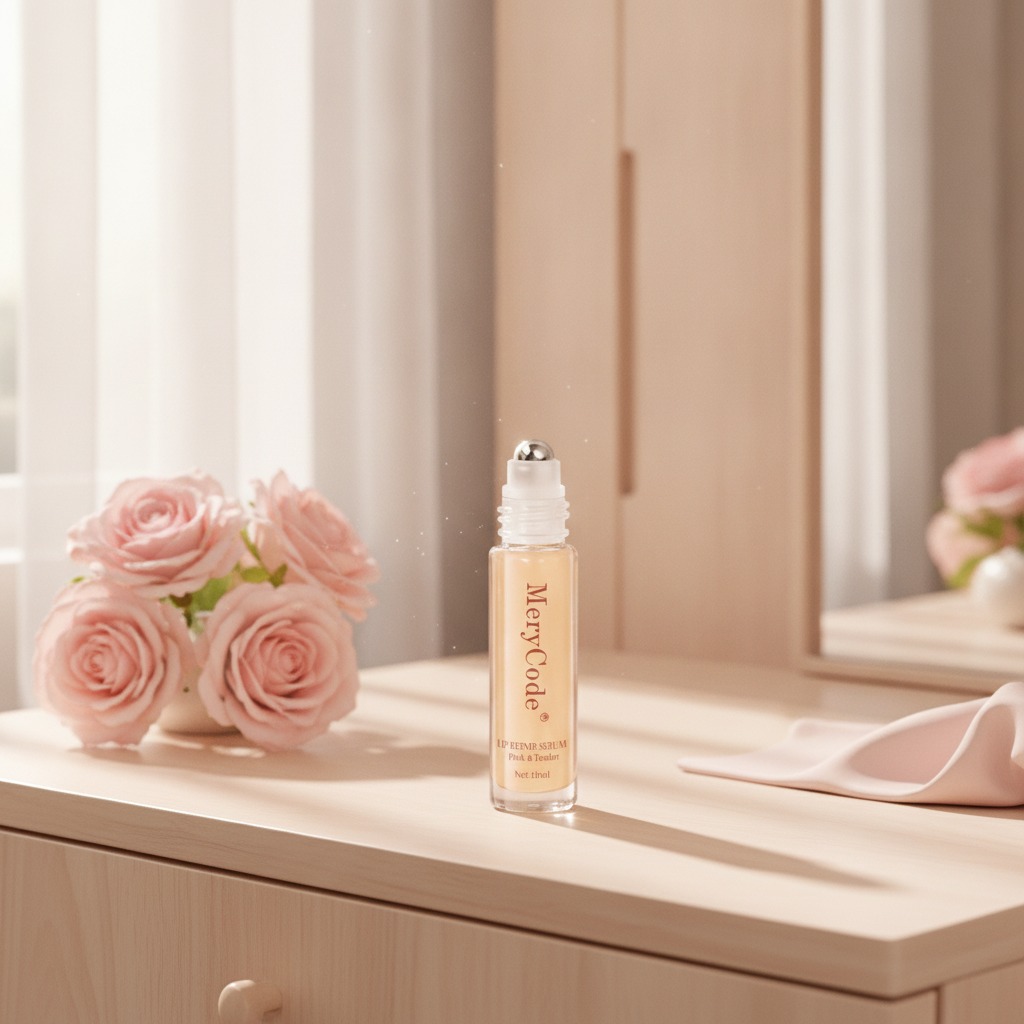
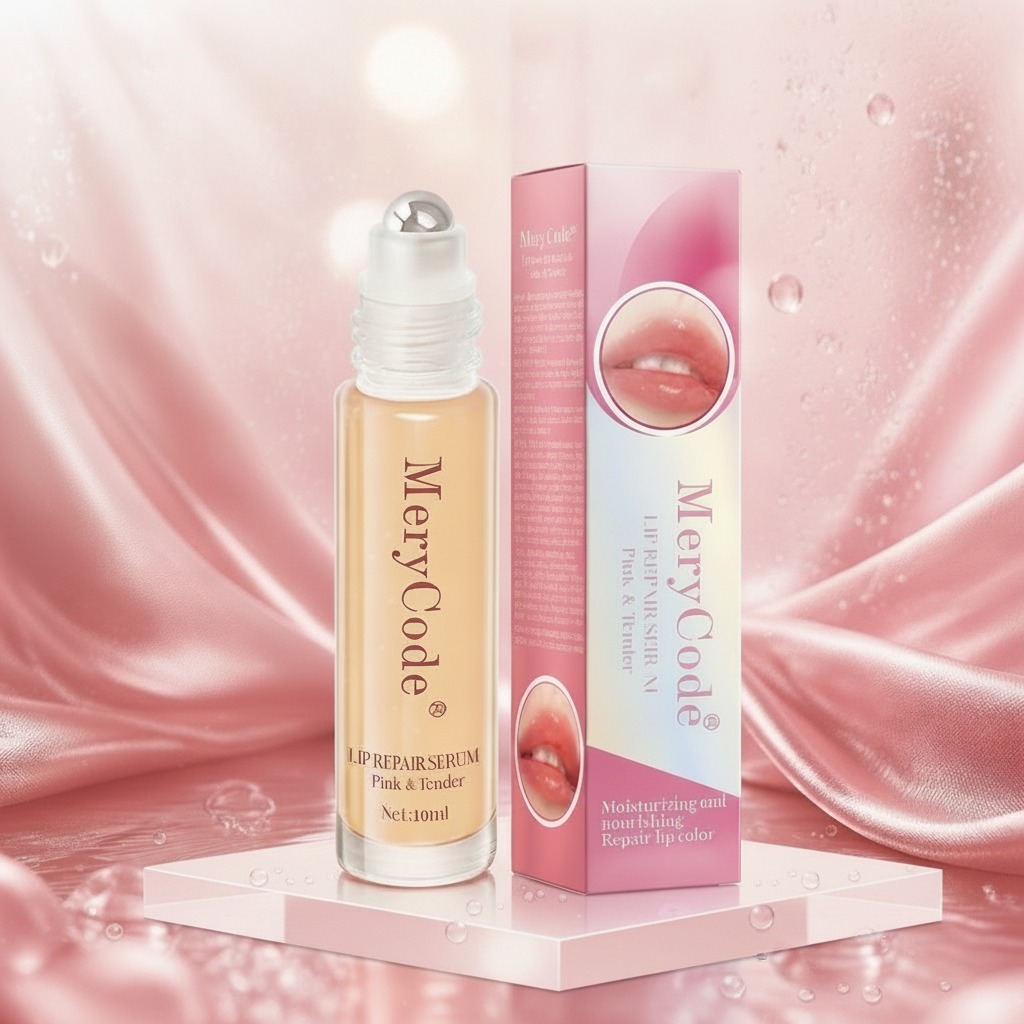
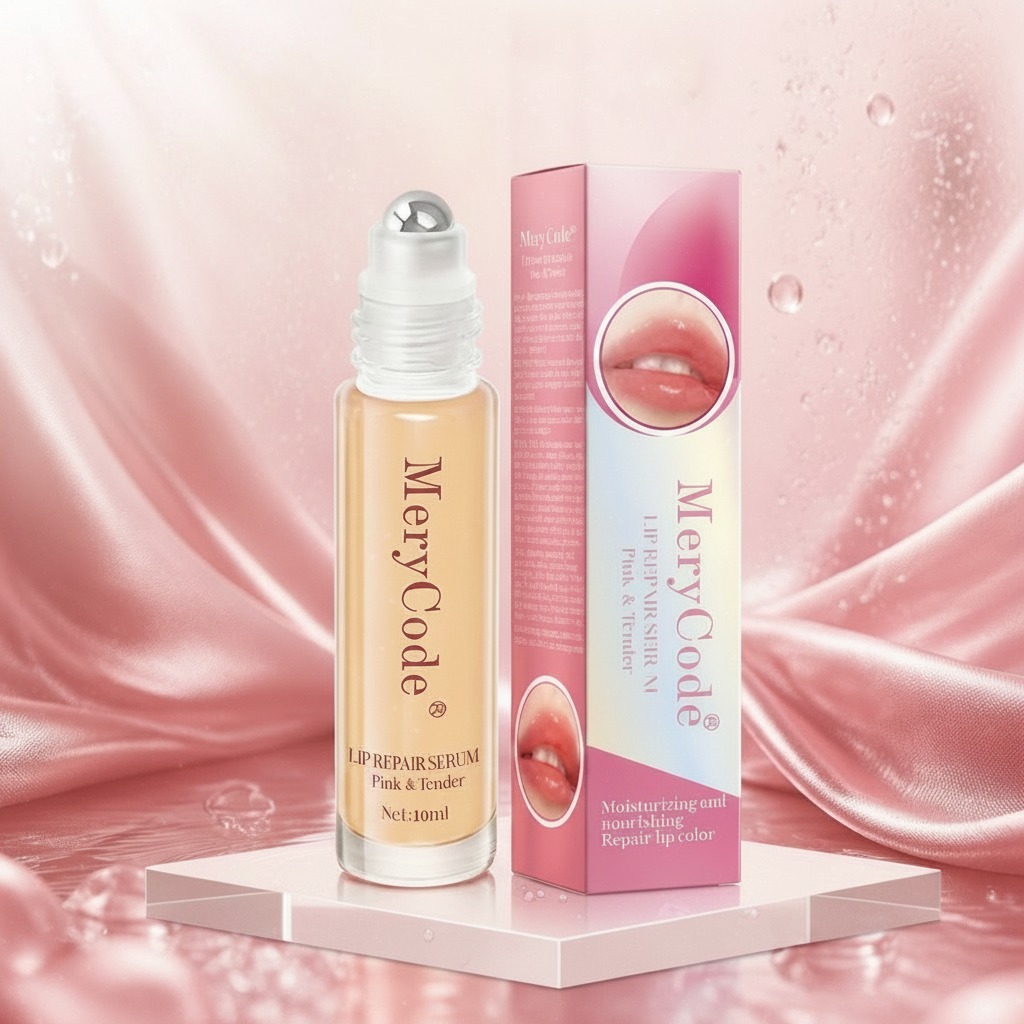
The product shown is labeled MeryCode and appears to be a Lip Repair Serum with “Pink & Tender” language on the carton. The visible pack size is 10 ml. It comes in a compact cylindrical bottle with a matching printed carton, using a pink-to-white gradient and lip imagery that clearly signals cosmetic care rather than general skincare.
The bottle appears to use a clear rigid body, a white neck/cap assembly, and a metal roller-ball style applicator at the top. That design suggests targeted, controlled application, which is useful for lip treatments where users want a thin layer instead of a heavy swipe. The liquid inside looks light amber or pink, though the exact formula is not verifiable from the image. Still, the visual message is clear: moisturizing, nourishing, and likely intended to improve the appearance and comfort of lips.
Where this format fits inside a routine kit
Not every skincare bundle needs a lip product, but a routine kit that includes one can feel more complete. The lip area is easy to neglect, especially in dry weather, air-conditioned offices, or travel situations. A serum format helps because it sits between a balm and a cosmetic treatment. It can be used as part of a morning routine, before makeup, or during the day for touch-ups.
For brands building a skincare routine kit, this kind of item can do several jobs at once:
It broadens the kit beyond face care alone.
It adds a visual color cue, which helps merchandising.
It gives the bundle a “daily carry” item that customers may actually use up.
That last point matters. A bundle is easier to sell when at least one product feels immediately practical. A lip repair serum often meets that test.
Packaging and manufacturing considerations
From a manufacturing perspective, this is a straightforward cosmetic packaging job on the surface, but there are a few practical checkpoints. A roller-style applicator requires reliable assembly so the product dispenses evenly and does not leak during transport. The printed folding carton also needs to protect the bottle while still presenting the product cleanly at retail.
If a buyer is comparing suppliers for a similar item, the main questions are less about dramatic features and more about consistency. Does the bottle seal well? Does the applicator deliver a smooth dose? Does the carton hold its shape? These are the details that separate a usable retail item from one that feels flimsy in a consumer’s hand.
One small caution: cosmetic products with liquid or serum textures can be sensitive to package compatibility. A formula may look fine in the lab but behave differently in a roller bottle if viscosity is off. That is where sample testing and practical handling checks matter, even for low-volume gift sets.
Selection criteria for sourcing teams
If you are building a skincare routine kit around products like this, judge the lip item on a few simple criteria.
First, look at application control. A small roll-on or ball-tip format should feel precise, not messy.
Second, consider shelf appeal. The pink-toned carton and compact bottle are suited to retail display and gift sets.
Third, check whether the positioning is clear. “Lip repair serum” suggests treatment, while “Pink & Tender” adds a softer cosmetic angle.
Fourth, decide where the product sits in the bundle price architecture. Small items can lift perceived value without dominating the kit.
There is also a brand-fit question. Some routine kits are clinical and minimal. Others are more expressive and giftable. This type of lip product belongs more naturally in the second group, though it can still work in a practical daily-care lineup.
Common mistakes when adding lip care to a kit
One mistake is treating lip care as an afterthought and choosing packaging that looks disconnected from the rest of the set. Another is overpromising performance with claims the formula cannot support. The visible packaging here hints at moisturizing and nourishing benefits, but buyers should avoid assuming clinical outcomes unless they are documented.
A third mistake is selecting a format that looks attractive but is awkward in real use. If the applicator is difficult, the product becomes decorative instead of functional. That is bad economics for any routine kit, because consumers notice the weak link quickly.
Practical takeaway for buyers
If you are assembling a skincare routine kit for retail, gifting, or private label sales, a lip repair serum in this style can be a smart inclusion. It is small, portable, visually clear, and aligned with daily self-care habits. The 10 ml size suggests a product that fits neatly into bundles without crowding them out.
Before moving forward, ask suppliers for packaging samples, formula compatibility notes, and confirmation of the applicator mechanism. Those basic checks will tell you far more than a glossy product photo ever will.
FAQ
Is this product only for lip care?
Based on the visible packaging, yes. It is labeled as a lip repair serum and appears intended for moisturizing and nourishing the lips.
Can it be used in a skincare routine kit?
Yes. It fits well as a support item in a routine kit, especially one aimed at daily care, travel, or gift sets.
What should buyers verify before sourcing it?
Confirm formula compatibility with the bottle, applicator performance, carton quality, and any claim support the brand intends to use.
Next step
If you are evaluating a similar product for your own skincare routine kit, start with the packaging sample and the user experience. The right lip item should feel intuitive in the hand, visually consistent on the shelf, and easy to include in a broader beauty lineup. That is usually where the real commercial value shows up.