Why a sculpted compact matters in beauty packaging
At first glance, a rose-shaped compact may look like a purely decorative object, but in cosmetic retail it does more than sit prettily on a shelf. The appeal of a product like this 3D Sculpted Satin Blush is that it combines visible design with a functional face color product, which is exactly what many buyers want when they are comparing shelf impact, gifting appeal, and day-to-day usability. In the same way that sunscreen decisions are rarely just about the formula on paper, blush buyers are usually weighing presentation, performance, and customer perception all at once.
That matters because facial color cosmetics live in a crowded category. A compact has to do several jobs: attract attention, communicate texture, support application, and hold up through distribution and repeated handling. For sourcing teams, the question is not only whether the product looks distinctive, but whether the design choice makes practical sense in production and in the customer’s hand.
What this kind of product is designed to do
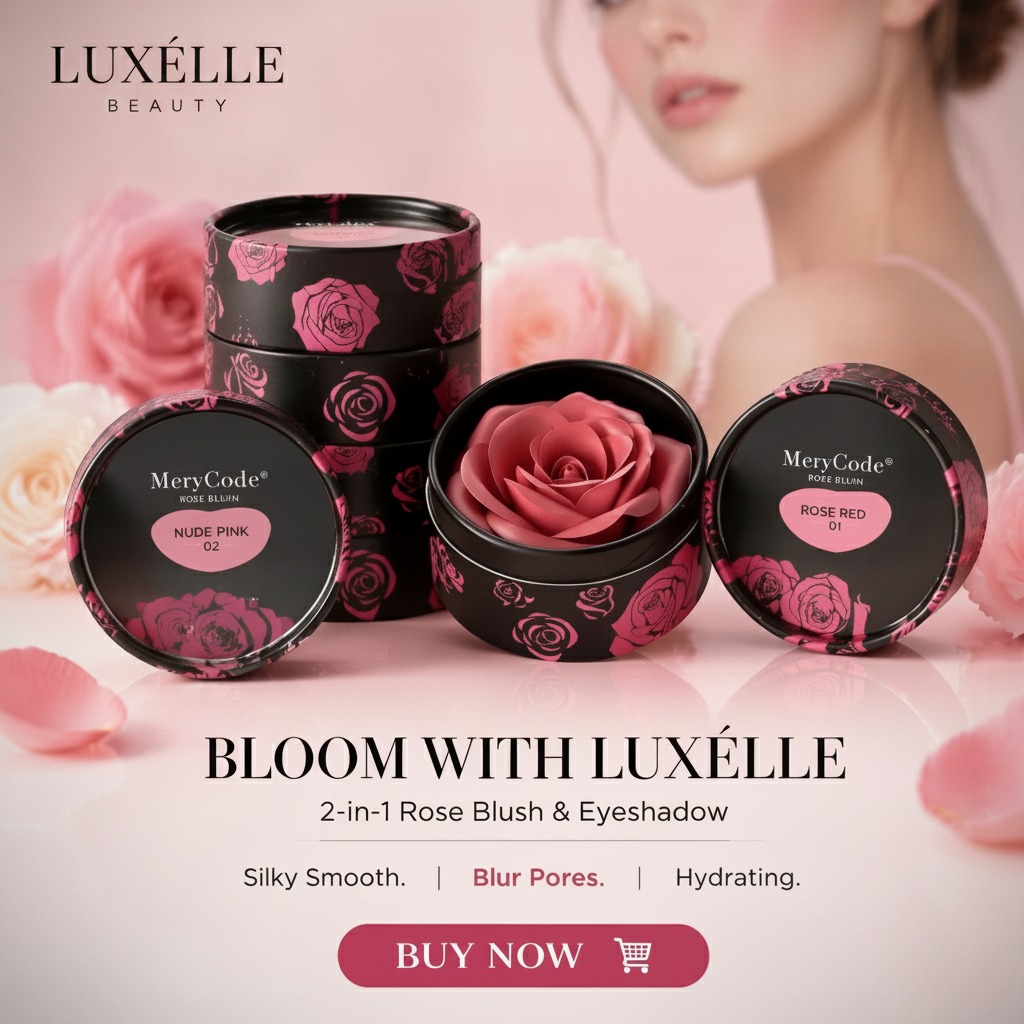
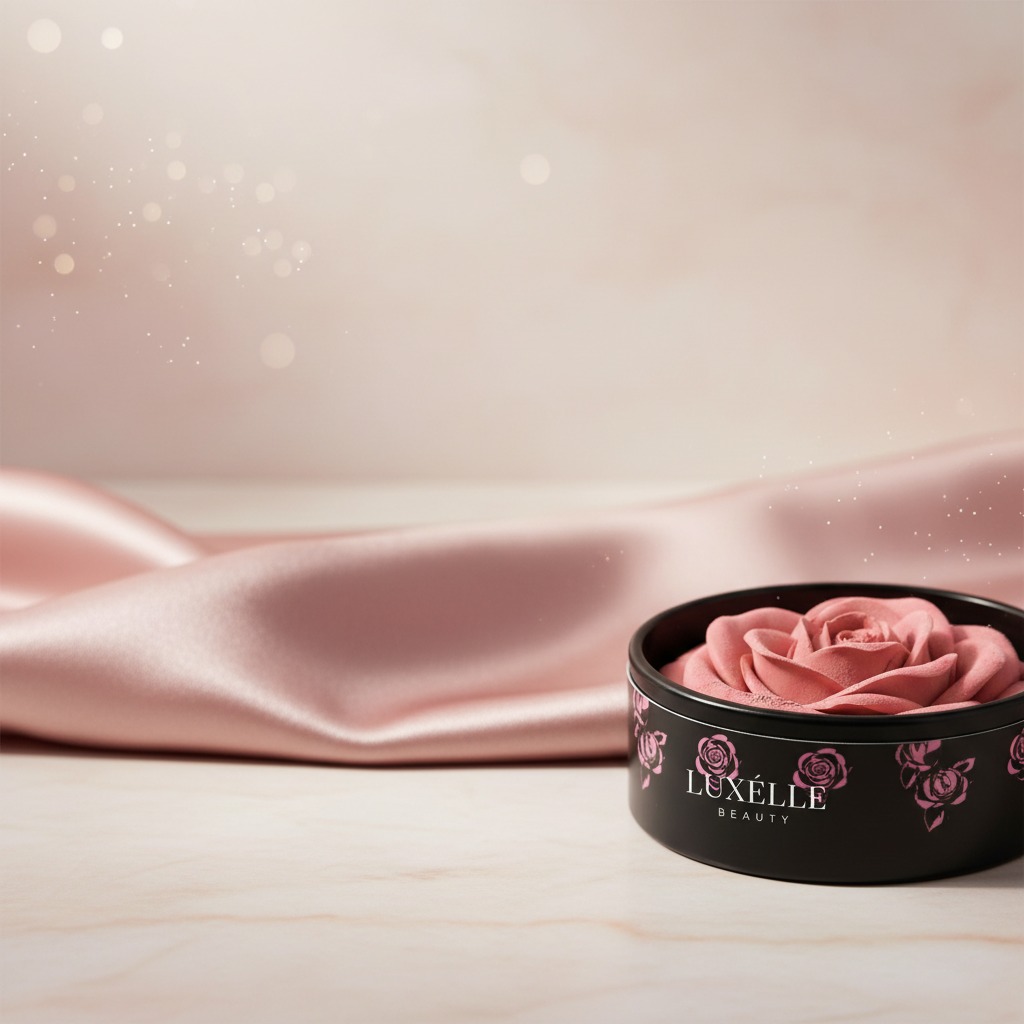
This product is described as a decorative pressed or molded face makeup item, likely a blush powder or cream-blush compact presented in a rose form. The visible structure is a layered bloom with petal-like ridges and a satin sheen, sitting inside a round black container. That combination suggests a product meant for everyday facial color use, but with enough visual detail to work as a gift item or a display piece in retail.
There is a straightforward commercial logic behind that. A standard flat pan can be functional, but a sculpted surface changes the buying experience. It communicates care, artistry, and a little indulgence. In beauty, those cues often sell as much as the formula itself.
Key takeaways for sourcing and product teams
If you are evaluating a product in this category, the first thing to separate is visual effect from performance claim. The 3D petal design and satin finish are observable. Claims such as seamless blending or all-day radiance may be useful marketing language, but they should be validated during sampling and stability review rather than accepted at face value.
That is especially important for any item with molded detail. A rose-shaped surface can look impressive out of the box, yet still raise questions about breakage, surface scuffing, pan retention, or how the pattern changes after first use. These details matter more than they sound. A compact that arrives flawless and then quickly loses its shape can create a poor impression even if the color is acceptable.
How sculpted blush products are typically made
The exact process is not provided here, so it is best to speak carefully. Based on the visible structure, the product likely comes from a cosmetic formulation that is then pressed, molded, or embossed into a floral form. The rose relief suggests a controlled shaping step, and the satin finish points to a surface intended to catch light without looking overly glossy.
That combination can be tricky to manufacture consistently. Decorative reliefs require enough structural integrity to survive filling, closing, shipping, and customer handling. At the same time, the product still needs to release color smoothly on skin. For any buyer comparing suppliers, this is where sample review becomes essential. A beautifully molded blush that crumbles easily is not a good trade.
What buyers should check before placing orders
1. Appearance after handling
Ask how the sculpted surface looks after opening, closing, and light brush contact. Some designs hold up well; others flatten fast. That is not necessarily a defect, but it affects the perceived value.
2. Pan and container fit
The visible round black container is simple, which can be a strength. A shallow compact can be easy to store and display, but only if the pan fits securely and the closure feels dependable.
3. Color consistency
Because the visible tone is red, buyers should pay attention to consistency across production lots. Even cosmetic products with decorative shapes need stable color appearance, especially when sold in sets or through retail chains.
4. Marketing claims
Terms like natural glow, seamless blending, and radiance sound familiar in beauty merchandising. Still, they should be matched with actual testing notes. A buyer-facing caution: don’t let the visual novelty distract from basic performance checks.
Where this product fits in the market
This type of compact sits between practical makeup and small luxury. It is suitable for everyday use, but it also has the kind of presentation that works well for seasonal promotions, gifting programs, and social-media-friendly merchandising. That is one reason decorative pressed cosmetics keep showing up in beauty assortments: they are easier to remember than a plain pan, and memory matters at shelf level.
For brands, the rose motif can support an emotional purchase. For distributors, it can help differentiate an otherwise standard face makeup product. For end users, it adds a bit of ceremony to a routine product, which is no small thing in a category built on tiny daily rituals.
Practical buying advice
When reviewing a product like this, ask for clear photos or samples that show the sculpted detail, the compact closure, and the product after a few uses. If the supplier can show how the blush behaves in a real-use setting, that is more useful than a polished studio shot. Also confirm which aspects are decorative and which are actually functional. In cosmetics, the line can blur quickly.
If you are developing a private-label version, consider whether the 3D pattern is essential to the brand story or just a nice extra. Decorative molding can increase perceived value, but it may also complicate production. Sometimes a simpler press pattern gives better repeatability. Sometimes the ornate version wins anyway because customers buy with their eyes first.
What to ask next
If you are sourcing a similar product, request sample units, packaging details, and any available formulation notes before committing to a larger order. If you are a brand team, decide early whether the rose-shaped relief is part of the product identity or only the launch look. That decision will affect manufacturing choices more than most teams expect.
For teams comparing options, the most useful next step is usually a side-by-side sample review: one unit for appearance, one for handling, one for application. That tends to expose the real differences quickly, without the usual glossy noise.