What buyers really mean when they search for vegan cruelty free lip oil
When people look for vegan cruelty free lip oil, they are usually trying to solve two problems at once: they want a lip product that feels comfortable on dry lips, and they want packaging and formulas that fit a cleaner, more responsible purchasing standard. In practice, that means buyers are comparing more than color and shine. They are checking whether the product can move through retail shelves, online beauty listings, gift sets, and daily-use routines without raising questions about animal-derived ingredients or testing claims.
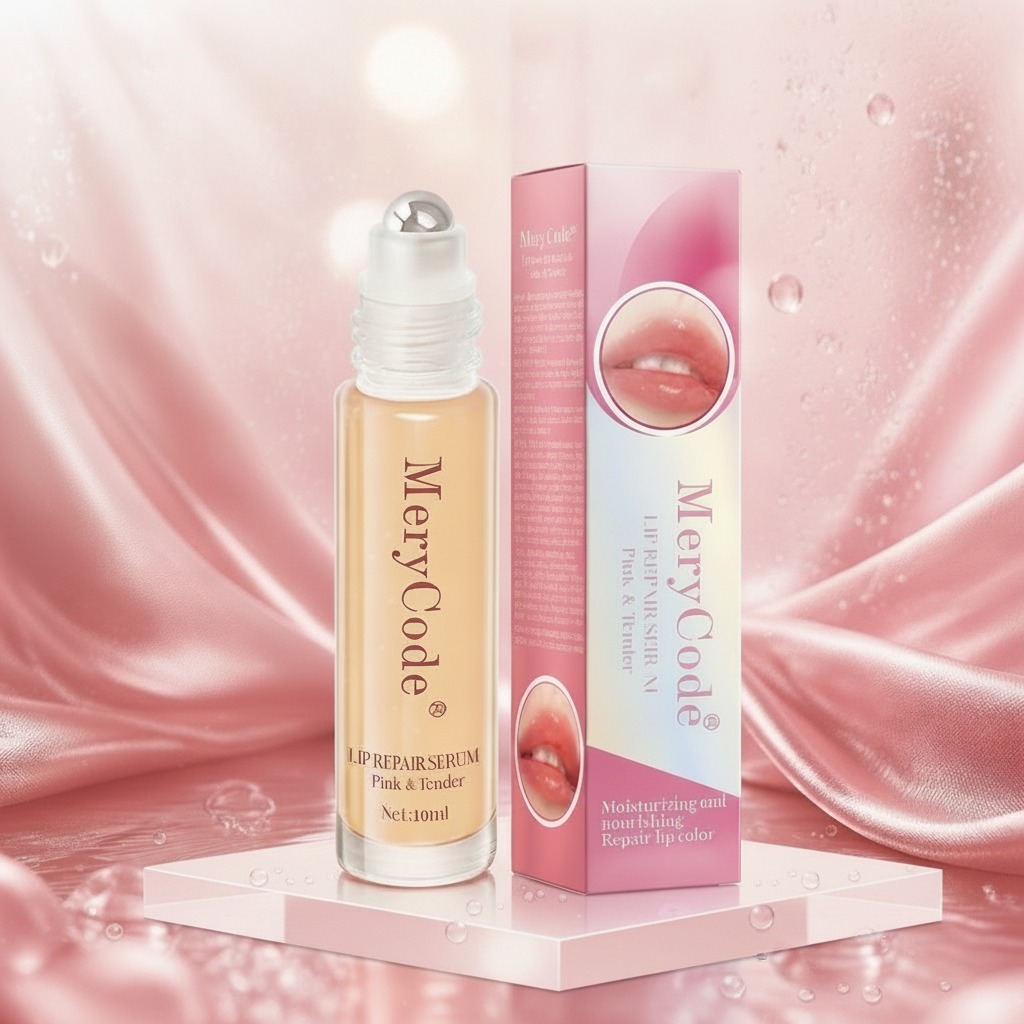
That is also why a product like a color-changing lip oil sits in an interesting position. It is part treatment, part cosmetic. The visible product information here points to a lip repair serum style item with moisturizing and nourishing positioning, a pink-and-tender color-changing effect, a small 10 g fill, and a one-year shelf life. Those details matter to sourcing teams because they influence everything from merchandising to storage planning. For a consumer, they help decide whether this is a light daily lip care item or a more serious repair product. Usually, it is a bit of both.

Quick takeaways from the product format
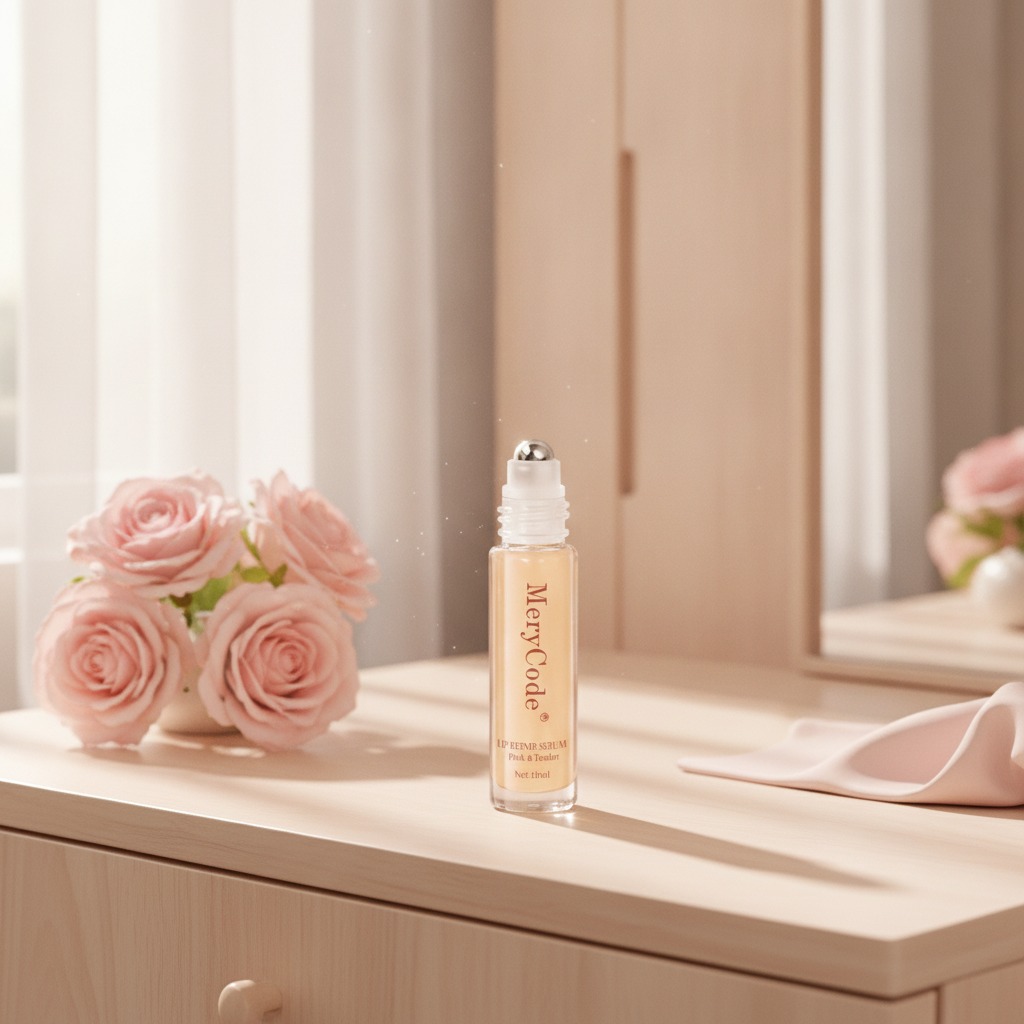
The MeryCode packaging shown is compact: about 85 mm tall and 18 mm wide. That makes it easy to place in a beauty kit, display box, or travel-friendly assortment. The boxed retail packaging is also a useful point for sellers who rely on shelf presence and gift appeal. The printed carton uses a pink-to-white gradient, which matches the soft cosmetic positioning better than a clinical-looking tube would.
The bottle contains a pale yellow liquid, though the exact formula is not visible. That is an important caution for buyers. It is tempting to infer ingredients or performance from the visual appearance, but a responsible sourcing review should stay with what is actually disclosed: color-changing lip oil, lip repair serum, moisturizing and nourishing repair lip color, 10 g net weight, and a one-year shelf life.
Why the vegan and cruelty-free angle matters in lip care
Lip products have a different level of scrutiny than many other cosmetics because they are used so close to the mouth and often reapplied throughout the day. Retailers know that consumers asking for vegan cruelty free lip oil often want reassurance on several fronts: ingredient sourcing, animal testing policy, and a formula that feels gentle enough for frequent use. Even when a product does not make formal certification claims on the package, the market expectation is clear. Buyers want transparency.
For beauty brands and private label teams, that means the label language has to be handled carefully. If vegan or cruelty-free status is not explicitly documented, it should not be implied. That may sound obvious, but it is one of the most common mistakes in cosmetic sourcing. A tinted lip oil can be attractive on the shelf and still miss the mark if the claims are loose or unsupported.
How this product type fits the market
Daily care
Products like this are usually bought for everyday use. The oil format gives a glossy finish, while the serum language suggests a care-first positioning. That combination works well for customers who want something softer than a lipstick and more polished than a plain balm.
Retail and e-commerce
Small, branded lip oil units tend to perform well in online beauty shops and impulse-buy displays because the format is easy to photograph and easy to understand. The color-changing angle also helps marketing teams explain the product in one sentence, which matters when attention spans are short.
Gift sets and promotional packs
The compact bottle and boxed presentation make it suitable for gift sets. In merchandising terms, that is not a small point. Compact cosmetics often move better when they can be bundled with hand creams, lip masks, or other personal care items.
What sourcing teams should check before buying
Start with the claims hierarchy. If vegan or cruelty-free status is a must-have, ask for documentation rather than relying on product imagery or marketing copy. Then review the basics: net content, shelf life, packaging stability, and whether the carton and bottle match your channel requirements. A 10 g lip oil may be fine for retail, but buyers should still check how the unit fits their price architecture and assortment strategy.
Next, review the practical side of lip cosmetics. Will the product be exposed to heat during shipping? Does the clear bottle make it easy to see fill level and product condition? Is the carton sturdy enough for online fulfillment? These are the details that separate a pretty sample from a commercially reliable SKU.
Common buyer mistakes
One mistake is treating color-changing lip oil as if all versions perform the same way. They do not. Appearance, texture, and customer experience can vary widely, even when the shelf language sounds similar. Another mistake is overpromising on repair. If a product is labeled as a lip repair serum, buyers should still look carefully at the supporting copy and not assume therapeutic performance.
A smaller but frequent issue is forgetting that shelf life affects inventory planning. A one-year shelf life is workable, but it does mean stock rotation matters. That is especially true for e-commerce sellers and smaller distributors who may not move volume quickly.
FAQ for buyers
Is this product definitely vegan and cruelty-free?
Not from the provided information alone. The search phrase may point to that requirement, but the visible product details do not verify it.
What can be confirmed from the packaging?
The brand name, product type, size cues, net weight of 10 g / 0.35 oz, 85 mm height, 18 mm width, pale yellow contents, and one-year shelf life are visible.
What is the most sensible way to evaluate it?
Use a documentation-first approach. Confirm claims, packaging specs, and channel fit before judging the product by appearance alone.
Next step for procurement or brand teams
If you are sourcing a vegan cruelty free lip oil for retail, private label, or a beauty bundle, ask for the full claim support, formulation details, packaging specs, and compliance documents in one review. The product shown has the kind of compact, consumer-friendly presentation that works in beauty merchandising, but the real buying decision still comes down to verified claims and fit for your market. That is where a pretty lip oil becomes a workable SKU.