Why a compact like this still matters in makeup buying
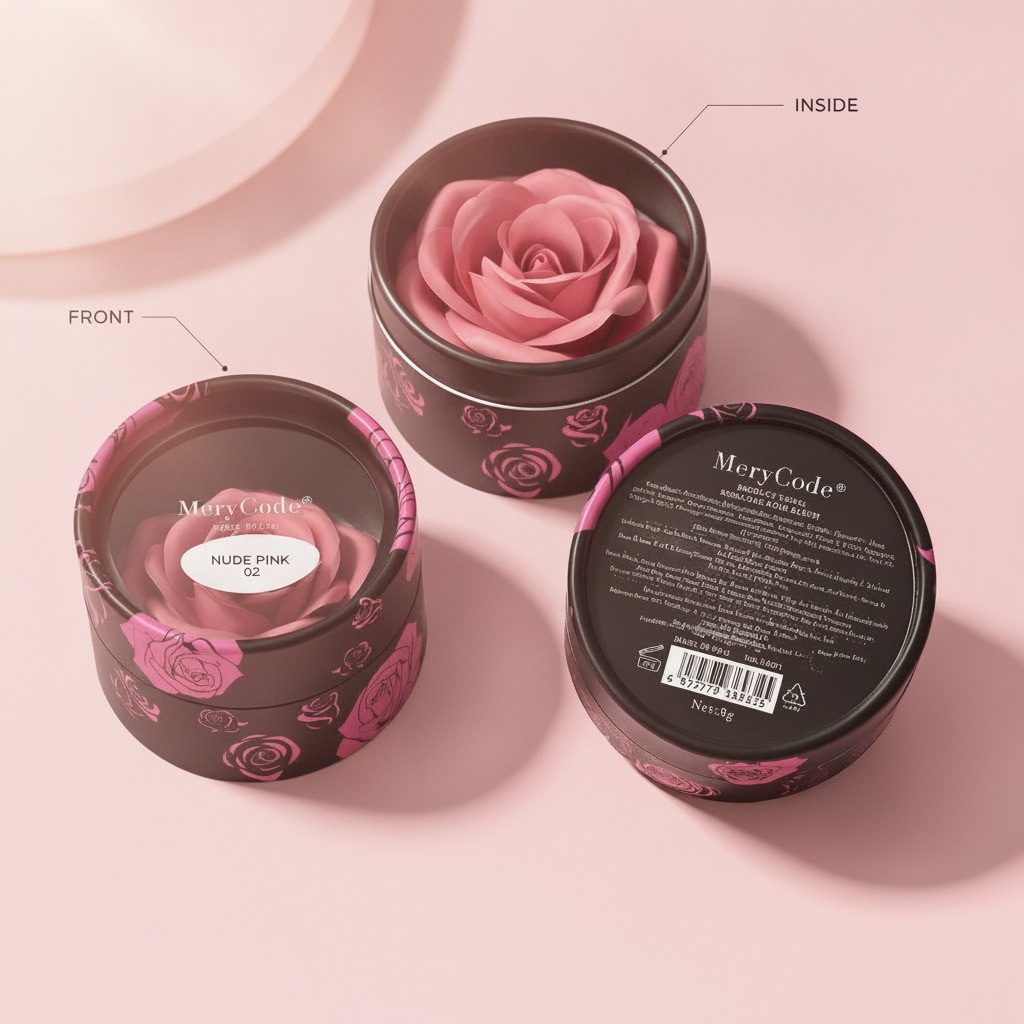
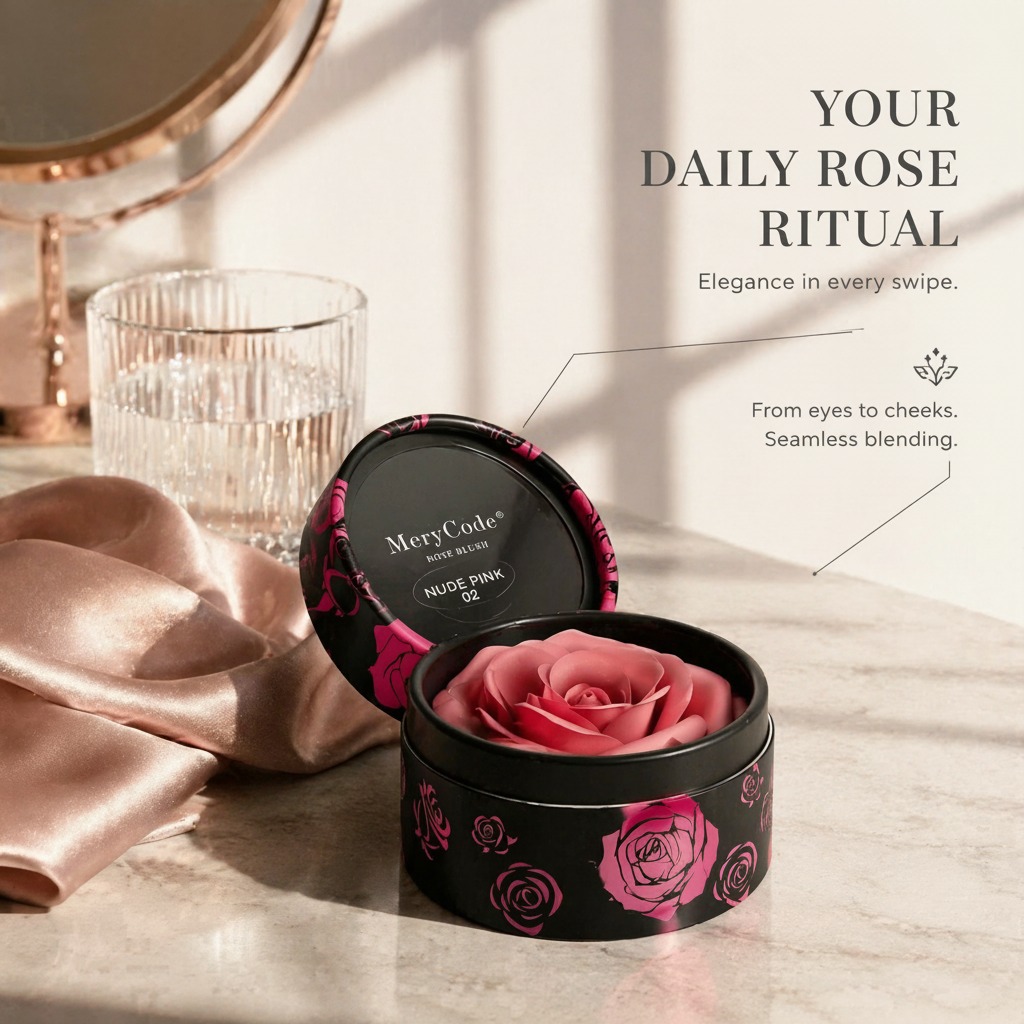
In a category crowded with palettes, sticks, and oversized cartons, a well-made compact still earns its shelf space. The appeal of this kind of makeup is simple: it is familiar, easy to display, and easy for shoppers to understand in a few seconds. A product such as the MeryCode ROSE BLUSH in NUDE PINK 02 signals its use immediately. The tin is small, the color story is clear, and the rose-shaped face of the product gives it a giftable look without needing much explanation.
That matters for brands, sourcing teams, and retail buyers because decorative cosmetics are not judged only on color performance. They are judged on how they present on a shelf, how they travel in a bag, and whether they feel worth opening again. A compact makeup item can win on first impression even before the formula is tested. That is not a substitute for performance, of course, but it is often the reason a shopper picks it up in the first place.
What the product format suggests
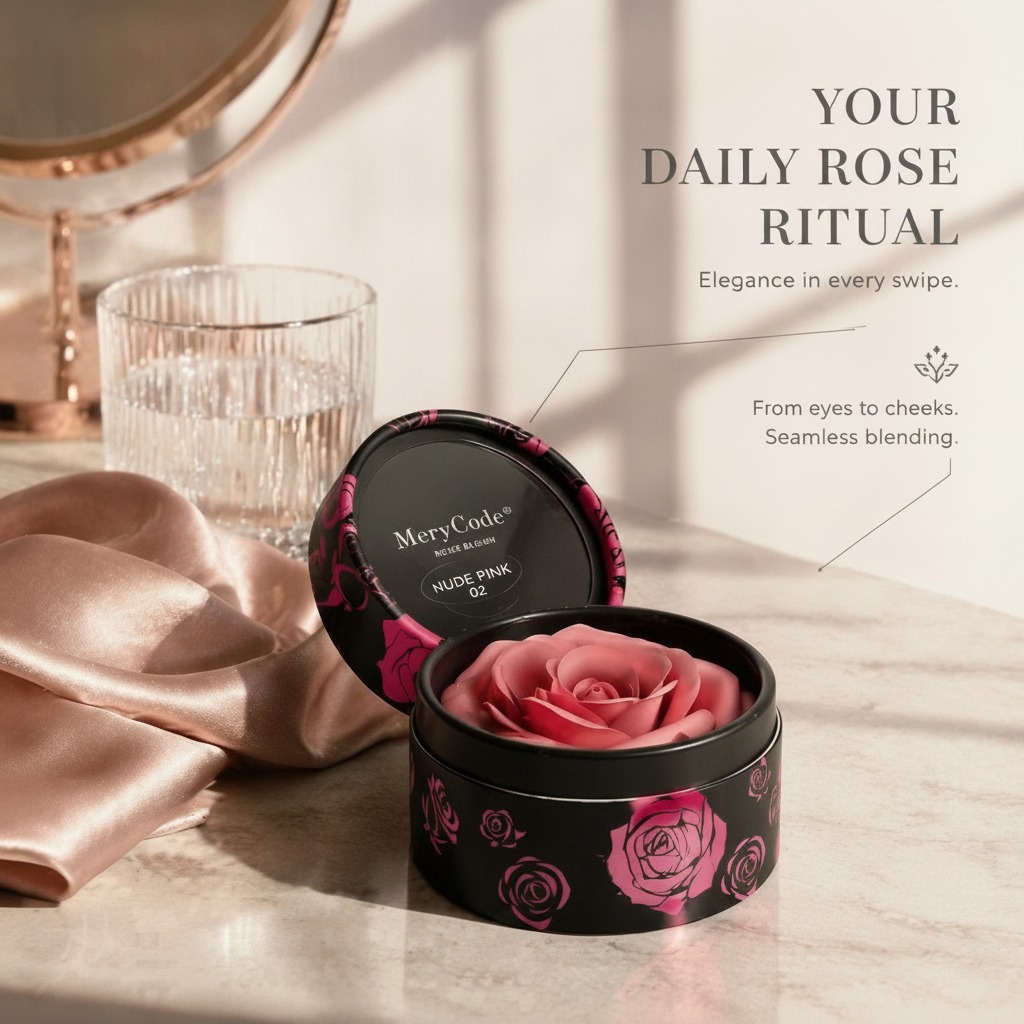
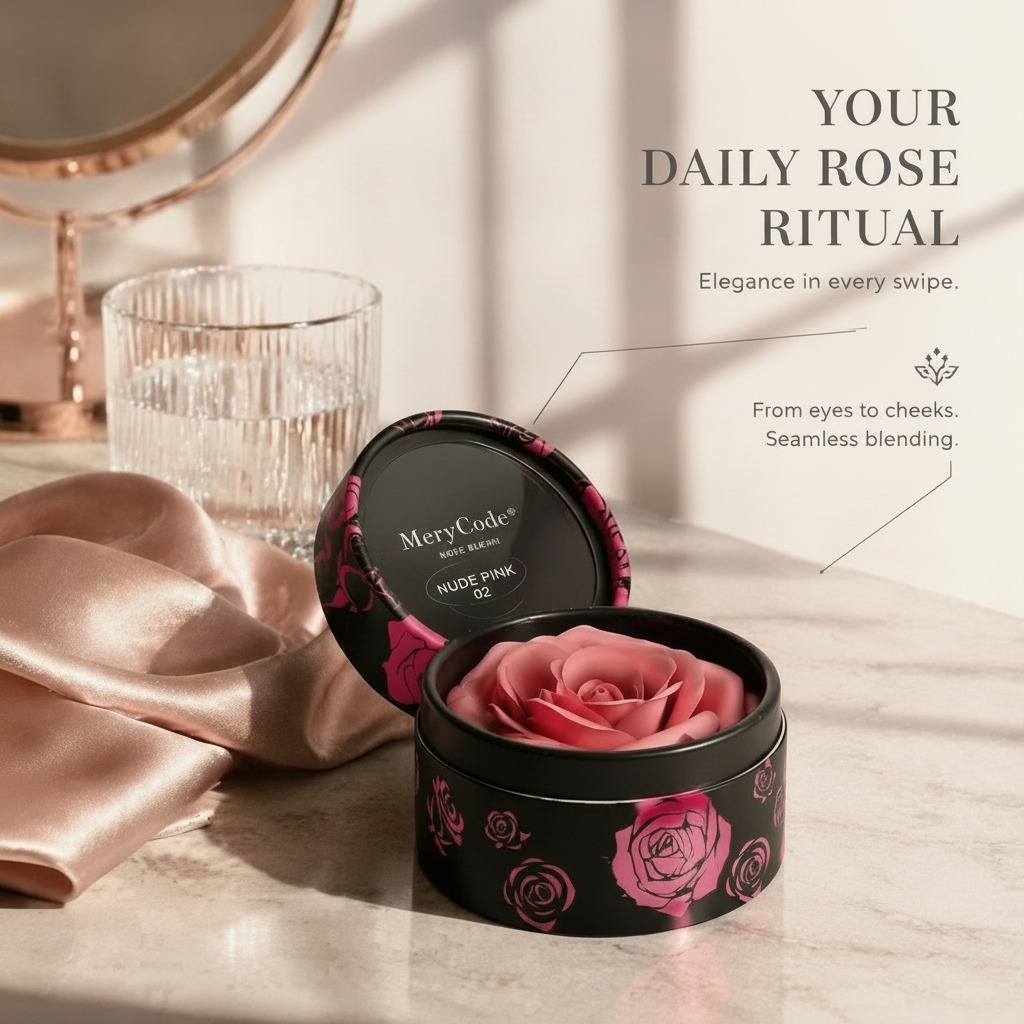
This appears to be a round black metal tin with a separate lid and printed rose graphics. The low-profile shape points to a travel-friendly compact, the kind that can sit in a handbag or drawer without taking much room. The visible rose mold inside the product suggests a pressed decorative formula, though the exact base is not verifiable from the image. It could be powder-like, balm-like, or something in between; buyers should not assume the texture from appearance alone.
The labeling is also useful from a merchandising point of view. “ROSE BLUSH” and “NUDE PINK 02” give the consumer a fast read on both the product family and the shade direction. The artwork says “from eyes to cheeks” and “seamless blending,” which indicates a multi-use color makeup position. That is attractive in modern beauty retail because customers increasingly want fewer products that can cover more than one application zone. Still, the claim should be treated as marketing language unless the formula has been tested accordingly.
Why molded decorative makeup sells
There is a practical reason brands keep returning to floral or sculpted surfaces. A molded top makes the product feel more premium even when the pack size is modest. It photographs well, which matters for ecommerce and social content, but it also helps with shelf appeal in physical stores. The buyer sees a finished object, not just a color pan.
For the retailer, that can lift perceived value. For the sourcing manager, it raises a different question: can the manufacturer repeat the decorative surface consistently? A rose-shaped face is only useful if it survives handling, transit, and basic consumer opening. The more ornate the surface, the more attention must be paid to pressing, filling, and package fit. That is one of those details that sounds minor until a shipment arrives with scattered dust or damaged embossing.
Selection criteria buyers should actually use
Packaging behavior first, then aesthetics
A black metal tin has advantages. It feels sturdy, it protects the product better than thin plastic in many cases, and it can support a more premium presentation. But metal alone does not make a good compact. Buyers should look at how tightly the lid closes, whether the finish resists scuffing, and whether the printed graphics hold up after repeated handling. A beautiful tin that scratches easily becomes a returns problem faster than people expect.
Formula compatibility with the intended use
If the product is meant for eyes and cheeks, the formula needs to behave like a multi-use cosmetic, not merely a decorative color pan. That means the manufacturer should be able to explain intended application, stability, and basic wear behavior. If those details are unavailable, that is a warning sign. The same is true for pigmentation claims. A pretty shade name does not tell you whether the color will read nude, pink, or warm once applied.
Common mistakes when sourcing this kind of makeup
The first mistake is buying purely from product photos. A molded floral compact can hide a wide range of formula realities. Another mistake is overpromising versatility. “Eyes to cheeks” sounds useful, but unless the formula is truly suitable for both, the claim can create customer disappointment. A third issue is underestimating packaging fragility. Decorative cosmetics often travel through multiple handling points before reaching the consumer, and the presentation needs to survive that chain.
There is also a merchandising trap. A giftable compact can sell well in seasonal sets or impulse displays, but it still needs a clear everyday use case. If shoppers do not understand whether it is blush, face color, or a multi-use makeup item, conversion suffers.
Practical advice for brand and sourcing teams
Ask for clear product samples, not just artwork. Confirm the real product texture, the appearance of the rose embossing after transport, and how the shade reads under ordinary indoor light. If the supplier describes a “seamless blending” effect, ask what that means in practical terms. Does it mean easy pickup, smooth spreading, or a soft-focus finish? Those are not the same thing.
For retail planning, this compact format is strongest where display and gifting matter: checkouts, beauty counters, small seasonal assortments, and travel-ready edits. It is less persuasive when the buyer needs a hard-working, utilitarian product with no visual extras. In other words, this is a product that should be chosen for both appearance and function, not one or the other.
Bottom line for buyers
A product like this shows why makeup packaging still influences purchase decisions so strongly. The compact format, rose design, and nude pink shade combine into a simple retail story that is easy to sell. But the final decision should still rest on the formula, the closing behavior of the tin, and the reliability of the decorative surface. That is the part that separates a pretty sample from a dependable SKU.
If you are evaluating a rose-shaped compact for your line, treat the artwork as the invitation and the formula as the real test. Ask for both, then decide whether the product belongs in everyday retail, gifting, or a more premium display program.