Why a lengthening mascara brush is not just a cosmetic detail
When buyers talk about lengthening mascara, the conversation usually jumps straight to formula. That is only half the story. In practice, the brush or applicator does a large share of the work. If the wand cannot reach the lash line cleanly, separate lashes, or lift them into a neat fan, even a good formula can look heavy or uneven.
That matters to sourcing managers, product teams, and salon buyers for one simple reason: the applicator shapes the user’s result, the user’s comfort, and often the brand’s reputation. A mascara may promise length, but the brush geometry decides whether the effect looks elongated, clumpy, patchy, or merely average.
What the right brush changes in real use
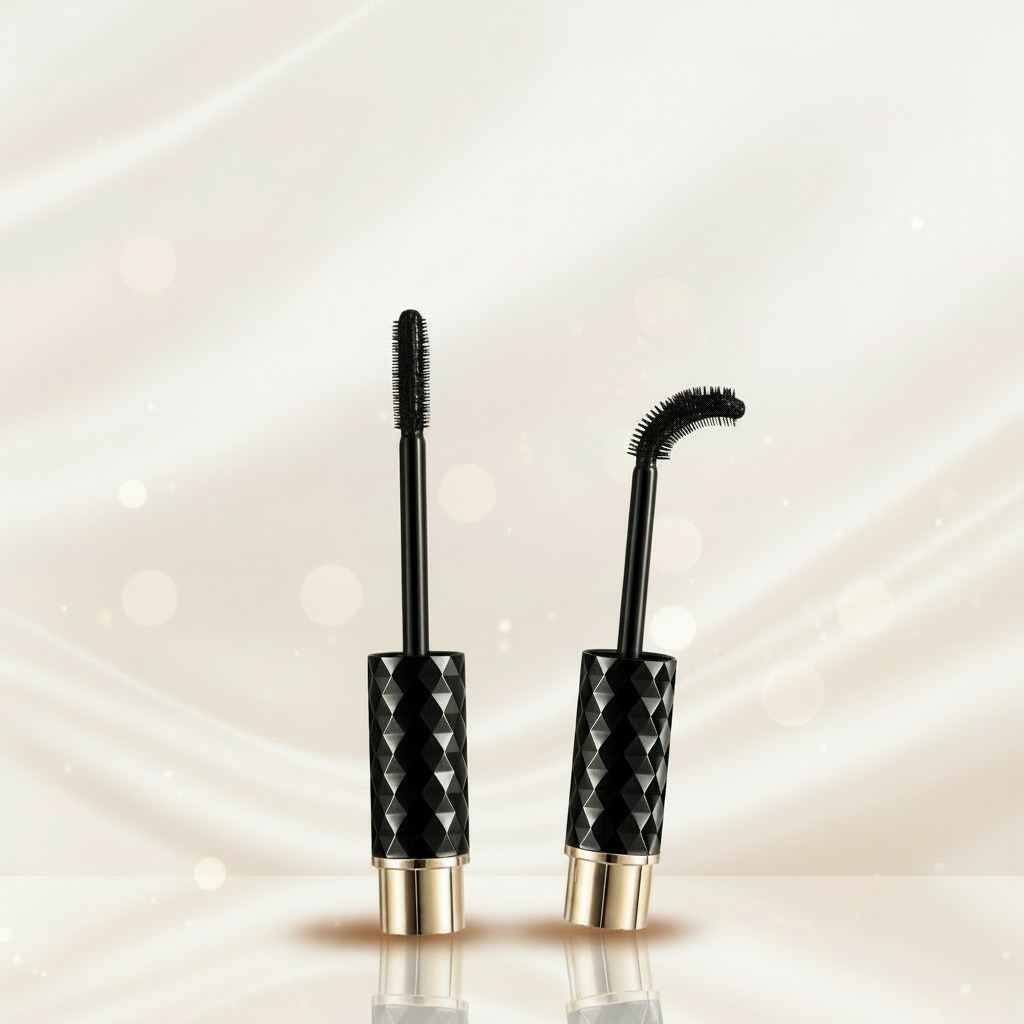
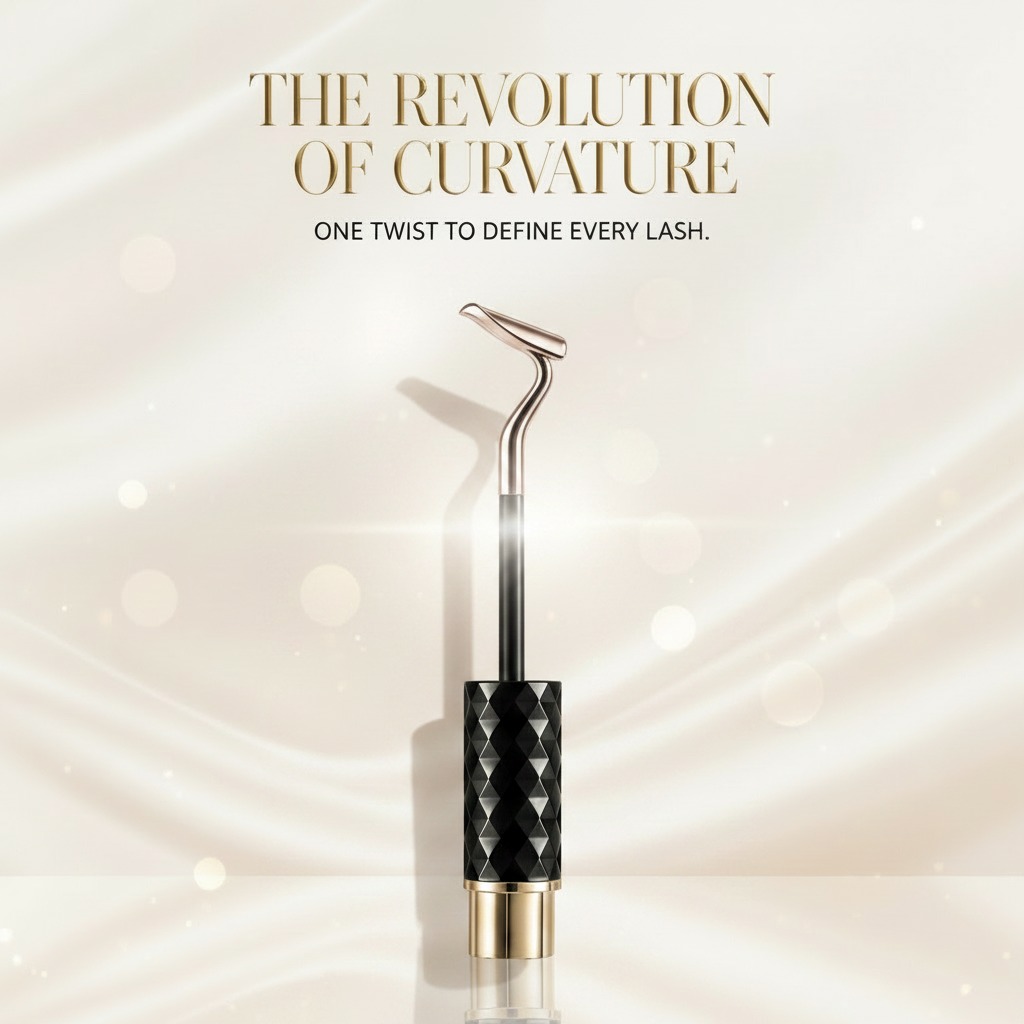
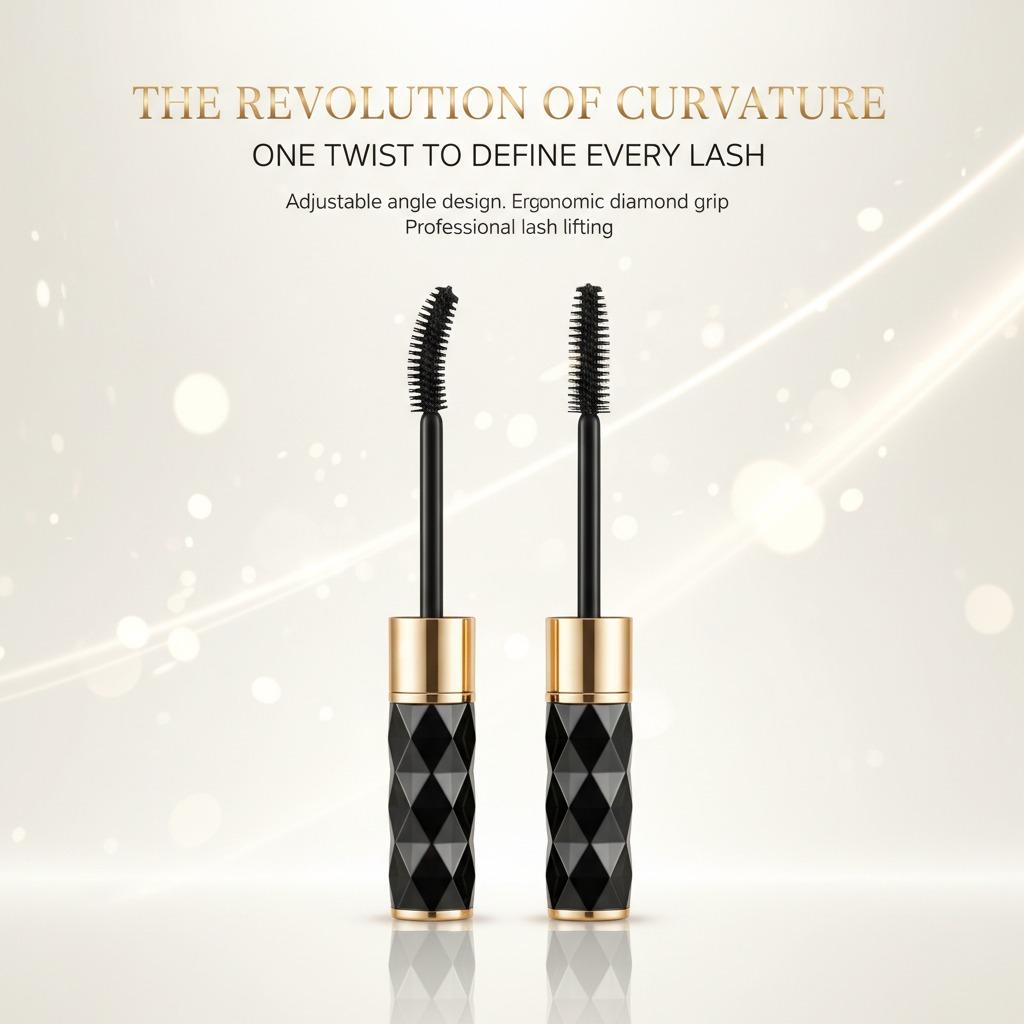
The product data points to an eyelash applicator with an adjustable angle design, an ergonomic diamond grip, and a brush head built for professional lash lifting. That combination suggests a tool meant to do more than deposit product. It is designed to control placement.
A curved or angled head can reach shorter inner-corner lashes and help lift the outer edge without forcing the hand into an awkward position. A small, densely bristled tip can also separate lashes before or during coating, which is one of the easier ways to create the illusion of added length. The effect is subtle, but in cosmetic tools subtlety is often the difference between a premium look and a messy one.
Quick buyer takeaway: the brush often matters as much as the formula
If your goal is a true lengthening effect, do not treat the applicator as an accessory. Look at three things first: lash control, product pickup, and handling comfort. A brush that loads too much product can make lashes look thicker rather than longer. A brush that is too stiff can pull at delicate lashes. A brush that is too loose may skip over them.
The pictured tool appears to address control with a faceted grip and a slim pen-like body. That is a small design choice, but it is the kind of detail that helps during repetitive salon work or careful at-home application. Buyers often underestimate this until they compare user feedback.
Design features that support lash lifting and grooming
Adjustable angle head
An adjustable angle is useful because no two eye shapes are identical. A tool that can change how it meets the lash line gives the operator more freedom, especially around the inner and outer corners. For lash lifting, that control can reduce the need for awkward wrist angles and repeated passes.
Ergonomic diamond grip
The faceted grip section is not merely decorative. Textured surfaces help reduce slip, particularly when hands are working close to creams, balms, or mascara product. For production teams, this kind of detail can support a more premium position without changing the core brush function.
Small, dense brush head
The brush head shown in the product information is compact and comb-like, which is exactly what you want when separating lashes. Larger wands may be fine for fast volume, but they are usually less precise. For lengthening, precision wins more often than size.
Materials and manufacturing considerations
The exact materials are not confirmed, so it is safer to describe the structure rather than assume specifics. The tool appears to use a molded black handle, a decorative grip section with a diamond-pattern finish, and a metallic gold-colored lower cap or base. The brush portion likely uses synthetic bristles assembled into a small head.
From a manufacturing standpoint, that points to a familiar cosmetic-tool build: injection-molded components, decorative surface treatment, and brush assembly. It is a practical format because it can be scaled, packaged neatly, and presented as either a salon tool or a retail beauty accessory. Still, buyers should verify bristle softness, handle finish durability, and how firmly the head is fixed before placing volume orders.
How to evaluate suppliers without overcomplicating the brief
Start with the use case. Is the tool meant for mascara application, lash lifting, grooming, or a mixed role across beauty kits? That answer changes what “good” looks like. A lash-lift tool needs precision and control. A consumer mascara wand needs comfort and predictable pickup. A salon tool may need a sturdier feel and better handling during repeated use.
Then ask for visual references or working samples that show the brush angle, grip texture, and overall balance. In cosmetic tools, balance is often overlooked. A pen-shaped applicator that feels off-center can be tiring in use even if the head itself is well designed.
Common mistakes buyers make
The most common mistake is buying on appearance alone. A polished handle and metallic accent can look premium, but the real test is whether the head reaches the lash line cleanly and gives the user enough control. Another mistake is assuming one brush shape fits every formula. It rarely does.
There is also a practical warning here: if the brush is intended for both lash lifting and mascara application, ask how it behaves with different viscosities. A tool that works well with one product may underperform with another. That is not a defect; it is simply how brush geometry works.
What this product is best suited for
Based on the available description, this tool is well suited to professional lash lifting, lash separation, precise mascara application, and brow grooming. It looks especially relevant for buyers building a compact beauty toolkit where control matters more than speed. That makes it attractive for salon-oriented lines, training kits, or carefully positioned retail accessories.
What to ask before you place an order
Before moving forward, confirm the exact intended application, whether the handle finish can be customized, and what level of bristle stiffness is available. Ask for details on assembly consistency and packaging, too. Cosmetic tools often succeed or fail on small manufacturing choices that are easy to miss at the sample stage.
If you are sourcing a lengthening mascara tool or a related lash applicator, the next step is simple: compare brush shape, grip design, and handling comfort against your target user, then request a sample that reflects the real formula or workflow. That is the fastest way to avoid a pretty product that performs only on paper.