Can You Wear Cream Blush Over Foundation?
Yes, you can wear cream blush over foundation, and for many people that is the cleanest way to get color onto the face without patchiness. The short version is simple: if your base is set too heavily, the cream blush can drag; if the base is still too wet, the blush can slide. The real question is not whether it can be done, but how to do it so the blush sits on top of the makeup instead of fighting it.
That matters because cream blush is one of those products that can make skin look alive in a single swipe. It gives the cheeks a soft, diffused color that powder often cannot match. But it can also expose weak foundation prep, odd texture, or a base that was chosen for the wrong finish. For beauty buyers, makeup artists, and product teams, the practical decision is about compatibility: which base, which application method, and which product format will deliver a believable result on real skin.
What cream blush does best on top of a base
Cream blush tends to work best when the foundation underneath still has a little flexibility. That could mean a light-coverage liquid foundation, a skin tint, or a set foundation that is not overly powdery. On that kind of base, the color blends in with finger warmth or a dense brush and becomes part of the skin rather than sitting like a stripe.
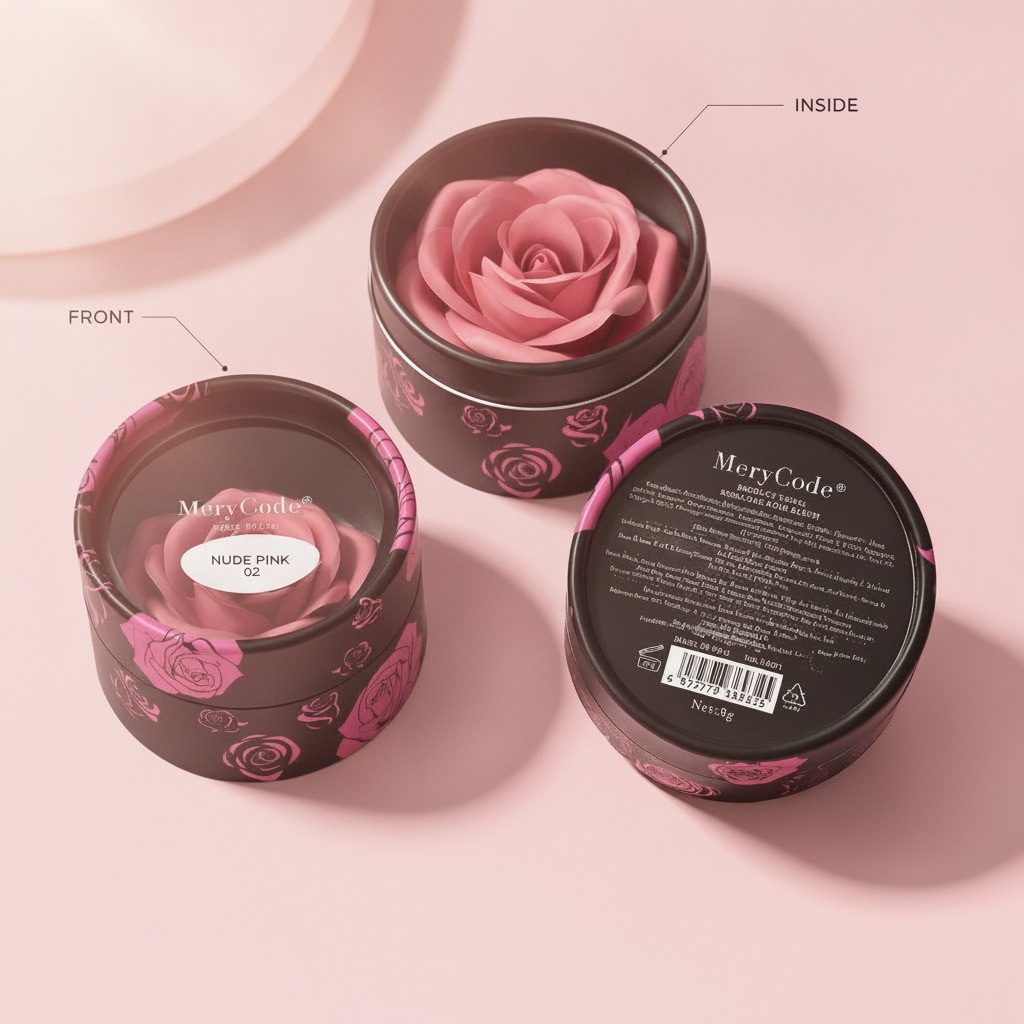
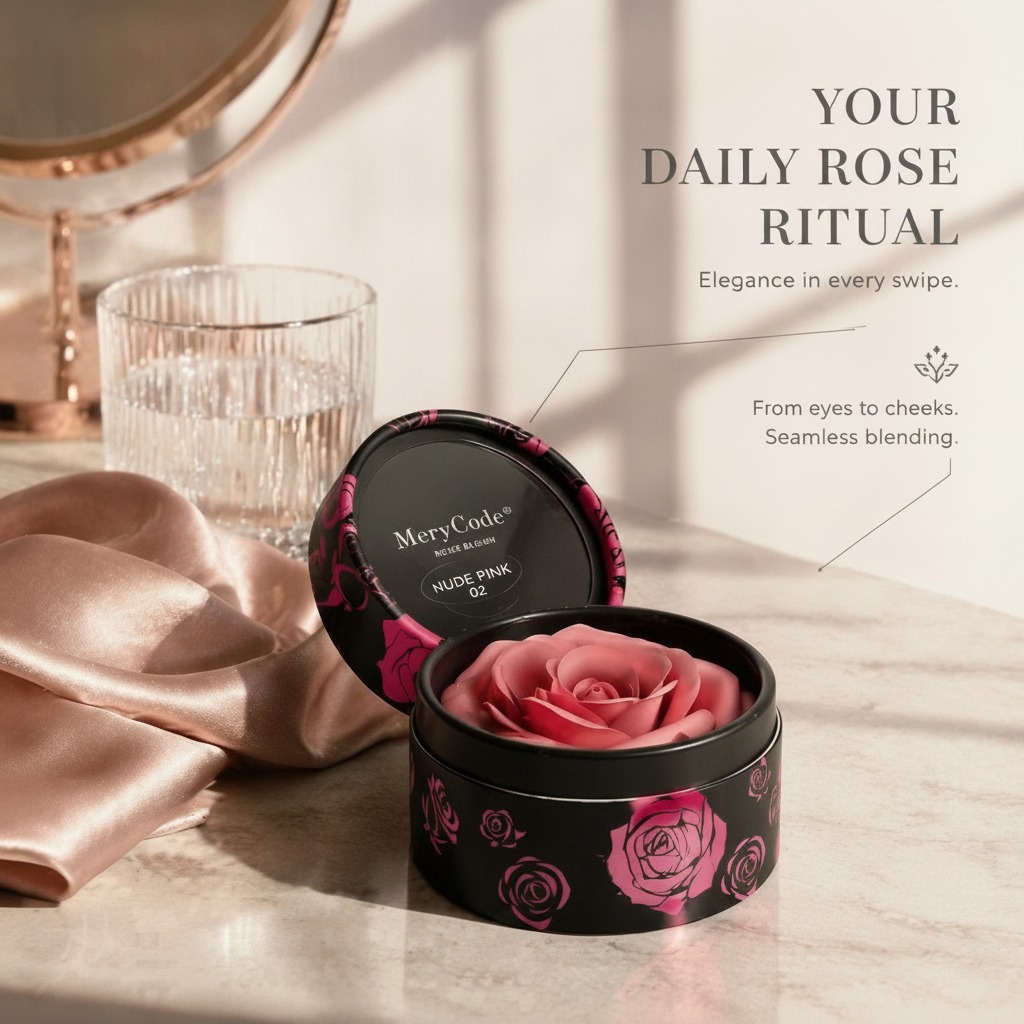
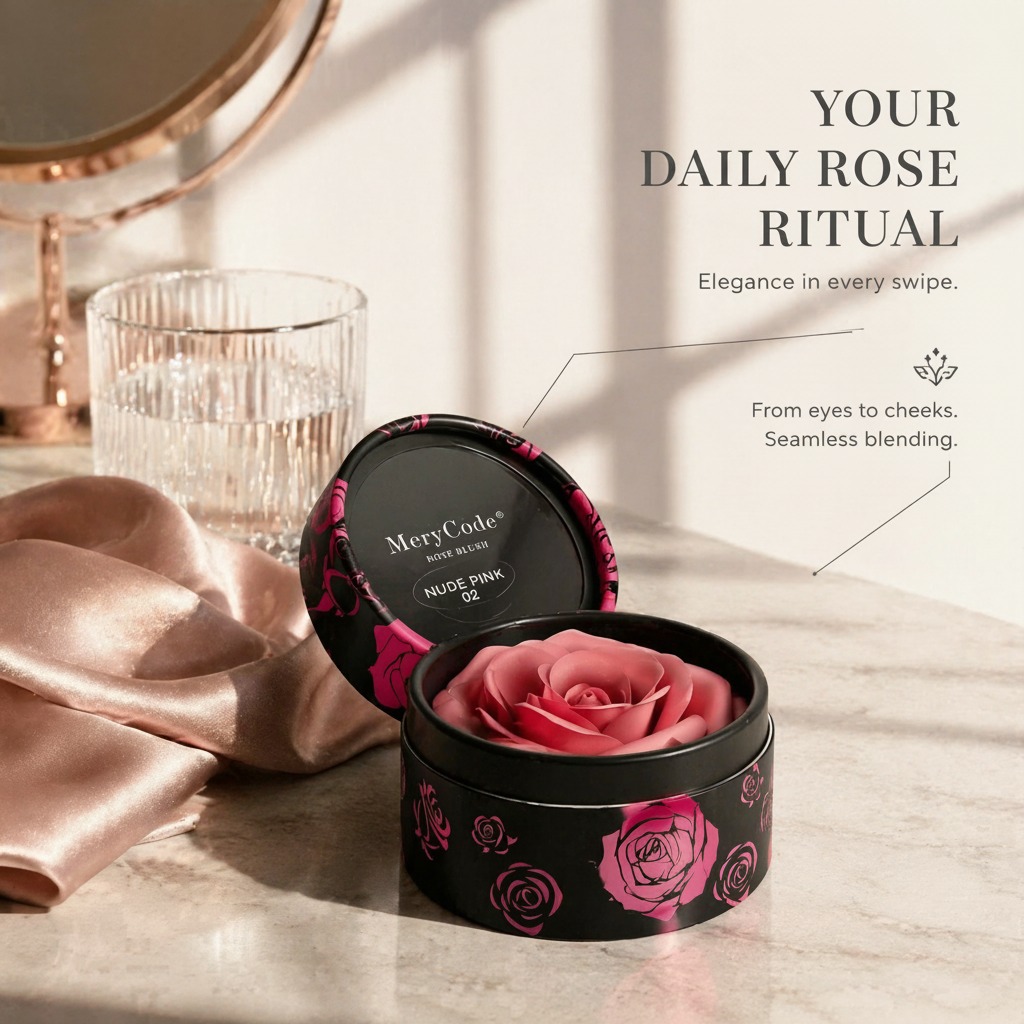
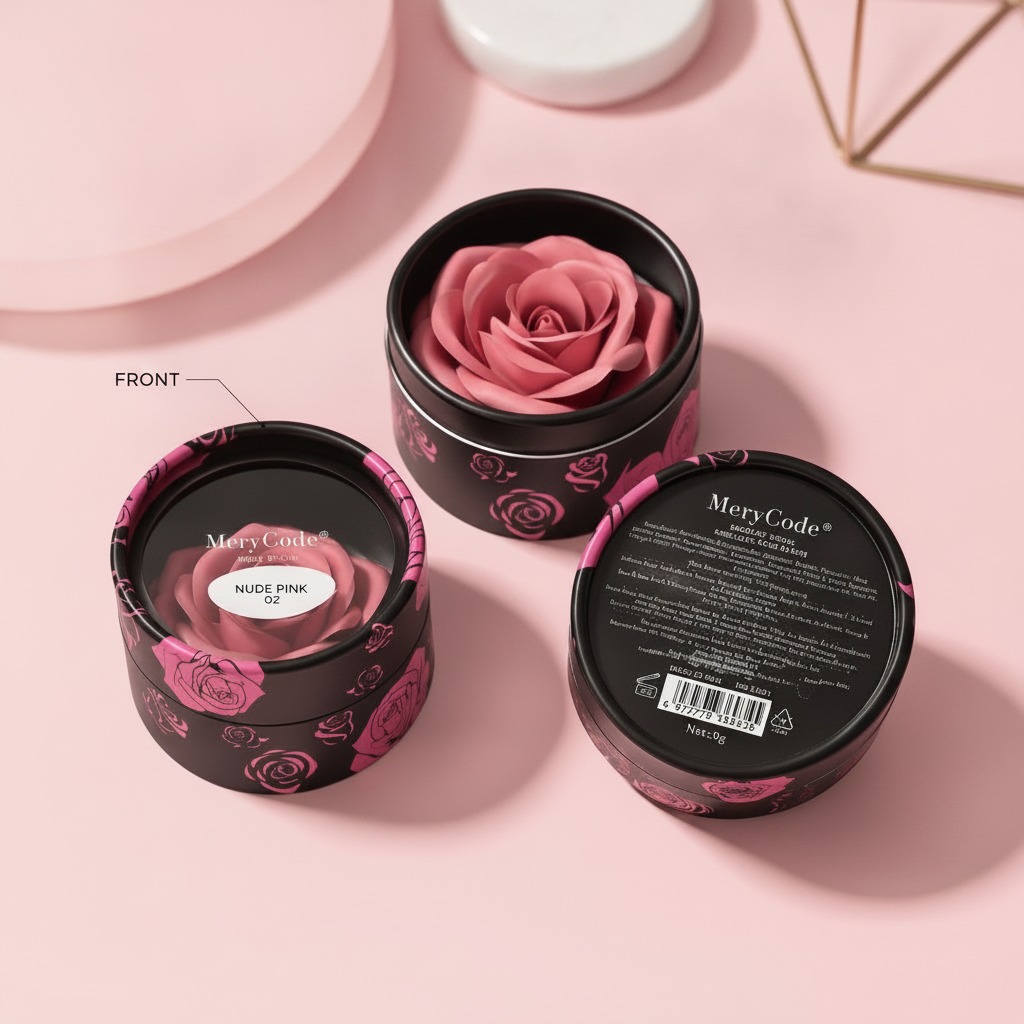
The look is especially useful when you want freshness rather than obvious makeup. A rose-toned shade such as a nude pink can read as a natural flush on cheeks, which is why soft pink and muted rose colors remain common in cheek products. The MeryCode compact described here, marked NUDE PINK 02 and Net: 9g, fits that general use case: a small, portable color product meant for everyday application rather than a bulky palette.
How to apply it without disturbing foundation
Start with a light touch
Use the smallest amount first. Cream formulas are forgiving only until you overwork them. A dot placed high on the cheek, then tapped outward, usually gives a better result than dragging product back and forth.
Choose the right tool
Fingers warm the product and help it melt into the base. A synthetic brush gives more placement control. A sponge can work too, though it may sheer out the color more than expected. In practice, many makeup artists use fingers for the first placement and a sponge for soft blending.
Mind the foundation finish
If the foundation is very matte or heavily set with powder, the cream blush may cling in uneven patches. In that case, a light mist of setting spray or a tiny amount of facial cream on the high points can sometimes help, though that trick should be used carefully. Too much moisture and the cheek color can break apart fast.
When cream blush over foundation works best
It is usually easiest on normal to dry skin, or on makeup looks designed to stay fresh and dewy. It also works well when the rest of the face is kept restrained: neutral eyes, clean brows, and a complexion that does not look overloaded with layers. In retail terms, this is the kind of product people reach for when they want a compact, multi-use color item that feels easy to carry and easy to show on a shelf. A round rigid jar with floral graphics, like the MeryCode package described in the source data, communicates that kind of approachable beauty product at a glance.
That said, packaging can suggest ease, but the formula still has to do the work. A decorative rose-shaped presentation may look elegant, yet the actual performance depends on how creamy, pigmented, and spreadable the product is. Those details are not visible from the outside, so buyers should not let presentation substitute for testing.
Common mistakes to avoid
The first mistake is applying blush before the base has settled. The second is using too much powder after the blush goes on, which can flatten the color and leave the cheeks looking dusty. Another common problem is placing the blush too low on the face, where it can drag features down instead of lifting them.
There is also a product-selection mistake that shows up often in sourcing discussions: assuming every cream blush behaves the same. Some are more balm-like, some are firmer, some have a satin finish, and some are meant to be layered. A product in a compact jar with a molded decorative top may be aimed at visual appeal as much as performance, so formulation and packaging should be reviewed together.
Practical buyer advice
If you are evaluating cream blush products, look at the interaction between formula and container. Is it a twist-up stick, a pot, or a rigid jar? Does the packaging protect the surface of the product from dust and handling? Is the color easy to dispense without digging into the surface? Those details matter more than they first appear, especially for retail display and repeated consumer use.
For end users, the decision is simpler: if your foundation is light, flexible, and not over-powdered, yes, you can wear cream blush over it. If your base is already dry or layered heavily, prepare to blend more carefully or switch to a softer application method.
FAQ
Can you wear cream blush over foundation every day?
Yes. It is a normal part of many daily makeup routines, especially when the desired finish is natural and skin-like.
Does it work over powder foundation?
Sometimes, but it is riskier. Powder can make cream blush grab unevenly unless you apply with a very light hand.
Should cream blush go before or after setting powder?
Usually after foundation and before heavy setting powder, or after only a minimal amount of powder. That order often gives the smoothest result.
What to do next
If you are choosing a cheek product for your own routine or for private-label evaluation, test it on top of the foundation finish you actually use. Shade names and decorative packaging are only the start. The real answer lies in how the product blends, how it wears, and whether it still looks like skin an hour later.