Matte Blush Makeup: What Buyers Should Check Before Choosing a Pressed-Powder Product
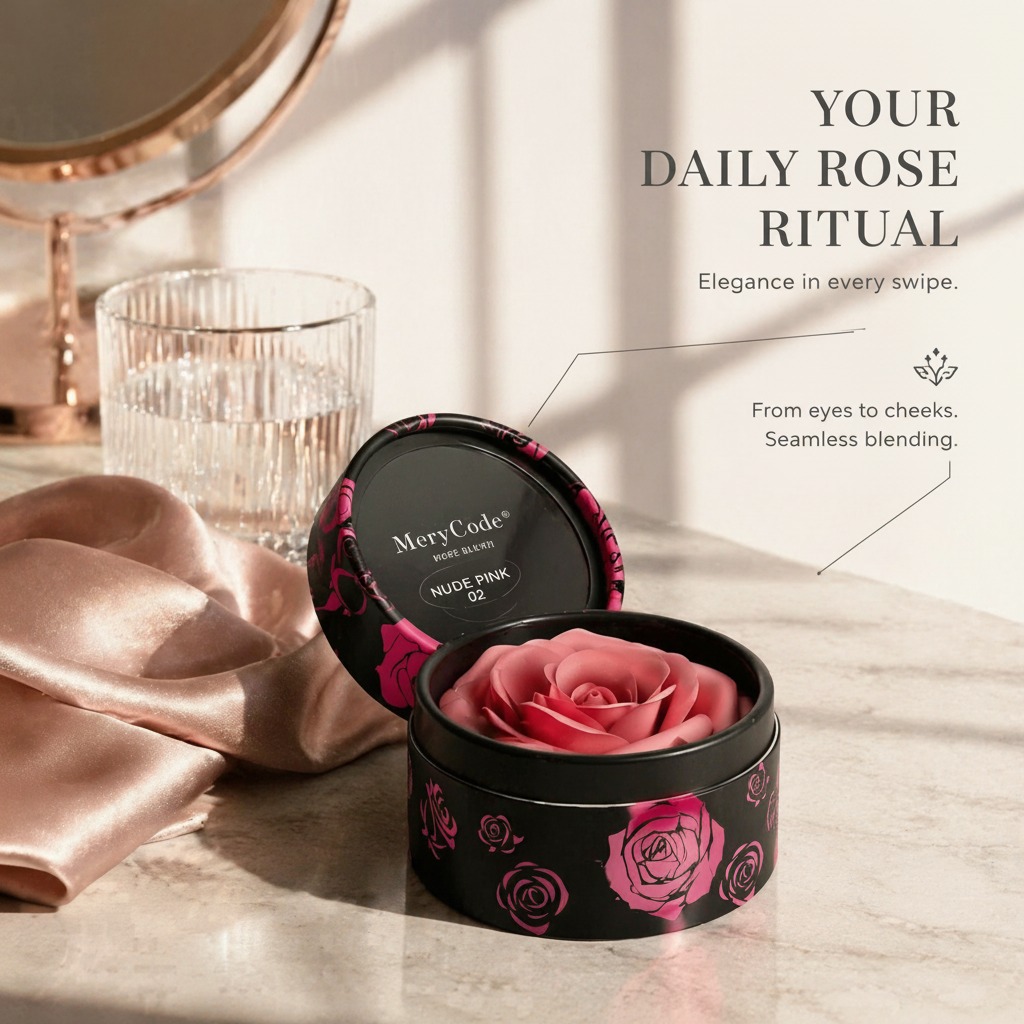
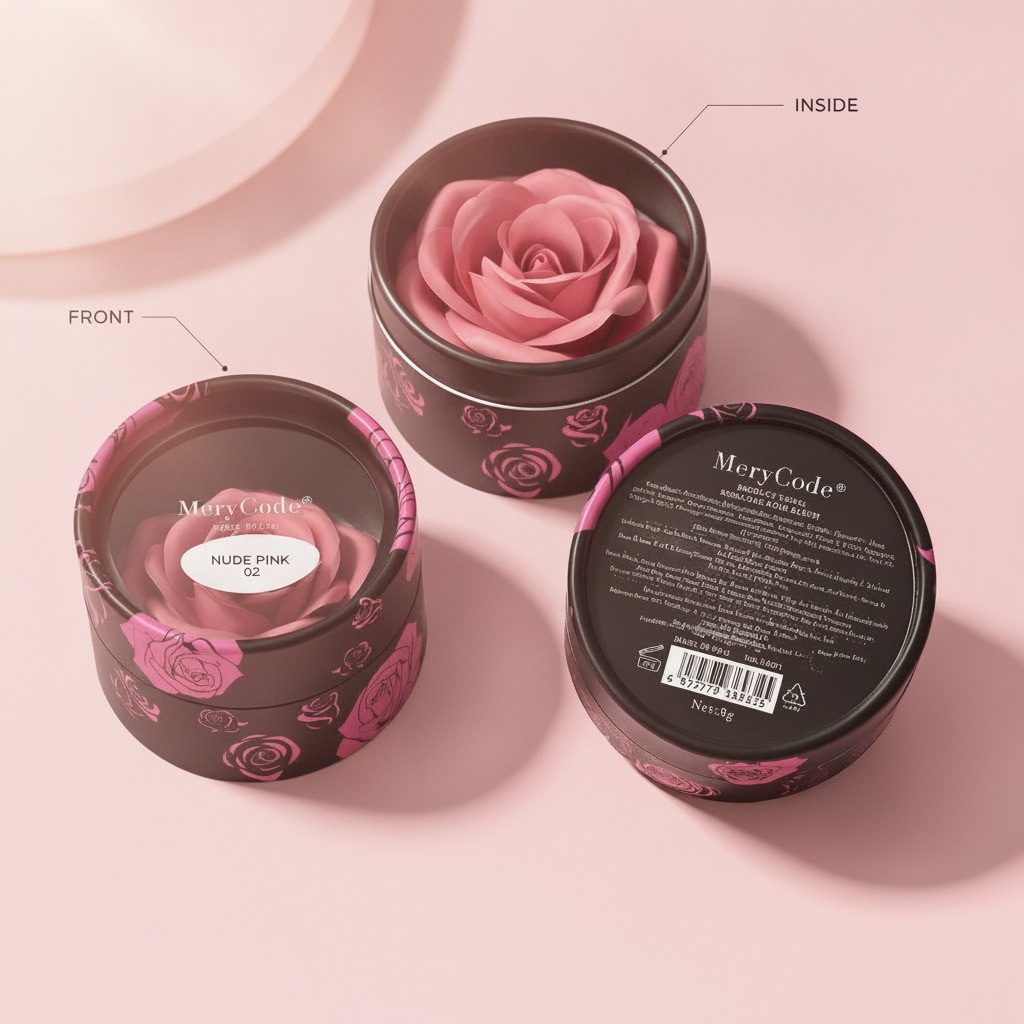
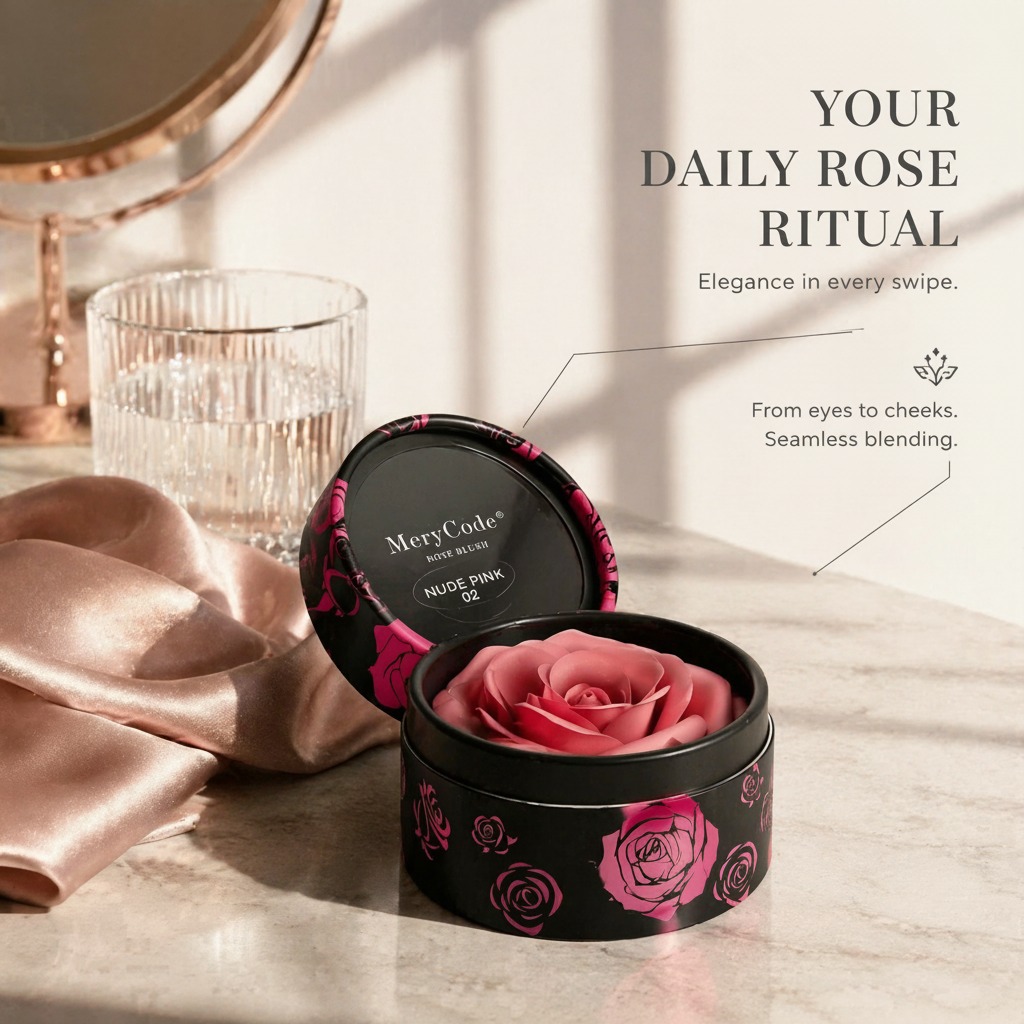
Matte blush makeup is often treated as a straightforward color cosmetic, but the buying decision involves more than selecting a pink shade and attractive artwork. For sourcing managers, product developers, and beauty brands, the real questions concern the pressed-powder structure, shade presentation, packaging format, decoration, and the claims that can be supported after production. The MeryCode Rose Blush – Nude Pink 02 provides a useful example: a round pressed powder in a black cylindrical package, presented with a rose-shaped surface and floral graphics.
This article helps buyers assess that type of product without assuming details that are not visible. It separates confirmed product characteristics from open technical questions, then outlines the information a manufacturer should provide before sampling, approval, or retail launch.
Quick reference: what is visible and what remains open
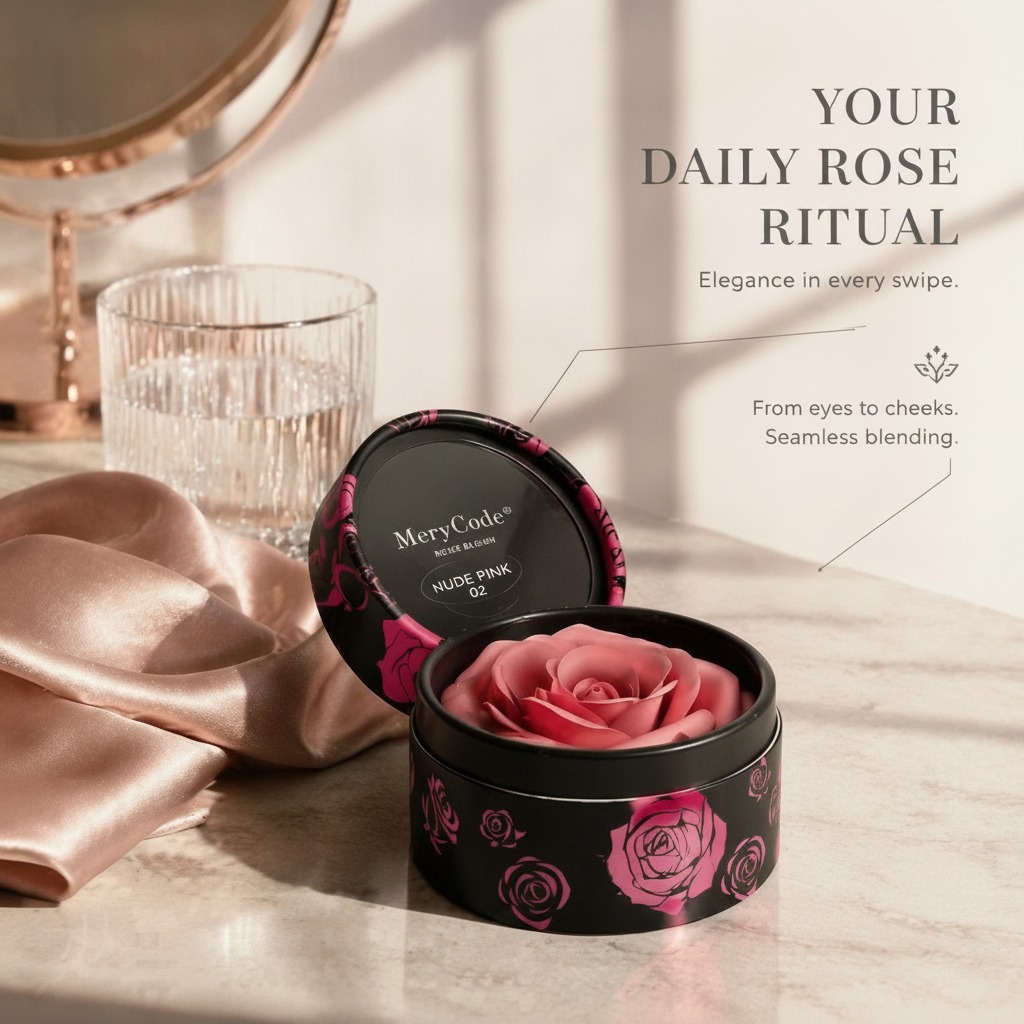
The supplied product is identified as “MeryCode Rose Blush – Nude Pink 02.” Its apparent function is to add color to the cheeks, with accompanying wording that references use “from eyes to cheeks.” That broader use should be treated cautiously until the formulation, safety assessment, and labeling confirm that it is approved for both areas.
- Format: Round pressed powder in a cylindrical cosmetic container.
- Shade: Nude Pink 02.
- Presentation: Rose-shaped or sculpted powder appearance, although the image alone does not conclusively establish how the form was made.
- Packaging appearance: Black exterior surfaces with pink rose graphics and white lettering.
- Intended use: Cheek color; possible eye-and-cheek positioning requires verification.
- Unconfirmed items: Ingredients, net weight, finish, dimensions, shelf life, regulatory status, and performance data.
Why the pressed-powder format matters
Pressed blush is manufactured by combining a cosmetic powder blend with a controlled filling and pressing process. The formula and the tooling influence the finished cake’s appearance, hardness, pickup, and resistance to breakage during handling. A decorative rose profile adds another variable. Petal geometry can make a product more distinctive on a retail shelf, but it also creates a more demanding filling or pressing requirement than a simple flat pan.
In this case, the rose presentation may be a molded or sculpted blush design, but the image does not prove that interpretation. A buyer should ask whether the flower is formed directly in the pressed powder, produced with a shaped insert, or used only as part of the product styling. That distinction affects tooling, filling sequence, inspection, packaging clearance, and protection against surface damage.
For a matte blush makeup product specifically, the finish must be confirmed from the formula and approved sample rather than inferred from a photograph. The supplied information identifies a pressed blush and a nude-pink shade, but it does not independently establish whether the surface is matte, satin, or shimmery. That small distinction matters because finish affects positioning, shade photography, consumer expectations, and claims on the pack.
Packaging and decoration considerations
The package uses a round format with a separate lid shown upright behind the container. Its visible exterior is black with pink floral decoration and white product lettering. The exact packaging material is unknown, so buyers should not assume a particular plastic, coating, or substrate. Instead, request a packaging specification covering the container body, lid, inner surface, closure, decoration method, and resistance to scuffing.
Printed cylindrical packaging can look simple while creating practical production issues. Artwork must align around a curved surface, and the brand team should approve a physical decorated sample rather than relying only on a digital rendering. Check the contrast of the white lettering against the black background, the consistency of the pink floral graphic, and whether the finish is intended to be smooth, matte, or semi-matte. The inner lid is described as dark and matte or semi-matte, but that observation should not replace a formal specification.
Questions to ask a cosmetic manufacturer
Formula and shade
Ask for the ingredient list, shade development process, permitted colorants for the intended market, and a retained reference standard for Nude Pink 02. If the product is marketed for both eyes and cheeks, request confirmation that the formulation and labeling support both applications. Do not rely solely on promotional wording such as “seamless blending”; the supplied image contains that phrase, but no performance data supports the claim.
Pressing and shape
Clarify whether the rose form is part of the powder cake, created by a pressing tool, or supplied through another presentation method. Confirm how the manufacturer checks fill level, surface appearance, edge integrity, and resistance to cracking. Buyers should also ask whether the shaped design changes the minimum order quantity or requires dedicated tooling. Exact tooling costs, tolerances, and production times should come from the supplier rather than being assumed.
Pack assembly and inspection
Request a sample showing the assembled container, decorated lid, powder surface, and final labeling. Inspect the closure, powder clearance, print quality, and the ability of the package to protect the sculpted surface in normal distribution. A decorative product can lose much of its value if the petals arrive chipped or the printed graphics are scratched.
Common buyer mistakes
The first mistake is treating an attractive image as a complete product specification. It is not. An image can show the apparent color family, package shape, and visual identity, but it cannot establish ingredients, compliance, shelf life, net weight, or manufacturing performance.
The second is approving a shade from a screen image. Nude pink can shift substantially with lighting, camera settings, surrounding colors, and display calibration. Approve a physical drawdown or finished pressed sample under agreed lighting conditions.
The third is assuming that a floral shape automatically indicates a premium manufacturing process. It may require specialized tooling, but the buyer should verify the actual method and inspect production samples. Finally, avoid placing eye-and-cheek language on packaging until the intended use has been reviewed by the responsible regulatory and technical teams.
A practical next step for product teams
Prepare a concise product brief for the supplier covering the Nude Pink 02 shade, round package, black floral artwork, desired powder geometry, target market, intended areas of use, and packaging presentation. Mark every unconfirmed point—especially finish, ingredients, dimensions, and regulatory claims—as an approval item. Then request a formula and shade sample, a decorated packaging sample, and a clear explanation of the pressing or molding method.
That process turns the MeryCode Rose Blush concept from a visual reference into a manufacturable specification. It also gives sourcing and product teams a firmer basis for comparing suppliers, reviewing risks, and deciding whether the decorative rose format adds enough shelf impact to justify its additional production questions.