Beauty Present Ideas That Feel Thoughtful Instead of Generic
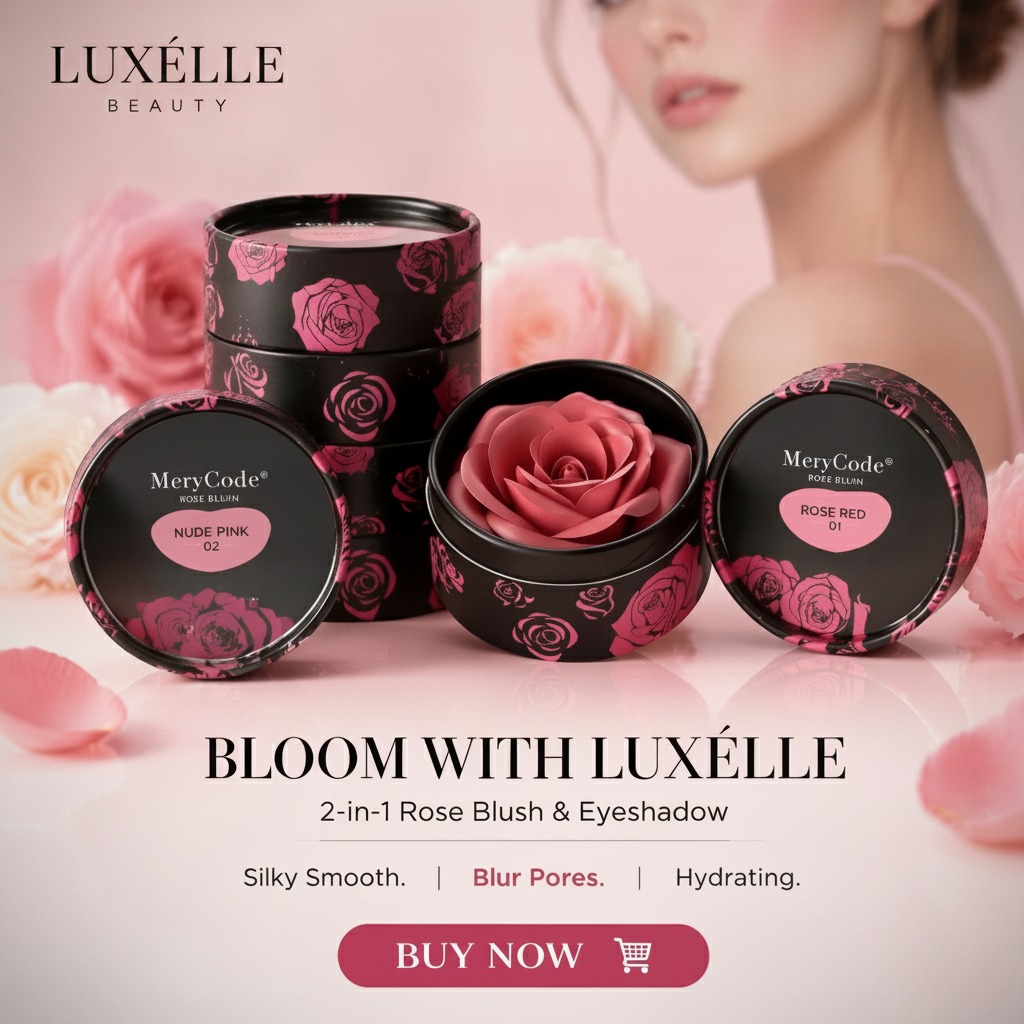
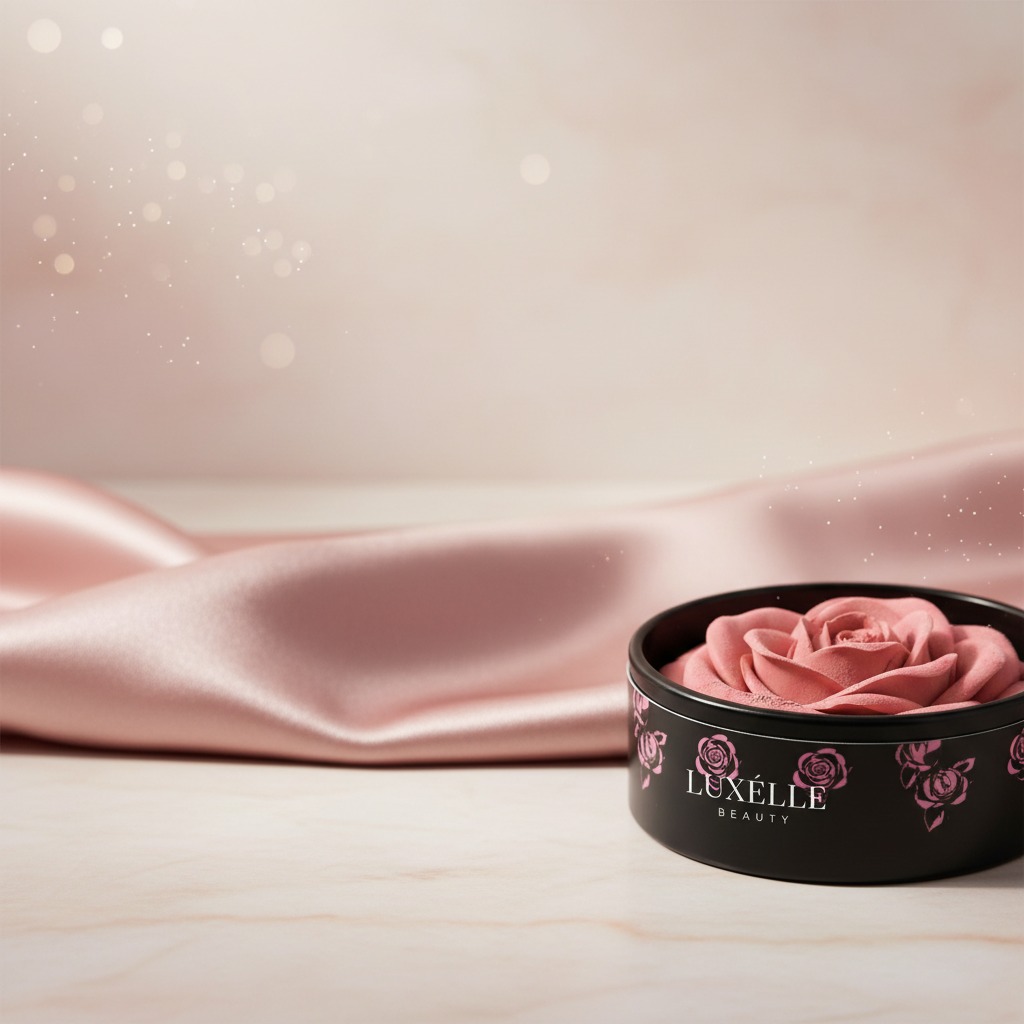
When people look for beauty present ideas, they are usually trying to solve a familiar problem: how to buy something that feels personal without wandering into risky territory. Cosmetics can be a smart answer, but only if the product looks giftable, is easy to understand at a glance, and offers enough flexibility for different tastes. A decorative rose blush in a compact round container does that better than many plain beauty items because it combines use, presentation, and a little bit of novelty.
That matters to buyers for a simple reason. A gift product has to work on the shelf and in the hand. It needs to look appealing in retail displays, survive handling, and signal its purpose quickly. In beauty, the packaging often does half the selling. If the item also has a clear use case, such as everyday cheek color, the product becomes much easier to merchandise as a present rather than just another cosmetic SKU.
Why a Decorative Blush Makes Sense as a Gift
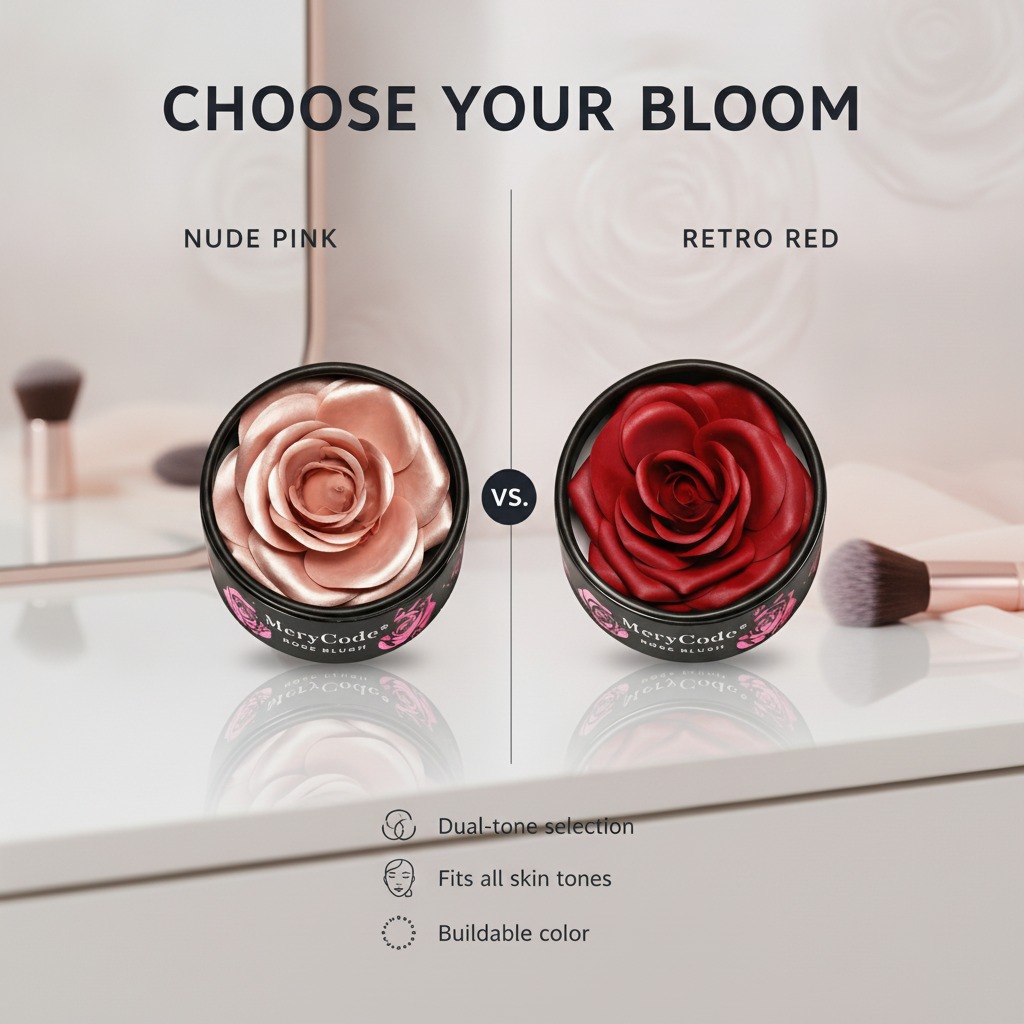
A blush gift can be practical, but it also has room for personality. The product described here is sold as a rose blush in a shallow black tin or jar-style compact, with the top surface molded into a floral shape. Two visible color options are shown: nude pink and retro red. That gives buyers a basic but useful choice between a softer, more universal look and a bolder shade statement.
For gifting, that kind of format works because it feels more curated than a standard pan compact. The rose styling adds perceived value without needing elaborate packaging gimmicks. It is the sort of item that can sit comfortably in seasonal sets, counter displays, or novelty beauty assortments. For retailers, that is not a small point. A giftable cosmetic should be easy to explain in one sentence.
What the Product Appears to Offer
Based on the supplied product information, this is a decorative face blush or cheek color cosmetic with a satin-to-slightly-lustrous surface appearance. The image text reportedly claims “fits all skin tones” and “buildable color,” although those claims are not independently verified from the photo alone. Still, those phrases tell you something about the intended market position: a product meant to feel accessible, adaptable, and easy for a broad audience to use.
For sourcing teams, the most relevant point is the form factor. A pressed or molded floral surface in compact packaging is visually distinctive, but it also raises practical manufacturing questions. Decorative shaping usually depends on consistent molding or pressing, stable product structure, and clean packaging application. If the finish needs to remain crisp, the production method has to support that repeatably. That is where decorative cosmetics can become trickier than they look.
How Buyers Should Evaluate This Kind of Beauty Gift
1. Presentation
The product should look attractive both closed and open. Since the rose shape is part of the appeal, buyers should confirm that the molded surface stays intact through shipping and shelf handling. A gift item that arrives scuffed or flattened loses much of its value.
2. Shade range
Two visible variants are useful, but they do not automatically cover every customer preference. Nude pink will generally suit buyers who want a softer look, while retro red is more directional. Merchants should think about how these shades fit the rest of the assortment rather than treating them as interchangeable.
3. Consumer clarity
Novelty beauty packaging can confuse shoppers if the product purpose is not obvious. A customer should be able to tell quickly that this is a cheek color, not a decorative soap or a non-cosmetic trinket. Clear labeling matters more than many brands admit.
Common Mistakes When Choosing Gift Beauty Products
One common mistake is overvaluing appearance and underestimating usability. A beautiful compact that is awkward to apply will not earn repeat attention. Another is assuming that “giftable” means “universal.” Even products marketed as broadly flattering still need realistic shade planning and sensible merchandising.
There is also a packaging caution worth noting. Shallow tins and decorative tops can look premium, but they must be protected against dents, powder breakage, or lid fit issues. For buyers, it is worth asking whether the container is meant mainly for display, travel, or mass retail. Those are not the same job.
Where This Product Fits in the Market
This rose blush sits at the intersection of everyday makeup and novelty gifting. That is a useful position because it broadens the customer base. Some shoppers will buy it for themselves as a small indulgence. Others will choose it as an easy present for birthdays, holidays, stocking fillers, or beauty-themed bundles. The dual-tone presentation also helps with visual merchandising, since it creates a small but clear comparison on the shelf.
For sourcing managers and product teams, the real decision is whether the item should be treated as a core beauty line extension or as a seasonal add-on. If the packaging and decorative surface can be produced consistently, it has the look of a product that could do well in gift sets and impulse-buy settings. If not, it may be better kept in smaller runs where presentation risk is easier to manage.
FAQ for Buyers
Is this more of a cosmetic or a gift item?
It is both, which is the point. The rose design pushes it toward gifting, while the blush function keeps it relevant for real daily use.
Can the shades be treated as universal?
Not safely without testing. Marketing language may suggest broad appeal, but shade performance still depends on skin tone, application style, and the final formulation.
What should procurement teams verify first?
Container integrity, surface durability, shade consistency, and how clearly the item is labeled for end users. Those basics will matter more than decorative touches if the product is sold at scale.
If you are building a seasonal cosmetics assortment or a small gift-focused beauty line, this type of floral blush is worth reviewing against your current packaging and merchandising standards. The design does a lot of work on its own, but the manufacturing quality has to support the visual promise. That is usually where the real difference shows up.