Why a beauty sampler set still matters in cosmetics buying
A beauty sampler set may look simple on the shelf, but for sourcing managers, product teams, and retail buyers it solves a very practical problem: how do you let customers test shades without committing to a full-size unit? In color cosmetics, that decision is often harder than it looks. Shade perception changes with skin tone, lighting, camera compression, and even packaging. A small set gives brands a way to show range, reduce hesitation, and make the product easier to gift or display.
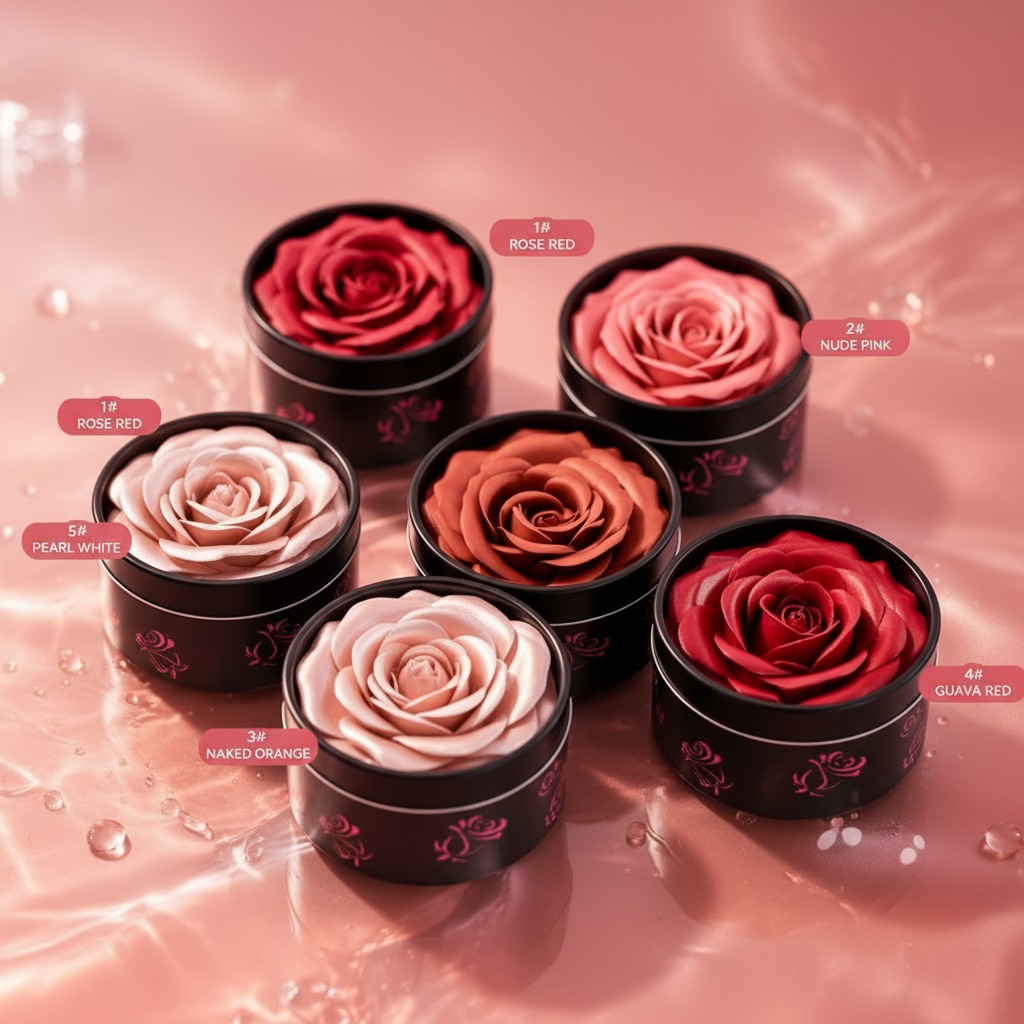
The set described here is built around five lip-color shades: 1# Rose Red, 2# Nude Pink, 3# Naked Orange, 4# Guava Red, and 5# Pearl White. That spread is broad enough to communicate choice without overwhelming the buyer. It also hints at a merchandising strategy many cosmetic teams already know well: cover a few core tones, keep the palette visually clean, and let the packaging do some of the selling.
What stands out in this lip color presentation
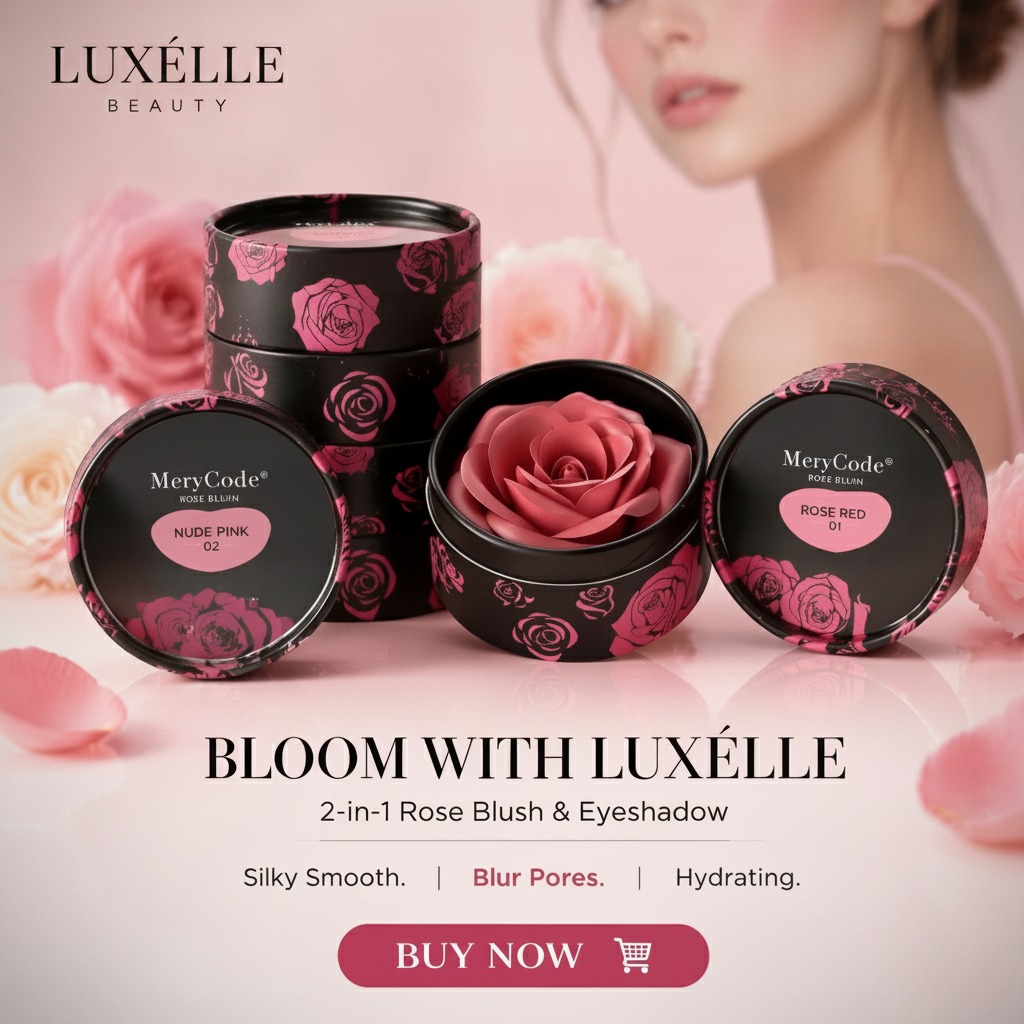
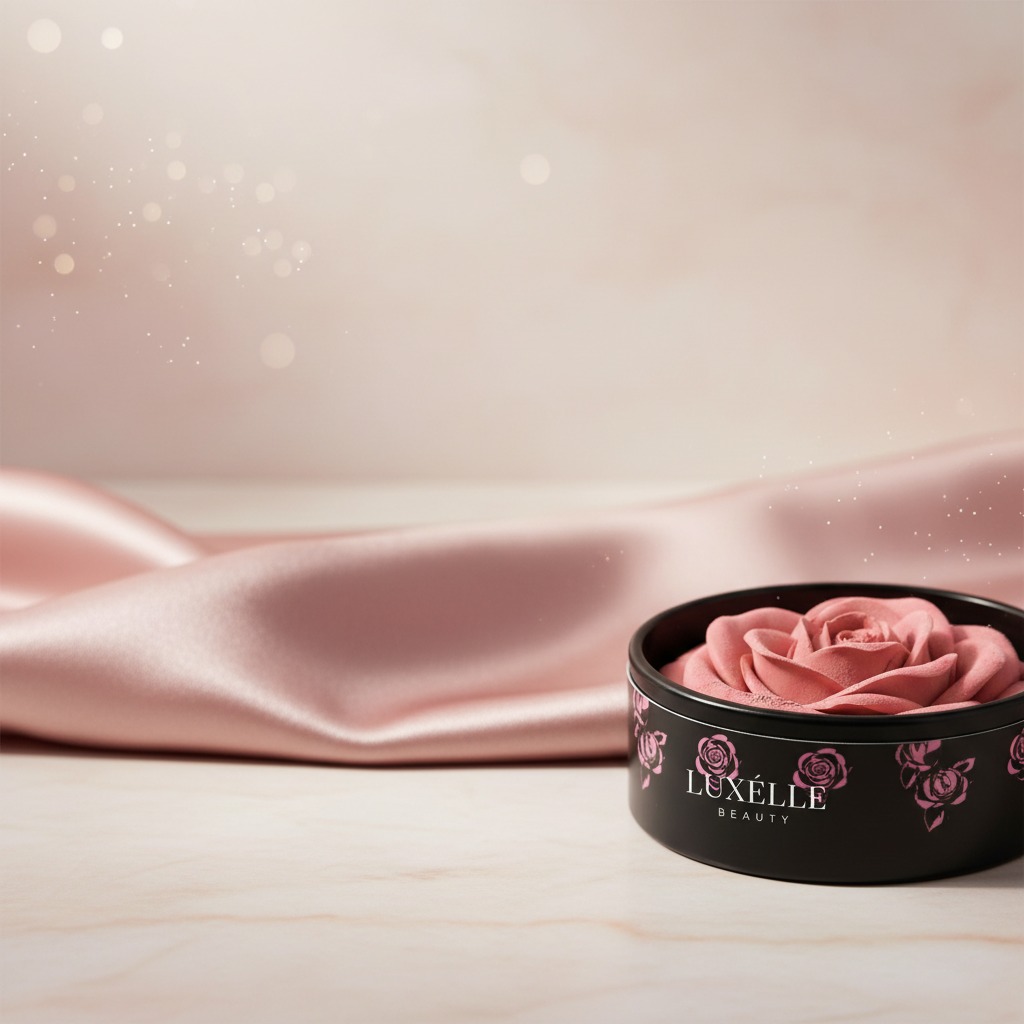
Visually, the product is more distinctive than a standard bullet lipstick or flat pot. The black cylindrical containers with decorative pink printing give it a tidy retail presence, while the molded rose-shaped cosmetic mass inside adds a giftable, display-friendly look. That rose detail is not just decoration. In a crowded ecommerce thumbnail, texture and form can help a product read as more premium, even before the customer knows the formula.
The visible formula appears creamy and pigmented, with a satin-to-creamy impression rather than a matte or glitter-heavy finish. That matters for buyers because creamy lip color tends to appeal to users who want comfortable wear and a smoother application experience. The swatch images also show a paste-like drag, which suggests a rich texture. It is not possible to confirm wear time, transfer resistance, or waterproof performance from appearance alone, so those points should be treated carefully in any product claim sheet.
Shade lineup: a compact range with practical logic
Not every cosmetic range needs twenty SKUs. In many cases, five shades are enough to build a useful starter assortment. This set leans into that idea. Rose Red and Guava Red can serve warmer, more vivid looks. Nude Pink is the safest everyday shade for broad appeal. Naked Orange gives the line a brighter, trend-aware option. Pearl White is the outlier, but that can be useful in a sampler format for highlighting, mixing, or niche beauty presentation, depending on how the brand positions it.
From a buyer’s perspective, the main question is not whether each shade is “pretty.” It is whether the group works together as a merchandising unit. Here, the answer seems to be yes. The selection covers different skin tone preferences and offers enough contrast for online content, store counters, and promotional bundles.
What manufacturers should watch during development
With a decorative lip product like this, formulation and appearance need to stay aligned. If the rose-shaped top is too soft, it can deform in shipping or warm storage. If it is too firm, application may feel draggy. That balance is often where sample-size cosmetic products succeed or fail. The filling or molding process also needs consistency, because uneven shapes are obvious in a small format.
Packaging is another practical issue. A black cylindrical container looks neat, but the closure, inner fit, and product stability matter far more than surface style. Buyers should ask how the product behaves under heat, whether the decorative top is protected in transit, and whether the jar or pot format suits the intended use case. A pretty sample that smears in the box is still a headache.
How to evaluate a sampler set before placing an order
When reviewing a beauty sampler set, start with the job it needs to do. Is it a retail trial pack, a gifting item, an ecommerce content piece, or a counter display tool? The answer changes what matters most. For gifting, the visual finish and presentation carry more weight. For resale, shade range and formula stability matter more. For online promotion, the product must photograph clearly and show texture without confusion.
Buyers should also confirm the basics that are not visible in photos: ingredient deck, net weight, labeling compliance, and any formula claims. Do not assume a creamy-looking cosmetic is long-wear or transfer-resistant just because it looks rich. That is a common mistake, and it leads to awkward customer feedback later.
Practical buyer takeaways
If you are sourcing a lip-oriented sampler, this type of product is most useful when the visual design, shade logic, and packaging are pulling in the same direction. The rose-shaped molded surface adds shelf appeal. The five-shade spread gives the line breadth. The compact container format supports gifting and retail display. What still needs checking, as always, is the formula behavior under real-world handling.
For teams building a cosmetics assortment, this is the kind of product that can do more than fill a catalog slot. It can help explain the brand, frame a shade story, and reduce hesitation at the point of sale.
Next step for sourcing teams
If you are evaluating a beauty sampler set for private label, retail, or promotional use, request sample photos, confirm the exact formula category, and ask how the decorative top is produced and packed. Those details usually tell you more than the marketing copy does.