BlushMakeup and the appeal of a single preserved rose
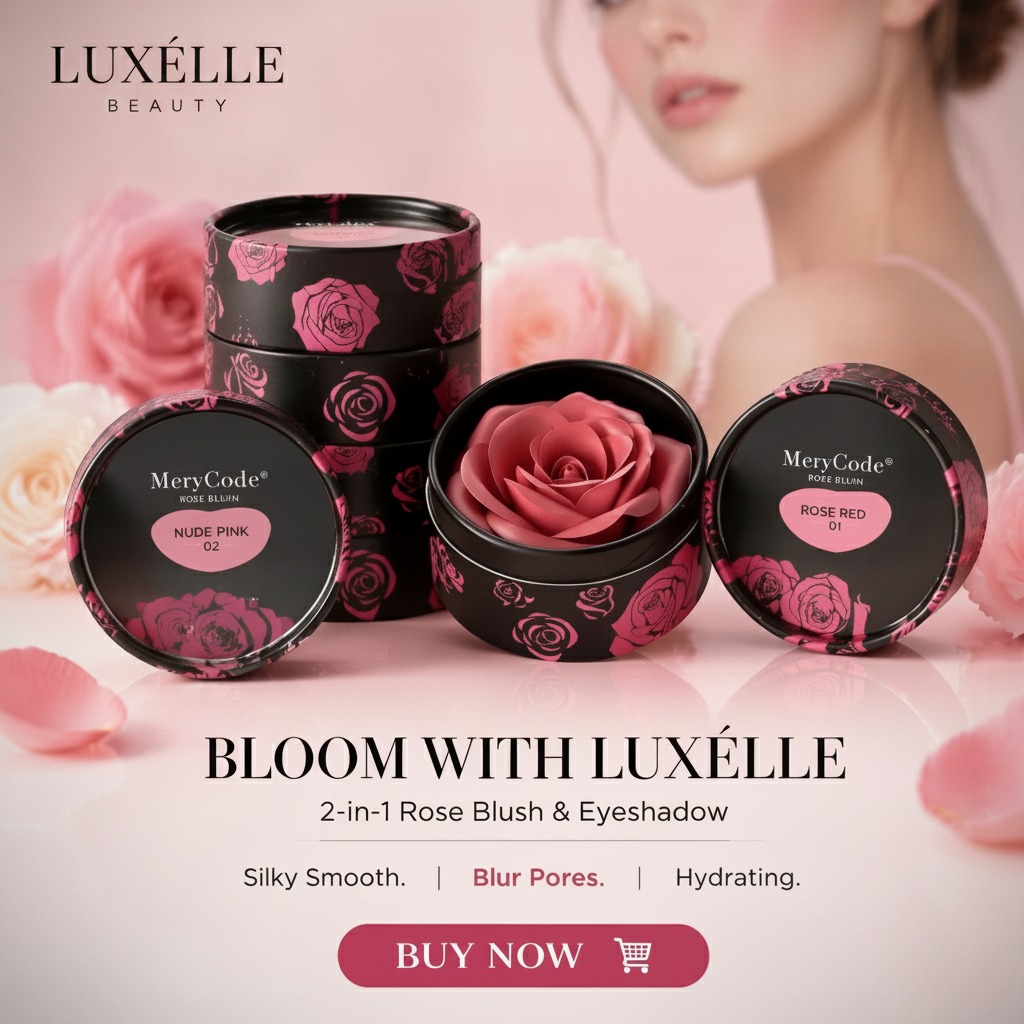
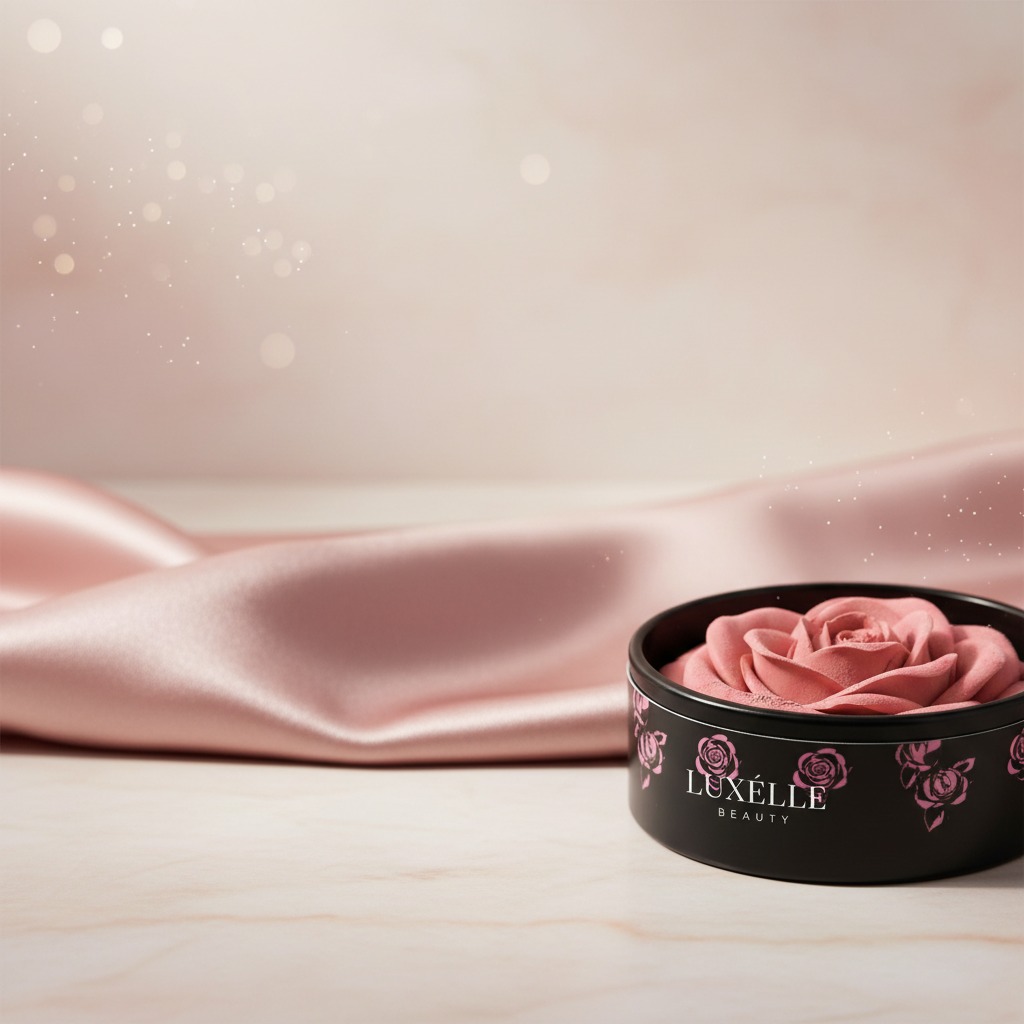
BlushMakeup sits in a familiar but surprisingly demanding corner of the gifting market: the preserved flower gift. In this case, the product is a single preserved rose presented in a round gift box, which immediately tells a buyer two things. First, the design is meant to feel deliberate rather than casual. Second, the packaging is doing as much work as the flower itself. For sourcing teams, that matters because the final value is not just in the bloom, but in the way the flower is staged, protected, and delivered.
That is why this kind of product keeps showing up in Valentine’s Day assortments, anniversary displays, Mother’s Day sets, and retail souvenir shelves. The buyer is not simply purchasing a rose; they are buying a keepsake object with a presentation-first format. When the product is placed in a round box with a centered flower, it reads as gift-ready at a glance. That visual shortcut is a commercial advantage, especially in fast-moving seasonal sales.
What the product actually communicates
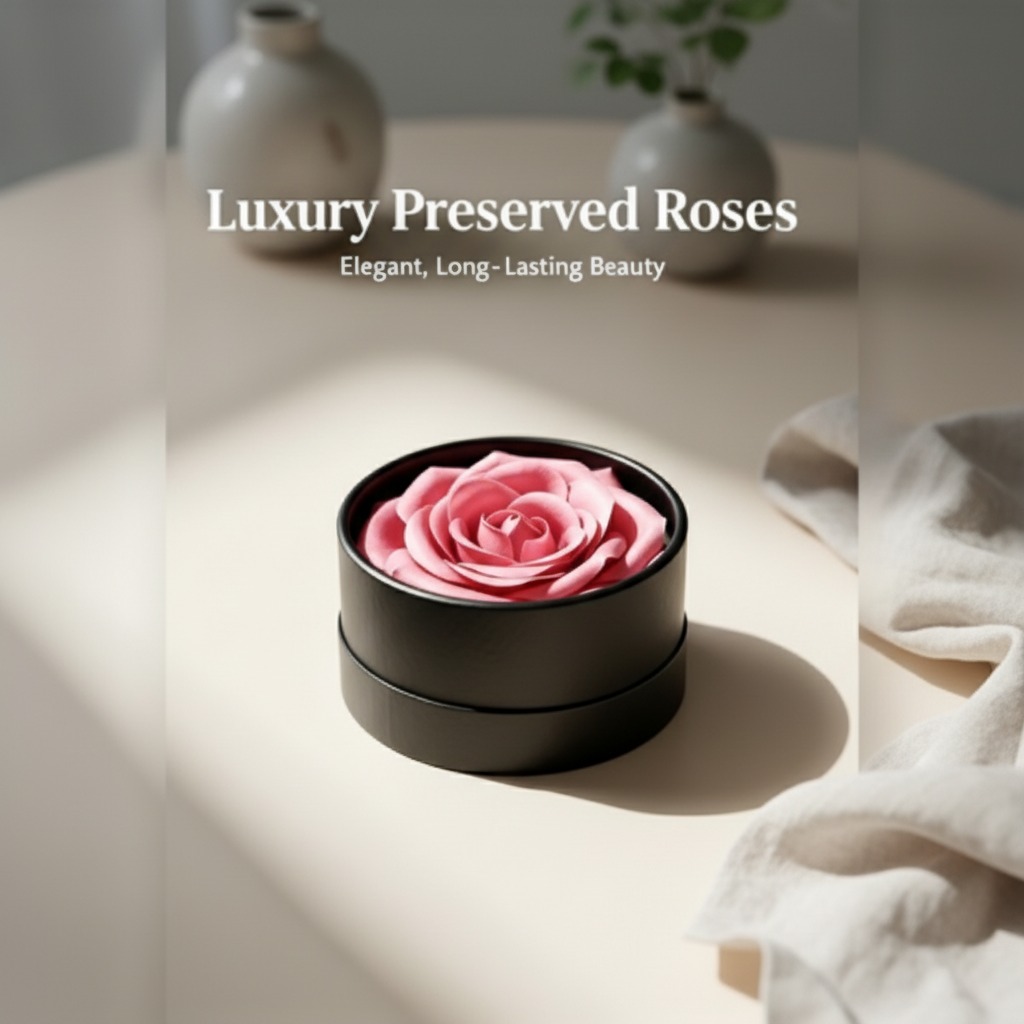
The visible structure is simple: one large rose head, centered in a circular black box, shown from above. The rose appears pink with a smooth, satin-like finish, while the box has a matte or semi-matte look. Those are small details, but in floral gift packaging they are the details that shape perceived quality. A single flower can feel modest or premium depending on proportion, symmetry, and surface finish.
The product text shown in the image calls it “Luxury Preserved Roses” and “Elegant, Long-Lasting Beauty.” Those phrases are commercially common in this category, but they should be treated as marketing claims unless verified by the seller. The preservation method is not visible here, and the exact lifespan cannot be inferred from the photo alone. Buyers should assume that visual appeal, not technical performance data, is the first driver of purchase.
Why this format sells
There is a reason a single preserved rose in a box can outperform larger floral arrangements in certain channels. It is compact, easy to ship, easy to merchandise, and easy for customers to understand. A bouquet asks the shopper to judge freshness, size, and arrangement balance. A boxed preserved rose removes much of that uncertainty. The buyer sees one focal point and a finished presentation.
For retail and gifting, that simplicity can be valuable. It also helps the item fit a range of use cases without needing different SKU structures for every occasion. A Valentine’s Day gift can look identical in format to a birthday or wedding favor; only the message card, ribbon, or colorway changes. That flexibility is often more useful to a sourcing manager than a more elaborate but harder-to-standardize floral product.
Selection criteria buyers should pay attention to
Presentation quality
With products like BlushMakeup, visual balance is not a minor detail. The flower should sit centered, the box should close cleanly, and the top-down view should look intentional. If the rose appears off-center or compressed, the perceived value drops quickly.
Packaging durability
A round box sounds simple, but it has to protect the flower during handling and transport. Buyers should ask how the lid fits, whether the flower is secured inside, and whether the packaging can survive stacking in transit. A preserved rose may be long-lasting, but a crushed box ruins the effect immediately.
Material clarity
The image does not identify exact materials, so it is wise to request specification details before placing a bulk order. That includes the box substrate, interior support structure, and any decorative components. If a supplier cannot explain the materials clearly, the risk usually shows up later in returns or inconsistent shelf appearance.
Common buyer mistakes
One common mistake is treating all preserved flowers as the same product. They are not. Some are intended for premium gifting, some for mass retail, and some for decorative use where the boxed presentation matters more than botanical realism. Another mistake is overestimating what can be concluded from a photo. A smooth pink bloom can look luxurious online and still disappoint if the finish, scale, or box quality is weak in person.
It is also easy to ignore how the item will be handled after sale. Desk decor, room decor, and souvenir packaging all suggest different customer behaviors. If the product is likely to be opened repeatedly or displayed for months, the box structure and interior stability become more important than a shopper might first assume.
Practical advice for sourcing and merchandising
If you are evaluating a preserved flower gift like this, start with the presentation standard you want on shelf or in a listing image. Then ask the supplier to confirm whether the rose is real or synthetic, how preservation is achieved, and what parts of the product are customizable. Those are not cosmetic questions; they determine how reliably the item can be positioned as a premium gift.
For merchandising, keep the use case broad but not vague. “Anniversary gift,” “Mother’s Day gift,” and “decorative keepsake” are clear enough. Pushing too many claims at once can make the product feel generic, which is the opposite of what boxed floral gifts are supposed to do.
FAQ buyers tend to ask
Is the flower definitely real? Not from the image alone. That should be confirmed directly with the supplier.
How long will it last? The listing language suggests long-lasting beauty, but exact longevity is not verified here and depends on preservation method and handling.
Is this suitable for retail gifting? Yes, the round boxed format is strongly aligned with gift retail, provided the packaging quality is consistent.
What to do next
If you are sourcing a product in this category, ask for material specifications, packaging dimensions, and handling guidance before committing to volume. A preserved rose gift can look effortless on the shelf, but the supplier details behind it should be anything but. BlushMakeup is the kind of product that rewards careful sampling: simple in appearance, sensitive in execution, and highly dependent on presentation quality.