1. What buyers usually mean when they search for cream blush
When people search for cream blush, they are usually not asking for a beauty tutorial in the abstract. They want to know what kind of product it is, how it behaves on the skin, and which format makes sense for their routine or assortment. In retail and manufacturing terms, that means the buyer is often comparing texture, packaging, finish, and shelf appeal before making a purchase decision.
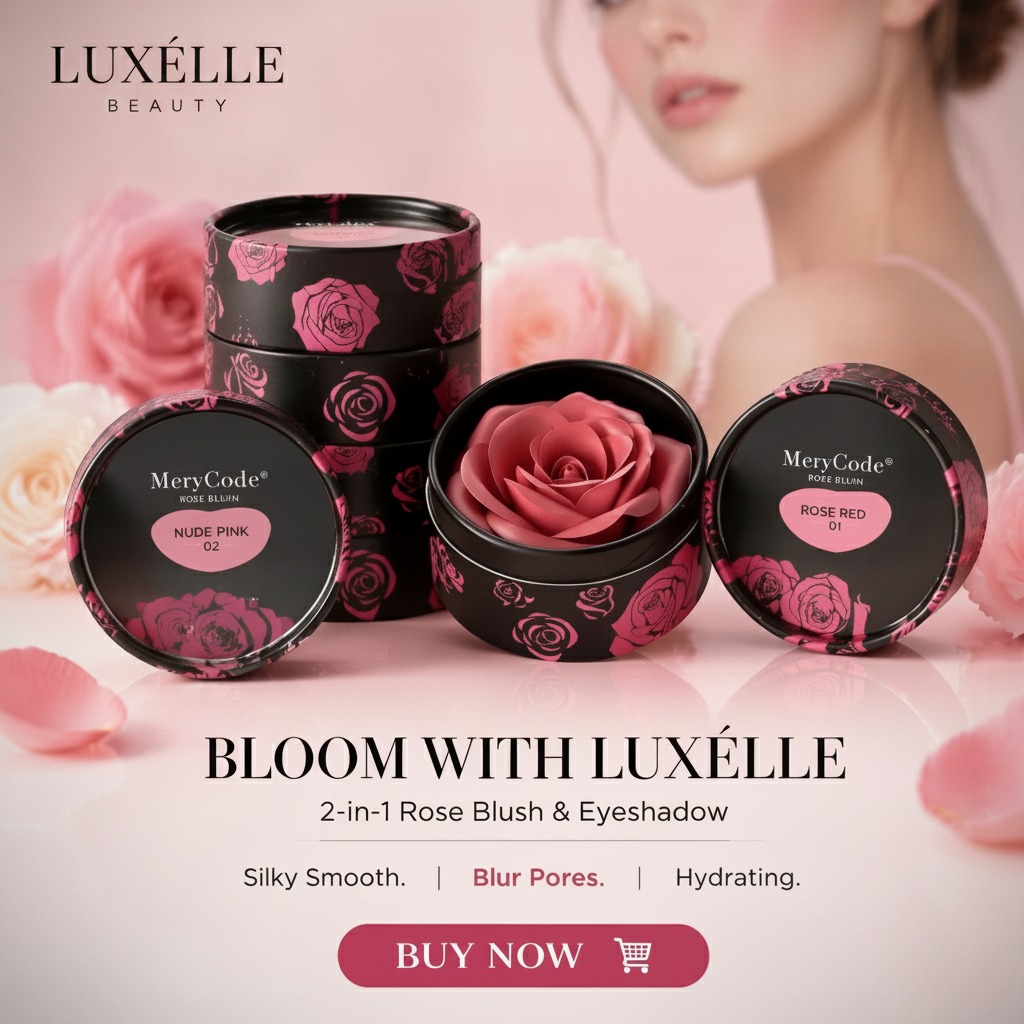
That same logic applies in gift and display categories too. A product has to look good up close, travel well, and present cleanly on a shelf or in a box. If you are sourcing decorative items for seasonal merchandising, weddings, or romantic gifting, the visual standards are surprisingly similar: the item has to feel intentional, compact, and easy to place. A rose-shaped boxed arrangement, for example, works because it delivers a strong first impression without needing much explanation.
2. Cream blush in 7 practical points buyers should compare
Here is a quick-reference way to evaluate cream blush, whether you are a retailer choosing assortment or a product team reviewing packaging and presentation:
1) Texture and payoff
Buyers need to know whether the formula is soft, balmy, dense, or airy. In cosmetic sourcing, texture affects application feel and also how the product holds up in warmer storage conditions.
2) Finish
A cream blush may read satin, dewy, or natural-matte. That matters because consumers often buy by finish before they buy by shade.
3) Packaging format
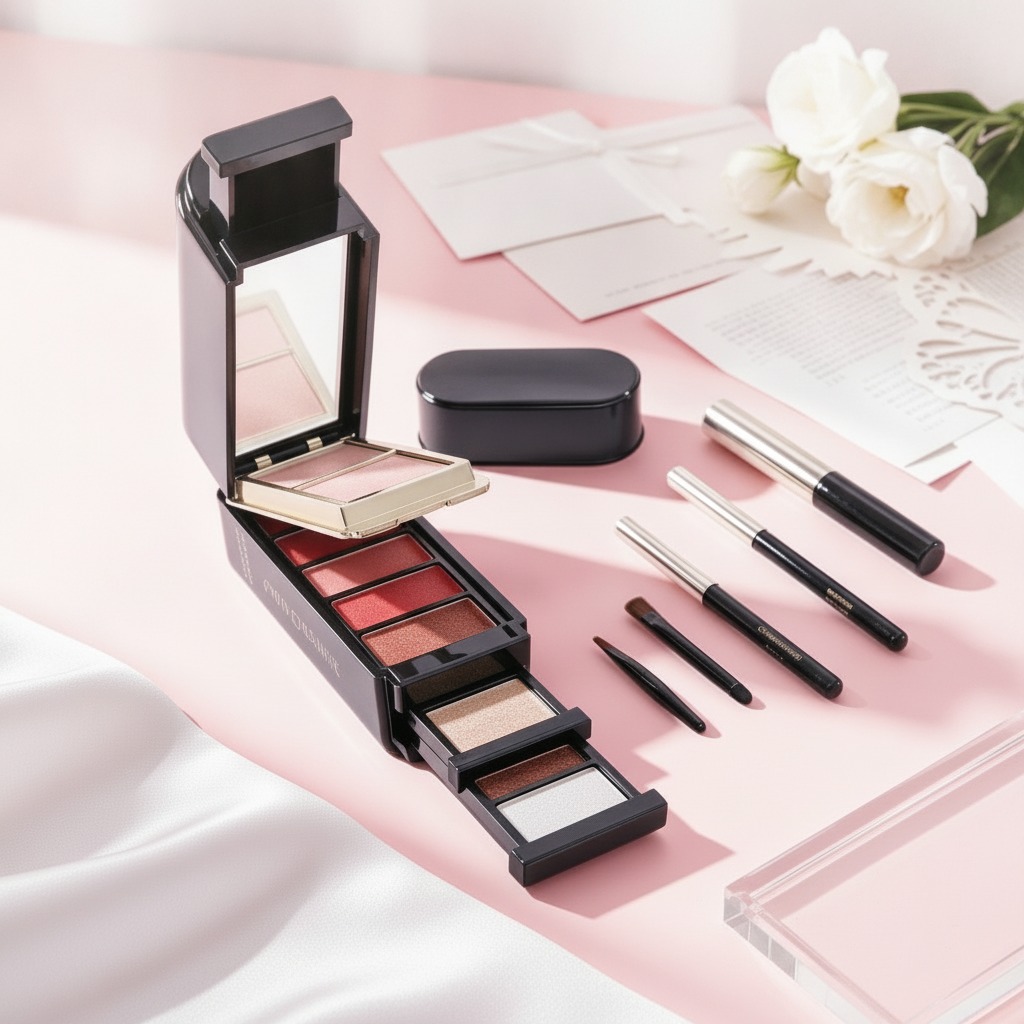
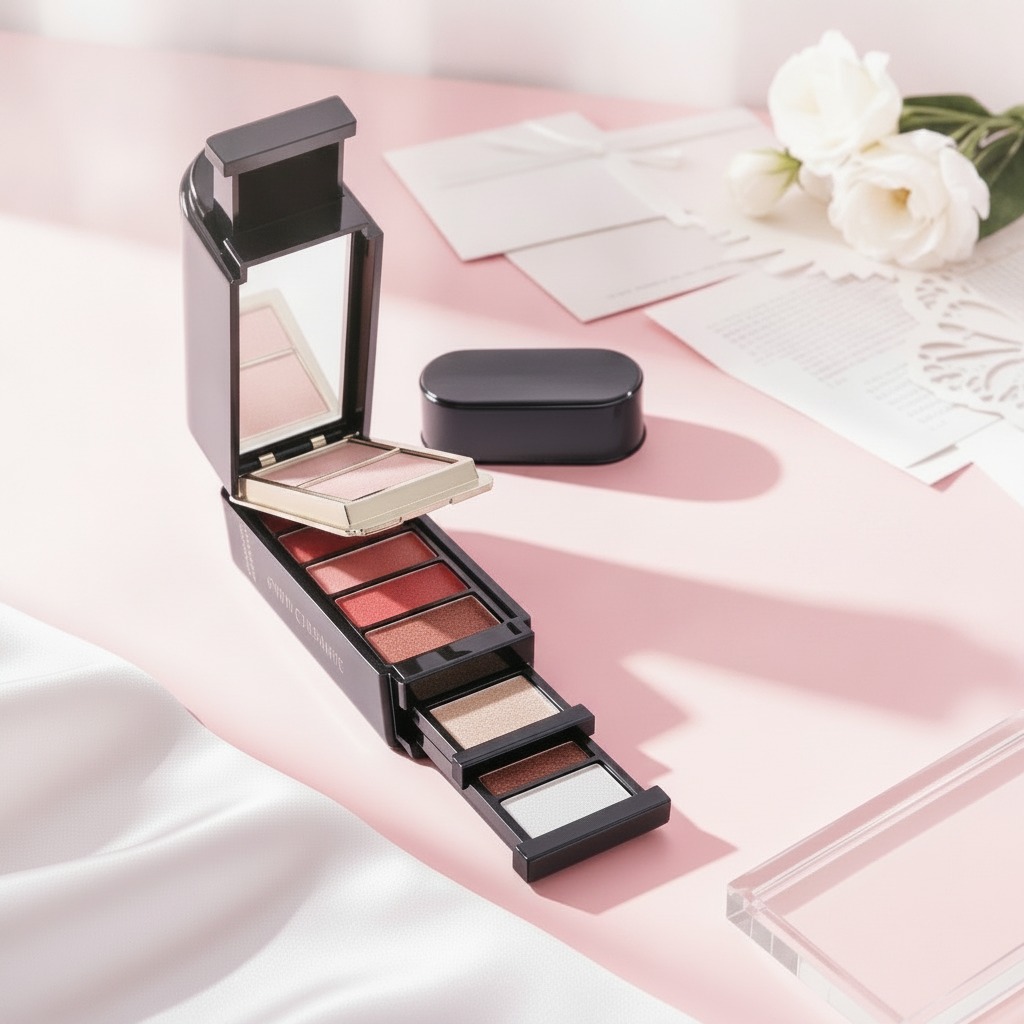
Pots, compacts, sticks, and boxed sets each create a different retail story. Packaging also changes handling costs and the perceived value of the item.
4) Color theme
Soft pink, coral, and rose tones are common because they are easy to merchandise. Stronger shades can sell, but they need clearer visual support at point of sale.
5) Application method
Consumers want to know whether the product is finger-friendly, brush-friendly, or best used with a sponge. The wrong format can make a good formula feel inconvenient.
6) Shelf stability
For any cream-based item, the question is not just how it looks on day one, but whether it still behaves predictably after shipping, display, and repeat handling.
7) Presentation value
In some categories, presentation is half the sale. A rose-centered gift box, for instance, uses shape and color to do the selling before the customer even reads a label.
3. Why presentation matters as much as product type
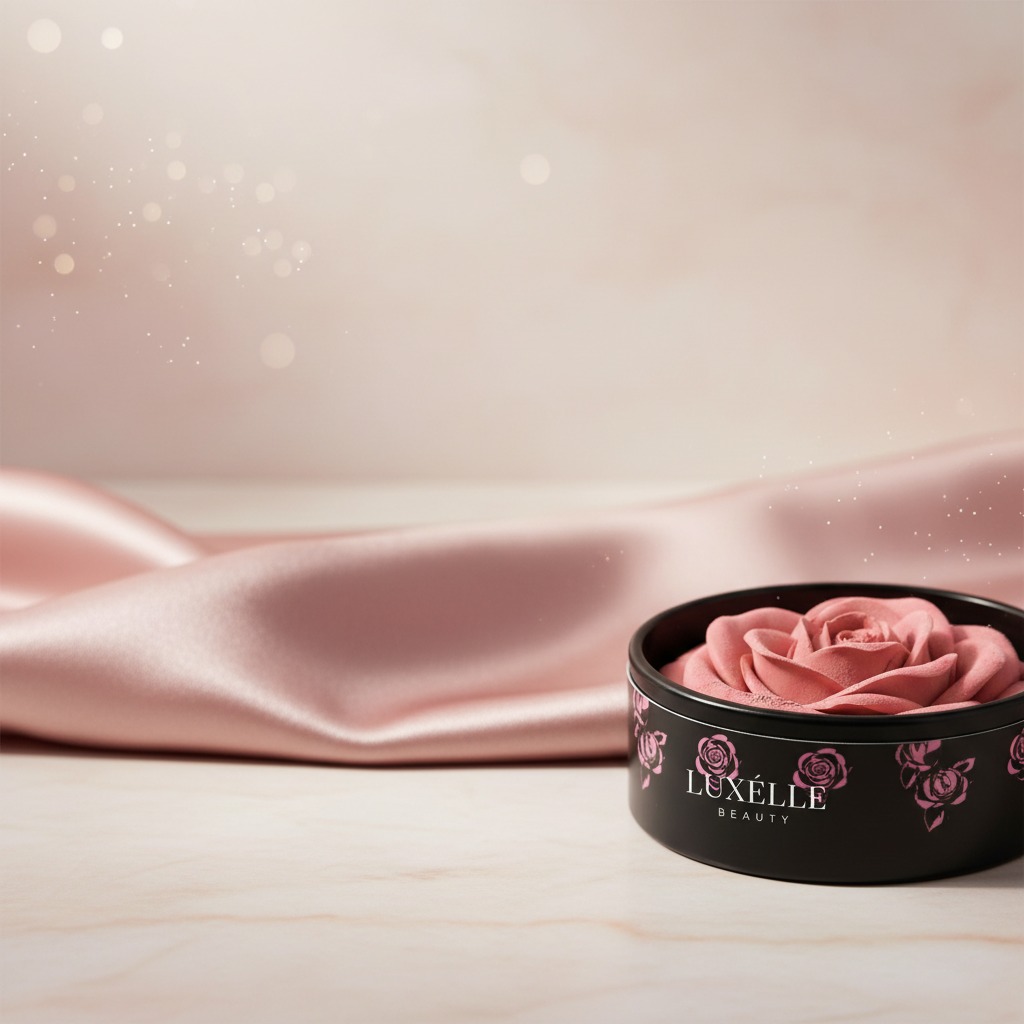
One reason buyers keep coming back to cream blush is that the format feels approachable. It is easy to understand, easy to photograph, and generally easy to merchandize in a compact display. But that only works if the product design supports the promise. A round matte black container, for example, gives a clean and modern frame. A tightly layered rose form inside that container creates contrast and draws the eye upward. That is a useful lesson for any category with gift appeal: the container should not fight the centerpiece.
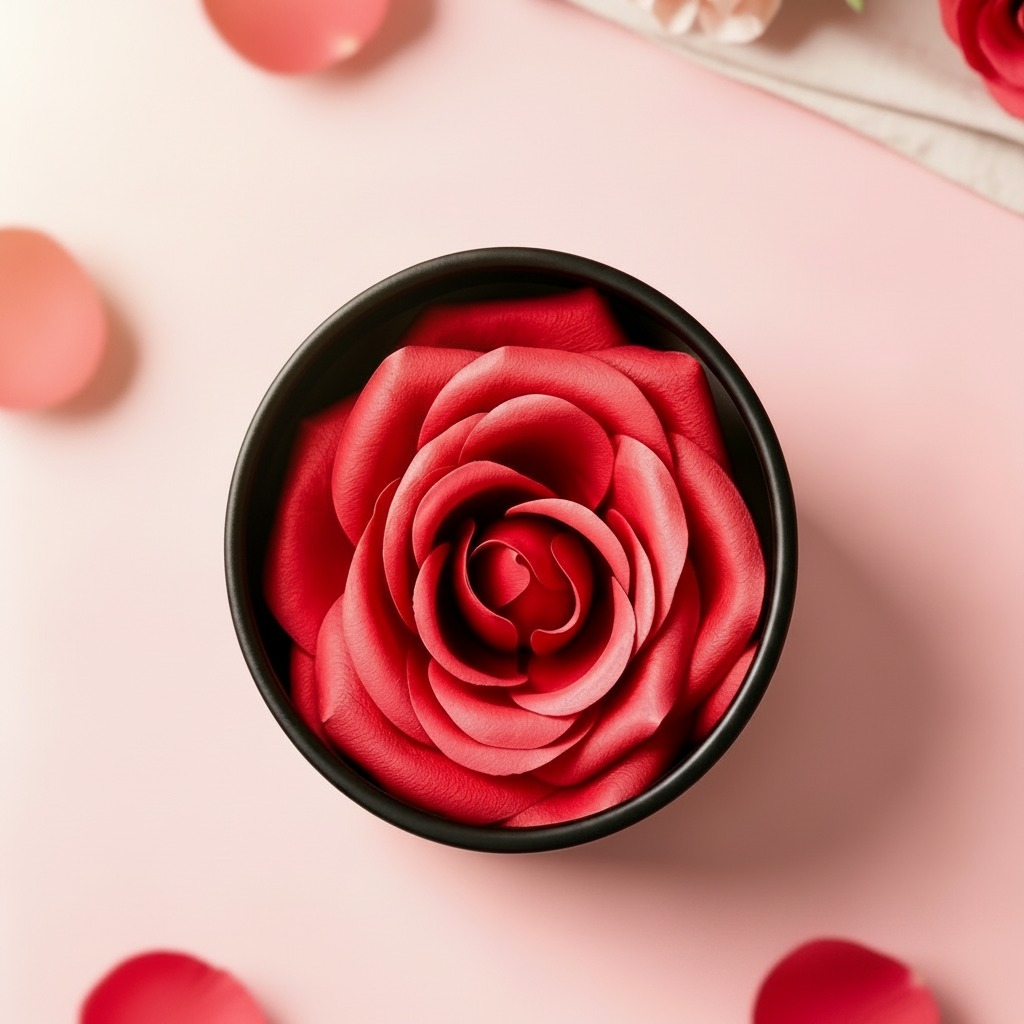
For floral gift products, the same principle holds. A single large rose bloom filling most of a circular box makes the item immediately legible. The consumer does not need to decode a complex arrangement. They see romance, a finished presentation, and a product that is ready to hand over. That simplicity is valuable, especially in Valentine’s Day, anniversary, or proposal merchandising where the buying decision is often made quickly.
4. Common sourcing mistakes to avoid
The most common mistake is assuming visual appeal can compensate for unclear product identity. If a customer cannot tell whether an item is decorative, preserved, synthetic, or part of a beauty line, the sale gets harder. Another mistake is overcomplicating the design. Too many elements can make a compact gift item feel busy and less premium.
There is also a packaging trap worth mentioning: buyers sometimes focus on the flower or formula and ignore the container. Yet the container is doing quiet work. It protects the item, shapes the unboxing experience, and affects whether the product can sit neatly in retail displays or be photographed for online listings.
5. What to ask before you place an order
Before sourcing any cream blush product or gift-format item, ask for the facts that affect your channel:
What is the exact material or formula? How is the item assembled? Is the presentation meant for retail shelf display, direct gifting, or event décor? What part of the product is fixed, and what part is customizable? If the item is floral, is it real, preserved, synthetic, or a mixed construction? If it is cosmetic, what packaging format best protects the formula during transit? These are not small details; they determine whether the item feels premium or merely decorative.
For the rose-in-box style arrangement described here, the visible strengths are clear: a circular black container, a single large rose head, and a strong red-pink color theme. Those features support romantic gifting and compact display. The material, however, should be confirmed rather than guessed, because that changes buyer expectations and after-sale handling.
6. A practical buyer’s takeaway
If you are selecting cream blush for retail, content, or product planning, do not stop at color. Compare texture, finish, packaging, and shelf behavior. If you are sourcing decorative gift items with similar presentation logic, look at how the centerpiece and container work together. The best items are usually the ones that look obvious in a good way: one strong visual idea, contained neatly, with no need for explanation.
For buyers who want compact romantic presentation or tabletop display, a rose-centered boxed format is a straightforward option. For cosmetic teams, the same principle applies to cream blush: a clean format, a clear finish, and packaging that makes the product easier to trust at first glance. If you want the next step, request detailed product specs, confirm the material construction, and compare how the item will read on shelf versus in hand.