Why a DustyRoseBlush presentation box gets attention fast
A DustyRoseBlush arrangement is built for one job: making a small gift look deliberate. In a market crowded with bouquets, candy boxes, and generic keepsakes, a single rose-style bloom set inside a rigid round box feels more considered. It is compact, easy to display, and visually controlled, which is exactly why buyers in gifting, retail floral display, and event packaging keep coming back to this format.

The appeal is not only aesthetic. For sourcing teams and product planners, this style sits at the intersection of decorative packaging and floral presentation. That matters because the buyer is not simply choosing a flower; they are choosing how the gift will travel, sit on a desk, and survive being handled in a store or delivered to a customer. A box-based presentation reduces some of the mess and fragility associated with loose stems, though it does introduce its own concerns around crush resistance and internal finish.
What the format suggests at a glance
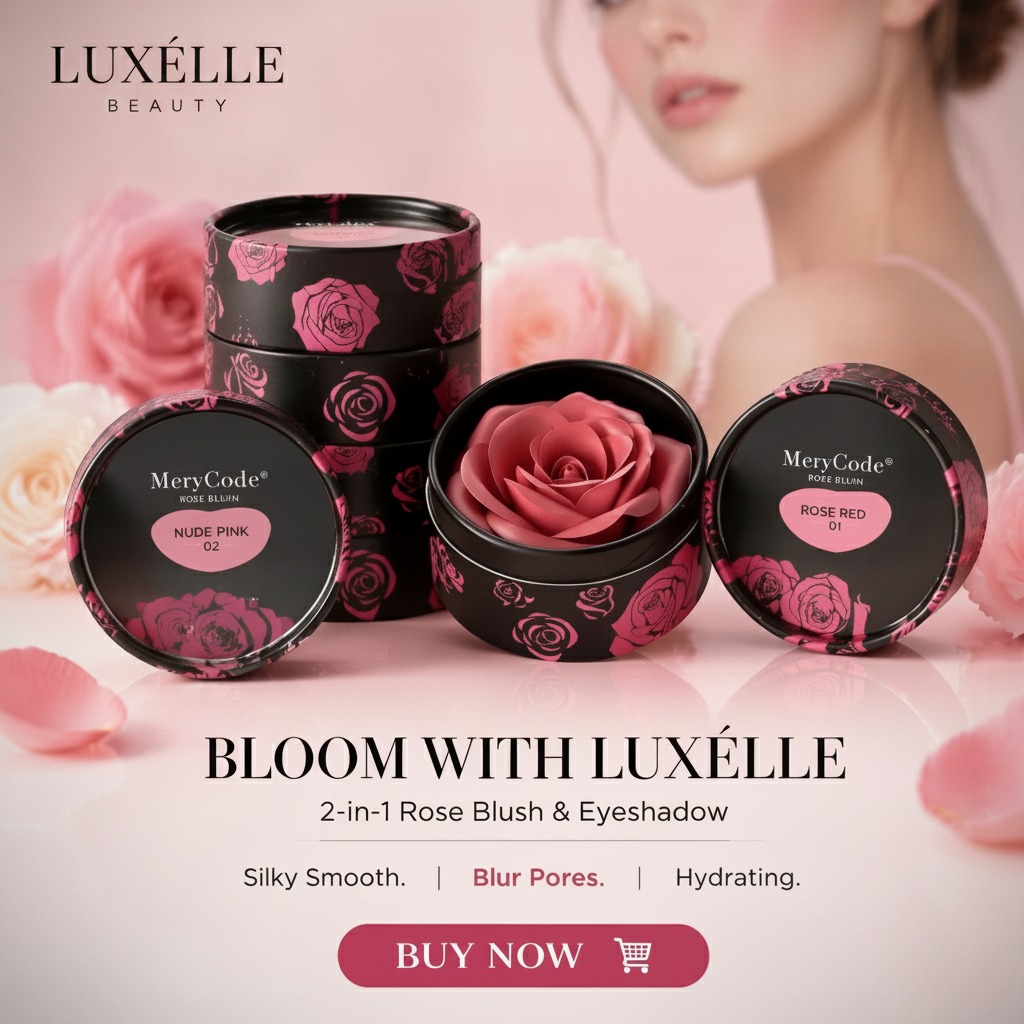
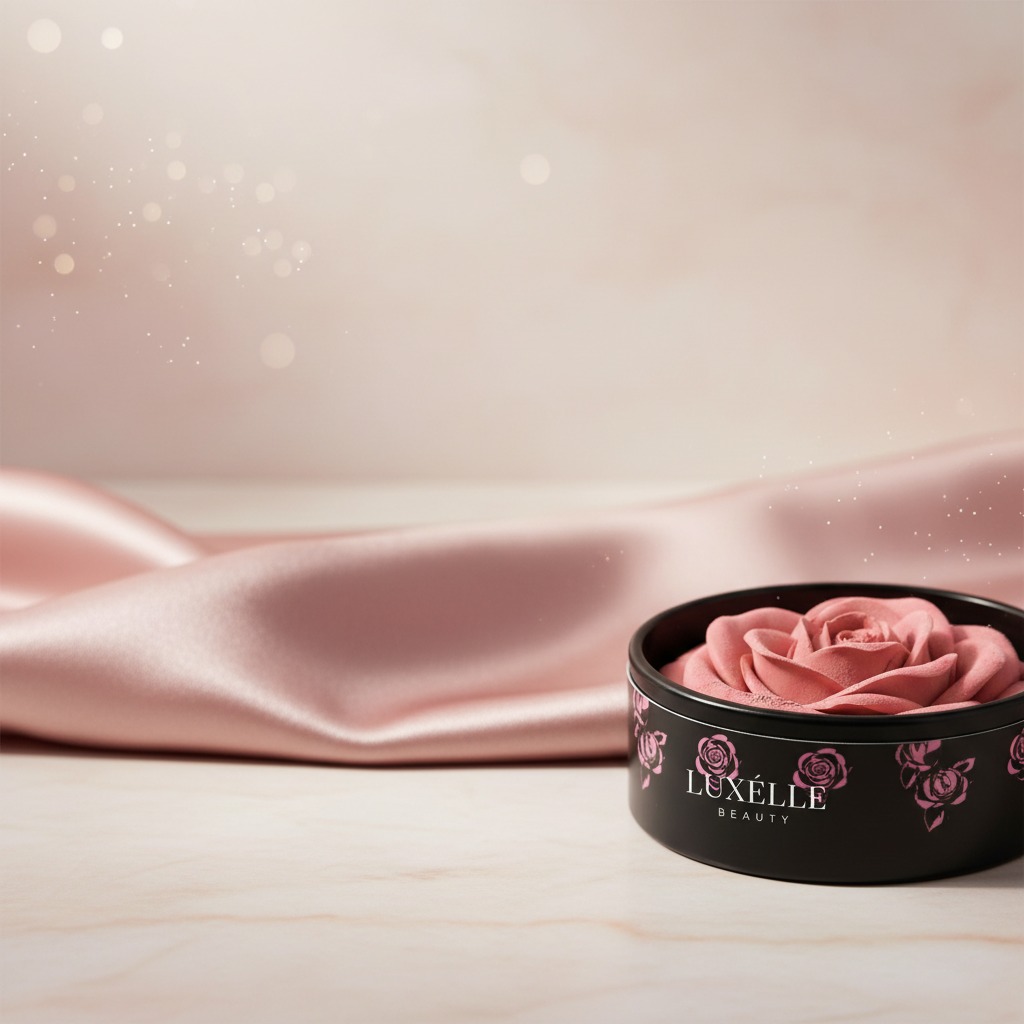
The visible structure is a cylindrical black rigid box with straight sides and an open top. Inside sits one large rose bloom centered in the opening, filling the space neatly. The outer container appears matte black and likely uses paperboard or coated carton construction. The bloom has a satin-like metallic copper or rose-gold look, which gives the product a more premium, gift-ready tone than a plain artificial flower would.
From a merchandising point of view, that contrast does a lot of work. Black grounds the piece; copper or rose-gold lifts it. The result reads as romantic without becoming overly sweet, which helps the product move across occasions such as anniversaries, Valentine’s Day, Mother’s Day, weddings, and general desk décor.
Why buyers care about the build, not just the look
When a floral gift is boxed, the container becomes part of the product, not just the shipping vessel. That means the rigidity of the box, the stability of the bloom, and the symmetry of the composition all affect perceived value. A flower that sits too high can feel exposed. One that sinks too low can look underfilled. Either problem can weaken the shelf impact immediately.
For sourcing managers, the practical question is whether the assembly can hold a clean presentation through packing, transport, and retail handling. If the product is intended for direct gifting, customers will judge it in seconds. If it is meant for store shelves or online fulfillment, packaging consistency becomes even more important. Small variations in flower head size, placement depth, or box roundness can show up quickly in photos and in person.
Likely material and manufacturing considerations
The flower itself could be preserved, synthetic, or craft-made; the image does not verify which. That uncertainty matters, because each route implies different manufacturing and quality-control priorities. Preserved florals usually raise questions about handling and long-term appearance. Artificial blooms may lean on petal forming, fabric finishing, or foam shaping. Soap-flower style products, if used, bring their own considerations around odor, surface wear, and temperature sensitivity.
The box is easier to read. A rigid round carton generally points to a converting process that prioritizes clean edges, stable walls, and a uniform exterior finish. For products like this, the non-floral components can be just as important as the bloom. A scuffed lid edge or uneven seam can undercut the premium effect more than a slight floral variation would.
What to check before buying or specifying
Ask whether the flower is preserved or artificial, because that changes how you should store, ship, and market it. Confirm whether the box includes a lid or other protective closure if transit is part of the use case. Check how the bloom is secured inside the container; loose placement may look elegant in photos but fail during distribution. And if the product will be sold as a gift item, verify that the color finish is stable under normal indoor lighting, since metallic tones can shift more than expected from catalog image to showroom floor.
Common mistakes that reduce perceived value
One common mistake is overloading a simple format with too many extras. Once the round box becomes crowded with ribbons, filler, and secondary decorations, the rose head loses its focal role. Another is choosing a box that is too lightweight for the floral size. The piece may still look good on a table, but it will not feel convincing in hand.
There is also a quiet branding mistake: treating all rose-gift boxes as interchangeable. They are not. A black-and-metallic composition sends a different message from pastel packaging or clear-lidded presentation. If the goal is a more mature, upscale, or evening-oriented gift aesthetic, the darker container is doing important work.
Practical buyer takeaway
If you are comparing floral gift formats, the DustyRoseBlush style is strongest when you want a compact, ready-to-display item with a premium look and minimal visual clutter. It suits gifting channels where presentation matters as much as the flower itself. It is less suitable if the buyer expects a traditional bouquet feel or a highly customizable arrangement.
For sourcing, the decision usually comes down to three things: the floral material, the integrity of the rigid box, and the consistency of the final assembled look. Get those right, and the product can serve retail displays, seasonal gifting, and desk décor with very little explanation needed.
FAQ
Is DustyRoseBlush a real rose?
The image does not confirm that. It may be preserved, artificial, or another crafted floral form.
What occasions does this style suit best?
It is well matched to anniversaries, Valentine’s Day, Mother’s Day, weddings, and general gift presentation.
Why use a rigid round box?
Because it supports the flower visually, improves shelf presentation, and helps the item feel more finished as a gift product.
Next step for buyers
If you are evaluating this format for retail or gifting use, request material details, assembly photos, and packaging samples before committing. The overall look is simple; the quality difference usually shows up in the box construction and in how cleanly the bloom is seated. That is where a good product earns its margin.