Why eye cream buyers keep getting the brief wrong
If you are evaluating eye cream, the first mistake is treating it like a single-purpose moisturizer with a smaller tube. In practice, the under-eye area asks for a different kind of formulation discipline: lighter texture, careful actives, better slip, and packaging that protects a product people tend to use in tiny amounts over a long period. That is why buyers, product teams, and sourcing managers should look past the front-label promise and ask what the cream is meant to do, how it is packaged, and what kind of routine it is meant to support.
There is a second issue that gets missed often. Eye products are sold on trust. Consumers want visible comfort and a fresher look, but they also expect the formula to feel gentle. That combination is not easy to deliver consistently. So the real buying decision is not “does it sound premium?” It is “does the formula, packaging, and claim set make sense for the customer segment we are trying to win?”
What the market really buys: comfort, correction, and convenience
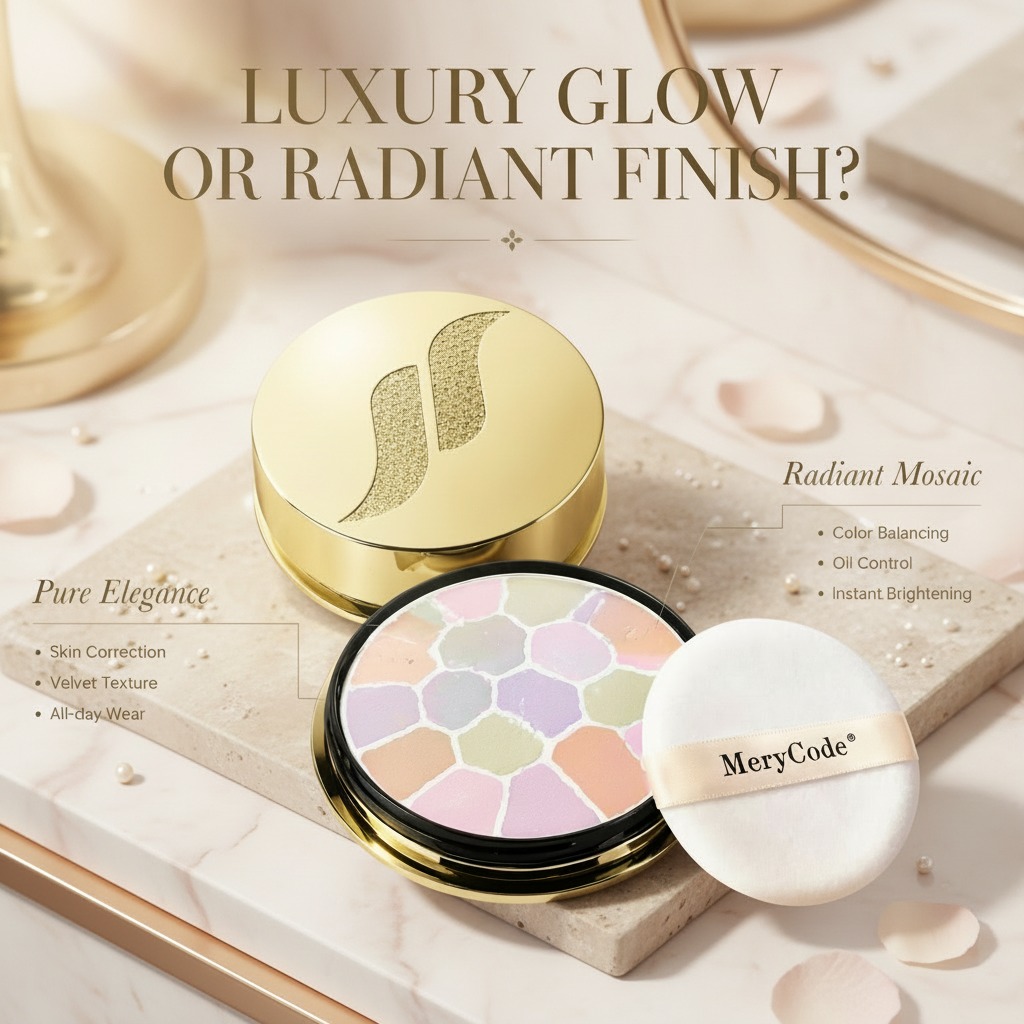
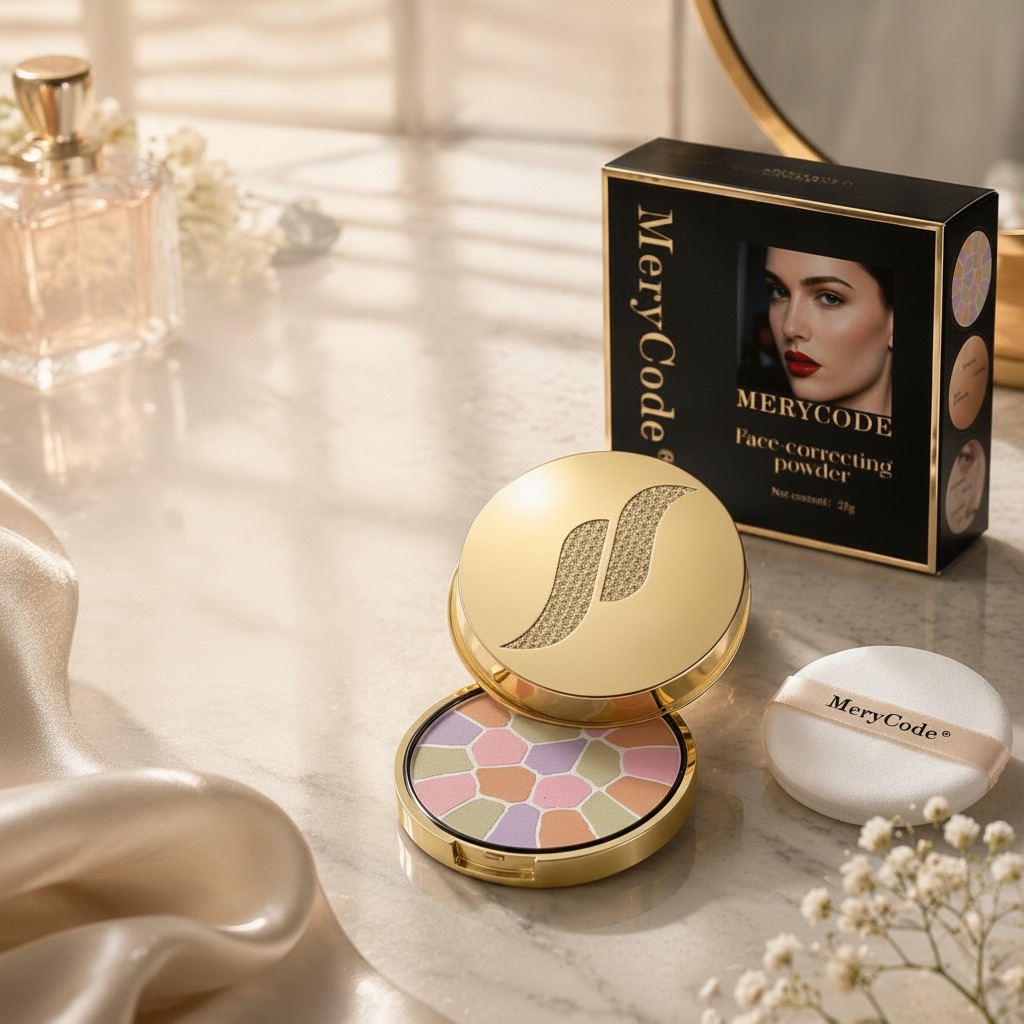
Most eye creams fall into a few practical roles: daily hydration, the look of smoothing, support for tired-looking skin, and sometimes a brightening story. In the same way a face-correcting powder is designed to even the complexion and create a natural finish, an eye cream has to solve a visible problem without looking heavy. That is the balance customers notice immediately.
For brands, the decision is often whether to position the product as a simple comfort cream or as a more targeted treatment-style item. The second path can be more persuasive, but it also raises the burden of proof. If you promise too much, especially around dark circles or puffiness, buyers will expect sharper evidence than a pretty jar and a soft texture.
Key buying criteria that matter more than marketing copy
Texture and spreadability
Under-eye products must move smoothly across delicate skin. A cream that drags, pills, or leaves a greasy film is hard to recommend, even if the ingredient list looks impressive. The same principle appears in cosmetics manufacturing more broadly: the user judges the product by feel first.
Packaging and dose control
Eye cream packaging should protect the formula and help the user dispense small, repeatable amounts. Airless pumps, narrow tubes, and well-designed jars each have trade-offs. Jars are familiar, but they rely more heavily on user hygiene. Pumps are cleaner in use, though they can complicate the sourcing and filling process. This is one of those practical details that sounds minor until returns start coming in.
Claim discipline
Keep the promise believable. “Hydrating,” “comforting,” and “helps the eye area look refreshed” are easier to defend than sweeping age-reversal language. For B2B buyers, the safer route is usually the better route. It reduces regulatory friction and keeps the product closer to what consumers can actually feel in the first week of use.
How eye cream differs from face products
Face creams, gels, and serums can be built for broader tolerance and larger-area application. Eye cream needs more restraint. The formula should feel intentional, not overloaded. Heavy occlusives, aggressive fragrance, and strong sensory effects may work against the product, especially for users who apply it close to makeup.
That is also why the comparison with complexion makeup is useful. A pressed powder compact aims to blur imperfections and set makeup without making the skin look masked. Eye cream has a similar job, only in a smaller and more sensitive zone: support the appearance of healthy skin without telegraphing its own presence.
Common mistakes buyers still make
One common error is selecting an eye cream based on one hero ingredient and ignoring the rest of the formula. Another is underestimating the role of packaging compatibility. A good formula can fail in a poor container, especially if the product is exposed to air repeatedly.
There is also a brand-positioning mistake that shows up often: trying to make the product do everything. Hydration, anti-aging, depuffing, brightening, overnight repair, makeup prep — the list gets long fast. The more crowded the claim stack, the harder it becomes to communicate one clear reason to buy.
Practical advice for sourcing and product teams
Before you move forward, ask for a sample that can be evaluated in real use, not just on paper. Check how it sits under concealer, whether it layers cleanly, and whether the finish still looks acceptable after a normal workday. If the product is intended for daily use, the user experience between morning application and afternoon touch-up matters more than a polished campaign image.
Also look at the commercial fit. A premium eye cream may justify a higher shelf price if the packaging feels precise and the sensory experience is elegant. A mass-market product, by contrast, needs clearer value and simpler claims. Both can work. What matters is that the formula and the story point in the same direction.
FAQ for buyers
Is a richer texture always better?
No. Richer can feel more nourishing, but it can also increase the risk of heaviness or product migration. The best texture depends on the target customer.
Should eye cream be sold as a standalone item or in a routine set?
Both can work. Standalone products suit customers who already know what they want. Sets are better when you are building a regimen story, but only if each item earns its place.
What should I ask a supplier first?
Ask for the formula format, packaging type, claim support, and how the product is intended to be used in a real routine. Those answers tell you more than a glossy spec sheet.
The next step
If you are planning an eye cream program, start by defining the job it must do for the consumer. Then match the texture, packaging, and claim language to that job. That is the difference between a product that sounds nice and one that actually earns repeat purchases.