Why a glossy lip tint can be a smarter product than it first looks
A glossy lip tint sits in an interesting middle ground between color cosmetics and lip care. For shoppers, it promises shine, a touch of tint, and that familiar “plump and hydrated” look. For brands and packaging buyers, it is a small product with surprisingly high demands: the formula has to feel comfortable, the package has to dispense cleanly, and the overall presentation has to work on a crowded retail shelf. That is why a glossy lip tint is not just a beauty item. It is a packaging, formulation, and consumer-experience decision rolled into one.
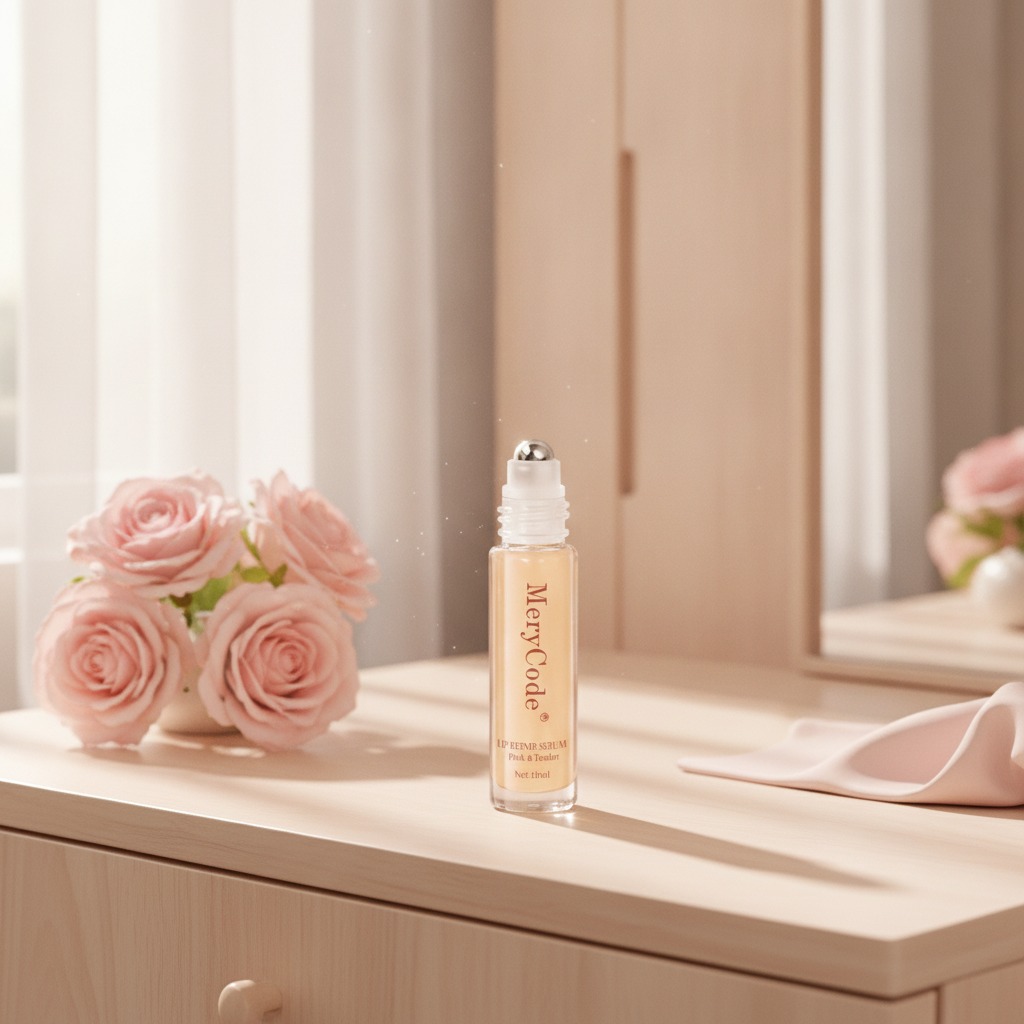
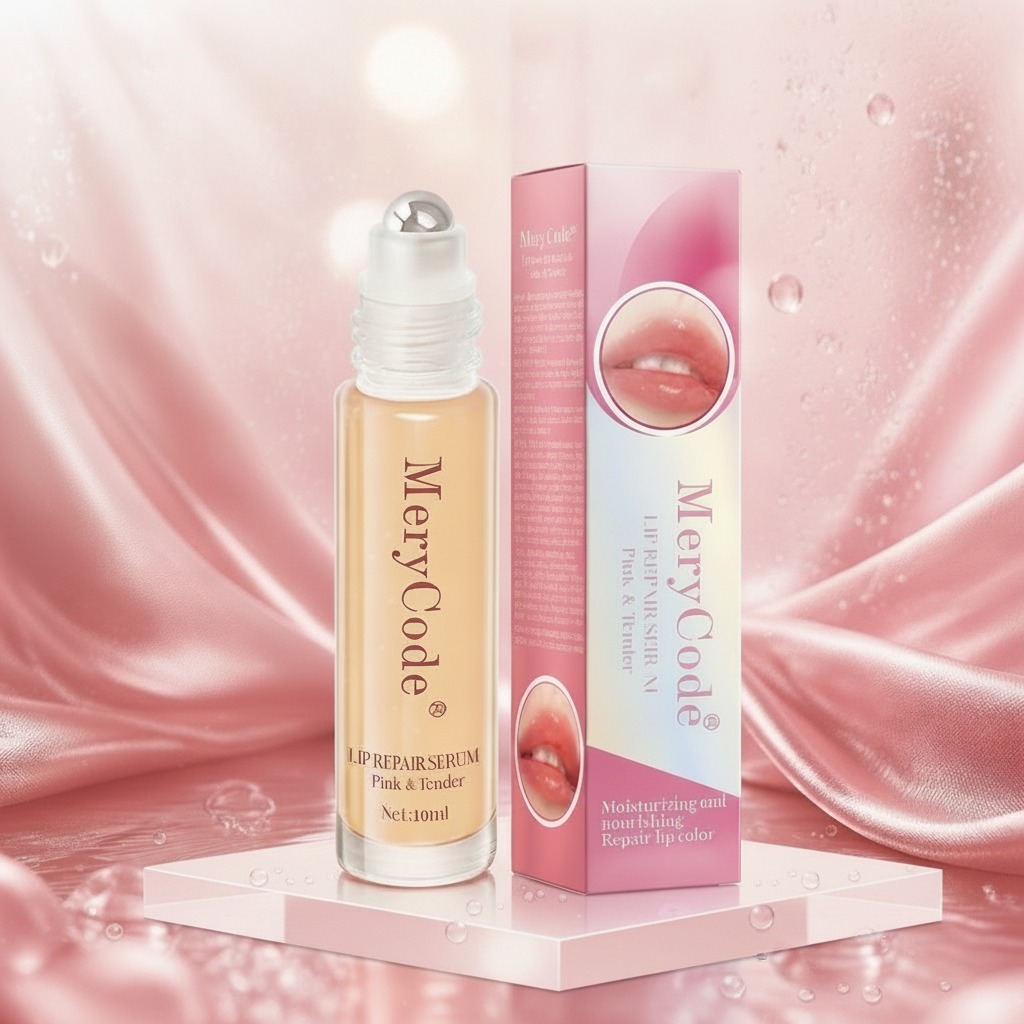
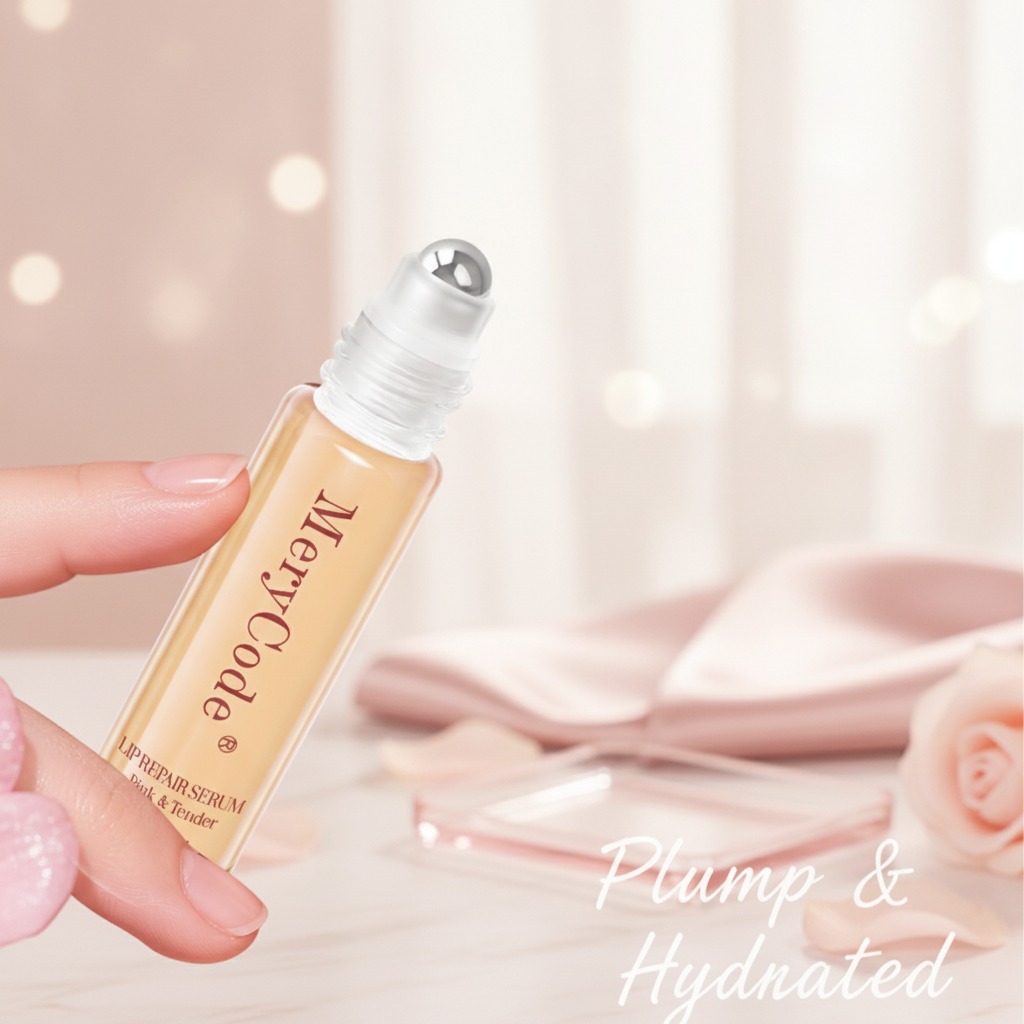
The visible product format here points to a compact tube or bottle with a slim body, a white ribbed cap, and an applicator opening at the top. That may sound ordinary, but in cosmetic manufacturing the details matter. A travel-size lip product has to be easy to carry, easy to open, and easy to apply without waste. If the opening is too generous, the user gets too much product. If it is too tight, the formula may feel dry or the applicator may not load properly. These are the small failures that make a product feel cheap even when the formula is decent.
What buyers are really trying to solve
Most sourcing managers and product teams are not just asking, “Does it look good?” They are asking whether the package supports the formula, the claims, and the target price point. A glossy lip tint with a transparent or semi-transparent container gives immediate product visibility, which helps on shelf and online. A light beige or peach fill also communicates softness and care without being too loud. For cosmetic retail, that can be an advantage if the line is meant to feel approachable rather than fashion-forward.
The visible wording “Plump & Hydrated” suggests a consumer benefit claim, and that brings a practical caution. Claims in lip care are not just marketing copy; they influence how the product is positioned, tested, and described across sales channels. Buyers should make sure the packaging, formula, and regulatory language are aligned. A gloss-like finish can support a hydrated appearance, but the actual claim wording needs to match what the product can credibly deliver.
Quick comparison: where glossy lip tint fits
Compared with lip balm
Lip balm usually prioritizes barrier comfort and basic moisture. A glossy lip tint goes further by adding visual shine and, in many cases, a more noticeable cosmetic finish.
Compared with lip gloss
Lip gloss often focuses on shine first. A tint version usually balances color payoff with wearability, which makes it more versatile for everyday use.
Compared with lip oil
Lip oil can lean more treatment-oriented. A glossy lip tint may feel closer to color cosmetics while still borrowing some of the comfort cues of oil-based products.
That middle position is exactly why many brands use this format for sample packs, starter kits, or entry-level prestige items.
Packaging details that affect performance
The image suggests a narrow cylindrical or tapered container with a threaded cap/neck area and an applicator tip. That combination is common in cosmetic filling because it is compact, portable, and suitable for liquid or gel-like formulas. It also has a few practical consequences.
First, the neck geometry must support clean filling. Cosmetic filling equipment needs enough consistency in viscosity to avoid stringing, dripping, or trapped air. Second, the cap seal matters because lip products are handled often and carried in bags. Even a small leak can ruin the customer experience. Third, the applicator opening should suit the product’s texture. A plush applicator may feel luxurious, while a simpler dispensing tip may be better for cost control. The right choice depends on the brand’s positioning, not just the price of the component.
Selection criteria for brands and sourcing teams
When evaluating a glossy lip tint, the safest approach is to start with use case. Is it a beauty counter item, a mass-market impulse buy, or a sample-sized promotional product? That answer changes almost everything.
A few questions help narrow the field:
- Does the package support a smooth, hygienic application?
- Is the container clear enough to show color and fill level?
- Will the size feel premium or merely convenient?
- Does the format work with the formula’s viscosity?
- Is the brand trying to emphasize care, shine, or color?
Those questions sound basic, but they are where many launches go sideways. A product can look appealing in a render and still fail in hand if the cap feels loose or the applicator drags.
Common mistakes to avoid
The most common mistake is overpromising through packaging. A small tube with a glossy finish can imply luxury, but if the formula is thin, separates, or feels sticky, the consumer notices immediately. Another issue is mismatch between format and audience. A travel-size glossy lip tint may be ideal for sampling or checkout displays, but not every brand should treat it as a full-size hero SKU.
There is also a quiet but important manufacturing caution: cosmetic packaging and filling should be validated together, not separately. A component that looks fine on its own may behave differently once filled, capped, and shipped.
What this product format is good for
For personal care brands, this format works well in retail beauty, skincare-adjacent lines, and promotional sample packaging. Its compact size makes it easy to carry, and its shine-forward appearance makes it visually legible even in a small format. If a brand wants a friendly, low-barrier lip product that feels polished without being fussy, this is a sensible lane.
Buyer takeaway
If you are sourcing a glossy lip tint, judge it as a system: formula, applicator, container, and claim language. The visible “plump & hydrated” positioning is useful, but it only works if the package feels reliable and the product experience matches the promise. For a small cosmetic item, that match is often what separates a repeat seller from a forgotten sample.
For teams evaluating a new lip care line, the next step is usually a sample review under real handling conditions: cap fit, leakage, application feel, and shelf appearance. That is the unglamorous test, but it is the one that matters.