Why buyers care about a high shine transparent lip oil
A high shine transparent lip oil sits in an interesting middle ground for beauty brands and retailers. It has to look clean and premium on the shelf, feel easy to use in daily routines, and deliver the kind of glossy finish consumers now expect from lip care. At the same time, buyers are usually evaluating more than appearance. They want to know whether the product can support hydration claims, how stable the formula will be in packaging, and whether the format makes sense for e-commerce, gift sets, or impulse purchase displays.
That is where a product like a lip repair serum or lip color treatment becomes useful. It is not just about shine. The packaging, the fill, the applicator, and the carton all have to support the story the brand is telling. For sourcing teams and product developers, the decision is less about choosing a fashionable item and more about making sure the formula and package work together without creating returns, leakage complaints, or disappointed customers.
What this product format is trying to do
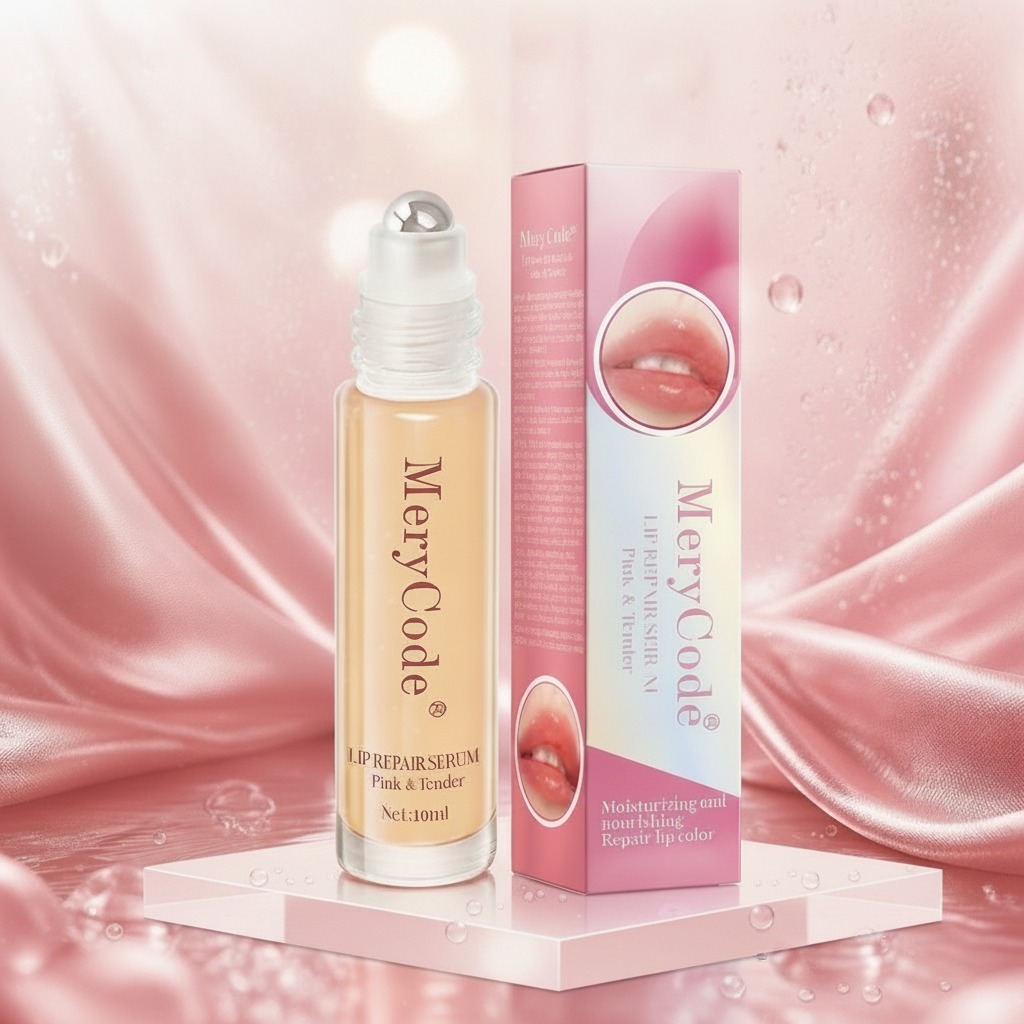
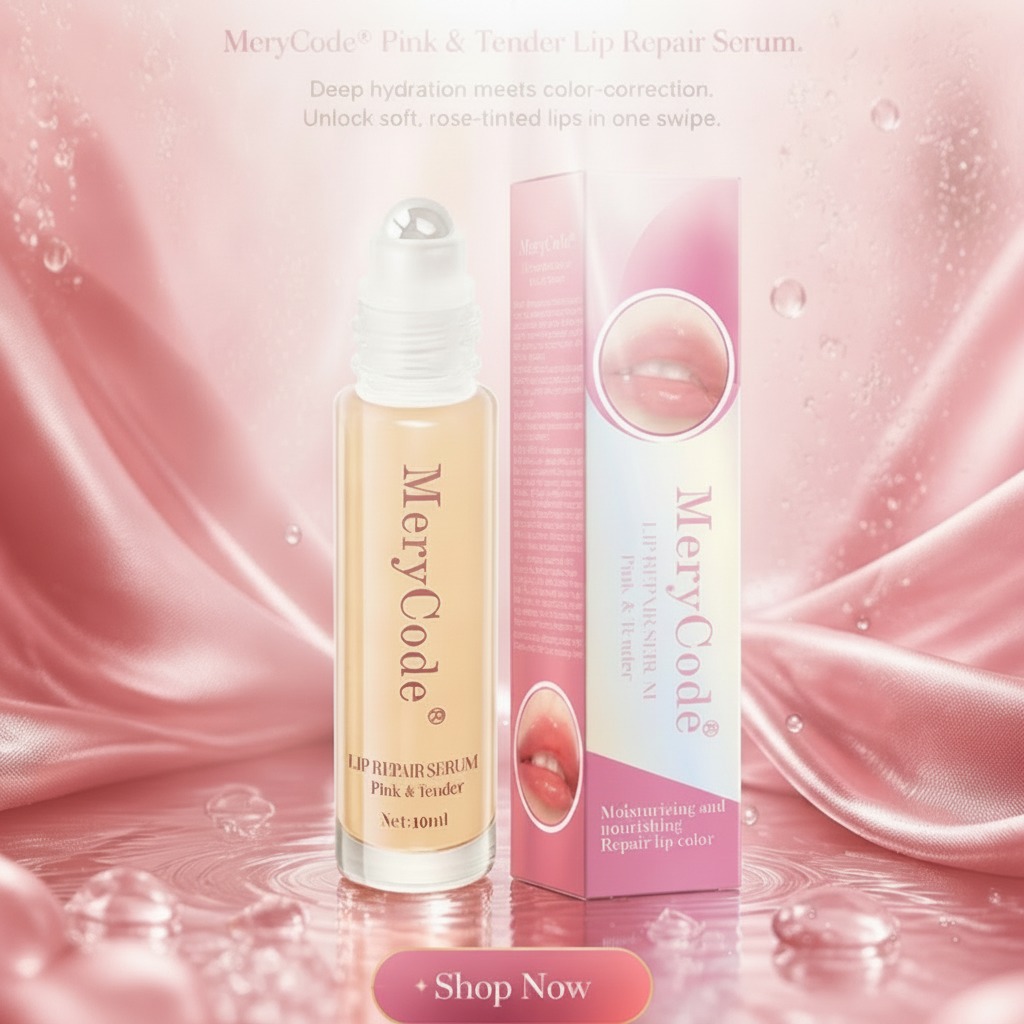
The product information points to a lip care cosmetic positioned as a lip repair serum or lip color treatment. The visible packaging suggests deep hydration, color-correction, moisturizing and nourishing, and repair lip color. That combination is common in modern lip care because consumers want one product to do several jobs at once: add a glossy finish, soften dry lips, and create a more polished look without the heaviness of a classic lipstick.
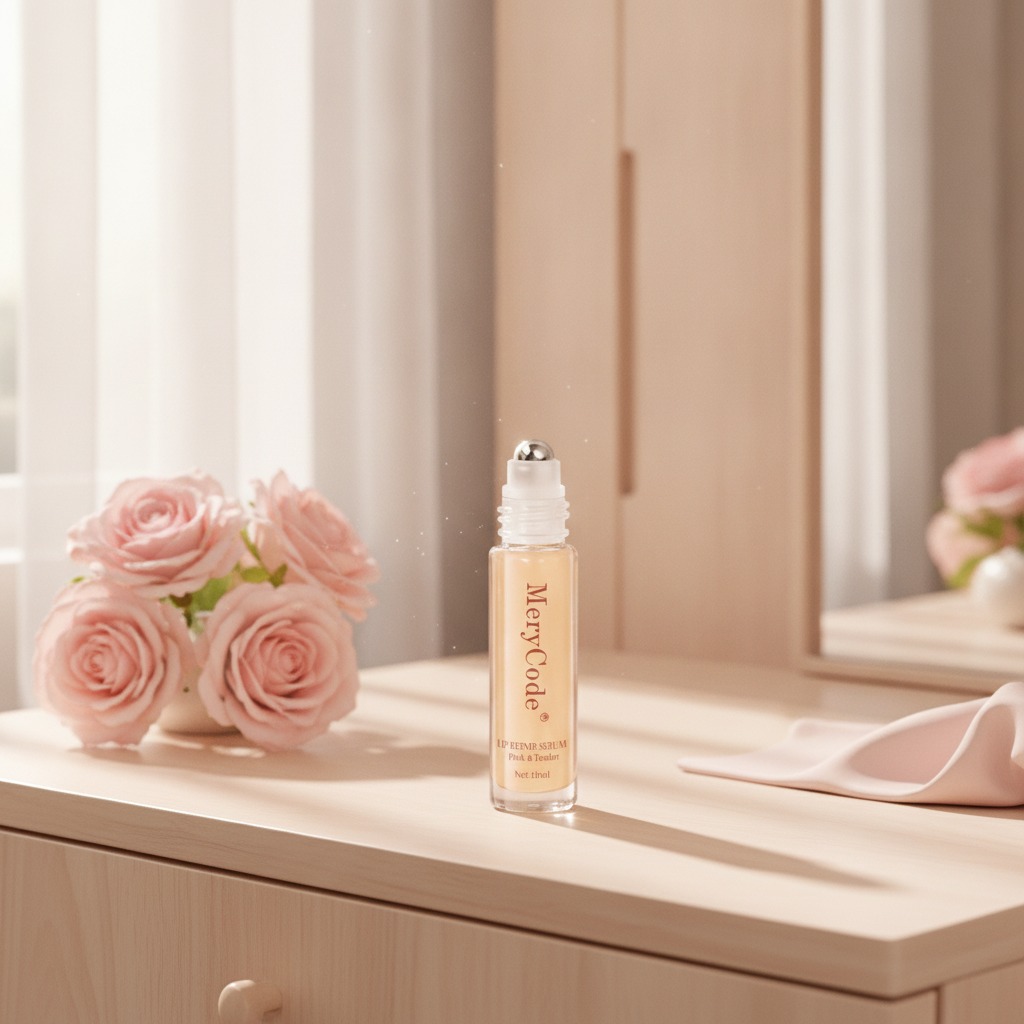
The visible format is also important. A small transparent cylindrical bottle with a white cap and applicator signals a familiar beauty SKU that is easy to merchandise and simple for shoppers to understand. The matching pink-and-white carton adds room for branding and claim language, which matters when a product needs to communicate its purpose quickly on crowded retail shelves.
Step-by-step: how to evaluate a lip oil or lip serum for production
1. Start with the intended user experience
Before choosing packaging or finalizing a formula, define the basic use case. Is the product meant to be worn alone for a glassy finish, layered over lipstick, or used as a treatment in a nightly lip care routine? A high shine transparent lip oil can serve all three, but the formula balance changes depending on the target feel. Too thin, and it looks more like a temporary gloss. Too heavy, and consumers may read it as sticky or overly occlusive.
2. Match the package to the formula
The visible pack uses a rigid clear bottle, which is common for showing fill color and giving the customer an immediate read on the product. That works well when the liquid is light pink or beige and part of the appeal lies in its clean, cosmetic look. The cap and applicator need attention here. Even without exact applicator details, buyers should confirm that the closure system supports smooth dispensing and reduces mess on the wand or neck of the bottle. In beauty packaging, a small design flaw can become a big customer complaint.
3. Check claim language against the product role
Packaging claims such as deep hydration or moisturizing and nourishing are persuasive, but they should fit the product’s true function. If the item is positioned as a lip repair serum, the brand story should emphasize care and comfort first, then shine and tint second. That hierarchy helps avoid confusion. Consumers forgive modest shine variation more easily than they forgive a product that overpromises and underdelivers.
Key packaging details that influence selling power
The carton is not just a shipping shell. It is a retail communication tool. The visible outer box uses a pink-and-white palette with printed graphics and a circular lip image, which helps the product read as gentle, feminine, and giftable. For beauty buyers, that matters because many lip care SKUs are purchased quickly, often with limited comparison time. The box has to do some of the selling before the shopper ever opens it.
Net content is listed as 10 ml, which places the product in the small-format beauty category. That volume is practical for travel, checkout counters, and online beauty bundles. It also gives brands room to position the product as an affordable entry point or an add-on item. For sourcing managers, small fill sizes can be efficient, but they also raise expectations around presentation. When the unit is compact, any packaging defect is more visible.
Common buyer mistakes to avoid
One frequent mistake is treating a lip oil like a simple color cosmetic. If the brand wants hydration and repair positioning, the formula and package have to support repeat use, not just first impressions. Another common issue is choosing a transparent bottle without checking how the liquid looks under different lighting. A shade that appears soft and elegant in studio photos can look muddy or flat on shelf if the base tone is off.
It is also easy to overlook the carton. Printed paperboard should protect the product story as much as the bottle protects the fill. If the retail box looks weak, too busy, or inconsistent with the formulation message, the product can lose credibility before a customer even reads the claims. That is a small thing, until it is not.
Practical buyer questions to ask before ordering
Ask how the formula is meant to perform after application: glossy finish, nourishing feel, color-enhancing effect, or all three? Ask whether the packaging system has been tested for leakage and compatibility with the fill, especially if the liquid contains oils or other active cosmetic components. Ask how the carton will hold up in shipping and on retail shelves. And if the product will be sold online, request clear photography guidance for the transparent bottle, because presentation can affect conversion as much as the formula itself.
For product teams, a useful internal test is simple: can a shopper understand what this is in three seconds? If the answer is no, the label, carton, or claim hierarchy needs work.
When this format makes the most sense
This type of lip repair serum is a strong fit for daily lip hydration ranges, beauty gift sets, K-beauty-style retail assortments, and online storefronts that rely on visual appeal. It also works well where a brand wants to sit between treatment and makeup. That middle position is commercially useful, but only if the product feels credible in both directions.
For brands building a lip care line, the real decision is not whether a high shine transparent lip oil looks attractive. It usually does. The harder question is whether the formula, the applicator, and the packaging can support the claim stack without creating a mismatch. That is the difference between a short-lived trend item and a product that earns a repeat order.
What to do next
If you are sourcing or developing a lip care SKU like this, start by locking down the user experience, then align the package and claims around that use case. Request samples, inspect the bottle and carton together, and review whether the product feels premium enough for the channel you plan to sell in. A good lip oil is part formula, part packaging, and part shelf communication. Miss one of those pieces, and the rest has to work much harder than it should.