Why lip oil has moved from niche to everyday carry
Lip oil used to sit in the same corner as beauty-editor favorites and impulse buys at checkout. That has changed. Buyers now want a product that sits between treatment and makeup: something that looks polished, feels comfortable, and does not behave like a heavy lipstick. For brands and sourcing teams, lip oil is no longer just a trend item. It is a compact, fast-moving cosmetic format that can do three jobs at once: moisturize, add shine, and deliver a light tint or color-shifting effect.
That is why the current demand around lip oil matters. It helps product teams decide whether to build a plain conditioning SKU, a cosmetic lip care hybrid, or a more novelty-led item with a reactive color effect. A lip oil balm can sometimes serve the same customer need, but the packaging, feel, and payoff are different enough that the buyer should not treat them as interchangeable.
What the product is really trying to solve
The typical lip care complaint is simple: many formulas either feel good or look good, but not both. Traditional balms can be comfortable yet flat in appearance. Glosses can shine, but they may feel sticky or too cosmetic for daily wear. Lip oil sits in the middle. It is usually liquid-based, easy to apply, and aimed at giving a soft coating that makes the lips appear smoother and healthier.
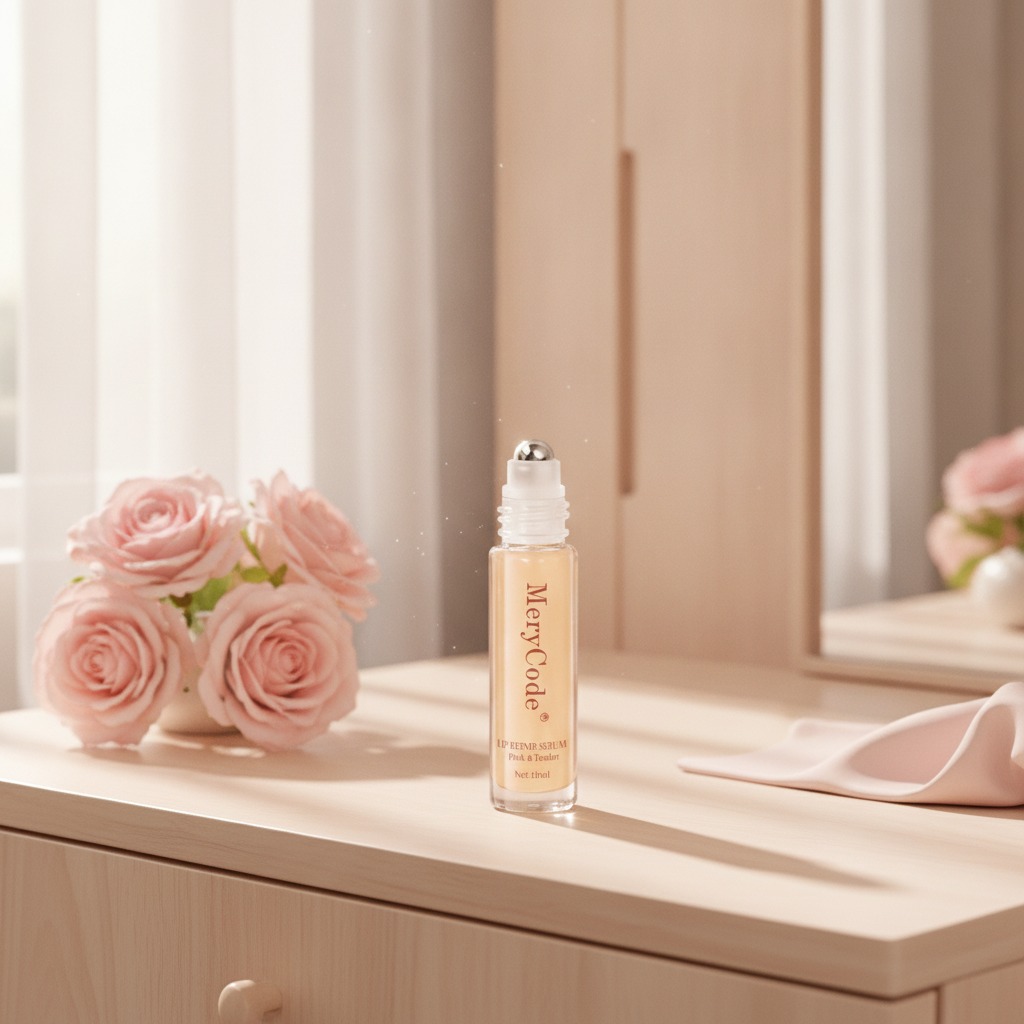
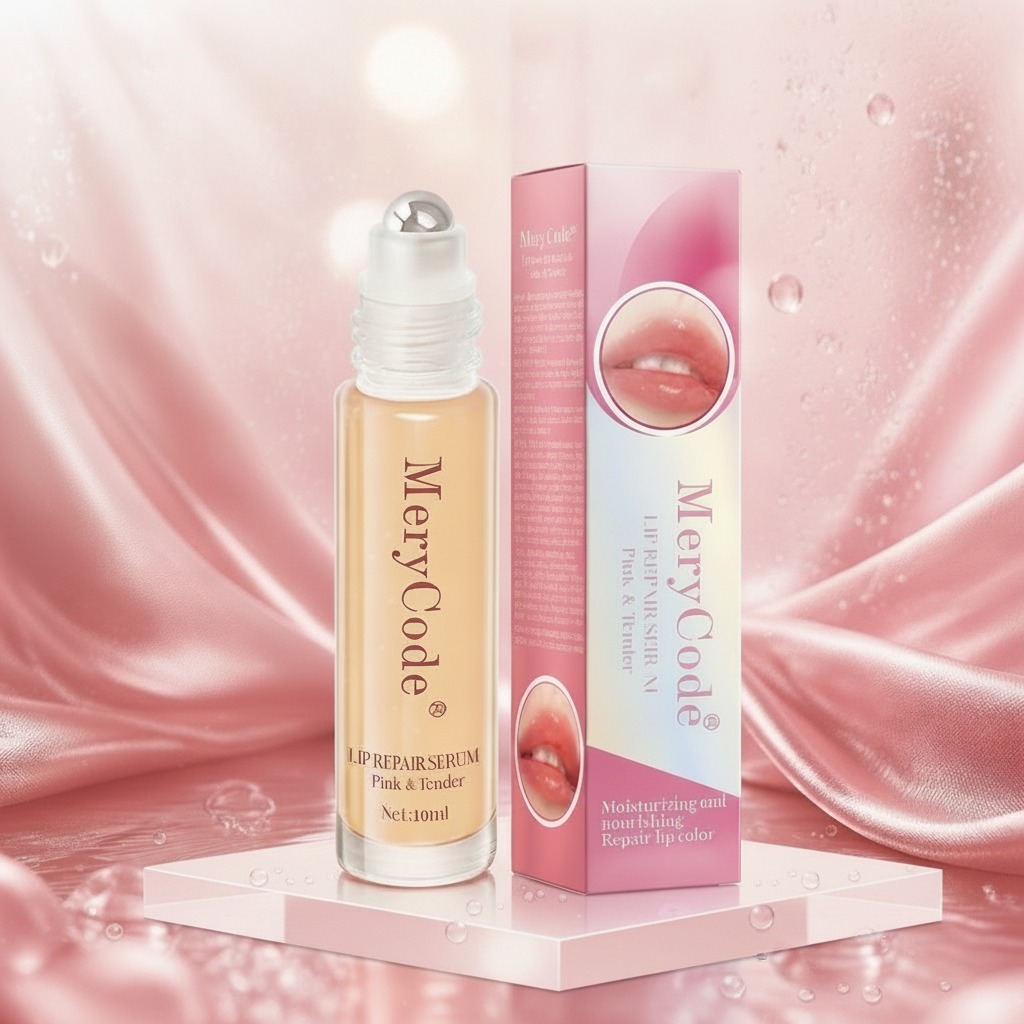
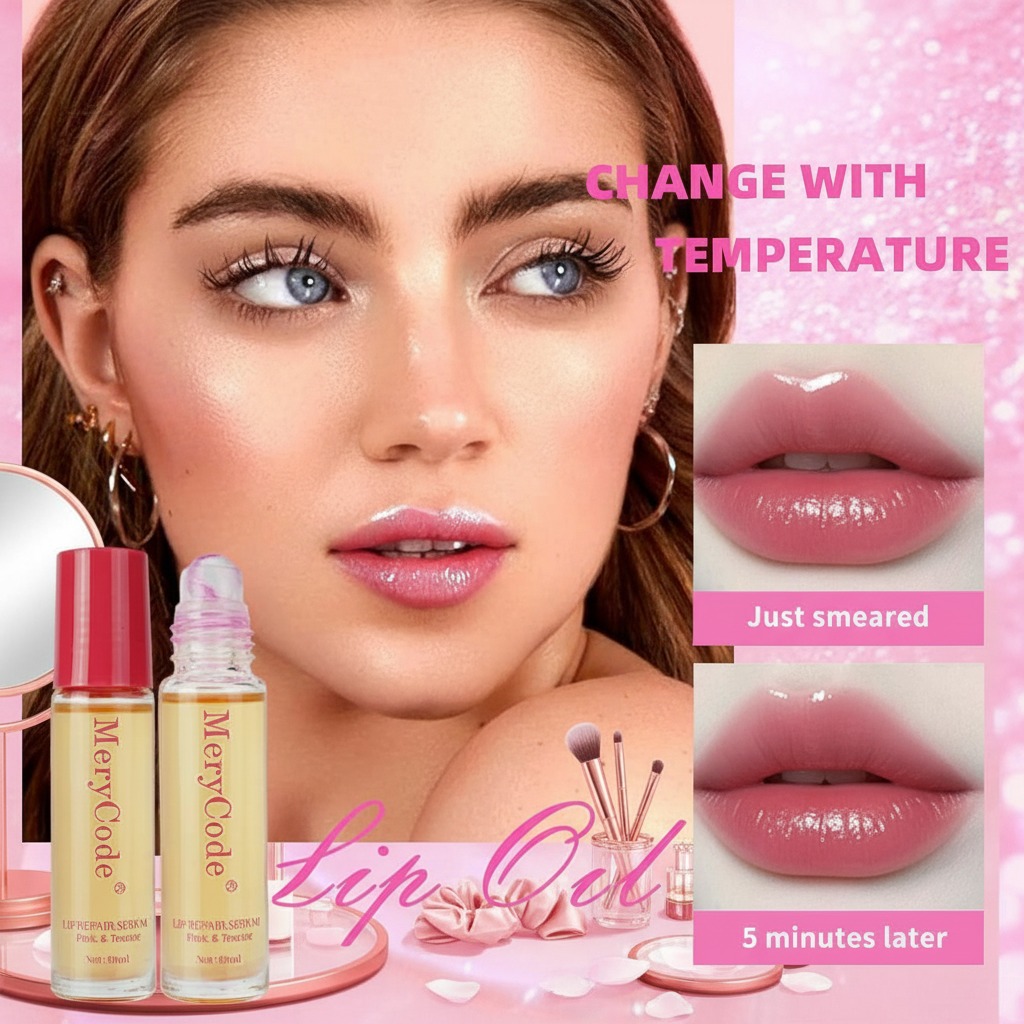
In the product data provided here, the item is a lip oil / lip gloss-type cosmetic with a pink-tinted finish and a visible moisturizing function. The packaging shown is a small cylindrical tube, apparently around 10 ml per unit, with a clear or translucent body and a pink cap. The label text suggests a “Lip Repair Serum Pink & Tender” positioning, which is useful because it tells the buyer the intended shelf story: care plus a cosmetic effect, not one or the other.
Quick buyer takeaway: what to look for in a lip oil SKU
If you are sourcing or developing this kind of product, the decision usually comes down to four things:
- Does it feel like care, or only like shine?
- Does the color payoff stay subtle enough for daily use?
- Is the packaging suited to liquid filling and clean dispensing?
- Can the formula support a stable, consumer-friendly texture without separating or leaking?
Those questions matter more than buzzwords. A product can claim “lip repair” or “temperature change” on pack, but buyers still have to judge whether the formula and packaging actually support the positioning.
How lip oil differs from lip oil balm
A lip oil balm generally suggests a thicker, more balm-like application. It may be better for customers who want a cushioned feel and slower wear. Lip oil, by contrast, is usually lighter and glossier. It spreads more easily and tends to deliver a more visible wet look.
That distinction matters in manufacturing too. A softer balm format may tolerate a different filling behavior than a true oil or serum. A liquid lip care product like the one described here often needs tighter attention to cap fit, leakage control, and the stability of the visible fluid inside the tube. That sounds obvious, but in practice it is where many small cosmetic products become annoying for the end user.
The appeal of color change, without overselling it
The product imagery suggests a color-shifting effect, possibly temperature-related or pH-reactive. That kind of feature sells because it gives the customer a sense of personalized color. The important caution is this: unless the effect has been verified, buyers should treat the claim as marketing language rather than a technical promise.
Still, the concept is useful. A lip oil with a soft color change can widen the audience. Minimalist users get their shine and care. Makeup users get a natural tint. And novelty shoppers get the “before and after” moment that photographs well on shelf and online.
Why this can be a smart SKU strategy
Reactive lip products often support gifting, social media demos, and impulse purchase behavior. They are easier to explain than a complicated formula deck. If the texture is pleasant and the tint is flattering, the product can move quickly even without aggressive claims.
Manufacturing and packaging points buyers should watch
For a liquid lip care product in a small tube, the formula is only half the job. Packaging fit is the other half. The container needs to hold the product cleanly, protect it from contamination, and dispense a controlled amount. With translucent packaging, the fill level and appearance also become part of the selling point.
Buyers should ask practical questions early:
- Is the formula oil-based, serum-based, or a hybrid?
- Will the texture stay uniform over time?
- Does the cap system prevent leakage during shipping?
- Is the applicator comfortable for daily use?
- Will the visible color remain attractive in the tube and on the lips?
These are not glamorous questions, but they are the ones that save money later.
Common mistakes when sourcing lip care cosmetics
One common mistake is treating all glossy lip products as the same. They are not. Another is leaning too hard on a single claim, like “repair” or “color change,” without making sure the overall user experience supports it. Buyers also sometimes overfocus on the visual effect in marketing photos and underfocus on real-world handling. A pretty tube that leaks is not a good product.
A smaller but important issue: when a product is built around shine and tint, small inconsistencies in fill, color, or viscosity become obvious. That means quality control matters even for lower-complexity cosmetics.
What a practical buyer should ask next
If you are evaluating a lip oil for retail, private label, or promotional use, ask for the formula type, packaging compatibility details, and any test data the supplier can actually provide. Be cautious with claims that sound too precise if they are not documented. The safest and most commercial product is usually the one whose texture, dispensing, and appearance are all aligned.
For teams comparing a lip oil with a lip oil balm, the choice should come down to the customer experience you want to sell. If the goal is a glossy, lightweight, cosmetic-care hybrid, lip oil is the more direct fit. If the goal is a richer, more occlusive feel, balm may be the better route.
Next step for sourcing teams
Use the product positioning, visible 10 ml format, and liquid lip-care structure as your starting point, then verify the formulation and packaging details before you commit to a run. The market is full of products that look similar on a screen. The ones that survive are the ones that wear well, pack cleanly, and do not disappoint after the first application.