Why a lip oil with shine is still a practical buy, not just a pretty one
People often shop for a lip oil with shine as if it were a vanity item, but the better question is simpler: does it keep lips comfortable while giving the finish you want? For sourcing teams, merchandisers, and brand owners, that is the real decision. A shiny lip treatment has to do more than look glossy on a counter. It needs to feel pleasant, dispense cleanly, fit the brand story, and hold up in daily use.
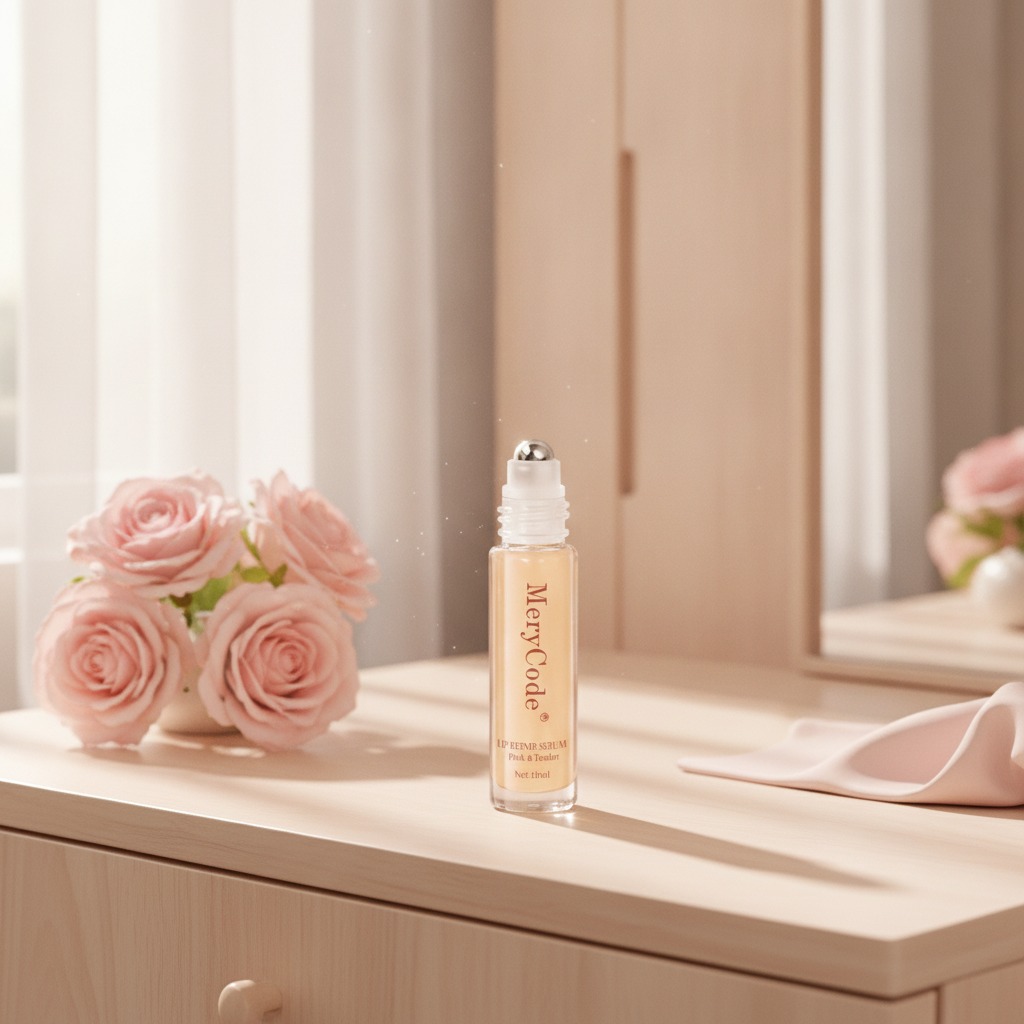
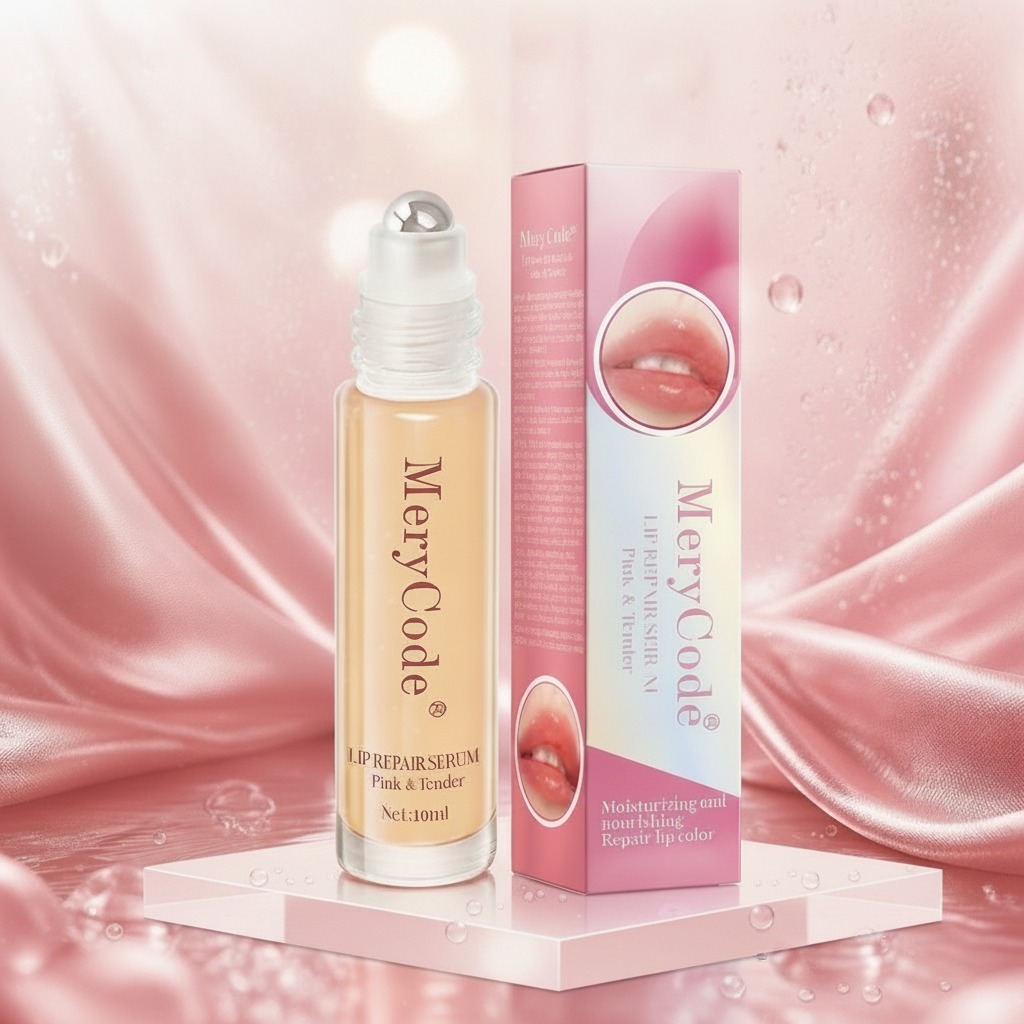
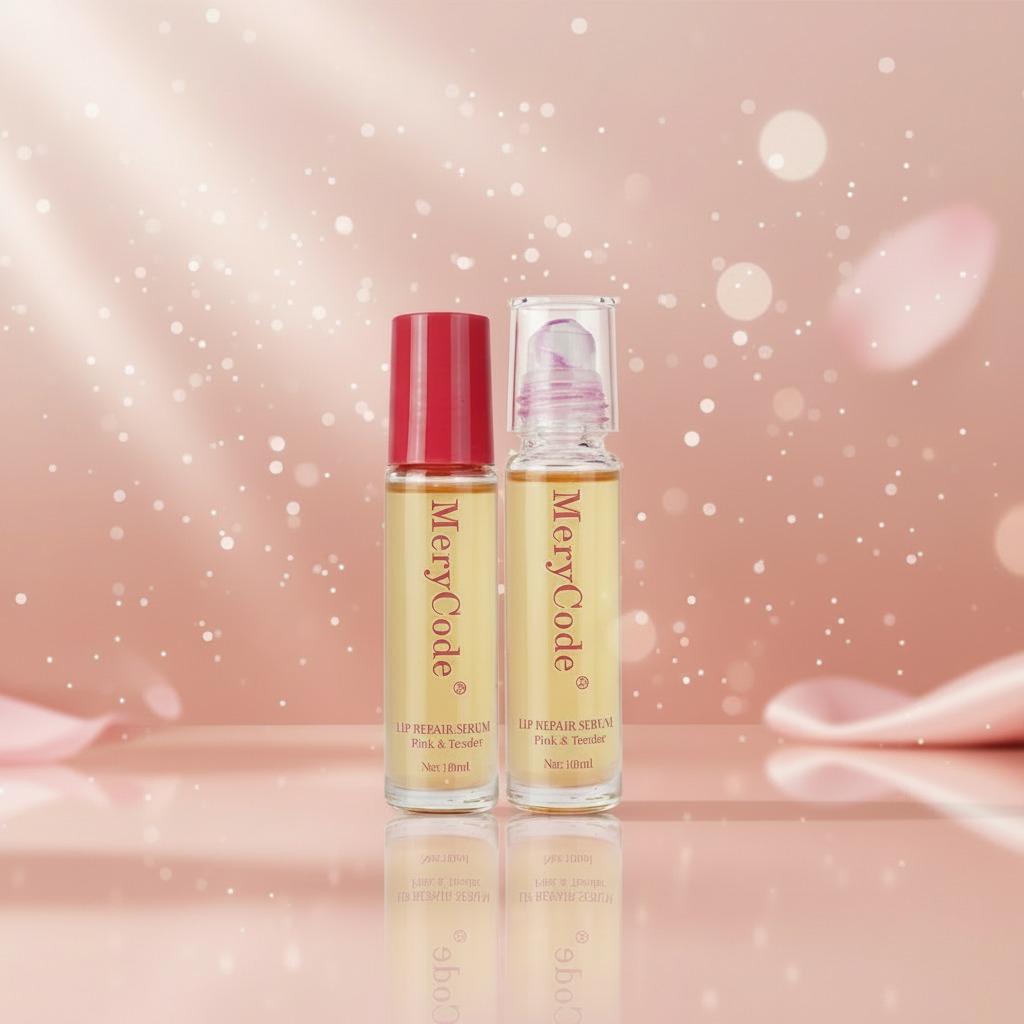
The two-bottle lip care format shown here sits in that useful middle ground between beauty and function. The label identifies it as MeryCode Lip Repair Serum Pink & Tender, with a visible net content of 10 ml per bottle. That tells buyers a fair amount already: this is a small-format, leave-on lip treatment, likely positioned for moisturizing, repair-oriented care, and possibly a soft tint effect. It is the kind of package that can work in retail, gift sets, or travel-oriented assortments, provided the formula and closure system match the promise.
What buyers should look for first
If you are evaluating lip care packaging or a new lip treatment SKU, start with the basics that consumers notice immediately: finish, applicator feel, and product cleanliness at the opening. Shiny lip products compete visually, so the packaging cannot look tentative. Clear cylindrical glass, glossy caps, and clean printed branding usually signal a more premium cosmetic tier, though the final impression still depends on how the closure and applicator behave in hand.
In this case, the bottles are slim and round, with transparent bodies and a pale yellow liquid visible inside. One bottle is capped; the other shows an applicator head under a clear protective cap. That suggests a dispensing method designed for direct lip application rather than a jar or squeeze format. For a lip repair serum, that is a sensible choice. It keeps the user experience neat and makes daily carry easier.
Form and packaging details that matter
Glass versus plastic
The bottles appear to be glass, which can help with perceived quality and shelf presentation. Glass also supports a cleaner, more rigid silhouette, especially for small cosmetic serums. The trade-off is weight and breakage risk, so shipping and secondary packaging need attention. If the product is meant for e-commerce, that point is not minor.
Applicator style
The visible rounded or roller-style top matters more than many teams expect. A lip product with shine should feel controlled on application, not slippery or messy. If the applicator deposits too much product, the result can migrate beyond the lip line. If it deposits too little, the user will associate the product with poor payoff even if the formula itself is good. The exact mechanism here is not fully confirmed, so it is worth verifying during sampling and fill-line testing.
How this kind of lip product fits the market
Products labeled as lip repair serum, lip treatment, or lip oil with shine usually compete on two axes at once: appearance and care. Consumers want a glossy finish, but they also want lips that feel moisturized rather than coated. That is why the word “serum” can be useful in positioning. It suggests a care-first story, though brands should be careful not to overstate what the formula does unless the claims are supported.
For buyers, the practical question is whether the product should be sold as daily lip care, a cosmetic topper, or a repair-oriented treatment. The answer affects everything from carton copy to display placement. A pink-tinted serum may sit well in beauty aisles, while a more neutral repair product may fit skincare-adjacent merchandising. The same bottle can support either story, but the formula and language have to stay aligned.
Common sourcing mistakes to avoid
One mistake is treating shine as the whole value proposition. Gloss alone is easy to imitate. Another is ignoring closure quality because the bottle is small. Leak resistance matters just as much in a 10 ml format as it does in a larger one, sometimes more so. Small bottles are handled often, tossed into bags, and opened repeatedly.
It is also easy to overread what a label implies. “Pink & Tender” may refer to shade, feel, or branding rather than a hard performance claim. Unless an ingredient list or test data is supplied, do not assume whitening, healing, or medicated behavior. That kind of caution saves arguments later, especially in regulated cosmetic categories.
Practical buying advice
Ask for samples and check three things before committing: applicator control, cap fit, and how the liquid sits in the bottle over time. If the product will be sold as a lip oil with shine, it should deliver an even finish without pooling at the corners of the mouth. Also confirm whether the glass body is suitable for your distribution channel and whether the printed label holds up under handling.
For private label or retail buyers, the MeryCode Lip Repair Serum format is interesting because it already signals a tidy, giftable presentation. The straight-sided bottle and visible applicator are easy to merchandise. Still, the formula and closure system should be validated before any final order. Cosmetic packaging can look resolved on a shelf and still be awkward in use, and that mismatch is expensive once inventory lands.
Quick FAQ for buyers
Is this product clearly cosmetic or medicinal?
From the visible information, it presents as a cosmetic lip repair serum. Do not assume medicated status without documentation.
What is the strongest visible selling point?
The combination of compact glass packaging, visible fill level, and a polished lip-care presentation.
What should be verified before sourcing?
Ingredient list, applicator mechanism, closure performance, and any claim language used on packaging or in listing copy.
If you are comparing lip care formats, start with the user experience rather than the label wording. A good shiny lip treatment is the one people will actually carry, apply, and repurchase.