Why buyers look at a lip tint oil differently from a standard lip gloss
A lip tint oil sits in a strange but useful middle ground. It borrows the shine and easy application of a cosmetic lip product, but it is usually expected to behave more like a treatment than a makeup topcoat. For sourcing teams and product developers, that distinction matters. A consumer may buy it for color, comfort, or repair, yet the formulation and packaging have to support all three without turning greasy, sticky, or unstable.
That is why a product such as a lip tint oil deserves a closer look than a simple “pretty tube” review. The buyer is not only choosing a shade or finish. They are deciding how the formula will feel on first contact, whether the packaging can protect a delicate oil phase, and whether the presentation fits a retail skincare or beauty assortment. In lip care, the smallest details can affect return rates and repeat purchase more than a glossy product page ever will.
What the visible product tells us
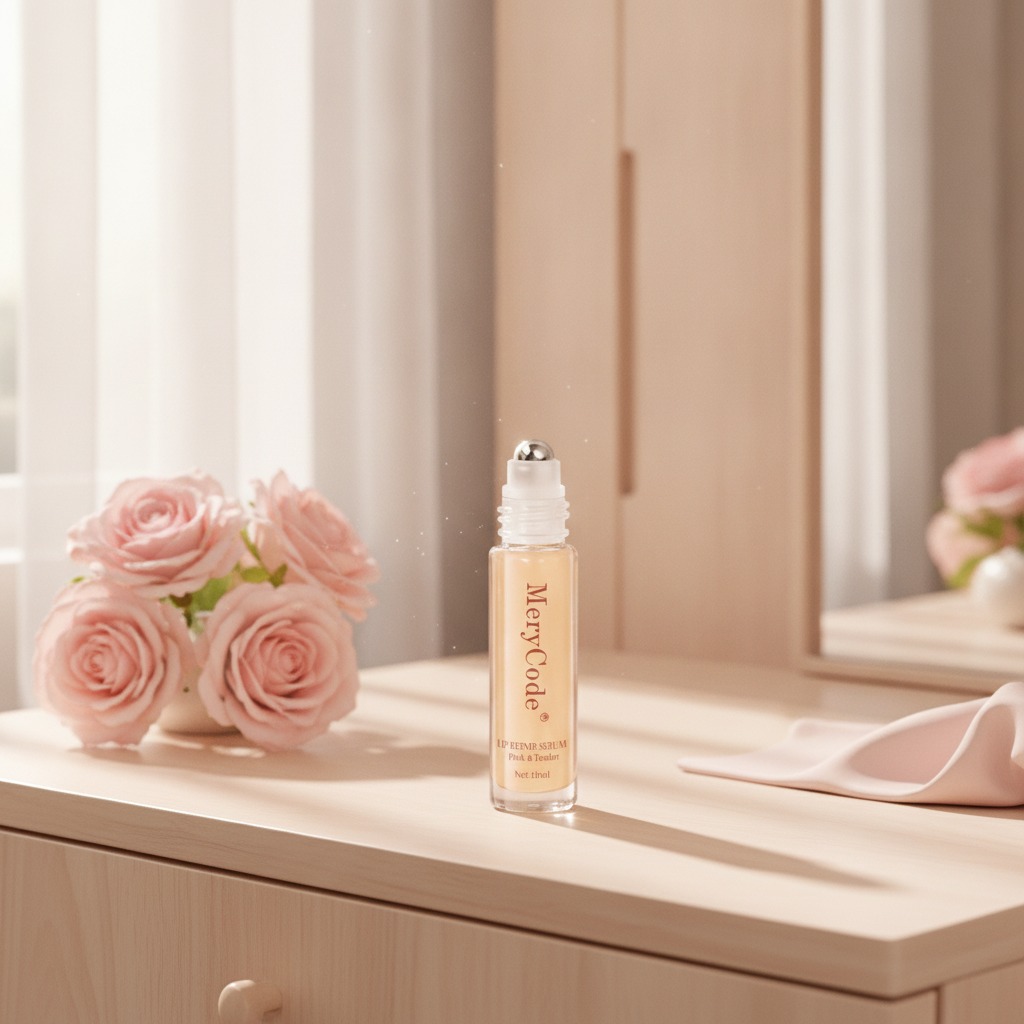
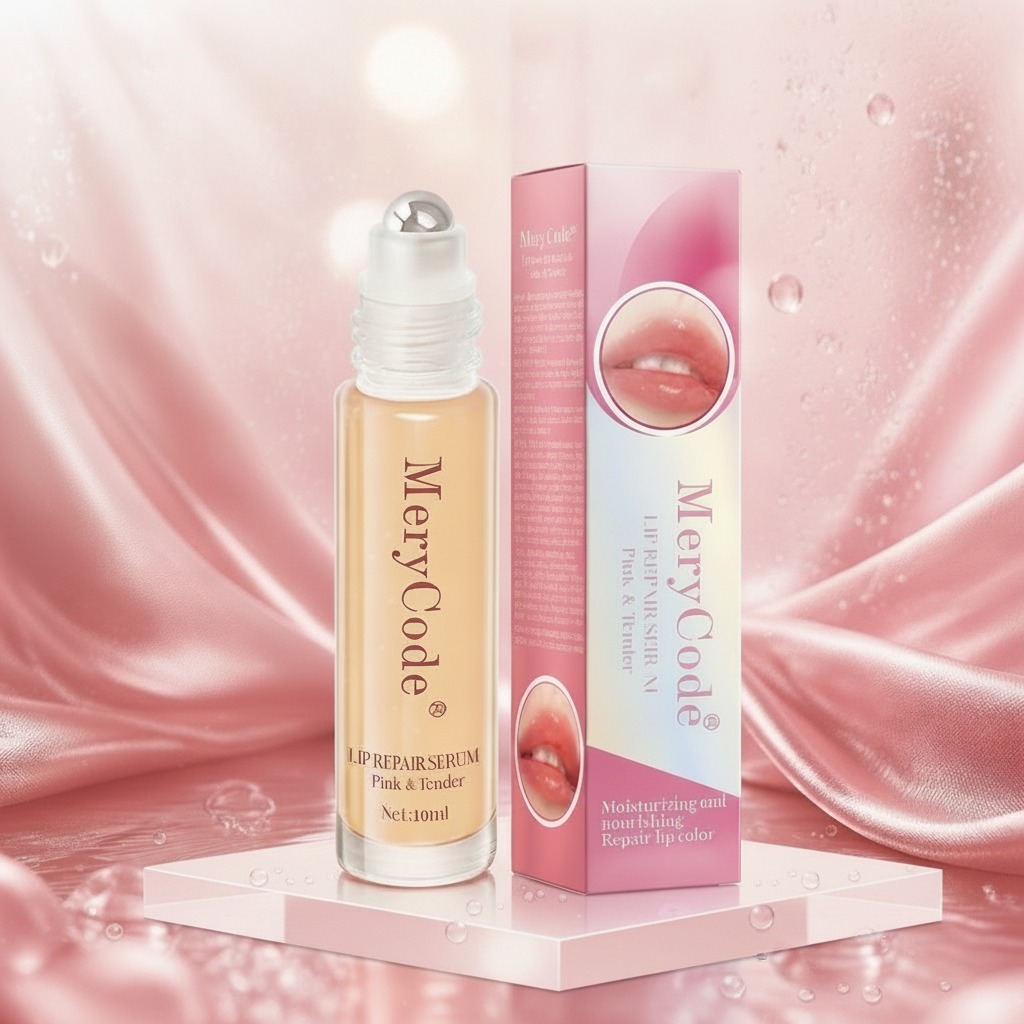
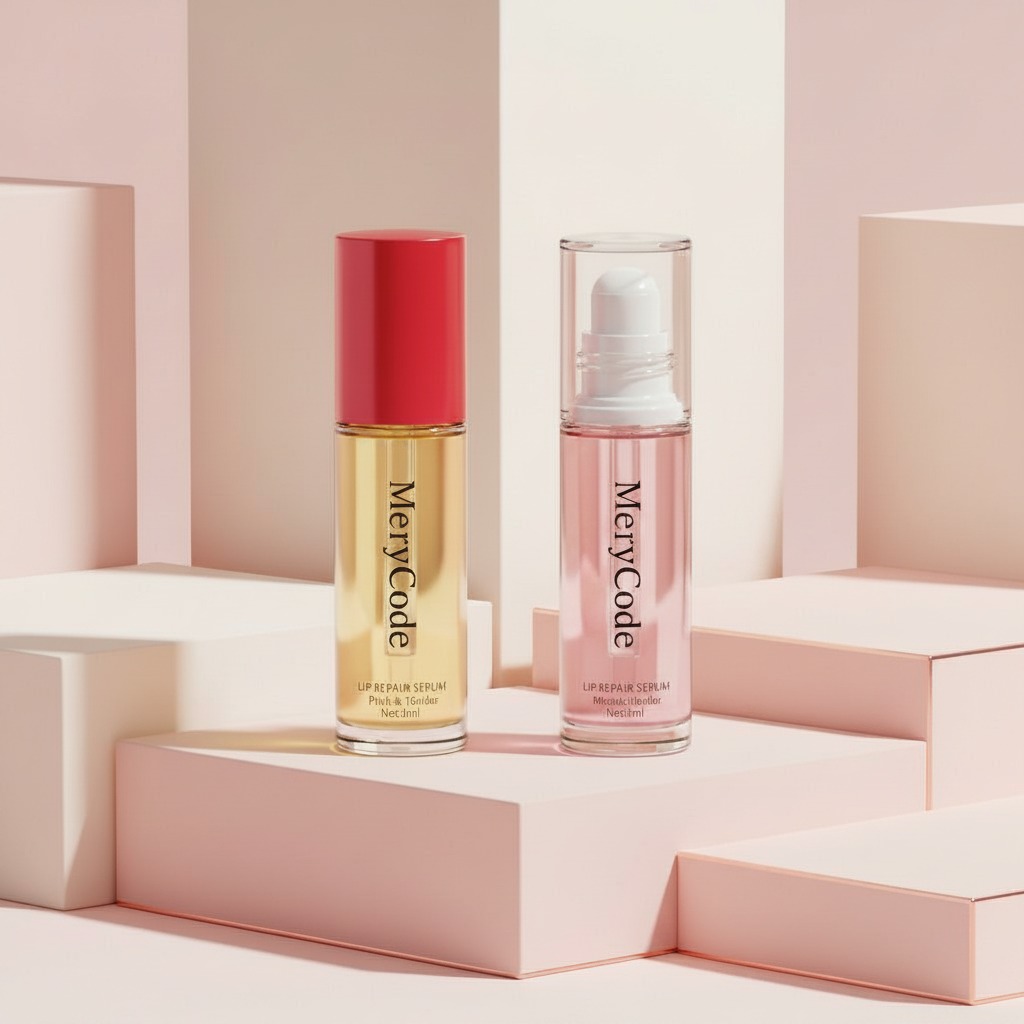
The sample shown here appears to be a compact lip care item positioned as a lip repair serum, branded “MeryCode,” with labeling that includes “LIP REPAIR SERUM,” “Pink & Tender,” and a small net content marking that appears to read 1 ml. The cylindrical format is slim and travel-friendly, which immediately suggests a counter display or impulse-buy placement rather than a bulky daily-treatment jar.
Two package variants are visible. One has a metallic gold-toned lower body with an opaque red cap. The other uses a clear outer body and a transparent cap, with a visible white inner dispenser component. That mix of finishes is not just decorative; it can support different merchandising strategies. One variant reads more premium and giftable, while the clear version signals ingredient visibility and a cleaner skincare aesthetic. Buyers in personal care often overlook how much packaging tone shapes the perceived purpose of the product.
Formulation and packaging: the parts that must work together
Because lip oils are leave-on products, the formula has to remain stable in contact with air, heat, and repeated handling. Oils, emollients, and active lip-conditioning ingredients can be sensitive to packaging choice. If the container is not compatible, the product may separate, leak, or pick up odor over time. The image suggests rigid cylindrical primary packaging, likely plastic or a glass-like cosmetic substrate, but the exact material is not confirmed. That caution matters. A sourcing decision based on appearance alone can be expensive later.
The visible applicator structure also deserves attention. A lip product may use a wand, a small doe-foot, or another internal dispensing mechanism. The image hints at a white inner component in one version, but it is not possible to confirm the full delivery system from the photo alone. For buyers, the practical question is simple: does the applicator dispense enough product for a smooth coat, without flooding the lips or leaving residue at the neck of the bottle?
How to evaluate a lip care SKU before placing an order
Start with the use case
Is the product meant to be a cosmetic enhancer, a treatment-style lip serum, or both? If the line is centered on moisture support and repair, then texture, slip, and after-feel matter more than visible tint strength. If it is meant to function like a lip tint oil, then color payoff, sheen, and reapplication frequency deserve equal attention.
Check the packaging language against the product promise
A “repair serum” label implies care benefits, while a tint oil implies visual effect. Those two signals can coexist, but they should not fight each other. A hard-edged luxury bottle with a medical-style claim may confuse shoppers. Likewise, a playful pink finish may undercut a serious treatment message. The better approach is a package that makes the product role obvious at a glance.
Think about travel and retail handling
Small format lip products have real advantages. They fit into pocket sets, gift bundles, and checkout displays. But mini sizes can also be unforgiving. If the cap fit is loose or the neck design is weak, leakage becomes a fast way to damage cartons and retailer confidence. That is especially important for oil-based formulas, which can show mess more readily than balms.
Common mistakes buyers make with lip oil and repair formats
One common mistake is treating all lip care liquids as interchangeable. They are not. A shimmering oil, a treatment serum, and a hybrid tint may need different viscosity ranges, applicators, and decoration methods. Another mistake is underestimating label readability on a small tube. If the bottle is only around travel size, every line of text competes with branding. Fine print can disappear in actual store conditions.
Buyers also sometimes assume the most decorative package is the most marketable. Sometimes that is true, but not always. In lip care, consumers often trust clarity more than embellishment. Seeing the product through a clear body can signal freshness, while a metallic finish can elevate shelf appeal. The right answer depends on the channel, not on design taste alone.
Buyer-facing questions worth asking before sampling or sourcing
Can the formula remain stable in the chosen primary packaging? Does the applicator match the intended dose? Is the finish more treatment-oriented or makeup-oriented? Will the printed claims fit local labeling rules and retail expectations? Those are not glamorous questions, but they are the ones that prevent a decent concept from becoming a troublesome SKU.
For a brand building a lip care range, the most useful next step is usually a side-by-side evaluation: one treatment-led version, one tint-led version, and one packaging mockup tested under real handling conditions. That gives the team something better than a mood board. It gives them an actual purchasing decision.
Where this product type fits in a modern beauty lineup
A lip tint oil or lip repair serum can do well in entry luxury, self-care, and giftable skincare sets. It also fits brands that want a smaller-ticket item without sacrificing perceived value. The compact cylindrical bottle seen here is a practical format for that role. It is familiar enough for quick consumer understanding, yet flexible enough for color, finish, and branding changes across a line.
If you are developing or sourcing a similar product, the real question is not whether the format looks attractive. It does. The better question is whether the packaging, applicator, and formula all support the same promise. When they do, a small lip care SKU can punch above its weight on the shelf.
Next step
If you are evaluating a lip tint oil or lip repair serum for retail, request samples with the exact packaging format, then test dispensing, leakage, and label legibility under normal warehouse and store conditions. That is the quickest way to separate a good-looking concept from a product that is ready for market.