Why lip care packaging matters more than it looks
LipCareEssentials is not just a beauty slogan; for product teams and sourcing managers, it is a practical category decision. A lip repair serum has to do a few things at once: deliver a pleasant feel, protect a sensitive formula, and look credible on a shelf or screen. When the format is a small roll-on or wand-style bottle, the packaging becomes part of the performance. If the applicator is awkward, if the cap does not close cleanly, or if the bottle looks fragile, the customer notices fast.
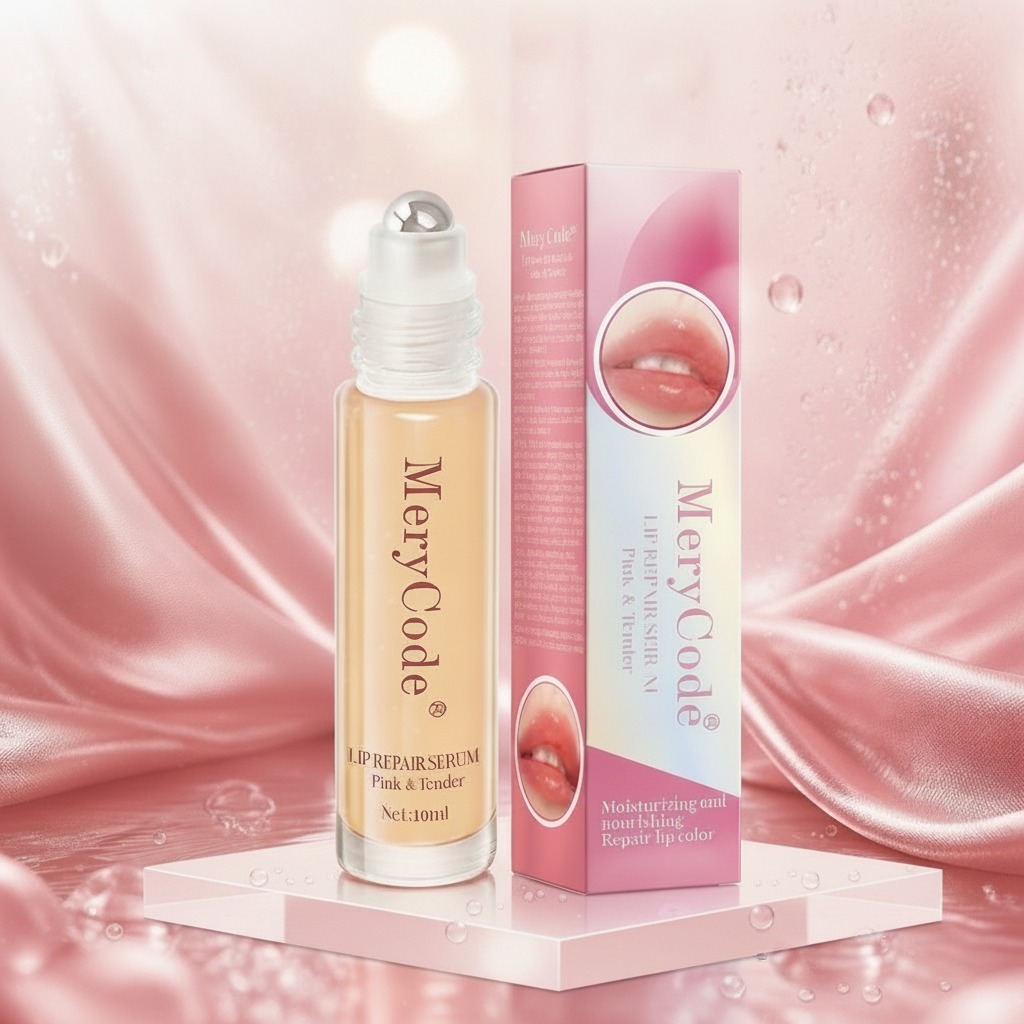
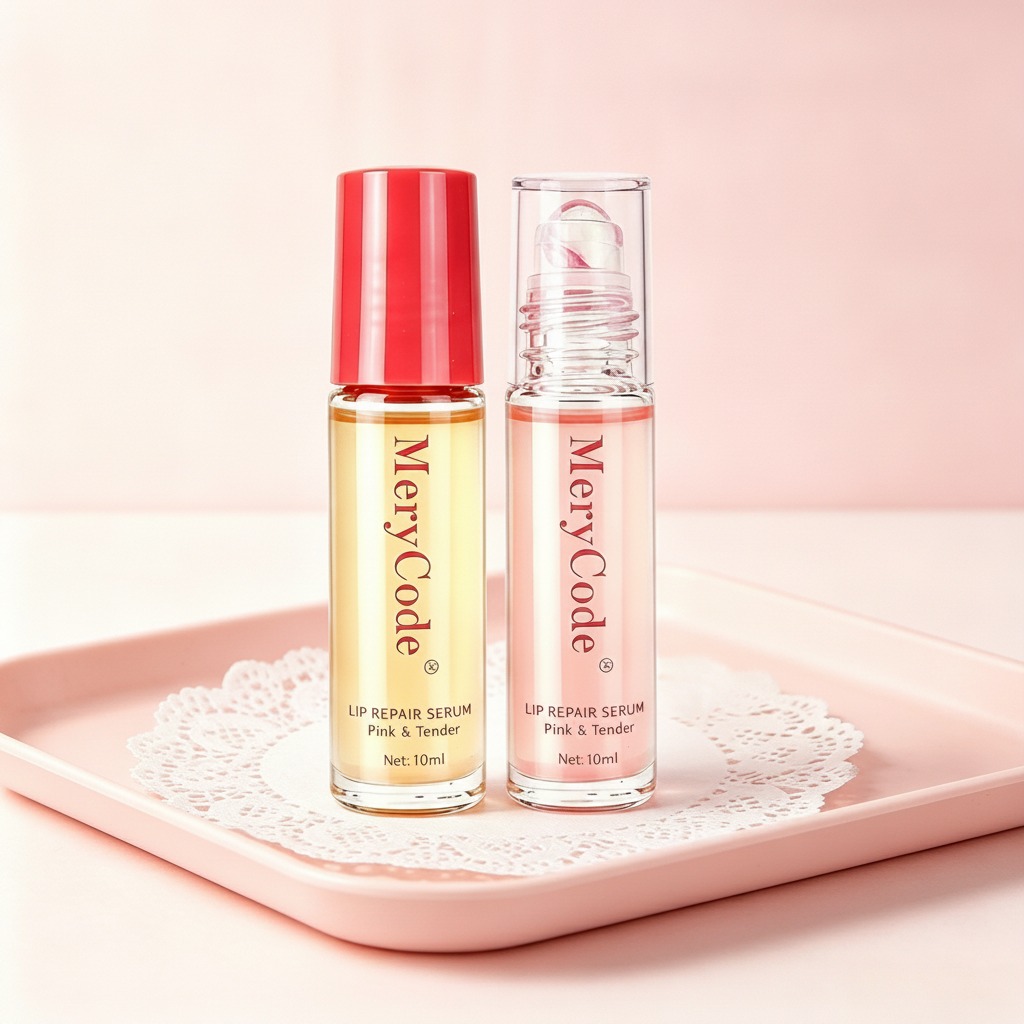
That is why this kind of lip-care product deserves a closer look. It sits between skincare and cosmetics. Buyers are often deciding not only whether the formula is right, but whether the packaging supports daily use, retail display, and e-commerce presentation. The product shown here, labeled as LIP REPAIR SERUM / Pink & Tender / Net: 10ml, is a good example of a compact lip care format that aims to balance convenience with visual appeal.
What this lip repair serum format is trying to solve
A lip treatment has a different job from a standard lipstick or gloss. Customers usually want moisture, softness, and a clean, easy application. In practice, that means the pack needs to dispense a controlled amount of product without making a mess. A small glass vial with a wand-like or roller-style applicator can help with that, especially for travel-size use or quick touch-ups during the day.
The visible structure here is straightforward: clear cylindrical glass bottles, one with a glossy red cap and another open to show a clear applicator insert with a rounded tip. The liquid inside appears transparent to lightly tinted, with one variant looking pale yellow and another lightly pink. That matters for merchandising. Even before a shopper reads the label, the bottle signals “care product,” not heavy makeup.
Key features buyers should notice first
If you are evaluating a lip care cosmetic like this, start with the basics that affect both user experience and packaging reliability:
1. Bottle material and visibility
Clear glass gives the line a clean, premium look and makes the fill level visible. That helps with retail presentation, but it also puts more pressure on the formula to stay visually stable. Any separation, clouding, or pigment shift will be obvious.
2. Closure and applicator style
The product image suggests a cap-and-applicator system, though the exact applicator type is not confirmed. Whether it is a rollerball, sponge-tip, or wand, the real issue is repeatable dosing and easy handling. A buyer should check how the applicator feels at the lips, how much product it carries, and whether the closure seals cleanly after repeated opening.
3. Fill size
Net content is listed as 10 ml. That is small enough for travel and impulse purchase, but still large enough to support repeated use. For a lip-care item, this is a practical middle ground. It is not a bulk jar and it is not a one-use sample.
4. Brand presentation
The vertical branding “MeryCode” and the “Pink & Tender” naming give the product a soft cosmetic identity. That can help in e-commerce, where the package has to communicate the use case quickly from a thumbnail image.
A simple buyer guide for this category
When sourcing lip repair serum packaging or a ready-to-fill lip care product, a good process is usually more useful than a long spec sheet. Start with the intended channel. A beauty store display needs a polished look. Promotional packaging may need a stronger visual hook. Travel retail may care more about leakage resistance and compact size. E-commerce, meanwhile, punishes unclear labeling and cheap-looking closures.
Then test the pack against the formula. Lip-care liquids can vary in viscosity, slip, and finish. A slightly thicker serum may need a different applicator than a light conditioning oil. A clear bottle is attractive, but it also leaves less room for mistakes in formulation. If the liquid separates, the customer sees it right away. That is not always a deal-breaker, but it is a warning sign.
Also pay attention to the opening experience. Buyers often underestimate this part. A cap that feels loose, a wand that drips, or a bottle that is hard to grip can turn a modest product into a frustrating one. In cosmetic packaging, small annoyances become returns and complaints faster than anyone expects.
Common mistakes in lip care product selection
One common mistake is overemphasizing appearance and ignoring usability. A glossy red cap can help on a shelf, but if the closure is fiddly, the product will struggle in real use. Another mistake is choosing a packaging style before confirming formula compatibility. Some serums are fine in a simple tube; others need a more controlled applicator. It depends on texture, not just branding.
A second trap is confusing “repair” language with therapeutic performance. The name suggests lip conditioning and moisturizing, but buyers should avoid assuming medical or SPF claims unless they are clearly supported. That caution matters in procurement as much as it does in marketing.
Who this format is best for
This style of lip care cosmetic fits brands that want a polished, approachable daily-use product. It is suitable for beauty retailers, e-commerce listings, gift sets, and promotional photography. The 10 ml size also makes sense for consumers who want a compact lip treatment in a handbag or travel pouch.
For sourcing teams, the main decision is whether the pack supports the desired product story: soft, convenient, and visually clean. If that is the brief, this format is aligned with it.
Practical next step for buyers
Before placing a production order, request a sample set and check three things in person: applicator comfort, closure reliability, and how the serum looks after sitting for a while. That last point is easy to skip and often the most revealing. If the product still looks clean and appealing after handling, it is closer to a commercial-ready lip care item.
If you are building a new LipCareEssentials line, start with the package and formula together, not separately. In this category, they succeed or fail as a pair.