Why a long lasting blush is more than a color choice
A long lasting blush is not just about getting through a workday without fading. For buyers, brand teams, and product developers, it sits at the point where formula, packaging, and user experience all meet. If the color disappears too quickly, the product feels weak. If it wears unevenly, clings to dry patches, or breaks in the compact, the customer notices that too. In cosmetic retail, that is often the difference between a one-time purchase and a repeat order.
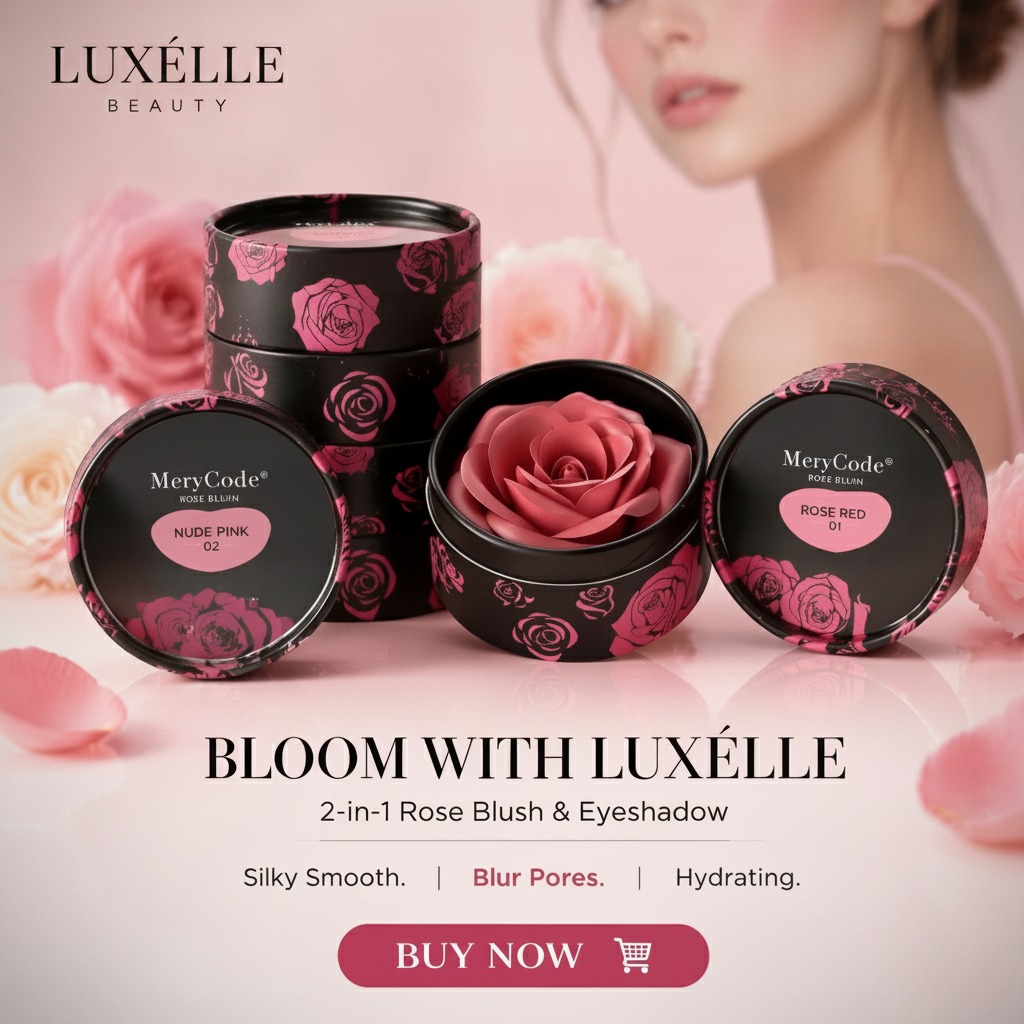
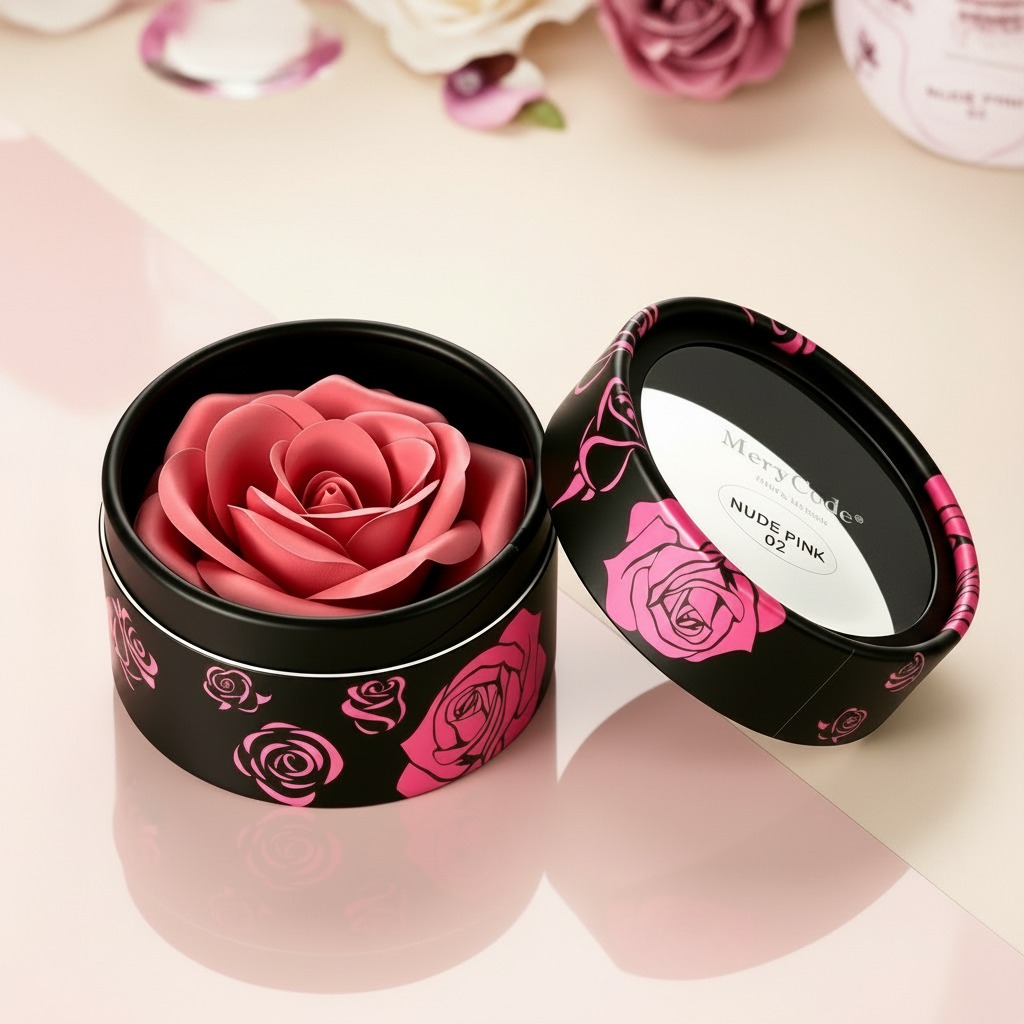
The visible product format here is a round cosmetic jar or compact-style container with a removable lid, branded “Merry Code” and marked “NUDE-PINK 02.” The rose-shaped decorative fill makes the item read as a giftable beauty product rather than a plain utility item. That matters because long-wear claims are sold through experience, but presentation still does a lot of the work at the shelf.
What buyers usually mean by long wear
In practice, “long lasting” can mean a few different things. Some buyers are asking for color that stays visible for hours. Others care about transfer resistance, especially when the blush is worn with base makeup. For private-label programs, the real question is often simpler: will the product still look fresh enough at the end of an ordinary day to feel worth repurchasing?
That answer depends on the formula, but also on the package. A compact or pot that closes poorly can dry out a cream product. A decorative molded insert can crack during transit if the cavity or lid design is too tight. Those are packaging problems that show up on the customer’s face, which makes them retail problems too.
Packaging details that affect cosmetic performance
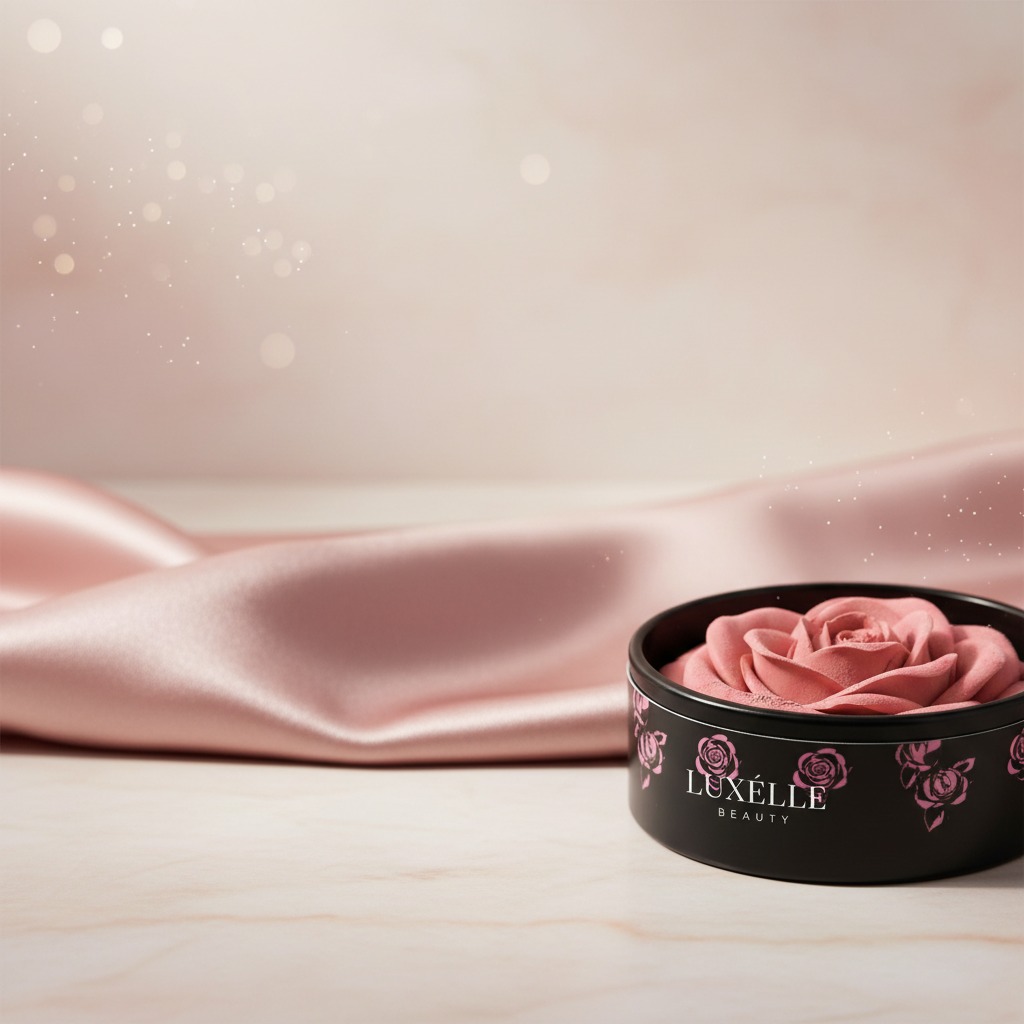
The container shown here has a low-profile round form, a separate lid, and a smooth matte-to-satin black exterior with floral graphics. It looks suited to makeup, skincare, or a decorative solid cosmetic item. The rose-shaped contents suggest a pressed or molded cosmetic presentation, possibly designed for visual impact as much as use.
For a long lasting blush, that kind of presentation can be useful, but only if the package protects the product from crumbling, smearing, or contamination. A compact-style container should be easy to open, stable in a handbag, and consistent enough for repeated daily use. Small details matter: the feel of the lid, the clarity of the shade marking, and whether the product survives being carried around instead of sitting neatly on a vanity.
What to check before approving a design
Buyers usually want to confirm closure integrity, product compatibility with the inner surface, and whether the decorative shape will hold up after repeated use. If the finish inside is glossy or semi-gloss, that may be suitable for one product type and a poor match for another. It is worth asking for samples rather than relying on a render or a single photo. Cosmetic packaging often looks straightforward right up until the first fill run.
Formula and format: where wear time really comes from
Even the best package cannot make up for a weak formula. A blush that claims long wear generally needs good pigment load, balanced slip, and a finish that suits the intended user. Powder blush, cream blush, and molded decorative color products behave differently, so sourcing teams should avoid treating them as interchangeable.
Powder formulas often favor blendability and buildable color. Cream formats may give a fresher look but demand better sealing and tighter handling during filling. Molded or sculpted products, like the rose shape visible here, add merchandising value and may support premium positioning. The tradeoff is that the shape can be more sensitive to breakage, especially if the product is shipped repeatedly or packed in warmer conditions. That is a practical concern, not a theoretical one.
Selection criteria that matter in real sourcing decisions
When comparing options, procurement teams should look at more than the shade name. “NUDE-PINK 02” tells you something about color positioning, but not enough about stability or end-user wear. A better comparison includes package robustness, product protection, visual consistency, and how well the item fits the brand story.
For gift sets or private-label lines, decorative packaging can raise perceived value quickly. For mass retail, the same decoration has to justify itself through manufacturability and low damage rates. That is the tension: good-looking cosmetic packaging must still be practical to fill, store, ship, and open without drama.
Common mistakes when buying long-wear color cosmetics
One common mistake is focusing too much on the shade and not enough on the container. Another is assuming a pretty molded product will remain pretty after distribution. Teams also sometimes overlook how the cap fit affects product freshness. If the closure is loose, the formula may dry out faster than expected. If it is too tight, customers may struggle with opening and reclosing, which is its own kind of failure.
It is also easy to forget that decorative cosmetics live at the intersection of marketing and handling. A rose-shaped blush can sell on sight, but only if the presentation survives the trip from factory to store to vanity.
Practical buyer advice
If you are sourcing a long lasting blush, ask for package samples and filled samples separately. Review how the color reads in daylight, how the closure feels after repeated opening, and whether the finish still looks clean after handling. For branded programs, verify that the shade naming and visual language align with the intended market. A compact marked with a line name like “Merry Code” may signal a certain aesthetic, but the actual retail fit still depends on the audience.
If the goal is a giftable product, the floral print and sculpted rose form are assets. If the goal is everyday carry, durability and sealing matter more than decoration. Most brands need both, but not in equal measure.
FAQ
Is a decorative compact always better for long wear?
No. Decoration helps with shelf appeal, but wear time still comes from formula and package compatibility.
Can a molded rose shape work for blush?
Yes, if the product is designed and packed carefully. The shape adds premium appeal, but it can be more fragile than a simpler pressed format.
What should sourcing teams ask first?
Ask what the product actually is, how it is filled, how the closure performs, and whether the packaging protects the formula over time.
Next step for product teams
Before moving from concept to production, test the shade, the container, and the user experience together. That is the only honest way to judge whether a long lasting blush will feel premium in hand and still perform after a full day of wear. If you are developing a private-label cosmetic line, start with samples, then work outward from there. Cosmetic packaging is never just packaging once it reaches the shelf.