Why buyers keep looking for a long lasting hydrating lip oil
A long lasting hydrating lip oil sits in an awkward but useful middle ground: it needs to feel lighter than a balm, look cleaner than a sticky gloss, and still leave lips comfortable after the initial shine fades. That is why it keeps showing up in beauty assortments, travel sets, and impulse-buy displays. Consumers may not use the same language as formulators or packaging buyers, but they know the problem immediately. They want moisture that lasts, not a product that disappears before the coffee is finished.
For sourcing teams and product managers, the real decision is not just whether a lip treatment looks attractive in a tube. It is whether the pack, fill, and formula can support a repeat purchase. In lip care, the packaging is not decoration. It affects usability, product protection, shelf appeal, and how much of the formula a customer actually feels they can trust.
What the visible packaging tells a buyer
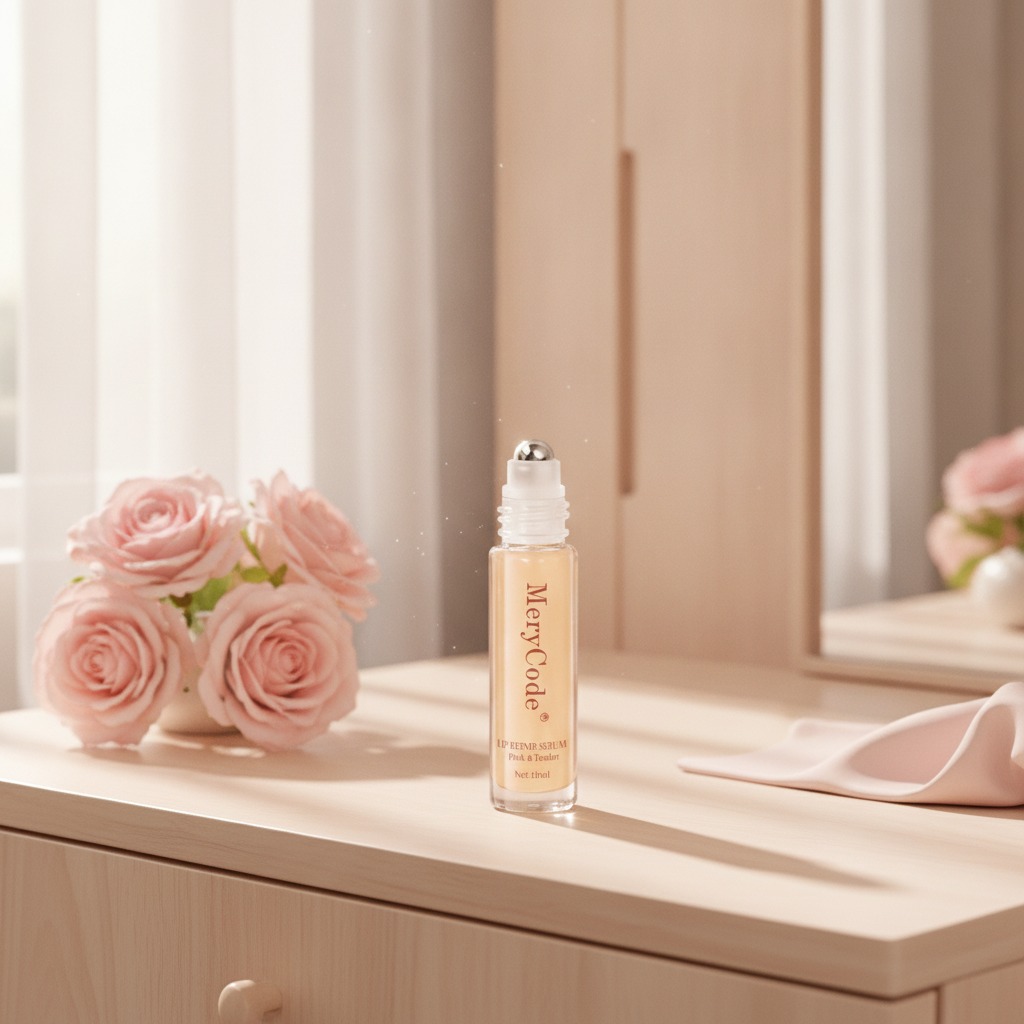
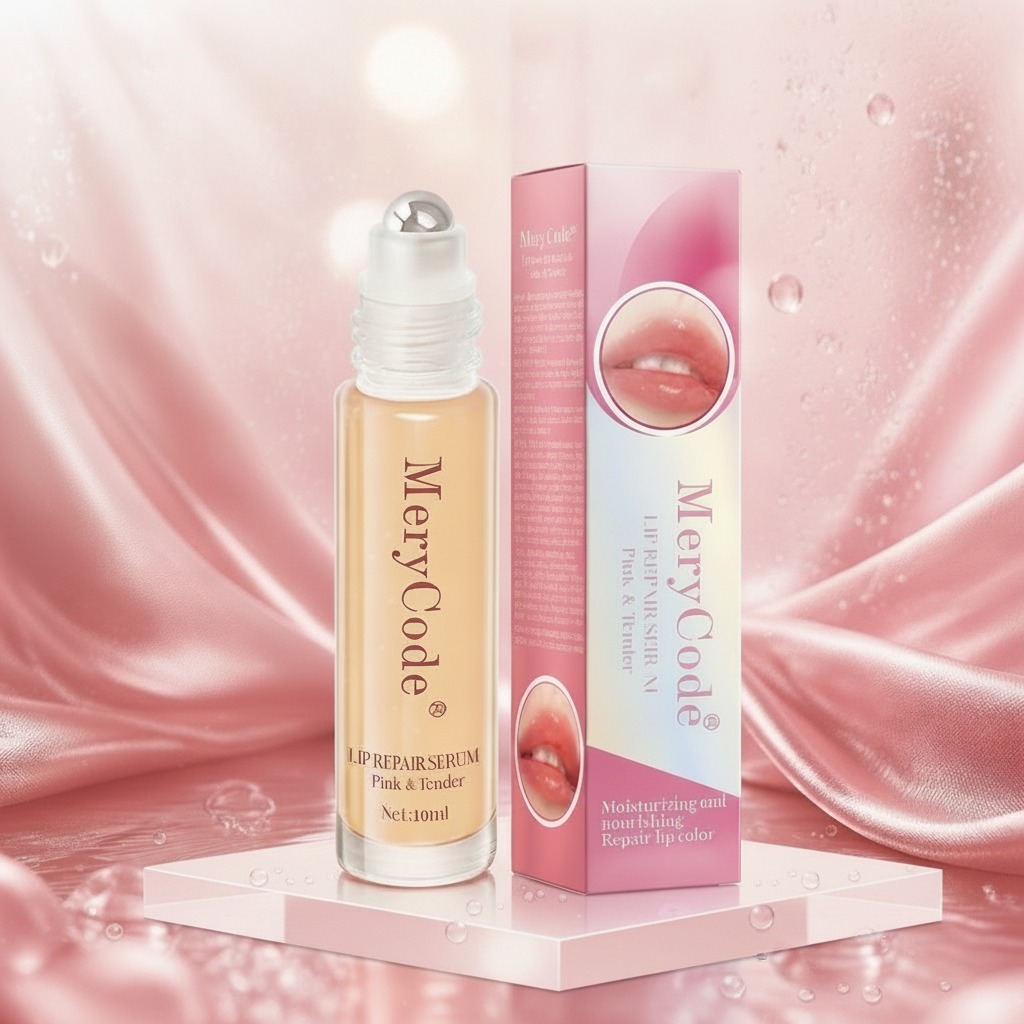
The product shown here is a compact lip care cosmetic in a small cylindrical tube with a clear body and a glossy coral-pink cap. The visible liquid is pale amber or lightly tinted, and the printed label appears to read “LIP REPAIR SERUM,” though the full brand or sub-name is not fully legible. The net content appears to be 10 ml, which is a practical size for portable lip treatment products.
That format matters. A transparent tube lets the customer see the remaining fill level, which can be a small but important confidence cue in beauty retail. It also makes the product look more like a treatment than a conventional colored cosmetic. For buyers, that can be useful when positioning a lip oil for repair, conditioning, or overnight use rather than as a simple shine product.
What makes a lip oil feel “long lasting”
In practice, long wear in lip care is a balance of slip, occlusion, and comfort. If a formula is too light, it may feel pleasant for a few minutes and then disappear. If it is too heavy, customers may describe it as greasy or tacky. Most successful lip oils land somewhere in the middle: enough emollience to reduce the dry, tight feeling on the lips, but not so much residue that the product migrates or feels uncomfortable.
Buyers should be careful with claims here. “Long lasting” is one of those phrases that can mean different things to different shoppers. A formula may not need to stay visibly glossy for hours to satisfy its user. For some consumers, the real benefit is that the lips still feel conditioned after the shine has softened. That is a subtler promise, but often a more believable one.
Format and use case: where this product fits
A small tube like this works well for retail counters, beauty e-commerce, gift sets, and travel-size personal care ranges. It is easy to carry, easy to understand at a glance, and simple to position alongside lip balm, lip gloss, and lip serum. The visible fill also helps with merchandising because the product looks “alive” on shelf rather than hidden in an opaque container.
For consumers, the use case is straightforward: moisturization during the day, a glossy treatment layer over lipstick, or a repair step in a nighttime routine. Whether the formula is ultimately marketed as an oil, serum, or gloss will shape expectations, but the packaging itself already suggests convenience and low-friction daily use.
Buyer checklist: what to evaluate before placing an order
1. Formula compatibility
Liquid lip treatments can be unforgiving if the formulation and container are not matched properly. A formula with a very thin texture may leak or separate visually, while a richer blend may not dispense cleanly. Buyers should ask how the filling line handles the product, and whether the seal, wiper, and applicator system are designed for that viscosity.
2. Packaging durability
The tube looks compact, but small cosmetic packs still need to survive shipping, warehouse handling, and repeated opening. Clear bodies are attractive, yet they also show scratches, scuffs, and residue more readily than opaque packs. That is not necessarily a flaw, but it is worth factoring into your quality expectations for retail presentation.
3. Consumer perception
Labels matter more than many teams expect. If the product is a lip repair serum, the shopper reads it as treatment-first. If it is a lip oil, they may expect more shine and glide. If it behaves like a gloss, customers will judge it differently again. Misalignment between formula, name, and packaging is a common reason products underperform.
Common mistakes in lip oil sourcing
One frequent mistake is overpromising wear. Another is choosing a pack that looks luxurious but is not practical for a fluid lip treatment. A third is forgetting that lips are a highly tactile category: customers notice applicator feel, neck cleanliness, closure strength, and whether the product strings or pools. Those small details can outweigh a polished launch campaign.
It is also worth avoiding vague positioning. Beauty buyers do not need every claim spelled out in dramatic language. They do need consistency. If the product is meant for repair and conditioning, the pack, copy, and merchandising should support that story cleanly.
FAQ
Is a lip oil the same as a lip serum?
Not always. The terms are often used loosely in the market. A serum usually suggests treatment, while an oil suggests glide and moisture. The actual product experience matters more than the label, but the label still sets expectations.
Why use a clear tube?
Clear packaging shows the remaining product and gives the customer a direct view of the fill. It can also make a small-format lip care item feel more premium and more trustworthy.
Does a 10 ml size make sense?
For a lip treatment or lip oil, yes, it can. Ten milliliters is a practical portable format for personal care, especially when the product is positioned for daily carry or travel.
What to ask your supplier next
If you are evaluating a long lasting hydrating lip oil for your line, ask for the exact formulation profile, the closure and applicator details, the filling method, and packaging material confirmation. If the supplier cannot verify those points, proceed cautiously. In lip care, the difference between a fast-turn retail item and a returned disappointment is often hiding in those specifics.
For teams planning a launch, the next step is simple: test the formula in its intended pack, review how it wears after application, and confirm that the packaging supports the story you want the customer to believe. In this category, that alignment is usually what sells the second bottle.