Why a compact like this matters to makeup buyers
A Long lasting makeup setting cake sits at an interesting point in the beauty shelf: it is part product, part package, and part promise. Buyers are not only looking at what the powder does on skin, but also at how the compact opens, how it travels, how the pan presents color, and whether the product feels trustworthy in a crowded cosmetics aisle. That matters for brands, private-label teams, and sourcing managers because a setting product can fail for reasons that have nothing to do with formula alone. A lid that scuffs easily, a hinge that feels loose, or a pan layout that looks messy after a few uses can undermine the whole SKU.

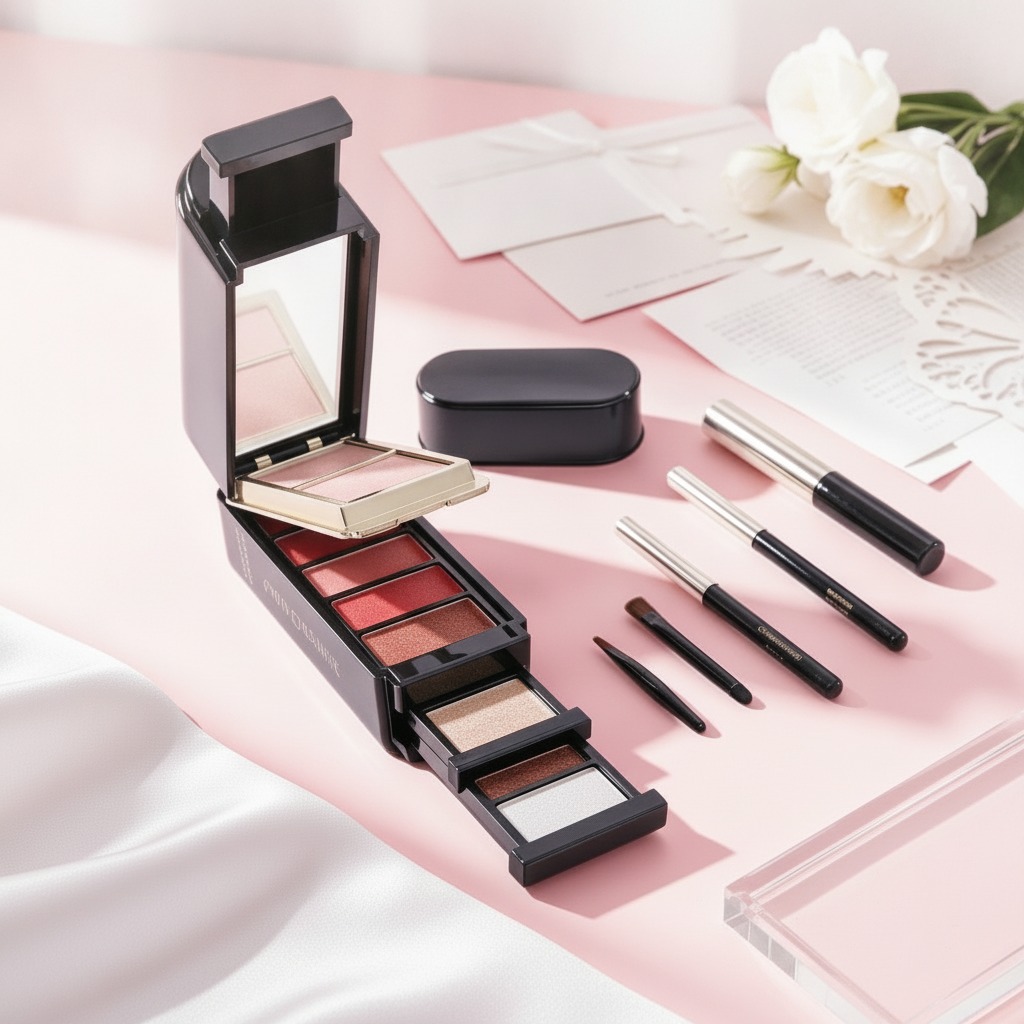
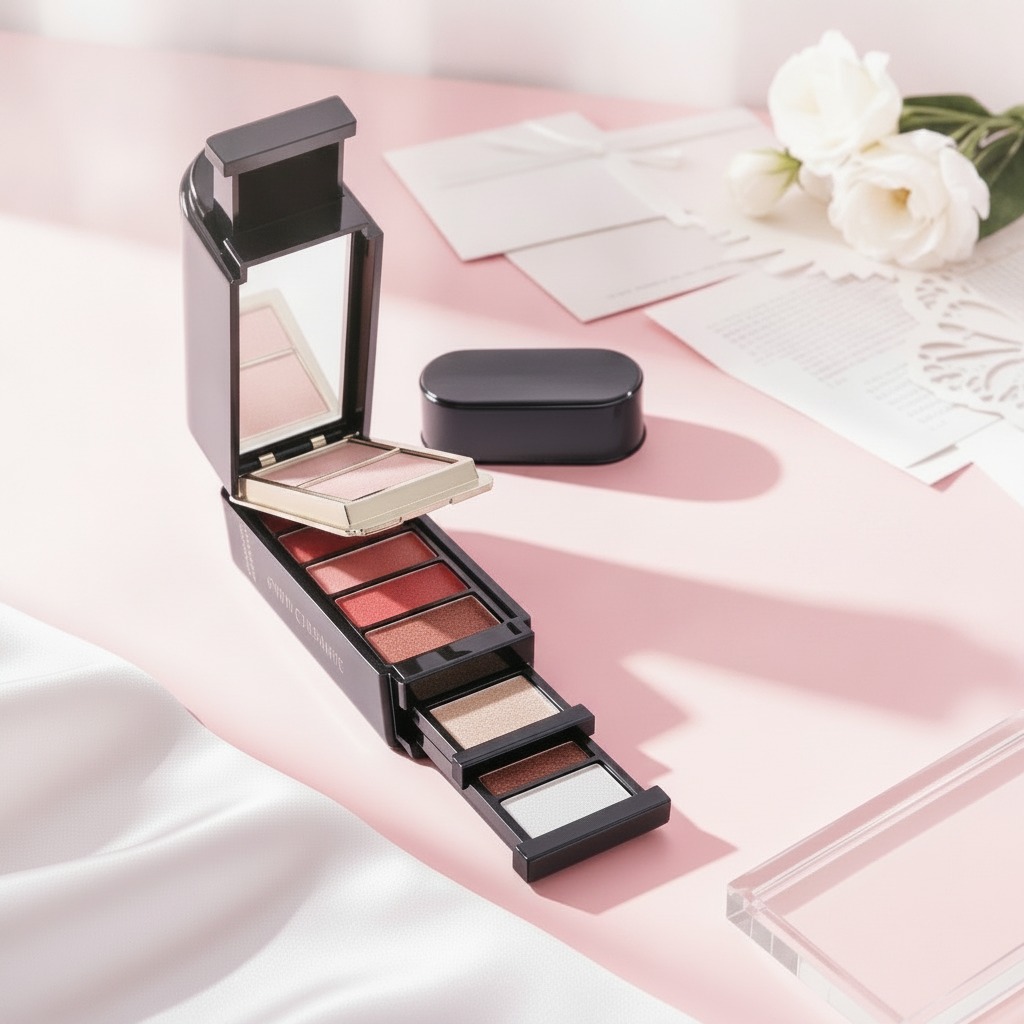
The compact described here is a round cosmetic case with a gold-toned lid, black base, and a hinged closure. Inside is a pressed powder pan divided into pastel mosaic segments, including pink, lavender, mint green, peach, and beige. Even without a named formula, the structure tells you a lot about the intended market. This is not a plain utility powder. It is a visual product, designed for retail presentation, gift sets, and consumers who want more than a single flat shade.
What the format suggests about use
From a manufacturing and merchandising standpoint, a multicolor pressed compact usually signals one of three things: tone correction, finishing, or a decorative complexion product meant to look premium on shelf. The irregular pastel pattern can help communicate softness and versatility. It also gives the buyer a quick read on the product’s positioning. A single-shade matte setting powder says “basic function.” A mosaic pan says “more curated,” even if the formula behind it is still compact and practical.
For end users, the appeal is straightforward. The compact can be used for facial makeup application where a light finishing touch is needed, and the different shades may help with blending or brightening. That said, a buyer should not assume the pan layout guarantees any specific performance. Visual variety is not the same thing as coverage, wear time, or skin-care compatibility. Those claims need formula testing, not packaging intuition.
Packaging details that affect buying decisions
The gold-and-black color scheme gives the compact a formal, almost jewelry-box feel. That matters in beauty because the consumer often reads packaging before reading the ingredient list. A decorative lid with an embossed or cutout-style emblem can elevate perceived value, but it also adds complexity to tooling and decoration. The more decorative the top surface, the more attention needs to go into consistency across production runs. If the emblem is shallow or the finish shows fingerprints, the premium effect can disappear quickly.
The hinged clasp is another practical point. For a pressed powder compact, the closure needs to feel secure without becoming awkward to open. Too loose, and the product feels cheap. Too stiff, and it frustrates daily use. This is one of those small details that sourcing teams sometimes underestimate until consumer feedback starts coming back.
How brands and buyers should evaluate a setting powder compact
1. Product positioning
Decide whether the SKU is meant to be a mass-market everyday powder, a giftable beauty item, or a more specialized color-correcting compact. The mosaic pan suggests higher visual appeal, so it may fit best in a retail environment where presentation matters.
2. Compatibility between pan and formula
Pressed powders with multiple shades in one pan can look elegant, but they also need good mechanical integrity. Segment edges should hold up during shipping and normal brush use. If the formula is too soft, the distinct colors may blur together. If it is too hard, pickup can become uneven.
3. Packaging durability
For a product intended to travel in handbags or makeup kits, the case should close reliably and protect the pan from cracking. Round compacts are common for a reason: they are familiar, easy to stack, and generally comfortable to handle. Still, the hinge and latch are where many issues show up first.
Common mistakes in this category
One common mistake is overinvesting in appearance and underinvesting in day-to-day usability. A decorative lid may photograph well, but if the mirror fogs, the pan dusts excessively, or the clasp wears out, the consumer experience drops. Another mistake is assuming that a multicolor pressed powder will automatically read as premium. In some markets it will; in others, buyers want a cleaner, simpler visual language. Context matters.
There is also a sourcing caution worth repeating: do not infer claims from the packaging alone. A pastel mosaic pan may suggest brightening or correcting behavior, but it does not prove it. Before committing to a launch, request formula specifications, filling process details, and stability data from the supplier. If those are not yet available, treat the item as a packaging-and-concept opportunity rather than a finished performance claim.
Practical advice for sourcing and retail teams
If you are evaluating a compact like this for a beauty line, ask for samples that show both filled and unfilled presentation. Check how the lid finish behaves under handling. Verify whether the pan pattern remains visually distinct after pressing, shipping, and opening cycles. And if the product is meant for private label, pay close attention to how the compact will sit next to neighboring SKUs; a bold decorative case can help a brand stand out, but only if the rest of the line feels coherent.
For teams building a seasonal or promotional gift set, this type of compact can work well because it already feels complete and giftable. For a core replenishment item, the question is stricter: does the design help repeat purchase, or does it simply attract first-time attention? That distinction is often where the business case is won or lost.
What to ask before you order
Before placing a purchase order, ask for the exact product category, formula type, case material, and decoration method. Confirm whether the compact is refillable, whether the mosaic pattern is functional or decorative, and how the product is packed for shipment. Those are basic questions, but they prevent expensive assumptions later.
If you are sourcing a Long lasting makeup setting cake for retail, promotion, or private label, the next step is simple: request a full specification sheet and a production sample. That is the fastest way to separate a good-looking concept from a product that will actually hold up on the shelf and in the customer’s bag.