What the MeryCode project is really about
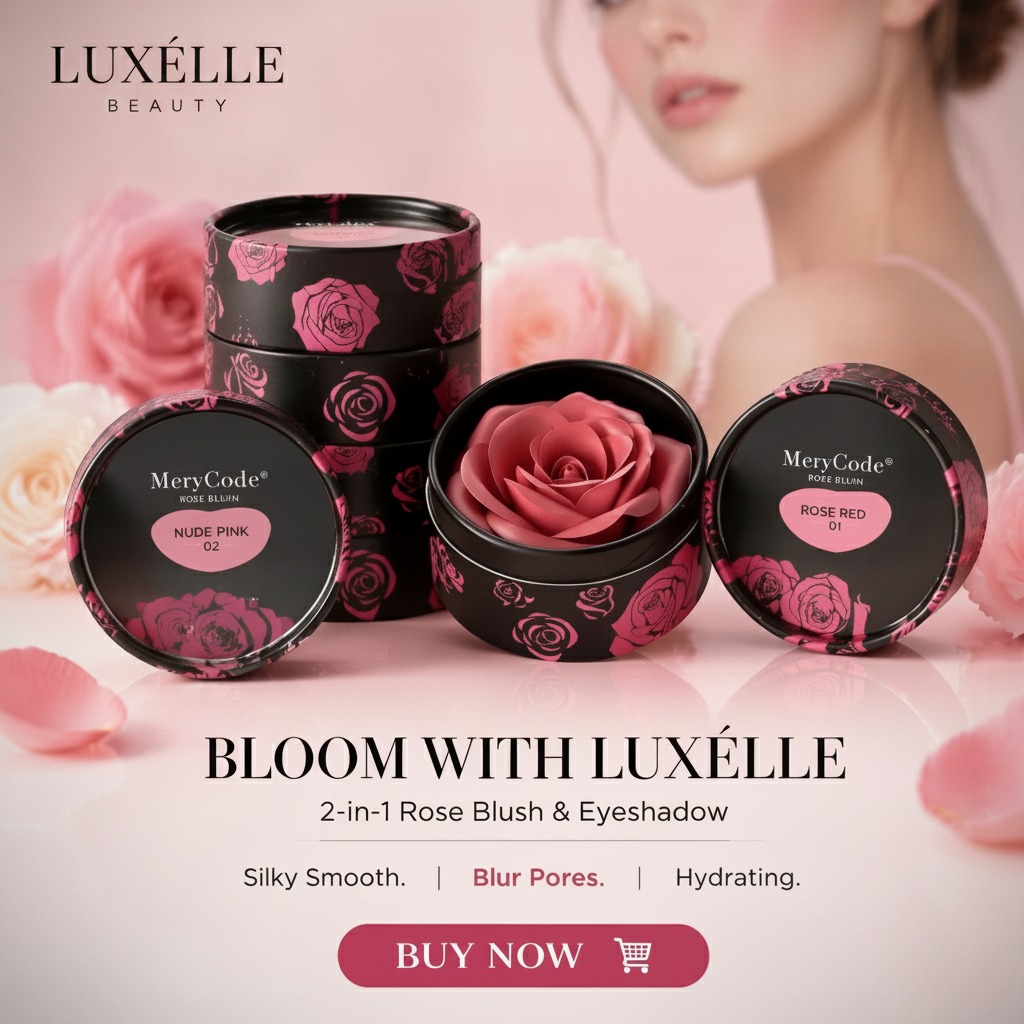
The MeryCode project sits in a part of packaging that buyers often underestimate until the sample arrives on the desk. A round, rigid presentation box with a rose-themed exterior and a matching lid is not just a container; it is part of the product story. In retail, that matters. A gift box for a preserved flower, a cosmetic set, a jewelry piece, or a small boutique item has to do more than hold contents securely. It has to suggest value the moment someone touches the lid.
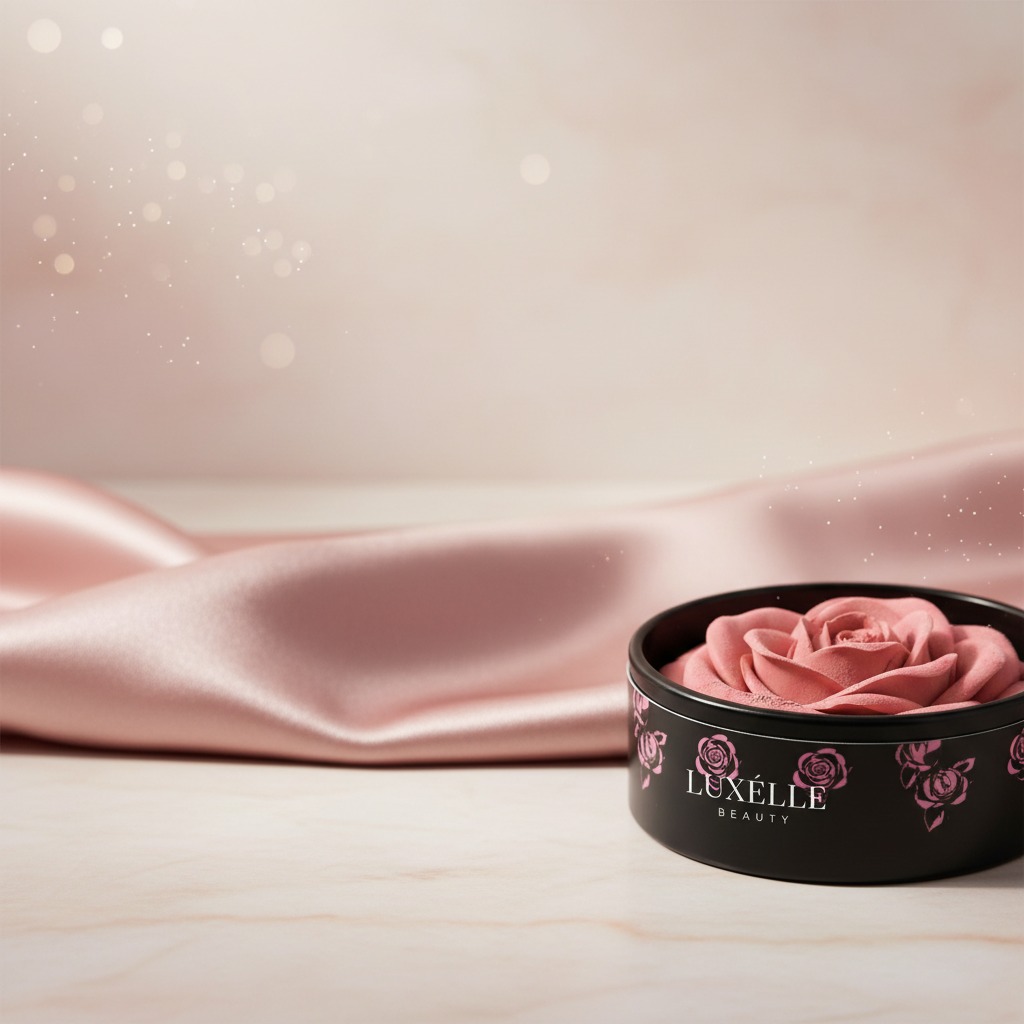
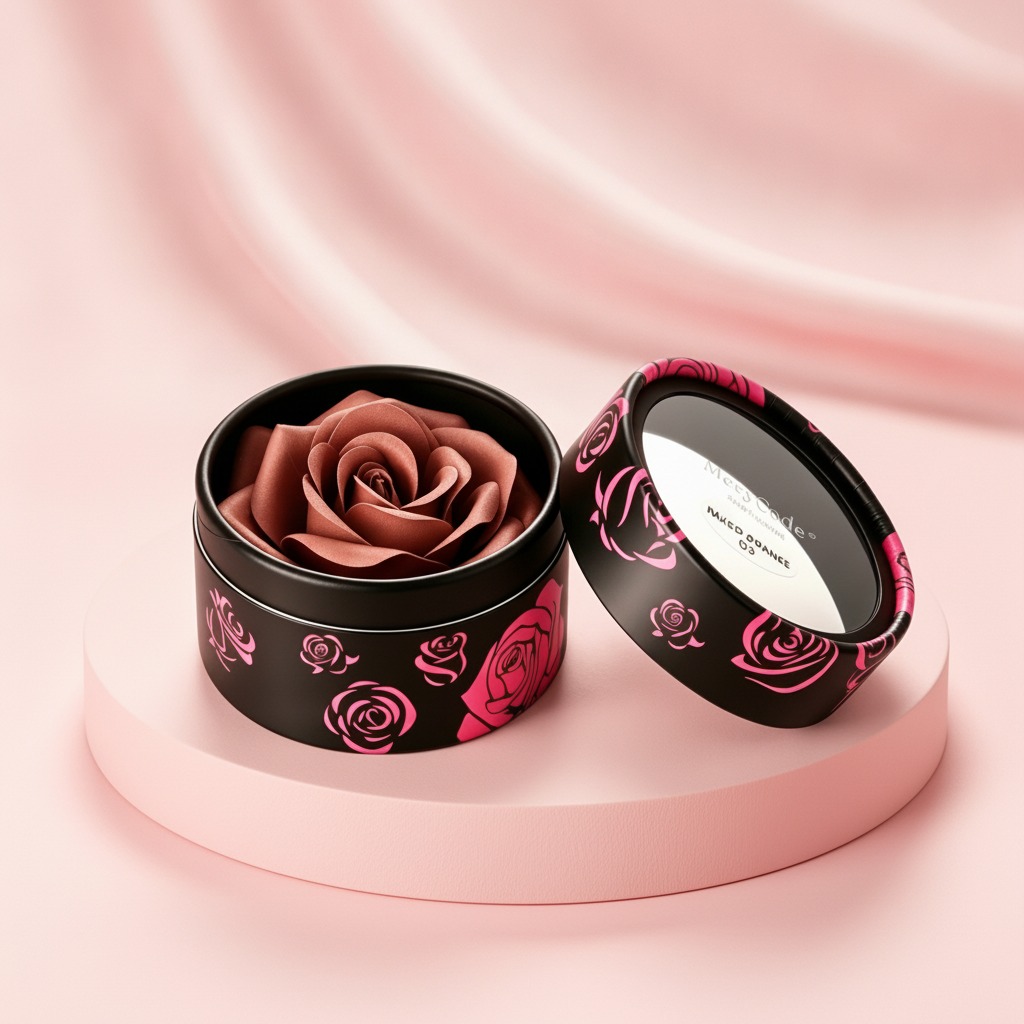
From the available product details, this design appears to be a compact cylindrical presentation box with a dark matte or satin finish, printed rose graphics, and a coordinated rose-shaped fabric insert inside. The visual effect is soft and deliberate: black outer walls, pink floral artwork, and a pale interior that frames the insert like a display stage. That combination is exactly why decorative rigid packaging keeps showing up in seasonal gifting and premium retail programs.
Why this type of packaging matters to buyers
For sourcing managers and product teams, the decision is rarely just “box or no box.” It is whether the packaging supports the item’s price point, shelf presence, and unboxing experience. A plain carton can protect a product, but a rigid decorative box can carry the emotional work. That is especially true for Valentine’s Day goods, boutique accessories, floral gifts, and small keepsake items where the outer package is part of the perceived value.
The MeryCode project format also reflects a practical advantage: round presentation boxes tend to feel more gift-like than standard rectangular cartons. They read as intentional. There is a slight theatrical quality to the shape, which is useful when the contents are delicate or sentimental. Buyers should keep in mind, though, that decorative formats can add complexity in packing, stacking, and shipping. They look elegant on a counter and less elegant when squeezed into a crowded freight carton.
Key features to evaluate
Rigid structure and presentation value
The product description suggests a rigid paperboard box or a metal tin-like structure, though the exact material is not confirmed. That uncertainty matters. A rigid paperboard box and a metal tin can both deliver premium presentation, but they behave differently in production, printing, and cost. Buyers should ask early whether the build needs a paperboard wrap, printed tin surface, or another decorative finish.
Floral graphics and coordinated insert
The rose graphics on the exterior are not just decoration; they are part of the merchandising logic. They signal use case immediately. The matching rose-shaped insert inside reinforces that message and can help the package function as a display piece, not merely storage. If the insert is intended to hold a preserved flower or an artificial floral element, the fit and compression of the petals should be checked carefully. A beautiful insert that shifts in transit becomes a quality issue very quickly.
Compact cylindrical format
Round boxes are efficient in one sense and awkward in another. They create a distinct brand shape, but they are not always as carton-friendly as square formats. If the MeryCode project is intended for retail programs, it is worth asking whether the package must nest well, whether multiple units can be packed tightly, and how much headroom is needed above the insert.
Common mistakes buyers make with decorative gift boxes
One common mistake is assuming the visual sample tells the whole manufacturing story. It rarely does. Print quality, surface finish, lid fit, and insert stability can vary widely between a photo and a production run. Another mistake is overlooking how the box will be handled after assembly. If the contents are fragile or the product is meant for e-commerce, the outer beauty has to survive actual logistics, not just showroom lighting.
A practical caution: floral-themed packaging can drift into over-decoration if the print, color, and insert all compete for attention. The best versions are balanced. They feel composed rather than busy.
How to decide whether this format fits your project
Use the MeryCode project concept when the product needs emotional appeal, a gift-ready look, or a premium display moment. It is a natural fit for small luxury items, seasonal gifting, boutique cosmetics, keepsakes, and floral presentation sets. It is less suitable when the priority is low cost, high-volume stacking efficiency, or long-distance shipping with minimal packaging risk.
Before moving forward, buyers should confirm a few basics: the exact box material, closure method, insert construction, print method, and whether the design needs to be reusable. If the insert is intended for a preserved flower or a fabric bloom, ask how it is secured and whether movement during shipping could deform the petals.
Practical next step for sourcing teams
If you are evaluating a packaging concept like this, start with function before artwork. Ask for a sample that reflects the intended contents, not just the shell. Check whether the lid sits evenly, whether the floral insert stays centered, and whether the printed surface still looks clean after handling. That is where decorative packaging either earns its place or becomes an expensive lesson.
For teams building a Valentine’s line, a boutique gift set, or a premium floral presentation, the MeryCode project is worth studying because it shows how shape, print, and insert design can work together. The final choice will depend on your product, your handling requirements, and how much presentation value you need the box itself to carry.