Why dry lips are still a product problem, not just a comfort issue
A moisturizing lip oil for dry lips sits in a category that looks simple from the outside and gets complicated very quickly once you start comparing formulas, textures, and claims. Buyers, product teams, and private-label brands are usually trying to solve more than one problem at once: visible dryness, uncomfortable tightness, a dull surface finish, and the need for a product that feels pleasant enough to use repeatedly. If a lip product is too greasy, too sticky, or too thin to stay in place, users stop reaching for it. That is the commercial risk, not just the cosmetic one.
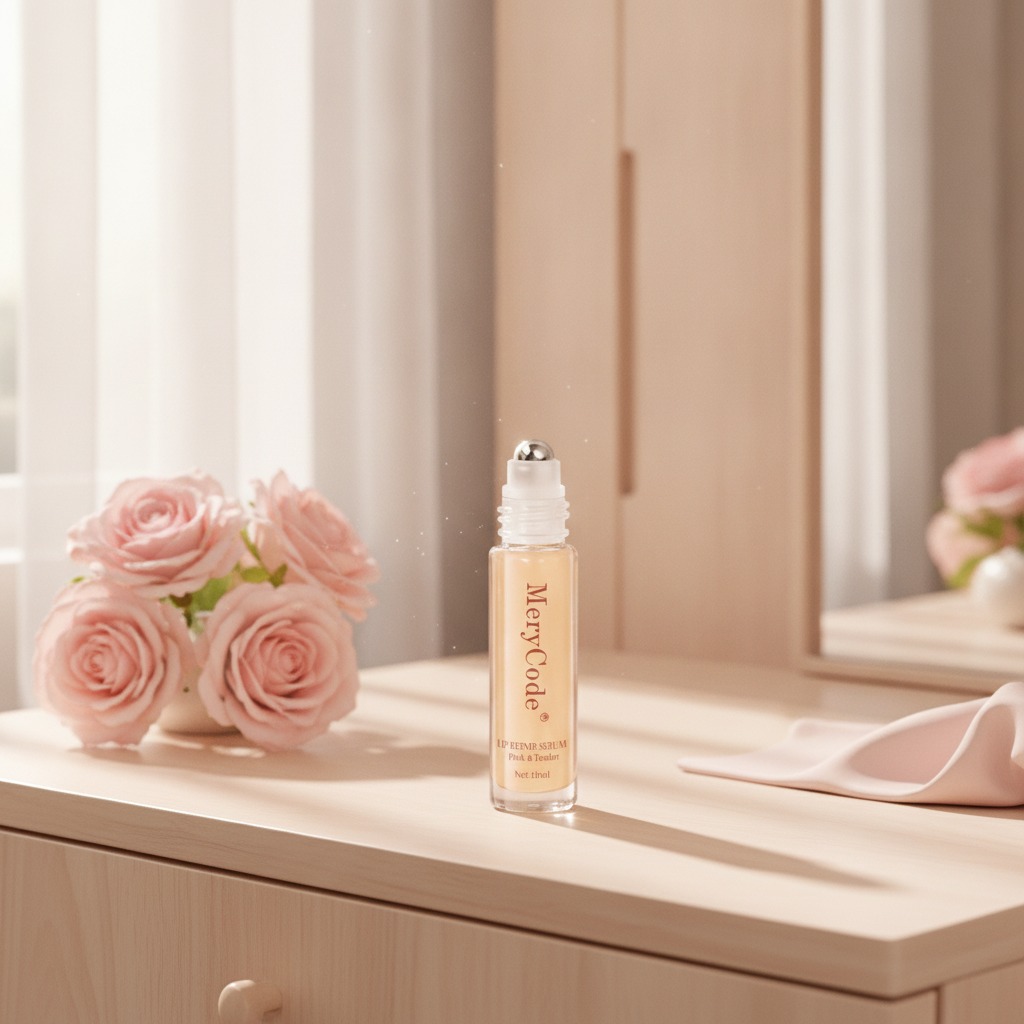
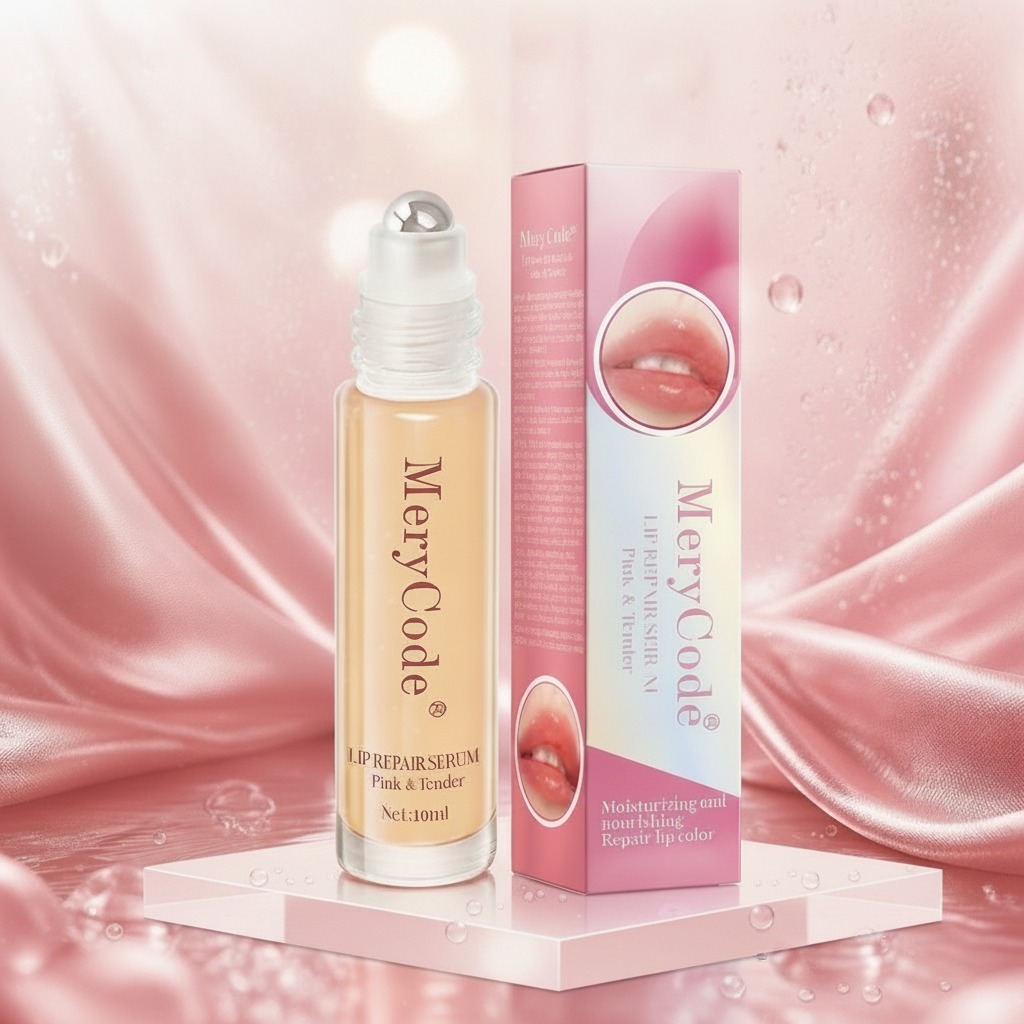
The image and product notes point to a lip care cosmetic with a glossy finish, described as a lip repair serum, non-sticky, and ultra-hydrating. That combination is familiar in modern lip care. It suggests a formula meant to bridge treatment and appearance: part moisture support, part shine. For sourcing teams, the real decision is not whether lip oil sounds appealing. It is whether the formula can deliver a comfortable film, a visible glow, and enough wear to make the claim credible in daily use.
What this product type is trying to do
Dry lips are vulnerable because the skin barrier in that area is thin and exposed. Wind, low humidity, frequent talking, cosmetic overuse, and even aggressive cleansing can leave lips looking rough or dehydrated. A lip oil, serum, or gloss-serum hybrid is usually designed to reduce that dry appearance and soften the surface with emollients and occlusive support. In practical terms, it should spread smoothly, cling without pooling, and leave a reflective finish that looks fresh rather than waxy.
The visible product description points to a translucent pink liquid or gel-like film with a high-shine result. That matters because the sensory profile is often what makes or breaks repeat purchase. A buyer may like the idea of “deep hydration,” but the end user notices much smaller details: whether the applicator deposits evenly, whether the product migrates, whether it feels comfortable under lipstick, and whether the lips still look decent after an hour in a dry office or outdoors.
Quick reference: what to evaluate before buying or developing
For a category like this, formulation choice matters as much as marketing language. A practical review usually starts with four questions: does it moisturize visibly, does it stay non-sticky, does it leave a glossy finish, and does it fit the intended use case—daily care, overnight repair, or a cosmetic top layer. If the answer is unclear on any one of those points, the product can end up occupying an awkward middle ground.
There is also a subtle point many teams miss: a high-shine lip product can look more hydrating than it actually is. Gloss reflects light well, and users often equate that with repair. But the formula still has to perform. If the product flashes shine for ten minutes and then disappears, the consumer may treat it as decoration rather than care.
Common formula and finish considerations
Texture
The visible film described here is smooth and viscous, with no graininess or matte drag. That is usually a good sign for user acceptance. In this category, uneven texture is hard to forgive because the lips amplify every flaw.
Stickiness
“Non-sticky” is a practical selling point, not just a marketing phrase. Sticky lip products can be acceptable in some gloss segments, but for dry-lip care, they often feel clumsy. Buyers should still ask how the claim is being defined, because a formula can feel non-sticky in a lab panel and still behave differently in cold weather or when layered over lip color.
Moisturizing profile
The product notes mention moisturizing ingredients and ultra-hydration, though exact actives are not supplied. That means the smart sourcing approach is to request the full formulation brief rather than assume the label language tells the whole story. A lip oil may rely mainly on emollients, or it may combine multiple cosmetic ingredients to support softness and slip. Those are not interchangeable choices.
Selection criteria for brands and sourcing managers
When comparing suppliers or concepts, look beyond the shine. Ask how the formula behaves on naturally dry lips, not just on prepared test panels. Check whether the finish is glossy but controlled, since overly mobile products can bleed beyond the lip line. Consider whether the product is intended for daytime use, overnight use, or a hybrid role. A repair serum that also works as a gloss may have wider appeal, but only if the sensory profile stays balanced.
Packaging also matters, even though it is not visible here. Applicator type, wiper design, and fill stability can change the user experience as much as the base formula does. A good formula in a poor dispenser is still a weak product.
Buyer caution: don’t let “repair” do too much work
One practical warning: repair language can drift into territory that sounds medicinal if it is not handled carefully. In cosmetic lip care, it is safer to keep claims focused on moisture, comfort, gloss, and appearance unless substantiated data supports something stronger. For private label and contract manufacturing, that distinction saves time later.
Another small caution is seasonal performance. A product that feels rich in one climate may seem heavy in another. Dry-lip consumers in winter often want more cushion; in warmer months, they may prefer a lighter film. That is one reason lip oils and serum-gloss hybrids keep growing: they can be positioned as flexible, everyday care rather than a single-purpose balm.
FAQ: what people usually ask before choosing a lip oil
Is a lip oil better than a balm? Not always. Balms can feel more protective, while oils often win on shine and slip. Which is better depends on the desired user experience.
Can a glossy formula still work for dry lips? Yes, if the product is built with enough moisturizing support and does not disappear too quickly.
Should brands prioritize serum language or gloss language? That depends on the market. “Serum” suggests treatment and care; “gloss” signals finish. Many products try to sit between the two because that is where consumer demand often lives.
What a good next step looks like
If you are sourcing or developing a moisturizing lip oil for dry lips, start by requesting the full formulation details, finish description, and intended claim structure. Then compare texture, wear, and packaging together instead of treating them as separate decisions. In this category, the product that wins is usually the one that feels comfortable enough to use twice a day and looks good enough that users keep it in rotation.
That may sound basic, but in lip care, basic is where the market actually is.