Natural shine lip oil: what buyers are really choosing
A natural shine lip oil sounds simple, but sourcing teams know it sits in a crowded middle ground between color cosmetics and basic lip care. Buyers are usually trying to solve more than one problem at once: they want visible sheen, a comfortable non-sticky feel, and some level of conditioning for dry or tired lips. In retail, that mix matters because the product has to look appealing on shelf and still deliver a routine-use benefit after the first swipe.
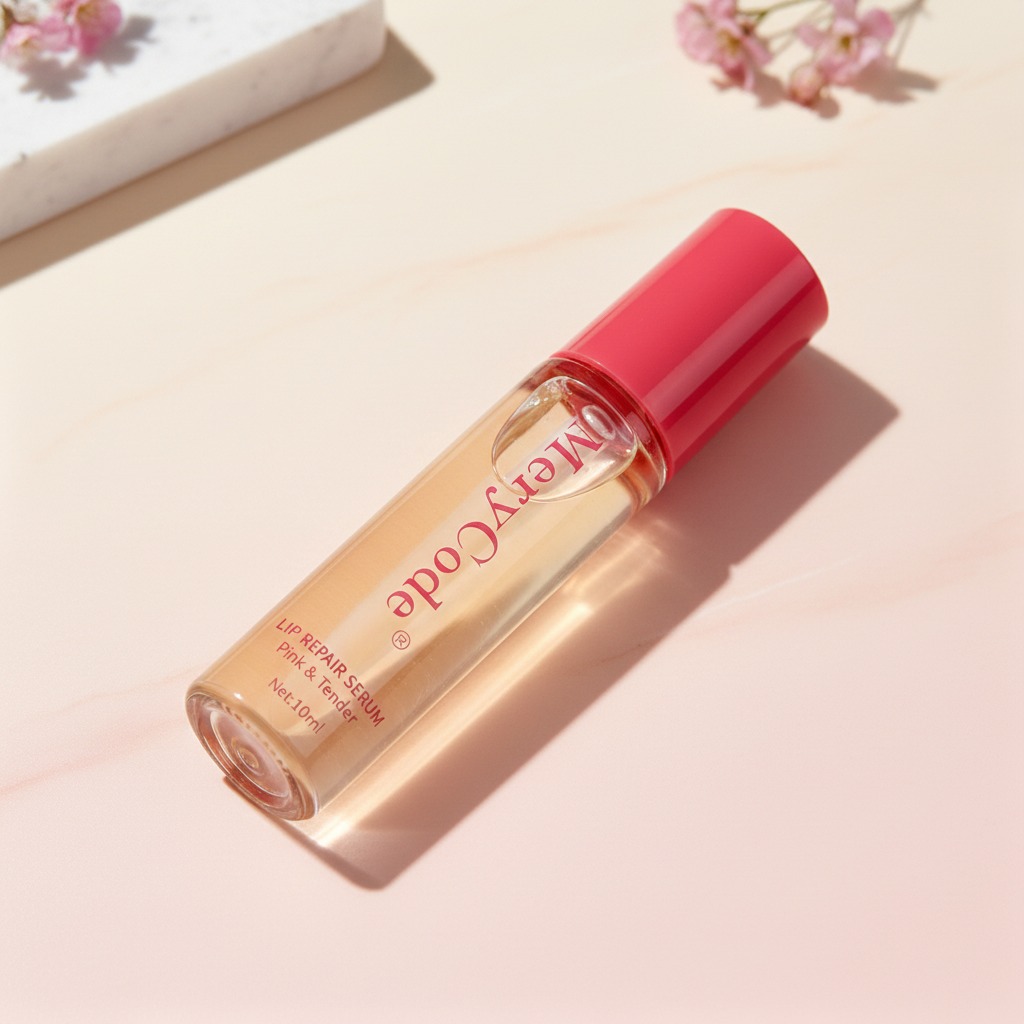
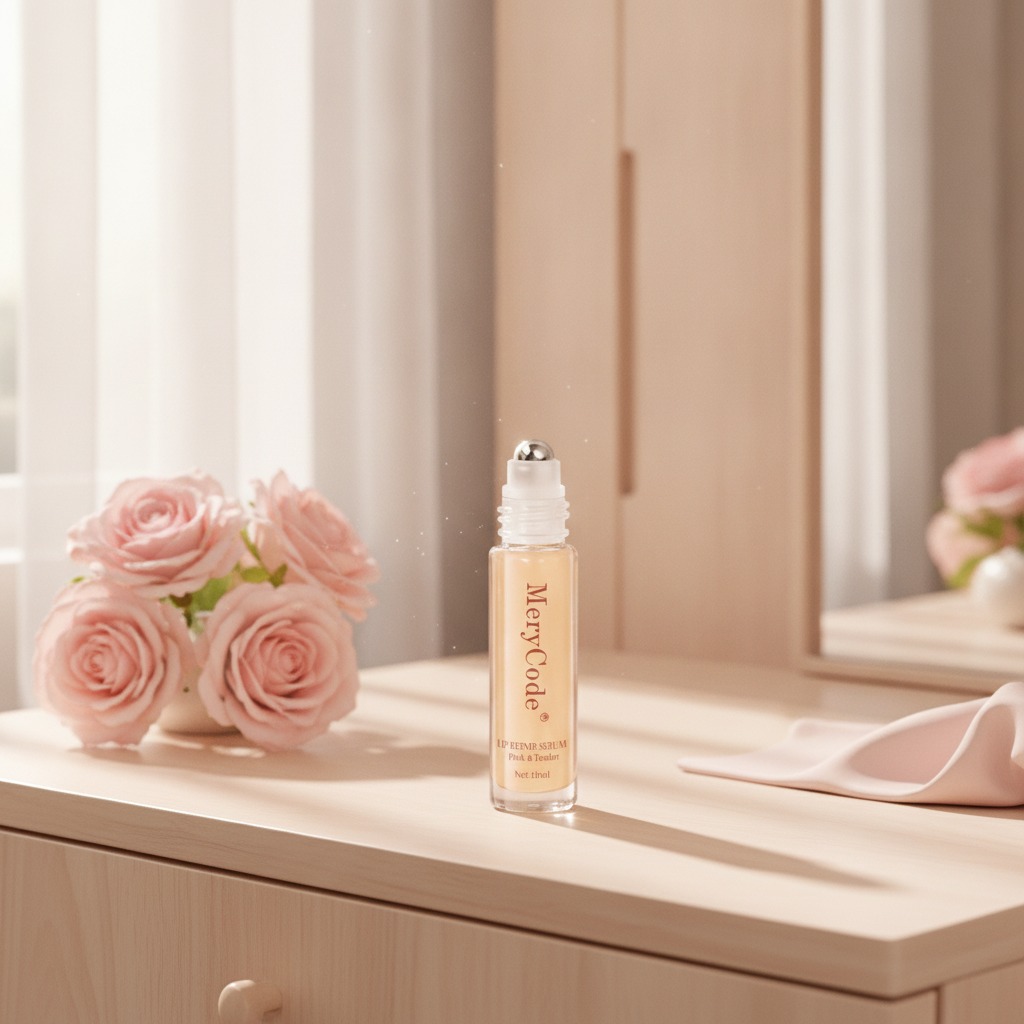
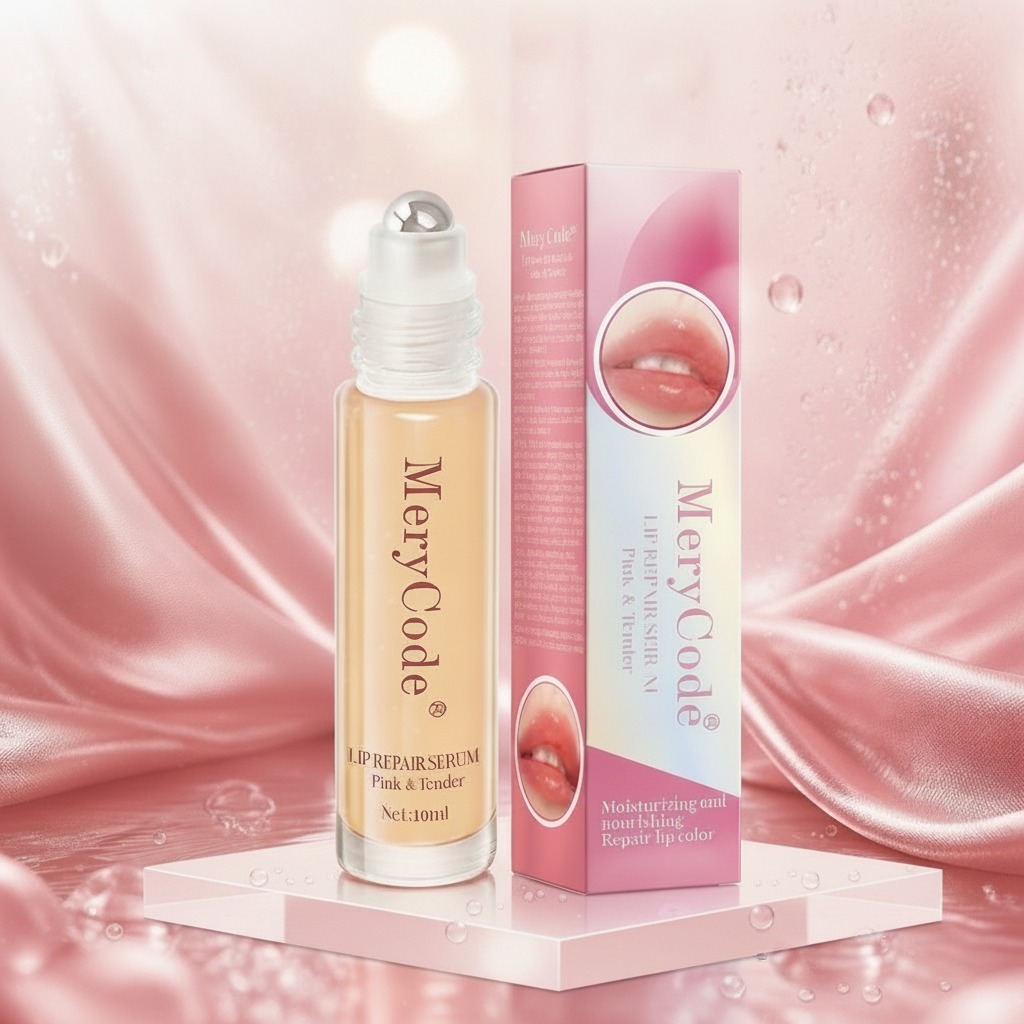
From the product details provided here, the visible item sits in lip care cosmetic territory, closer to a lip repair serum or lip oil treatment than a traditional glossy lipstick. The bottle is a clear cylindrical format with a bright red cylindrical cap, and the liquid inside appears light amber or pink. The label reads Merrycode, LIP REPAIR SERUM, Pink & Tender, with Net: 10ml. That tells a buyer a fair amount about packaging and positioning, even before formula specifics are known.
Why this category keeps selling
Lip care is one of those categories where appearance and function are inseparable. Customers may say they want shine, but what they often mean is “make my lips look healthier without feeling heavily made up.” Natural shine lip oil products work well in that space because they can present as a treatment while still delivering a cosmetic finish.
For brands and private-label buyers, that dual role is useful. A lip oil can sit in daily care, gift sets, travel formats, or beauty aisles where consumers expect something lighter than a balm and softer than a lacquer. The 10 ml net content shown here is also a practical retail size: large enough to feel generous, small enough for handheld packaging and sampling programs.
Quick reference: what to look at before you buy
With this type of product, the buying decision usually comes down to a few visible and manufacturing-side questions:
Packaging format: clear bottle, cap style, and whether the presentation suits premium or mass retail.
Product identity: lip oil, lip repair serum, or hybrid treatment, since that affects customer expectations.
Fill volume: 10 ml is a useful benchmark for value perception and shelf efficiency.
Formula behavior: glide, residue, and shine level, which should be checked with samples rather than assumed.
Label clarity: brand name, product name, and net content need to read cleanly in both online listings and physical retail.
What the visible packaging suggests
The clear body and glossy red cap suggest a display-friendly cosmetic package. That kind of presentation helps when the product is meant to be seen through e-commerce thumbnails, gift sets, or open-shelf merchandising. A transparent container can also make the fill level and liquid tone part of the product story, which is often useful in lip care because consumers associate visible clarity with freshness and cleanliness.
Still, one practical caution: packaging that looks premium in a product photo does not automatically hold up in shipping or daily use. Buyers should confirm closure security, leakage resistance, and material compatibility with the formula. The image alone cannot tell you whether the bottle is glass or plastic, and that matters for drop resistance, perceived quality, and cost structure.
How buyers should evaluate formula claims
The visible naming points to repair and conditioning, but the exact ingredients are not supplied here, so it would be a mistake to assume active performance claims. In this category, the safest commercial approach is to separate what is visible from what must be verified. If a supplier says a lip oil is moisturizing, nourishing, or repair-focused, ask for the formula basis behind that language and the supporting documentation they can actually provide.
For sourcing managers, the real question is whether the product behaves like a lip treatment or just looks like one. That means reviewing texture, shine persistence, tackiness, and wear comfort. A good natural shine lip oil should feel easy to reapply, not migrate too quickly, and not leave an unpleasant film. Those are small details to shoppers, but they drive repeat purchase.
Common buyer mistakes
One mistake is over-reading the packaging. A polished bottle and a reassuring product name do not guarantee a stable formula or a market-ready filling process. Another common error is underestimating the importance of the applicator, even though it is not visible in the supplied data. In lip care, applicator feel can shape the user’s first impression almost as much as the formula itself.
Buyers also sometimes treat all shine products as interchangeable. They are not. A true lip oil, a repair serum, and a gloss-style treatment can occupy different price bands and customer expectations. If the product is going to be sold as daily care, the messaging should stay consistent with how it performs on lips, not just how it photographs.
Practical advice for retail and private-label teams
If you are sourcing a product like this, ask for sample units and check them under normal lighting, not just studio conditions. Look at the cap fit, the fill appearance, and whether the liquid stays visually consistent after handling. For e-commerce, the transparent bottle and strong cap color can be an advantage; for premium counters, the same design may need secondary packaging to feel finished.
If the goal is to build a lip care line, a natural shine lip oil can work as an entry product, an add-on item, or a companion to a repair balm. The 10 ml format makes it flexible. Just avoid promising too much until the formula is verified. In this category, credibility is built less by adjectives and more by the product behaving cleanly in use.
FAQ
Is natural shine lip oil the same as lip gloss?
Not necessarily. Lip gloss is usually chosen for appearance first, while a lip oil or repair serum is often expected to add comfort and conditioning as well.
Can this kind of product be used at night?
Yes, many lip oil and lip repair serum products are used as overnight lip treatment, but the actual suitability depends on the formula and the user’s preference.
What should a buyer confirm before ordering?
Confirm the formula type, packaging material, closure performance, labeling accuracy, and whether the product positioning matches your channel.
Next step for sourcing teams
If you are reviewing a natural shine lip oil for retail or private label, start with samples and packaging verification, then move to formula documentation and shelf positioning. The bottle can win the first glance; the texture and reliability decide whether the product earns a place in the line.