Why buyers care about a non-sticky lip oil
A non-sticky lip oil sits in an awkward but commercially important middle ground. It needs to feel lighter than a balm, look more polished than a basic treatment, and avoid the tacky drag that consumers notice immediately. For brands, that balance matters because lip products are judged in seconds: one bad first impression on the applicator, one unpleasant film after application, and the repurchase rate can slip fast.
That is especially true for products positioned as a lip repair serum or a gloss-style treatment. The customer wants moisture, a soft shine, and a formula that behaves cleanly in daily use. They do not want hair sticking to the lips, a heavy coating, or a greasy after-feel. So if you are sourcing, developing, or merchandising this category, the real question is not simply “Does it moisturize?” but “Does it feel easy to wear long enough for repeat use?”
What the packaging tells you about the product
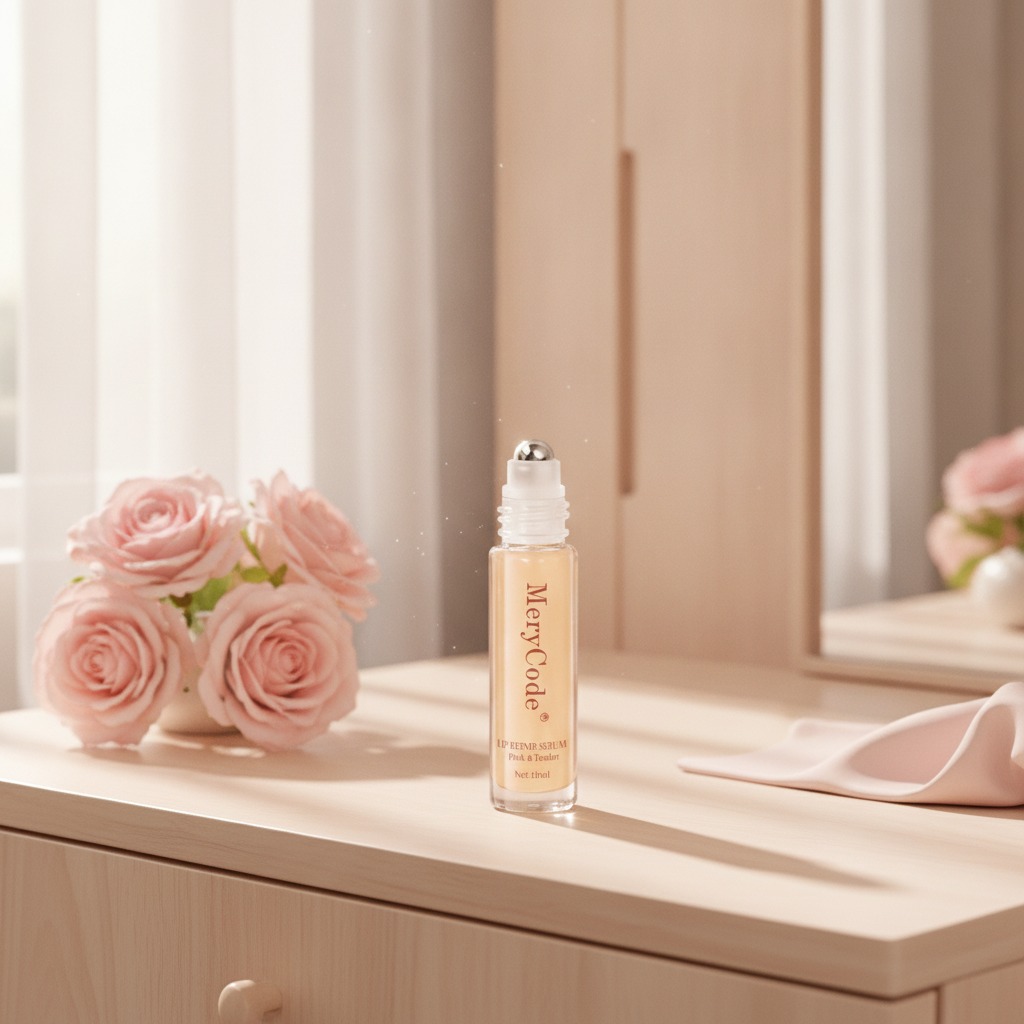
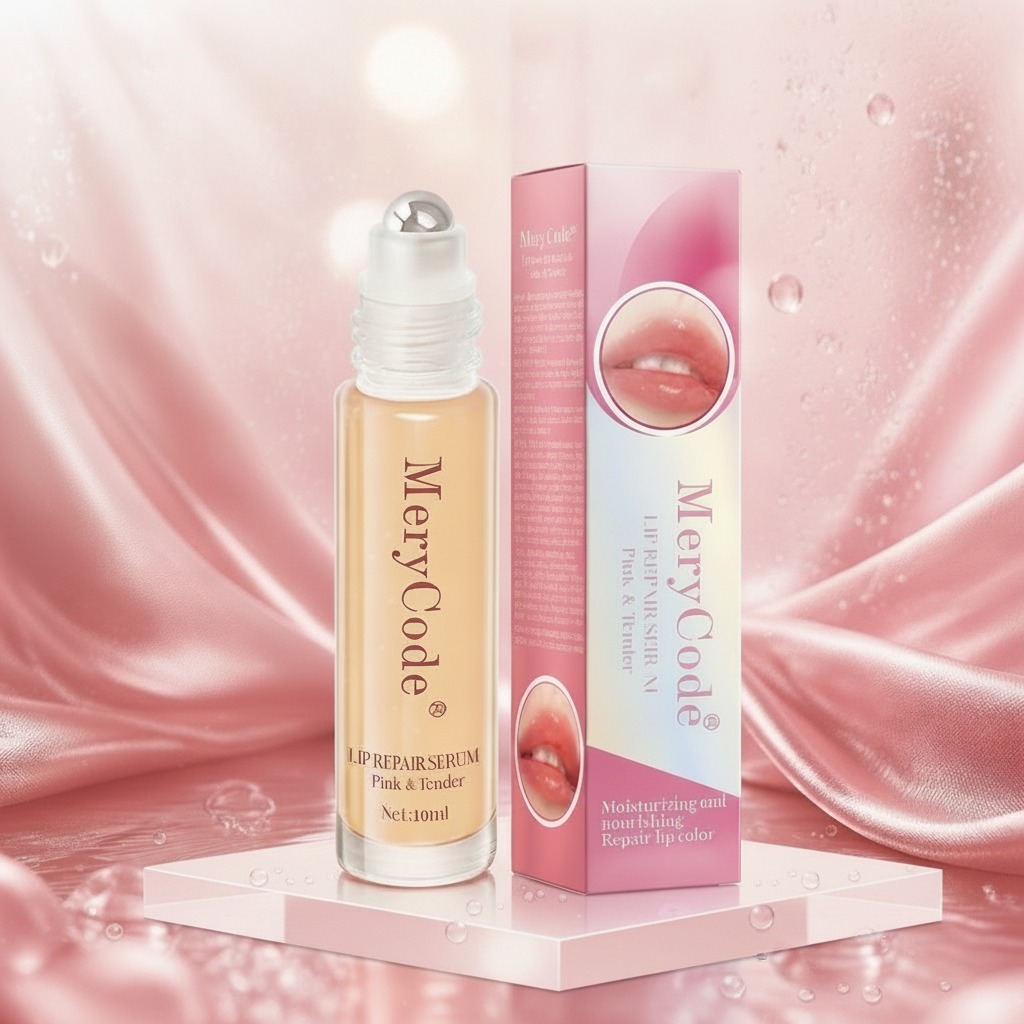
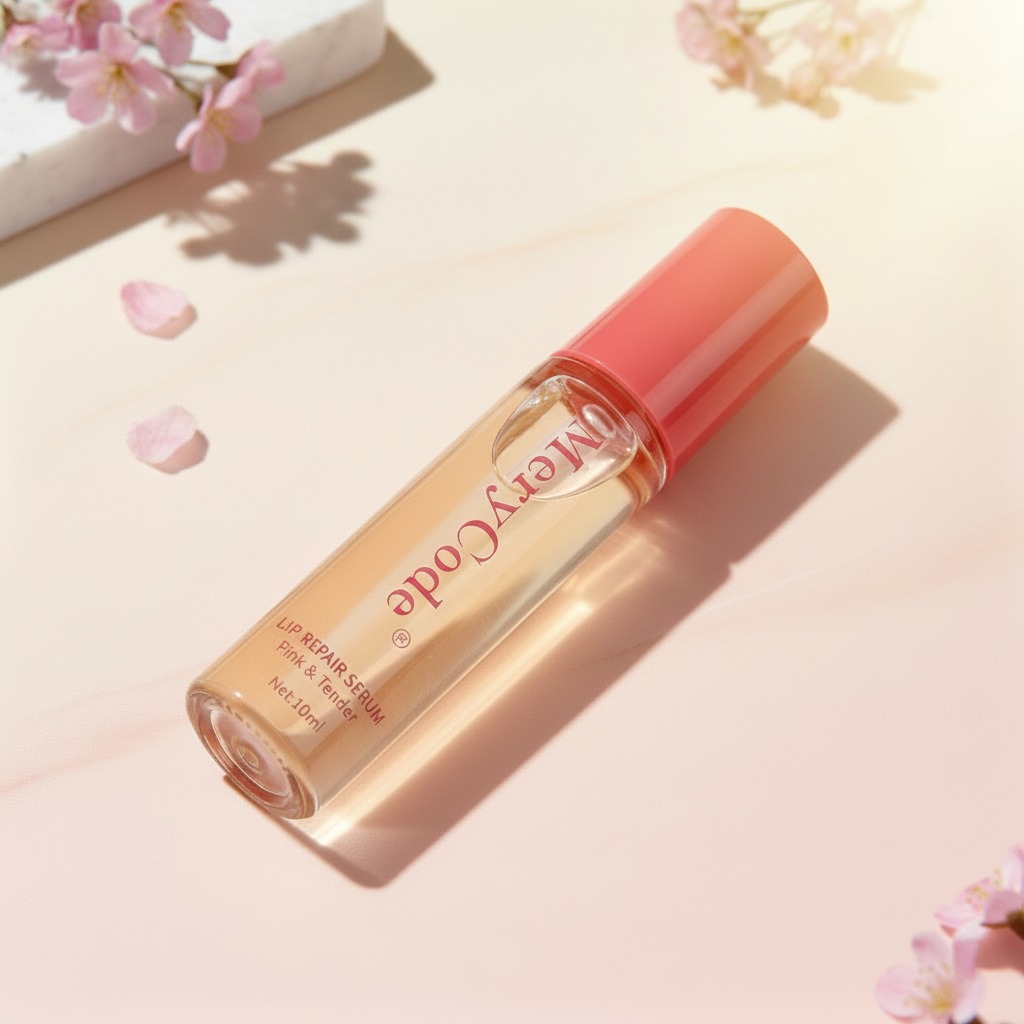
The visible example here is a slim, travel-size lip care cosmetic labeled “LIP REPAIR SERUM” with the name “Merrycode” and the variant “Pink & Tender.” The pack shows a 10 ml fill, which is a practical size for retail counters, gifting, and portable personal care sets. The clear cylindrical container with a glossy red-pink cap suggests a product meant to read as fresh, simple, and premium without heavy decoration.
That kind of packaging choice is not just aesthetic. In lip care, small-format containers reduce the barrier to trial, and transparent bodies let buyers see the fill level and formula tone. For a lip oil or serum, that visual cue can be a selling point, especially if the liquid has a pale amber or tinted appearance. Still, buyers should remember that the package alone does not confirm ingredient profile, applicator design, or the product’s actual sensory finish.
Non-sticky feel: what usually creates it
In formulation terms, “non-sticky” is mostly about how the oil system, emollients, and film-formers interact on the lips. A smoother glide, lower tack, and a lighter residue can come from careful balance rather than from simply using less oil. Too much viscosity and the product feels gummy. Too little structure and it runs, feathers, or disappears before the user is satisfied.
For buyers, the practical lesson is simple: do not judge the formula by shine alone. A glossy finish can still be comfortable, and a modest sheen can still feel sticky if the base is poorly built. Ask for sensory panel feedback, use testing notes from the supplier when available, and pay attention to wear behavior over time, not just initial slip.
Where this category fits in a lip care lineup
Non-sticky lip oil products are often sold between three more familiar buckets: balm, gloss, and treatment serum. That position gives them a lot of merchandising flexibility. They can be framed as everyday hydration, as a layering product over lipstick, or as a nighttime care item depending on texture and packaging.
For a brand team, that flexibility is useful but also risky. If the formula is too glossy, it may be compared with color cosmetics. If it is too treatment-like, consumers may expect stronger repair claims than the product can safely support without substantiation. The label “lip repair serum” implies care and conditioning, but buyers should stay cautious about making medical-style promises unless supported by proper documentation.
What engineers and sourcing teams should check
Formula behavior
Look at spreadability, residue, and the point at which the product starts to feel tacky. A formula that seems elegant in a sample bottle can behave differently once packed at scale, especially if temperature shifts or ingredient variability alter viscosity.
Package compatibility
For a 10 ml travel-size container, compatibility between the liquid and the container material matters more than many teams expect. Some liquids can stress seals, cloud certain plastics, or change in appearance over time. If the bottle is rigid plastic or glass, verify compatibility early rather than after artwork approval.
Application experience
Even without knowing the exact applicator type here, the user experience should be evaluated around one question: does it deposit a controlled amount? A lip care product that floods the lips feels messy, especially in a non-sticky format where consumers expect precision.
Common mistakes when sourcing this kind of product
The biggest mistake is assuming “non-sticky” means universally liked. Different markets read shine, slip, and coating differently. Another common problem is overpromising repair. Dry lips, chapped lips, and cosmetic comfort are valid marketing territories; clinical repair claims are a different matter and should be treated carefully.
Packaging is another place where teams can overreach. A slim, hand-held tube looks attractive, but if the closure is weak or the dispense is inconsistent, the product feels cheap very quickly. In this category, the user notices handling defects before they notice the back label.
Buyer advice for private label and retail teams
If you are building a product line around a non-sticky lip oil, start with the customer use case. Is this a daily conditioner, a gloss substitute, or a travel-friendly treatment? That choice should guide texture, viscosity, color tone, and pack size. A 10 ml format works well for impulse retail and compact beauty kits, while a more indulgent line may need stronger shelf presence and a clearer sensory story.
Ask suppliers for sample lots that reflect production intent, not just bench samples. Then test them under realistic conditions: warm storage, pocket carry, and repeated opening. A formula can seem excellent on day one and still fail on day five if the pack and fill are not aligned.
Quick FAQ
Is a non-sticky lip oil the same as a lip serum?
Not exactly. The terms overlap in the market, but serum usually implies a treatment angle, while lip oil emphasizes feel and finish.
Why does stickiness matter so much?
Because it affects comfort, wear time, and whether consumers come back for a second purchase.
Can a product be glossy and still feel light?
Yes. That is often the goal in this category, though it depends on formulation and applicator control.
What to do next
If you are evaluating a non-sticky lip oil for launch or sourcing, treat the formula and the package as one system. The visible product example here shows a compact, retail-friendly lip repair serum concept, but the commercial success will depend on sensory performance, fill consistency, and how honestly the product is positioned. Get those three things aligned before you commit to artwork, inventory, or a wider rollout.