Why portable lip care packaging has become a real buying point
A portable mini lip oil is no longer just a small beauty item tucked into a handbag. For many brands, it sits at the intersection of convenience, shelf appeal, and repeat use. That matters because lip care is one of those categories consumers buy quickly, test often, and replace without much hesitation if the format feels easy enough to use.
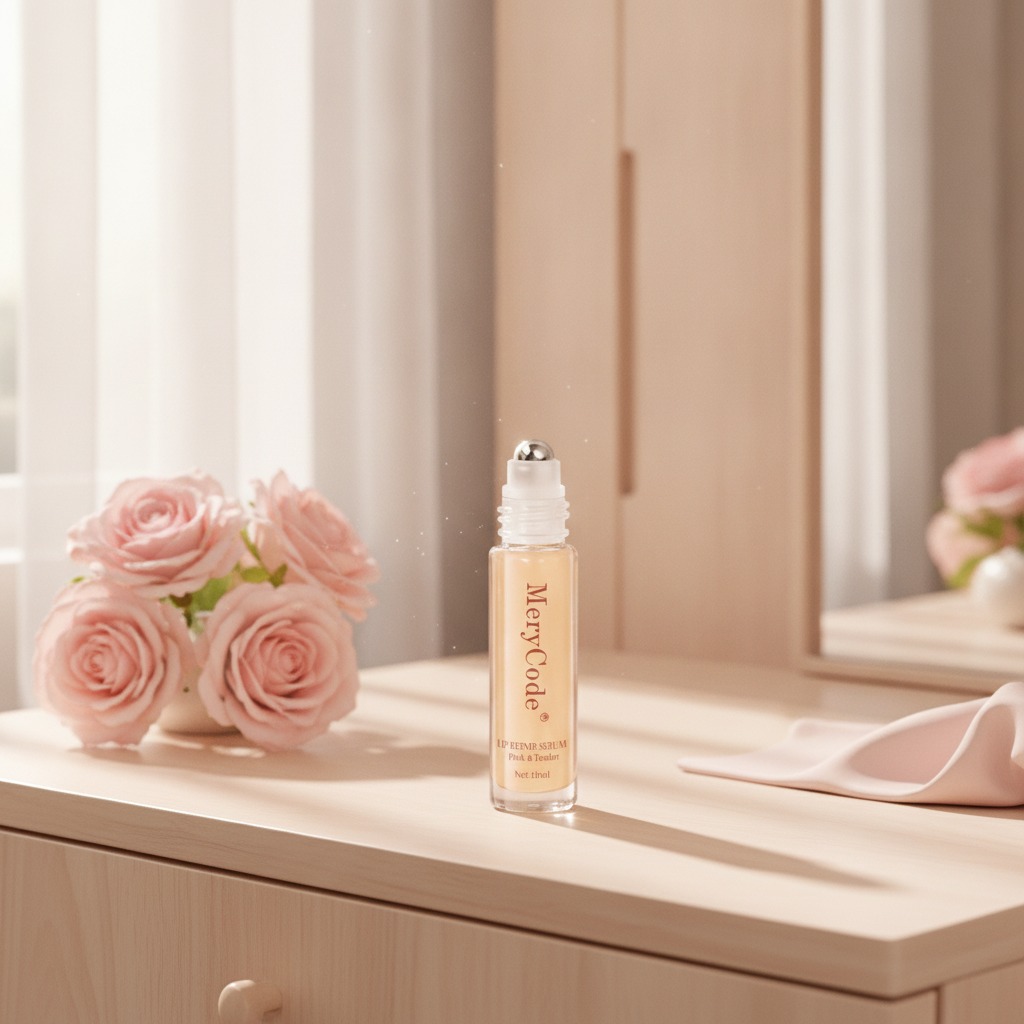
The product shown here sits closer to a lip repair serum or lip treatment kit than a simple decorative gloss. The packaging points to a moisturizing and nourishing formula, with the kind of slim, travel-friendly profile that buyers in retail beauty, private label, and gift sets tend to look for. If you are evaluating this type of product, the main question is not just how it looks on a shelf. It is whether the format supports daily use, protects the liquid during handling, and gives enough perceived value to justify a purchase.
What the package tells you at a glance
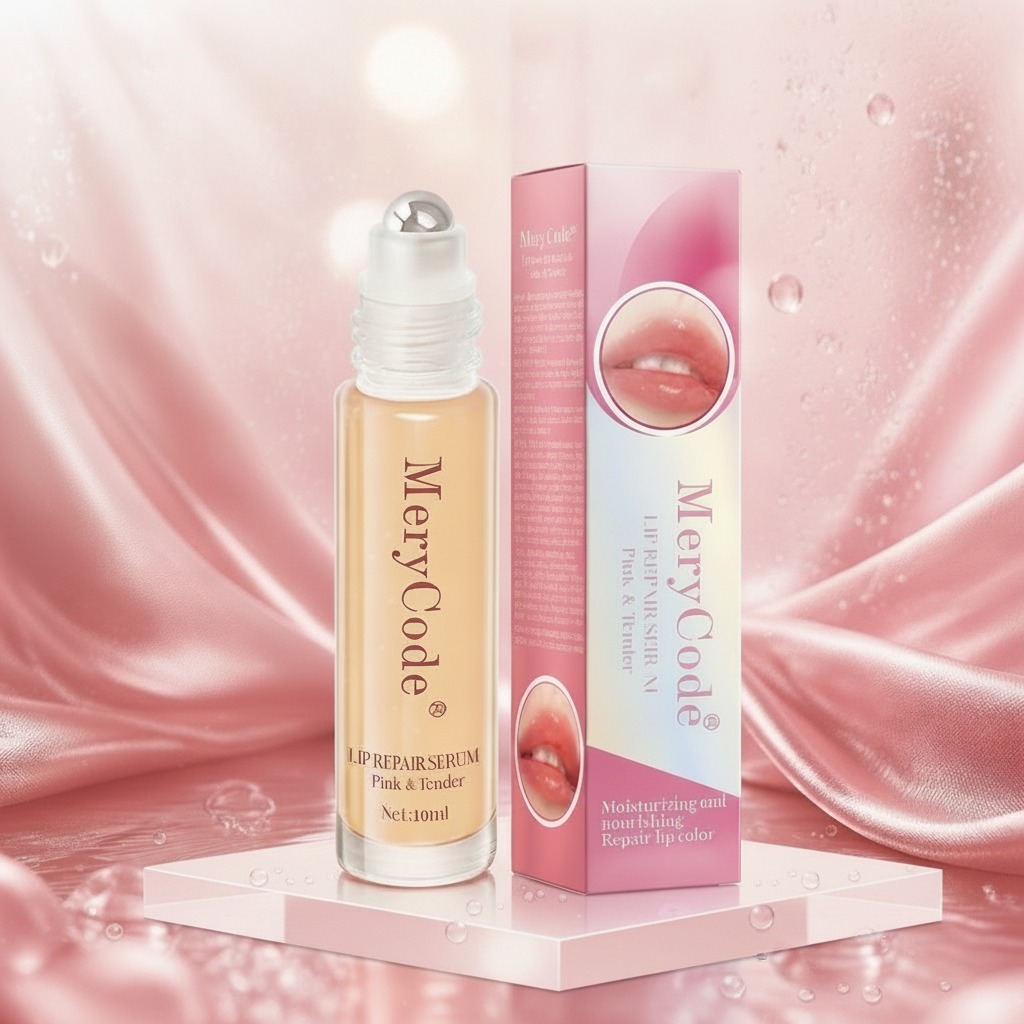
The visible product appears to be branded as “MeryCode Lip Repair Serum Pink & Tender” and “The Complete Repair Kit.” Two small cylindrical bottles are shown, each with a net content of 10 ml. One bottle has a pink cap, while the other shows a roller-ball style applicator top. The carton uses pink, white, and gradient graphics with lip imagery, which is a common visual language in cosmetic lip care because it signals softness, hydration, and femininity without needing a long explanation.
For sourcing teams, those details matter because they reveal how the product is being positioned: portable, retail-ready, and easy to carry. The “spill-proof packaging” claim printed on pack is especially relevant in this category. Buyers know that lip serums and oils are often judged as much by packaging reliability as by formula performance. A leaky cap or loose neck fit can quickly turn a low-cost beauty item into a complaint-heavy one.
Why this format works for lip care sales
Small lip treatment formats do several jobs at once. They are easy for consumers to keep in a pocket or makeup bag, they support impulse purchase behavior, and they can be bundled into gift sets or promotion packs without much complexity. The tall, slim shape also gives a brand more vertical presence in retail packaging than a flat tube might, which can help the product stand out on a crowded shelf.
There is also a practical side. A roller-ball applicator, if properly matched to the formula, can make a lip serum feel cleaner and more controlled than a finger-applied balm. That sounds minor, but in beauty packaging it often decides whether a product feels premium or disposable. Still, buyers should be cautious: a neat applicator design is only useful if the filling viscosity, sealing method, and neck finish are compatible. Otherwise the product may look polished and still perform poorly in transit.
Key factors to evaluate before buying or private labeling
1. Bottle size and usage expectation
The visible 10 ml net content per bottle suggests a modest-volume lip care product. That is often enough for daily consumer use, but it also shapes how the item is marketed. A 10 ml format feels more like a treatment or serum than a quick disposable sample. For buyers, that makes it suitable for retail shelves, online bundles, and travel-friendly sets.
2. Closure and dispensing style
The exposed roller-ball applicator top is one of the most important details here. It suggests a controlled application method and a more premium user experience than a standard squeeze tube. But it also introduces packaging risk. The neck, cap, and seal must match well enough to avoid leakage and evaporation. In cosmetic packaging, that is a basic requirement, not an optional upgrade.
3. Carton design and shelf presentation
The printed paperboard carton adds retail value and helps communicate claims like “moisturizing and nourishing” and “repair lip color.” For wholesalers and brand owners, carton quality affects both transport protection and perceived price point. A thin carton can make the product feel promotional; a more structured box can support a cleaner premium read.
Common mistakes buyers make with mini lip oil products
One common mistake is treating all lip care liquids as interchangeable. They are not. A serum, an oil, and a gloss may look similar in a photo, but they often need different packaging behavior and different customer messaging. Another mistake is overcommitting to visual appeal while underchecking closure integrity. A shiny cap and attractive carton are useful, but they do not compensate for poor leak resistance.
Buyers should also avoid assuming that a compact format automatically means high turnover. Portable cosmetics do well when the price, image, and function line up. If the product claims repair or nourishment, the packaging should reinforce that with a clean, stable, and easy-to-use delivery system.
Practical buyer guidance
If you are sourcing a product like this, ask for clear confirmation of fill volume, packaging structure, and whether the applicator system is intended for a liquid serum or a thicker oil. The visible product suggests a cosmetic lip treatment kit, but formula details are not shown, and that distinction affects compatibility. Ask for samples that can be checked for leakage, cap fit, and shipping durability. It is a simple step, though one that gets skipped too often when buyers are focused on artwork and branding.
For brands building a portable lip care line, this format is a useful model because it balances convenience with shelf visibility. It works well for daily lip care, on-the-go moisturizing, and retail beauty sales. The real decision is whether you want the product to behave like a utility item or a giftable beauty accessory. The packaging here leans toward the second option, while still keeping the footprint small enough for travel and impulse retail.
What to request from a supplier next
A good next step is to request a sample, confirm the exact package construction, and ask how the filling and sealing process handles roller-ball applicators. If you are comparing multiple lip care items, this one should be judged not only on design but on transport reliability and user feel. That is where portable lip products either become easy repeat sellers or turn into returns and complaints.
In a category that depends heavily on convenience, the best products are the ones that look simple because the packaging work was done properly.